November 2, 2025

Thank you! Your submission has been received!
Oops! Something went wrong while submitting the form.

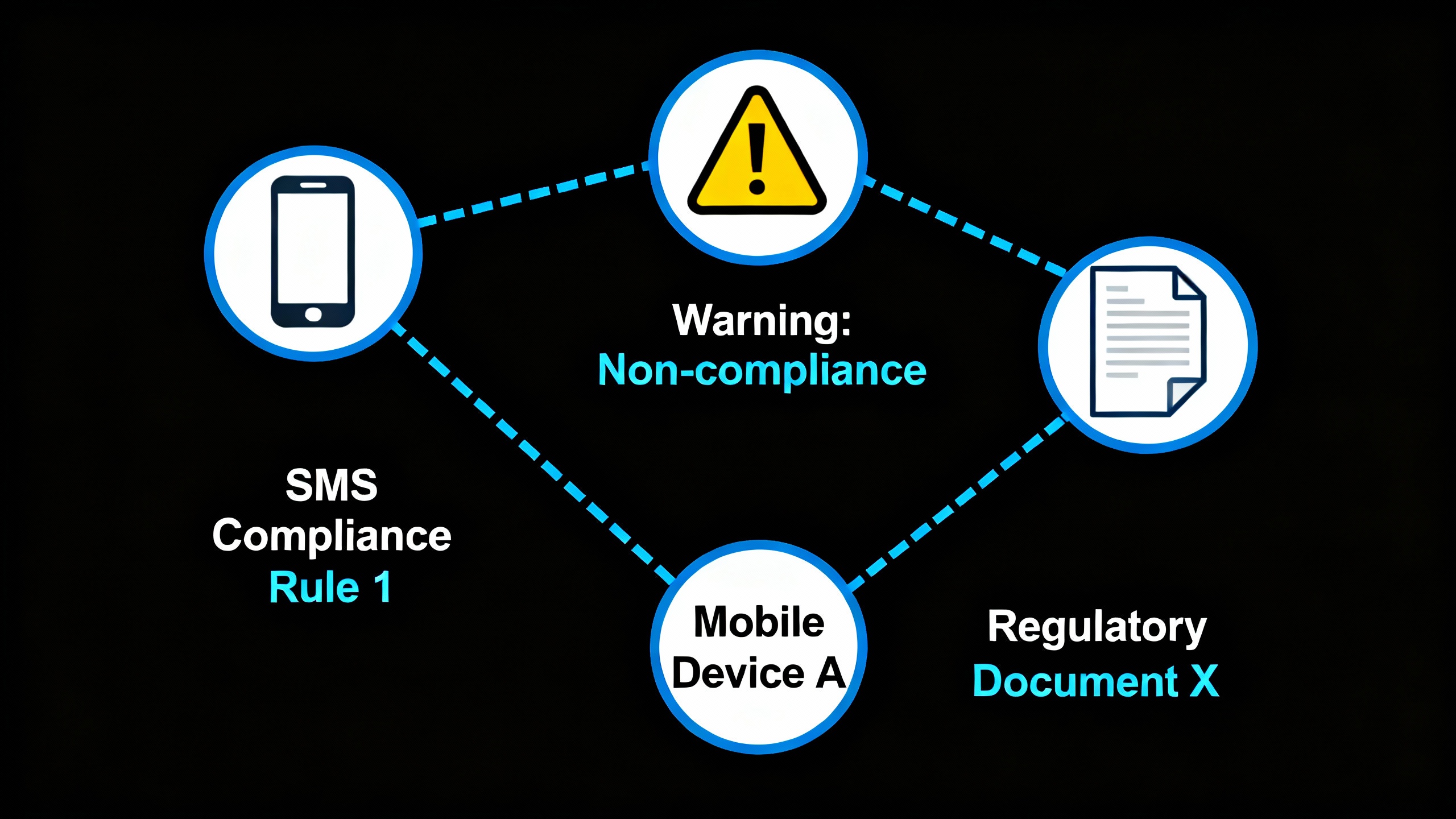
The world of 10DLC SMS for the cannabis and hemp sector in 2025 is marked by carrier vigilance, evolving federal and state regulations, and far-reaching compliance barriers. As dispensaries, brands, tech providers, and marketers eye text messaging as a vital tool, they increasingly confront stiff rules around SHAFT (Sex, Hate, Alcohol, Firearms, Tobacco) content, carrier-imposed penalties, and a meticulous 10DLC brand/campaign registration regime. This article delivers a no-spin reality check for businesses planning SMS outreach in this highly scrutinized space, including how to map carrier restrictions, craft compliant campaign briefs, and align with FCC one-to-one consent requirements.
10DLC (10-digit long code) is the standard for Application-to-Person (A2P) SMS marketing across U.S. carriers. By 2025, all major U.S. mobile networks—including T-Mobile, AT&T, and Verizon—require brands that use SMS to consumers to:
Unregistered or mis-declared SMS campaigns now face immediate throttling, carrier blocking, or high dollar fines. According to Springbig’s 2025 guide, the December 1, 2024 deadline forced virtually every business in the sector to reevaluate their SMS program or risk losing access.
SHAFT content—Sex, Hate, Alcohol, Firearms, and Tobacco—is categorically prohibited in A2P SMS by most U.S. carriers. However, the cannabis and hemp sector faces additional hurdles:
According to Twilio’s SMS guidelines, even passing references to cannabinoids or sellers can result in message filtering and carrier fines, which, as of 2025, continue to be imposed at up to $10,000 per violation (per Twilio penalty matrix).
Legitimate hemp companies occasionally succeed with SMS by:
However, no U.S. carrier unambiguously allows explicit sales promotions of hemp, CBD, or derivative cannabinoids via SMS/MMS in 2025. Attempts are subject to message blocking, number suspension, and escalating fines regardless of FDA/USDA/FCC status.
Example of a higher-likelihood SMS campaign brief:
“We invite you to our wellness event! RSVP for schedule and info. Reply STOP to opt-out.”
2025 has seen a spike in carrier-initiated enforcement actions. Per T-Mobile A2P SMS guidelines, the following penalties apply:
Proactive action:
Text messages remain regulated by:
Important: Even if your message is 100% legal in your state, a carrier’s denial or block often cannot be appealed or bypassed.
The bottom line for regulated sector texting in 2025: the cannabis and hemp industry faces real, non-negotiable friction from U.S. carriers and the 10DLC system. SMS remains a high-risk, high-compliance channel, demanding vigilance and strategic adaptation.
To stay current, access regulatory summaries, and find trusted compliance tools, visit CannabisRegulations.ai. Our platform connects you with the latest rules, best practices, and technology vendors for SMS and digital marketing compliance across every U.S. jurisdiction.
The world of 10DLC SMS for the cannabis and hemp sector in 2025 is marked by carrier vigilance, evolving federal and state regulations, and far-reaching compliance barriers. As dispensaries, brands, tech providers, and marketers eye text messaging as a vital tool, they increasingly confront stiff rules around SHAFT (Sex, Hate, Alcohol, Firearms, Tobacco) content, carrier-imposed penalties, and a meticulous 10DLC brand/campaign registration regime. This article delivers a no-spin reality check for businesses planning SMS outreach in this highly scrutinized space, including how to map carrier restrictions, craft compliant campaign briefs, and align with FCC one-to-one consent requirements.
10DLC (10-digit long code) is the standard for Application-to-Person (A2P) SMS marketing across U.S. carriers. By 2025, all major U.S. mobile networks—including T-Mobile, AT&T, and Verizon—require brands that use SMS to consumers to:
Unregistered or mis-declared SMS campaigns now face immediate throttling, carrier blocking, or high dollar fines. According to Springbig’s 2025 guide, the December 1, 2024 deadline forced virtually every business in the sector to reevaluate their SMS program or risk losing access.
SHAFT content—Sex, Hate, Alcohol, Firearms, and Tobacco—is categorically prohibited in A2P SMS by most U.S. carriers. However, the cannabis and hemp sector faces additional hurdles:
According to Twilio’s SMS guidelines, even passing references to cannabinoids or sellers can result in message filtering and carrier fines, which, as of 2025, continue to be imposed at up to $10,000 per violation (per Twilio penalty matrix).
Legitimate hemp companies occasionally succeed with SMS by:
However, no U.S. carrier unambiguously allows explicit sales promotions of hemp, CBD, or derivative cannabinoids via SMS/MMS in 2025. Attempts are subject to message blocking, number suspension, and escalating fines regardless of FDA/USDA/FCC status.
Example of a higher-likelihood SMS campaign brief:
“We invite you to our wellness event! RSVP for schedule and info. Reply STOP to opt-out.”
2025 has seen a spike in carrier-initiated enforcement actions. Per T-Mobile A2P SMS guidelines, the following penalties apply:
Proactive action:
Text messages remain regulated by:
Important: Even if your message is 100% legal in your state, a carrier’s denial or block often cannot be appealed or bypassed.
The bottom line for regulated sector texting in 2025: the cannabis and hemp industry faces real, non-negotiable friction from U.S. carriers and the 10DLC system. SMS remains a high-risk, high-compliance channel, demanding vigilance and strategic adaptation.
To stay current, access regulatory summaries, and find trusted compliance tools, visit CannabisRegulations.ai. Our platform connects you with the latest rules, best practices, and technology vendors for SMS and digital marketing compliance across every U.S. jurisdiction.