November 1, 2025


The regulatory terrain for intoxicating hemp-derived cannabinoids is experiencing a fundamental transformation in 2025. The Cannabis Regulators Association (CANNRA) has unveiled its 2025 Model Policy for Intoxicating Hemp, and statehouses across the country are rapidly responding. With over 80 bills touching THC beverages and intoxicating hemp across 27 states this year, the national conversation has pivoted from mere awareness to urgent action on product safety, consumer protection, and market structure.
Industry observers and compliance professionals are tracking this fast-moving landscape, as states look to the CANNRA framework for legislative guidance and policy templates. In this overview, we’ll break down:
The 2025 model policy confronts the proliferation of intoxicating hemp products—most commonly through synthetic or semi-synthetic cannabinoids such as delta-8 THC, delta-10 THC, and THCa—often marketed in beverages, gummies, and vape products outside of regulated cannabis supply chains.
Key provisions recommended by CANNRA for state action include:
Tracking state legislative activity, it’s clear the CANNRA model is informing a coast-to-coast regulatory shift, but adoption is happening in phases and with modifications to fit local market conditions.
California: Assembly Bill 8 (AB 8) passed in 2025, positioned as the most influential framework for intoxicating hemp regulation (Read more). AB 8 requires all intoxicating hemp products to be sold through licensed cannabis dispensaries, prohibits synthetics, sets strict potency caps, and hands new enforcement power to state agencies (official text).
Minnesota, New York, and Maryland: All have moved to restrict intoxicating hemp products to dispensaries or age-restricted specialty channels; bills introduced in 2025 feature THC caps and robust testing mandates.
Louisiana and Kentucky: Rapidly adopted portions of the CANNRA model after legislative pressure from medical cannabis operators and local law enforcement calling for a clampdown on unregulated hemp beverages and edibles.
Florida, Texas, and Virginia: Multiple bills in 2025 signal a move toward requiring online age checks and seizing unregistered hemp products under new police powers, with language echoing the CANNRA playbook.
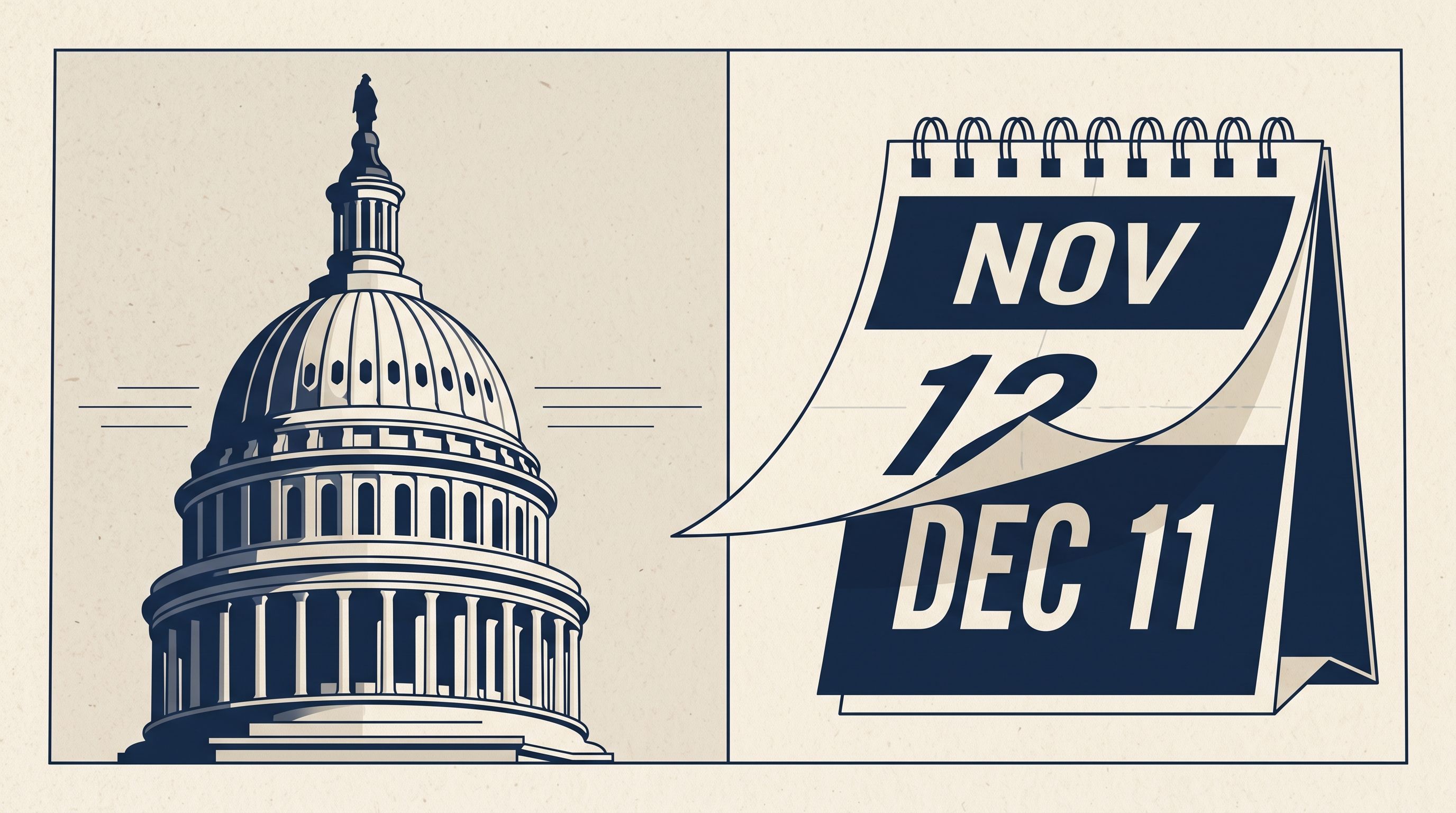
More than a dozen states—primarily in the South and Midwest—are scheduled for special sessions in Fall 2025 or are expected to carry over bills into early 2026, as opposition and industry pushback slow full-scale adoption of CANNRA provisions. Policy watchers expect these states to reference California’s new law as justification for stricter controls.
Beverage industry hotspots (notably Michigan, Illinois, and Colorado) are debating separate milligram caps or outright bans on intoxicating hemp beverages, spurred in part by alcohol industry lobbying and concerns over youth access. Proposals mirror the 10mg/serving, 150mg/container standards recommended by CANNRA and adopted in AB 8.
The CANNRA model and recent state bills often directly conflict with earlier hemp legalization statutes, which tended to:
States now face statutory friction, requiring amendment of existing hemp codes, reconciliation of conflicting testing standards, and creation of uniform enforcement protocols. Stakeholders should anticipate a bumpy transitional period where certain products (e.g., delta-8 vapes, high-THC seltzers) are barred in some states, allowed in others, and in legal limbo where statutes are unclear or under challenge.
California’s AB 8 stands as a national reference. The bill not only bans intoxicating hemp products from mainstream retail but also synchronizes hemp regulation with the state’s existing cannabis compliance infrastructure (more on CA AB 8). Key features:
Many anticipate large population states—like New York, Illinois, and Florida—will follow suit in late 2025 or early 2026, citing both public health and market fairness. AB 8 is widely cited in policy circles as the “end of the loophole” for intoxicating hemp.
The CANNRA 2025 intoxicating hemp model policy is already reshaping the compliance landscape. Businesses, investors, and compliance officers must stay alert to rapid developments, especially as states mobilize for fall special sessions and 2026 carryover bills. With ongoing conflicts between legacy hemp statutes and new intoxicating-product laws, real-time tracking and adaptive compliance are non-negotiable.
For the latest multi-state regulatory tracking, detailed compliance tools, and tailored business insights, visit CannabisRegulations.ai — your partner for mastering the complexities of the post-hemp loophole era.
The regulatory terrain for intoxicating hemp-derived cannabinoids is experiencing a fundamental transformation in 2025. The Cannabis Regulators Association (CANNRA) has unveiled its 2025 Model Policy for Intoxicating Hemp, and statehouses across the country are rapidly responding. With over 80 bills touching THC beverages and intoxicating hemp across 27 states this year, the national conversation has pivoted from mere awareness to urgent action on product safety, consumer protection, and market structure.
Industry observers and compliance professionals are tracking this fast-moving landscape, as states look to the CANNRA framework for legislative guidance and policy templates. In this overview, we’ll break down:
The 2025 model policy confronts the proliferation of intoxicating hemp products—most commonly through synthetic or semi-synthetic cannabinoids such as delta-8 THC, delta-10 THC, and THCa—often marketed in beverages, gummies, and vape products outside of regulated cannabis supply chains.
Key provisions recommended by CANNRA for state action include:
Tracking state legislative activity, it’s clear the CANNRA model is informing a coast-to-coast regulatory shift, but adoption is happening in phases and with modifications to fit local market conditions.
California: Assembly Bill 8 (AB 8) passed in 2025, positioned as the most influential framework for intoxicating hemp regulation (Read more). AB 8 requires all intoxicating hemp products to be sold through licensed cannabis dispensaries, prohibits synthetics, sets strict potency caps, and hands new enforcement power to state agencies (official text).
Minnesota, New York, and Maryland: All have moved to restrict intoxicating hemp products to dispensaries or age-restricted specialty channels; bills introduced in 2025 feature THC caps and robust testing mandates.
Louisiana and Kentucky: Rapidly adopted portions of the CANNRA model after legislative pressure from medical cannabis operators and local law enforcement calling for a clampdown on unregulated hemp beverages and edibles.
Florida, Texas, and Virginia: Multiple bills in 2025 signal a move toward requiring online age checks and seizing unregistered hemp products under new police powers, with language echoing the CANNRA playbook.
More than a dozen states—primarily in the South and Midwest—are scheduled for special sessions in Fall 2025 or are expected to carry over bills into early 2026, as opposition and industry pushback slow full-scale adoption of CANNRA provisions. Policy watchers expect these states to reference California’s new law as justification for stricter controls.
Beverage industry hotspots (notably Michigan, Illinois, and Colorado) are debating separate milligram caps or outright bans on intoxicating hemp beverages, spurred in part by alcohol industry lobbying and concerns over youth access. Proposals mirror the 10mg/serving, 150mg/container standards recommended by CANNRA and adopted in AB 8.
The CANNRA model and recent state bills often directly conflict with earlier hemp legalization statutes, which tended to:
States now face statutory friction, requiring amendment of existing hemp codes, reconciliation of conflicting testing standards, and creation of uniform enforcement protocols. Stakeholders should anticipate a bumpy transitional period where certain products (e.g., delta-8 vapes, high-THC seltzers) are barred in some states, allowed in others, and in legal limbo where statutes are unclear or under challenge.
California’s AB 8 stands as a national reference. The bill not only bans intoxicating hemp products from mainstream retail but also synchronizes hemp regulation with the state’s existing cannabis compliance infrastructure (more on CA AB 8). Key features:
Many anticipate large population states—like New York, Illinois, and Florida—will follow suit in late 2025 or early 2026, citing both public health and market fairness. AB 8 is widely cited in policy circles as the “end of the loophole” for intoxicating hemp.
The CANNRA 2025 intoxicating hemp model policy is already reshaping the compliance landscape. Businesses, investors, and compliance officers must stay alert to rapid developments, especially as states mobilize for fall special sessions and 2026 carryover bills. With ongoing conflicts between legacy hemp statutes and new intoxicating-product laws, real-time tracking and adaptive compliance are non-negotiable.
For the latest multi-state regulatory tracking, detailed compliance tools, and tailored business insights, visit CannabisRegulations.ai — your partner for mastering the complexities of the post-hemp loophole era.
