


March 19, 2026


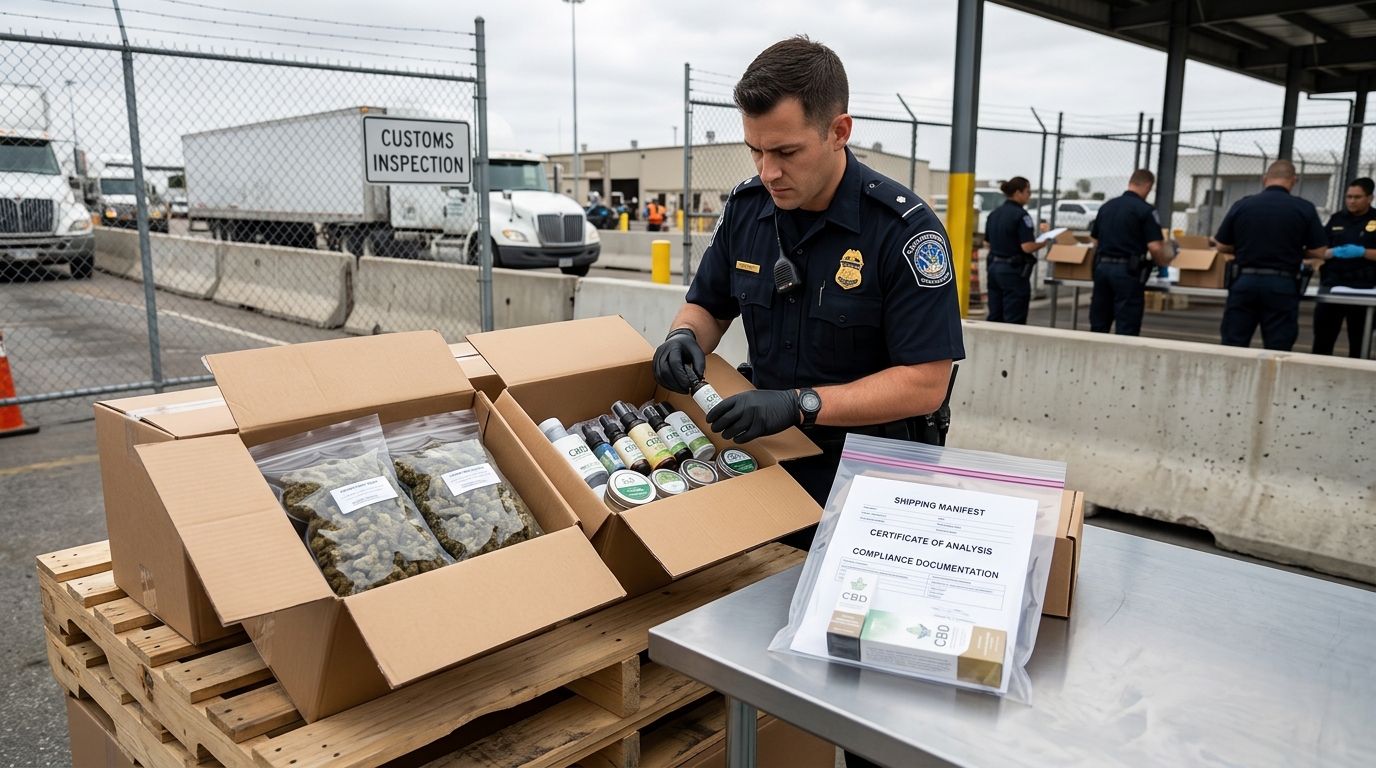
Customs detention events are operational fire drills for CBD and hemp importers. Inventory gets stuck, customers wait, cash is tied up, and teams scramble to answer document requests across multiple systems. Most holds are not solved by one email or one certificate. They are resolved by a complete, coherent evidence packet that tells customs authorities exactly what the goods are, where they came from, how they are classified, and why they are compliant for entry.
Informational only. This content is not legal advice.
A detention is a request for clarity under time pressure. Authorities may need additional information about product identity, composition, intended use, or admissibility. In hemp categories, heightened scrutiny can come from ambiguous descriptions, inconsistent lab data, weak classification support, or unclear documentation chains. Delays often grow when importers send partial responses that force repeated follow-up requests.
The fastest path to resolution is a prepared response model. Use baseline guidance from CBP ecommerce resources and monitor potential product-risk signals through channels like FDA import alerts. Industry legal commentary, such as this Harris Sliwoski note, also highlights why product profile and documentation discipline matter as federal and state frameworks evolve.
An evidence packet should not be a random folder dump. It should present a clear narrative supported by indexed files. Start with a cover memo that states shipment identifiers, products involved, requested action, and a document index. Then provide supporting artifacts in logical order so reviewers can verify claims without guesswork.
Consistency across documents is critical. Product names, concentrations, and lot identifiers should match everywhere. Minor naming drift can trigger additional questions and delay release.
Invoices should use specific product descriptions, not marketing language. Avoid vague terms like "extract" without qualifiers. Include unit measures, total quantities, and clear linkages to lot numbers when possible. Packing lists should mirror invoice descriptions and package counts exactly.
COAs should be legible, dated, and tied to the shipped lot. If multiple labs were involved, explain why and provide chronology. Include method references where available and avoid submitting unlabeled screenshots or excerpts that cannot be authenticated.
Affidavits should identify supplier role, product composition assertions, and statement date. Product formula summaries should align with invoice descriptions and testing data. Contradictions between supplier claims and lab outputs are a common trigger for deeper review.
Provide a concise statement of intended commercial use in importing operations. Keep this factual and consistent with labeling, distribution channels, and internal product categorization.
When authorities see conflicting or incomplete records, chain-of-custody evidence can restore confidence. Build a lot-level timeline from raw material sourcing through manufacturing, packaging, export handoff, and import entry. Include who handled the goods at each stage and where transfers occurred.
Even a basic but consistent chain-of-custody package can reduce follow-up cycles. The goal is traceability that is understandable to a reviewer outside your organization.
Most delays happen because no one owns the response process. Define a detention incident workflow before events occur. Assign an incident owner and a cross-functional team covering customs broker coordination, trade compliance, quality, legal, and finance.
Track all outbound and inbound communication in one place. Missing communication history is a major obstacle when escalations happen.
Every detention should produce a preventive action plan. Review what triggered the hold and update pre-shipment controls. Typical fixes include better product naming standards, stronger lot-link requirements on invoices, and mandatory document completeness checks before cargo movement.
Run quarterly tabletop exercises simulating a detention notice. Time your retrieval speed and document accuracy. Practice reduces panic and exposes system gaps before real holds occur.
Mistake: sending dozens of documents without index or narrative. Fix: start with a cover memo and numbered document map.
Mistake: submitting COAs that do not map to shipped lots. Fix: enforce lot-link validation before release to broker.
Mistake: relying on one person who understands shipment history. Fix: establish role-based ownership and backup contacts.
Mistake: treating each detention as unique and starting from zero. Fix: maintain reusable evidence packet templates by product category.
Your customs broker is usually the communication bridge, but response quality still depends on importer discipline. Provide brokers with pre-approved templates, controlled product language, and one escalation contact who can answer technical questions quickly. Avoid parallel email chains from different departments because conflicting responses can slow review.
After each event, hold a short broker debrief covering what information was requested first, which documents required revision, and what could have been provided earlier. Turn that feedback into a pre-shipment checklist update. Over multiple shipments, this creates measurable cycle-time improvements and reduces repeat detention patterns for the same product families.
Customs holds are stressful, but they do not need to be chaotic. A structured evidence packet, clear ownership model, and repeatable response workflow can shorten detentions and improve long-term trade reliability. CannabisRegulations.ai helps operators and customs-facing teams organize document retrieval, maintain cited rule research, and build stronger response packets when CBD and hemp shipments are questioned at the border.
Customs detention events are operational fire drills for CBD and hemp importers. Inventory gets stuck, customers wait, cash is tied up, and teams scramble to answer document requests across multiple systems. Most holds are not solved by one email or one certificate. They are resolved by a complete, coherent evidence packet that tells customs authorities exactly what the goods are, where they came from, how they are classified, and why they are compliant for entry.
Informational only. This content is not legal advice.
A detention is a request for clarity under time pressure. Authorities may need additional information about product identity, composition, intended use, or admissibility. In hemp categories, heightened scrutiny can come from ambiguous descriptions, inconsistent lab data, weak classification support, or unclear documentation chains. Delays often grow when importers send partial responses that force repeated follow-up requests.
The fastest path to resolution is a prepared response model. Use baseline guidance from CBP ecommerce resources and monitor potential product-risk signals through channels like FDA import alerts. Industry legal commentary, such as this Harris Sliwoski note, also highlights why product profile and documentation discipline matter as federal and state frameworks evolve.
An evidence packet should not be a random folder dump. It should present a clear narrative supported by indexed files. Start with a cover memo that states shipment identifiers, products involved, requested action, and a document index. Then provide supporting artifacts in logical order so reviewers can verify claims without guesswork.
Consistency across documents is critical. Product names, concentrations, and lot identifiers should match everywhere. Minor naming drift can trigger additional questions and delay release.
Invoices should use specific product descriptions, not marketing language. Avoid vague terms like "extract" without qualifiers. Include unit measures, total quantities, and clear linkages to lot numbers when possible. Packing lists should mirror invoice descriptions and package counts exactly.
COAs should be legible, dated, and tied to the shipped lot. If multiple labs were involved, explain why and provide chronology. Include method references where available and avoid submitting unlabeled screenshots or excerpts that cannot be authenticated.
Affidavits should identify supplier role, product composition assertions, and statement date. Product formula summaries should align with invoice descriptions and testing data. Contradictions between supplier claims and lab outputs are a common trigger for deeper review.
Provide a concise statement of intended commercial use in importing operations. Keep this factual and consistent with labeling, distribution channels, and internal product categorization.
When authorities see conflicting or incomplete records, chain-of-custody evidence can restore confidence. Build a lot-level timeline from raw material sourcing through manufacturing, packaging, export handoff, and import entry. Include who handled the goods at each stage and where transfers occurred.
Even a basic but consistent chain-of-custody package can reduce follow-up cycles. The goal is traceability that is understandable to a reviewer outside your organization.
Most delays happen because no one owns the response process. Define a detention incident workflow before events occur. Assign an incident owner and a cross-functional team covering customs broker coordination, trade compliance, quality, legal, and finance.
Track all outbound and inbound communication in one place. Missing communication history is a major obstacle when escalations happen.
Every detention should produce a preventive action plan. Review what triggered the hold and update pre-shipment controls. Typical fixes include better product naming standards, stronger lot-link requirements on invoices, and mandatory document completeness checks before cargo movement.
Run quarterly tabletop exercises simulating a detention notice. Time your retrieval speed and document accuracy. Practice reduces panic and exposes system gaps before real holds occur.
Mistake: sending dozens of documents without index or narrative. Fix: start with a cover memo and numbered document map.
Mistake: submitting COAs that do not map to shipped lots. Fix: enforce lot-link validation before release to broker.
Mistake: relying on one person who understands shipment history. Fix: establish role-based ownership and backup contacts.
Mistake: treating each detention as unique and starting from zero. Fix: maintain reusable evidence packet templates by product category.
Your customs broker is usually the communication bridge, but response quality still depends on importer discipline. Provide brokers with pre-approved templates, controlled product language, and one escalation contact who can answer technical questions quickly. Avoid parallel email chains from different departments because conflicting responses can slow review.
After each event, hold a short broker debrief covering what information was requested first, which documents required revision, and what could have been provided earlier. Turn that feedback into a pre-shipment checklist update. Over multiple shipments, this creates measurable cycle-time improvements and reduces repeat detention patterns for the same product families.
Customs holds are stressful, but they do not need to be chaotic. A structured evidence packet, clear ownership model, and repeatable response workflow can shorten detentions and improve long-term trade reliability. CannabisRegulations.ai helps operators and customs-facing teams organize document retrieval, maintain cited rule research, and build stronger response packets when CBD and hemp shipments are questioned at the border.
