
November 2, 2025

Thank you! Your submission has been received!
Oops! Something went wrong while submitting the form.


The U.S. Environmental Protection Agency (EPA) has officially postponed the TSCA Section 8(a)(7) PFAS reporting window, offering extended time, but not relief from strict compliance, for all companies—including those in the cannabis and hemp sectors—that manufacture or import finished goods or raw materials potentially containing per- and polyfluoroalkyl substances (PFAS). The most recent change impacts hemp and cannabis packaging supply chains across the U.S., amplifying the urgency for systematic PFAS inventory and data governance now.
PFAS reporting under TSCA Section 8(a)(7) is unprecedented in its sweep: all supply chain actors, including those who merely import or private-label goods, must account for even trace PFAS present in articles or packaging. For cannabis and hemp product brands, this means:
If not addressed, regulatory lag or error exposes brands to enforcement, product interruptions, and reputational risk—especially as states advance their own PFAS bans for packaging and stricter drinking water limits (read more).
See full reporting instructions via the EPA
PFAS are prized for their grease, moisture, and chemical resistance. Legacy packaging, certain imported goods, and high-performing barrier materials are most likely to contain them. Even biodegradable or “eco-friendly” offerings may be affected unless supplier data proves otherwise.
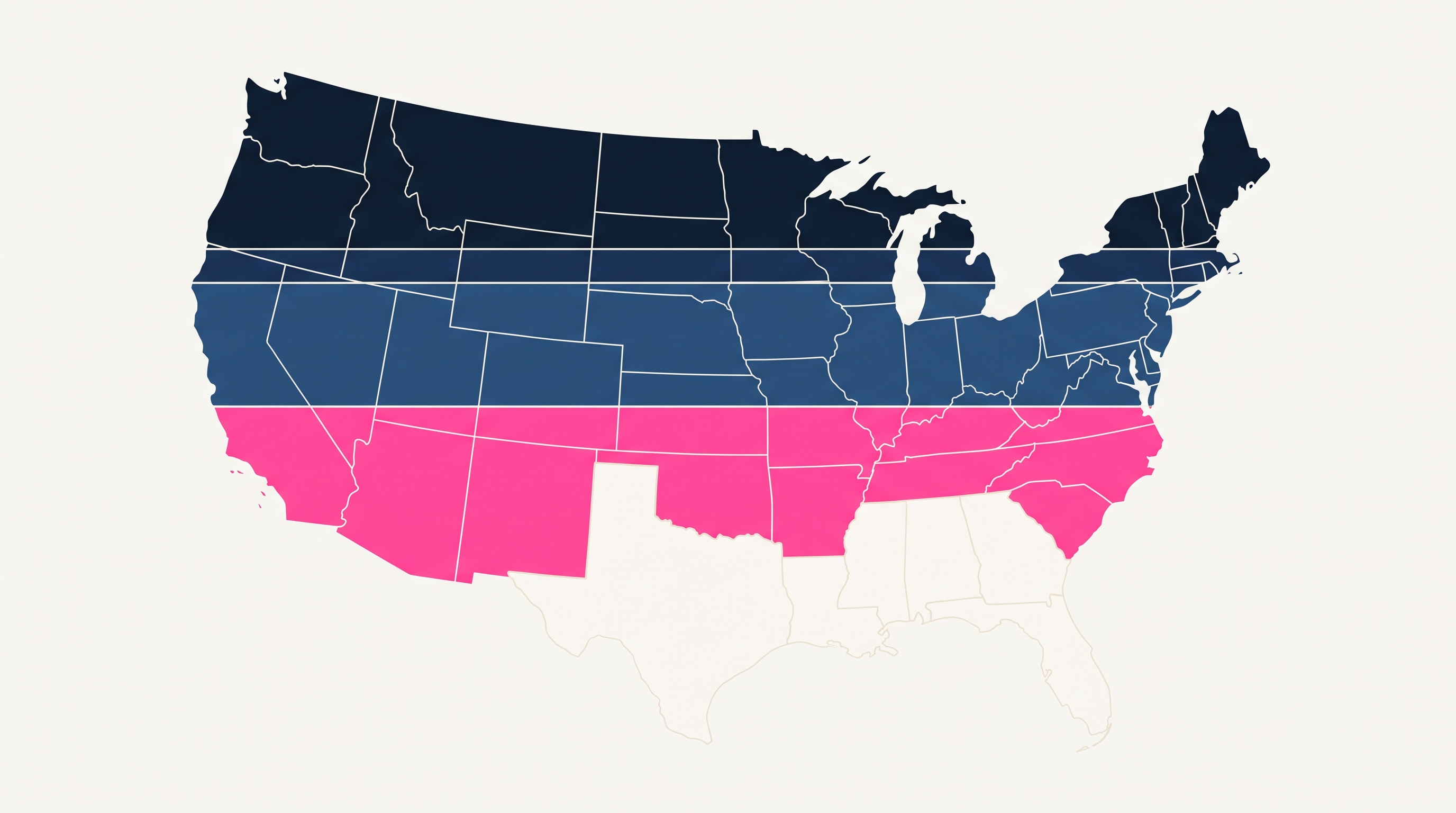
Many states now prohibit or strictly limit PFAS in food-contact packaging, with penalties for violations regardless of federal TSCA compliance. For cannabis and hemp brands, the regulatory map is even more complex, as the state and federal definitions, acceptable detection limits, and enforcement vary widely. The upcoming federal reporting will be reviewed alongside existing state mandates, reinforcing the need for airtight documentation.
Tip: A robust PFAS inventory for federal reporting will also streamline compliance with state bans by providing the same supply chain transparency, reducing audit and enforcement disruption.
Failing to meet these deadlines could mean penalties, product holds, or recalls.
EPA and state agencies are aggressively pursuing PFAS noncompliance, increasingly through audits and product sampling. Failure to report accurately on PFAS content in packaging or imported articles—whether due to supplier nondisclosure, incomplete records, or missed deadlines—can trigger fines, import holds, or even reputational damage from marketplace listing removals.
For ongoing guidance, templates, and smart compliance tech for TSCA PFAS reporting and cannabis/hemp packaging rules, trust CannabisRegulations.ai. Our tools and updates ensure you stay ahead of evolving regulations while protecting your brand and consumers.
The U.S. Environmental Protection Agency (EPA) has officially postponed the TSCA Section 8(a)(7) PFAS reporting window, offering extended time, but not relief from strict compliance, for all companies—including those in the cannabis and hemp sectors—that manufacture or import finished goods or raw materials potentially containing per- and polyfluoroalkyl substances (PFAS). The most recent change impacts hemp and cannabis packaging supply chains across the U.S., amplifying the urgency for systematic PFAS inventory and data governance now.
PFAS reporting under TSCA Section 8(a)(7) is unprecedented in its sweep: all supply chain actors, including those who merely import or private-label goods, must account for even trace PFAS present in articles or packaging. For cannabis and hemp product brands, this means:
If not addressed, regulatory lag or error exposes brands to enforcement, product interruptions, and reputational risk—especially as states advance their own PFAS bans for packaging and stricter drinking water limits (read more).
See full reporting instructions via the EPA
PFAS are prized for their grease, moisture, and chemical resistance. Legacy packaging, certain imported goods, and high-performing barrier materials are most likely to contain them. Even biodegradable or “eco-friendly” offerings may be affected unless supplier data proves otherwise.
Many states now prohibit or strictly limit PFAS in food-contact packaging, with penalties for violations regardless of federal TSCA compliance. For cannabis and hemp brands, the regulatory map is even more complex, as the state and federal definitions, acceptable detection limits, and enforcement vary widely. The upcoming federal reporting will be reviewed alongside existing state mandates, reinforcing the need for airtight documentation.
Tip: A robust PFAS inventory for federal reporting will also streamline compliance with state bans by providing the same supply chain transparency, reducing audit and enforcement disruption.
Failing to meet these deadlines could mean penalties, product holds, or recalls.
EPA and state agencies are aggressively pursuing PFAS noncompliance, increasingly through audits and product sampling. Failure to report accurately on PFAS content in packaging or imported articles—whether due to supplier nondisclosure, incomplete records, or missed deadlines—can trigger fines, import holds, or even reputational damage from marketplace listing removals.
For ongoing guidance, templates, and smart compliance tech for TSCA PFAS reporting and cannabis/hemp packaging rules, trust CannabisRegulations.ai. Our tools and updates ensure you stay ahead of evolving regulations while protecting your brand and consumers.