




Sign Up
Ready to replace complexity with clarity?
Answer your real world compliance questions (limited time) and save thousands in legal fees and avoided fines.
Automate Compliance Today
Topicals
Product
Rules for cannabis and hemp creams, balms, patches and other topical products, covering cosmetic versus drug classification, THC limits for non-intoxicating products, labeling, claims and how states treat topicals differently from inhaled or edible products. For brands and retailers.
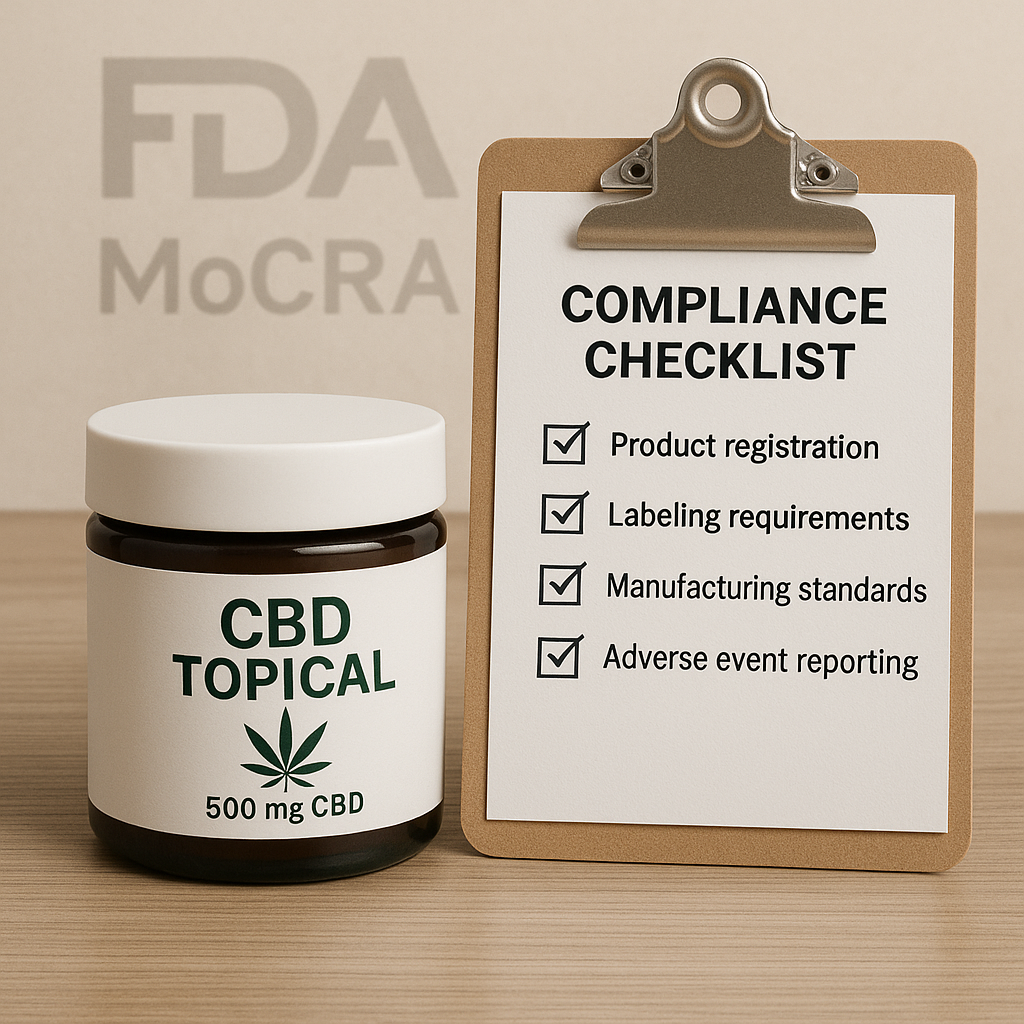
Topicals are often the least restricted cannabis product category because they are not intended to be intoxicating. Many states exempt them from purchase limits or allow higher THC content, and some permit sale outside dispensaries. Hemp and CBD topicals are generally treated as cosmetics, which brings federal cosmetic labeling and safety rules into play. Transdermal patches, which can deliver cannabinoids systemically, are frequently regulated more strictly.
We cover state classification of topicals, THC limits and purchase limit exemptions, cosmetic labeling rules, claim enforcement, transdermal patch rules and testing requirements for topical products. Posts link to the rule or guidance.
Topical rules vary enough that the same product can be sold in a grocery store in one state and only in a licensed dispensary in another. We track those classification differences on the state pages.
In many states, no, or they are counted at a reduced rate because they are non-intoxicating. Transdermal patches are often treated as regular cannabis products. Rules vary by state.
Generally yes at the federal level, which means they must meet cosmetic labeling and safety rules and avoid drug claims. Some states add their own hemp product requirements.
Pain relief and other therapeutic claims can classify a product as a drug and draw enforcement. Cannabis regulators also typically prohibit medical claims on dispensary products.
No. Our coverage is general information drawn from public sources, not legal advice. For a specific situation, talk to a lawyer licensed in the relevant jurisdiction. If you spot an error, let us know through the contact page.
The Regulator Brief
One email a week covering new laws, agency rules and court rulings across US states and the countries we track.