The April 2026 order created a two-tier federal cannabis market — Schedule III for medical, Schedule I for recreational. Here is what it means and what comes next.
How the April 2026 rescheduling changes 280E for medical operators — the Treasury transition rule, the retroactive refund question, and a CFO playbook for FY2026.
What the Trump administration's April 22, 2026 final order actually rescheduled, what stayed in Schedule I, and what operators and advisors should do next.
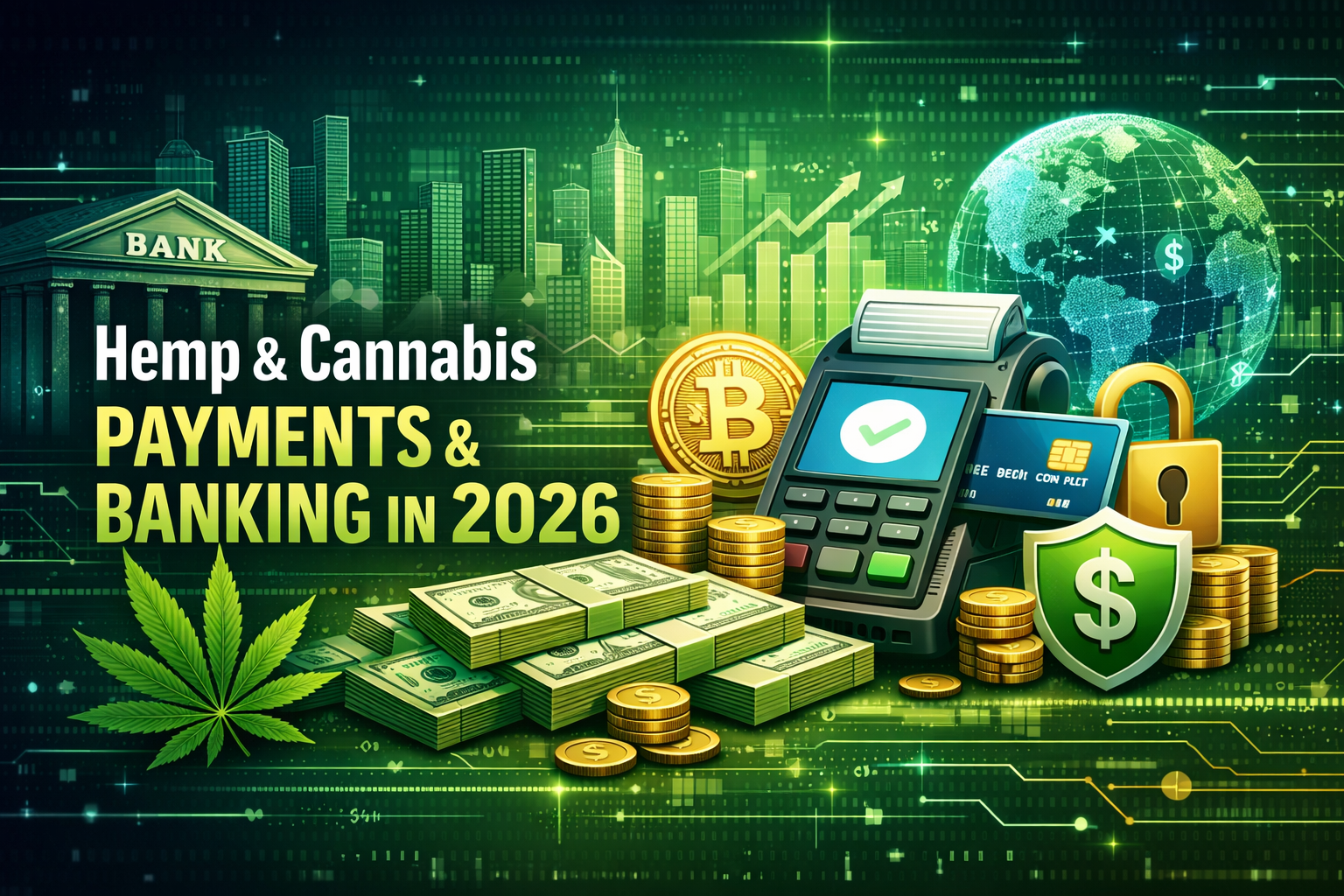
How cannabis and hemp operators handle credit cards, ACH, banking, and payment workarounds in 2026 amid persistent federal restrictions on financial services.
Cannabis receivership diligence must start with license transferability, lease continuity, and track-and-trace integrity before any valuation work begins.
Assignment restrictions, change-of-control defaults, and discretionary landlord-consent clauses are the lease terms most likely to kill cannabis deals in 2026.
Cannabis site selection in 2026 requires zoning, buffer, and municipal notice review as a connected workflow before any lease commitment is executed.
Cannabis license change-of-control rules in 2026 reach SAFEs, convertible notes, voting agreements, and management contracts, not just headline equity moves.
Executive Order 14370, signed December 18, 2025, directs the Attorney General to expedite federal cannabis rescheduling from Schedule I to Schedule III.
Schedule III rescheduling removes Schedule I criminal risk but does not automatically unlock cannabis banking, payments, lending, or public listings in 2026.
Executive Order 14370, signed December 18, 2025, requires cannabis operators to build a Schedule III operational readiness checklist before DEA rules finalize.
Hemp-THC operators in 2026 need AML programs documenting licensing posture, product profile, lab controls, ownership, and geography to retain banking access.
Cannabis board compliance dashboards in 2026 should track leading indicators of control drift, not just lagging incident counts, audits, and policy logs.
Cannabis CFOs can defend IRC 280E positions at year-end by hardening chart of accounts, inventory costing, intercompany flows, and document retention.
Germany's Pillar 2 pilot retail projects remain unsettled for 2026, but medical-grade compliance controls now will position operators for any approved program.
Canada signaled 2025-2026 cannabis excise reform on the dollar-per-gram or 10 percent minimum duty and a move toward a single national excise stamp.
British Columbia LCRB weekly Producer Retail Store statistics offer a near-real-time read on 2025 farmgate pipeline activity and direct-sales sentiment.
Massachusetts is weighing a $4.05 per gallon excise on hemp beverages and CCC oversight; this models price impact and retailer pass-through scenarios.
NYC Local Law 97 emissions caps now apply to indoor cultivation tenants in covered buildings, with stricter 2030 limits driving retrofit planning today.
Greece's 2025 push to expand medical cannabis exports hinges on EU-GMP readiness across GACP cultivation, EudraLex Volume 4 manufacturing, and release.
Colombia's Decree 1138 of October 27, 2025 recognizes dried medical cannabis flower as a finished product, opening pharmacy dispensing and exports.
Hemp-THC fundraising via Reg CF and Reg A in 2025 must align SEC securities rules, FTC ad oversight, and payments and banking risk controls together.
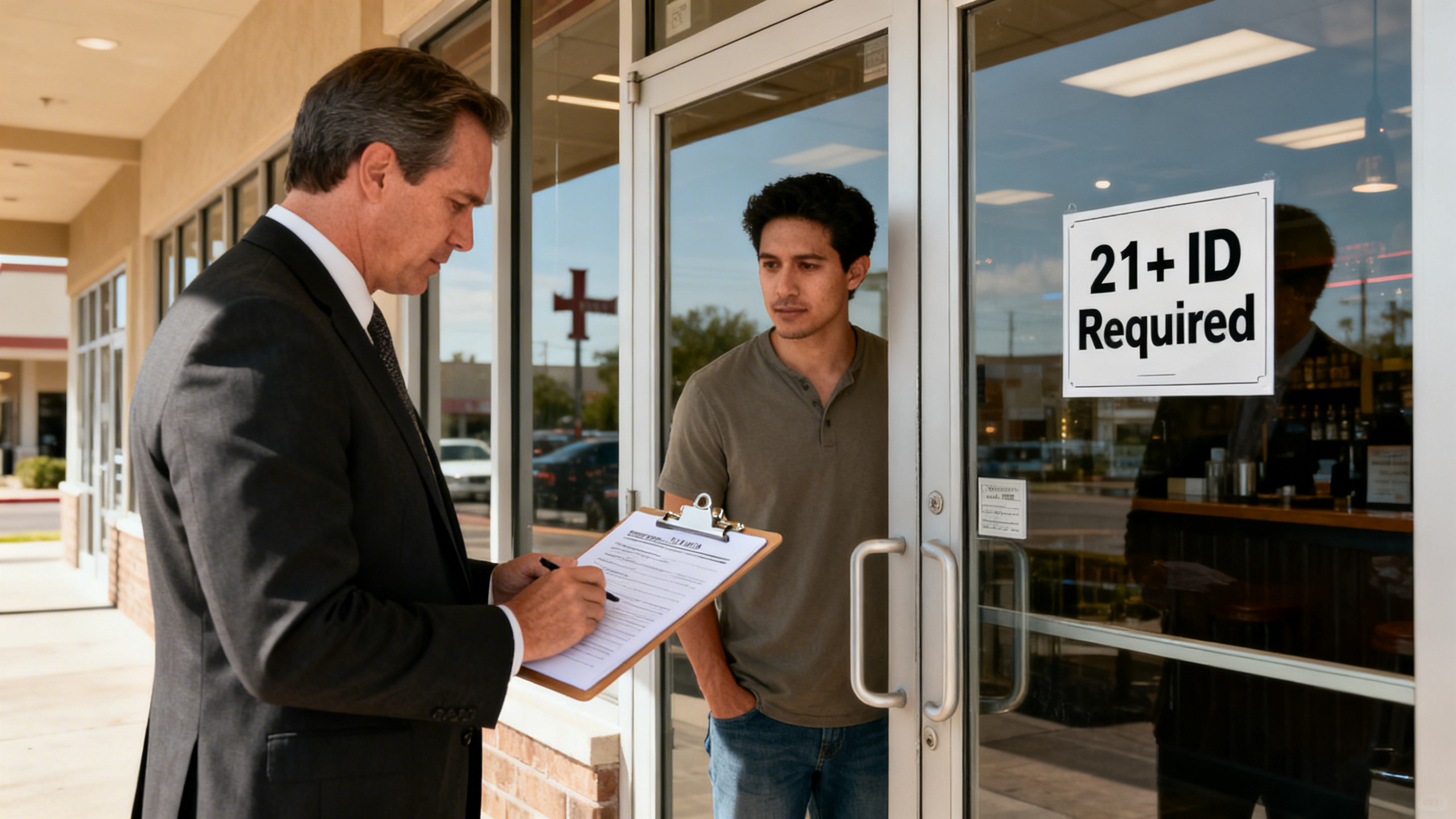
Texas landlords leasing to hemp-THC tenants in 2025 need lease clauses covering 21+ sales, ID verification, city nuisance rules, and padlock enforcement risk.
Colombia's 2025 VUCE foreign trade updates and Decree 1138 of 2025 reshape medical cannabis exports and authorize pharmacy flower under EU-GMP prescription.
Luxembourg's concept paper outlines a tightly controlled state-run adult-use retail model with seed-to-sale tracking and an ad ban, still uncertain in 2026.
Colombia's July 2025 draft decree and October 2025 Decree 1138 outline a prescription-only adult-use model dispensed through pharmacies under medical-gate.
The Philippines House approved House Bill 10439 in 2025, creating a Medical Cannabis Office and a market architecture now awaiting Senate consideration.
Morocco logged its first legal cannabis exports in 2025 with 67 ANRAC-approved products under Law 13-21, opening medical and industrial supply channels.

Colombia's 2025 draft decree would authorize pharmacy sales of medical cannabis flower with new dispensing rules and marketing limits for licensed operators.

Ukraine's State Service authorized first medical cannabis import permits on June 2, 2025, expanding dosages and pharmacy readiness across the program.

A September 2025 Missouri initiative would replace the constitutional cannabis program with an alcohol-model framework covering THC and hemp beverages.
Ukraine's June 2025 medical cannabis import permits open a supplier path requiring GMP documentation, dosage alignment, and customs readiness for Q4 shipments.
California's SB 253 and SB 261 begin climate disclosure obligations in 2026 for large cannabis and hemp beverage operators doing business in the state.
California SB 253 and SB 261 climate disclosures begin in 2026, and multi-state cannabis and hemp brands should start CARB-aligned data system buildouts now.
The Fourth Circuit in September 2025 upheld Maryland's social equity cannabis licensing scheme, splitting with the Second Circuit's Variscite residency ruling.
US Virgin Islands' Office of Cannabis Regulation opened adult-use cultivation applications March 31, 2025 with phased windows, local ownership rules, and Metrc.
FinCEN's March 26, 2025 interim final rule scrapped Corporate Transparency Act BOI filing for U.S. entities, shifting cannabis and hemp KYC duties onto banks.
The Second Circuit's August 12, 2025 Variscite ruling struck down New York's in-state cannabis conviction preference under the Dormant Commerce Clause.
Denmark made its medical cannabis program permanent in 2025 after years of pilot operation, locking in prescribing rules, licensing, and driving guidance.
2025 insurance markets for THC drinks and hemp cannabinoids tighten product liability, dram-shop, and exclusions, raising demands on underwriting.
Local zoning, nuisance, and youth-access ordinances are reshaping the 2025 cannabis and hemp retail map, with city crackdowns squeezing operators.
Czechia's Psychomodulatory Substances Act, effective July 1, 2025, authorizes licensed adult-use sales of cannabis up to 1 percent THC and kratom retail.
After the Senate dropped the detectable-THC ban from the 2025 Ag-FDA bill, intoxicating hemp's federal status stays unresolved heading into next year.
Germany's Pillar 2 cannabis pilots launch in 2026 in Berlin, Hanover, Frankfurt and other cities. Resident-only access, 25g weekly limits, BMEL approvals inside.
Cannabis rescheduling to Schedule III remains unresolved in 2025, with limits on 280E relief, banking, and interstate commerce shaping the playbook.
With SAFER Banking stalled in September 2025, cannabis and hemp operators still rely on a narrow set of banks and must layer rigorous onboarding compliance.
Michigan's Bay Mills compact and Minnesota's first tribal cannabis agreement signed in 2025 reshape licensing, Metrc integration, and off-reservation retail.
The HEMP Act of 2025 would redefine intoxicating hemp federally, reshaping product legality, testing thresholds, and state-level enforcement strategy.
Switzerland's National Council health committee advanced a draft federal law in 2025 to convert cannabis pilots into a nationwide adult-use market.
Spain's draft royal decree, published September 2025, sets a 2026 rollout for medical cannabis under AEMPS with defined prescribers and product forms.
Federal cannabis rescheduling to Schedule III would end IRC 280E and open research pathways, but state licensing and many federal controls stay in place.
Germany's Pillar 2 commercial cannabis pilots remain uncertain in September 2025 as federal and state positions diverge despite active municipal proposals.
Congress kept the Harris rider in 2025 appropriations, holding Washington DC's adult-use cannabis retail on pause while medical and gifting enforcement evolve.
At least 27 states and Washington DC introduced more than 80 bills in 2025 targeting THC beverage potency, age limits, labeling, and distribution.
Kentucky SB 202, signed in early 2025, imposes a three-tier producer-distributor-retailer model on cannabis-infused beverages, barring vertical integration.
Congress's 2025 push to redefine hemp via Farm Bill amendments and appropriations bills triggers new compliance and licensing questions for operators.
In 2025, state hemp laws increasingly clash with federal reforms anchored to the 2018 Farm Bill, creating compliance conflicts across hemp and cannabis markets.
Conservative U.S. states are tightening hemp laws in 2025, restricting intoxicating cannabinoids and raising compliance bars for operators and investors.
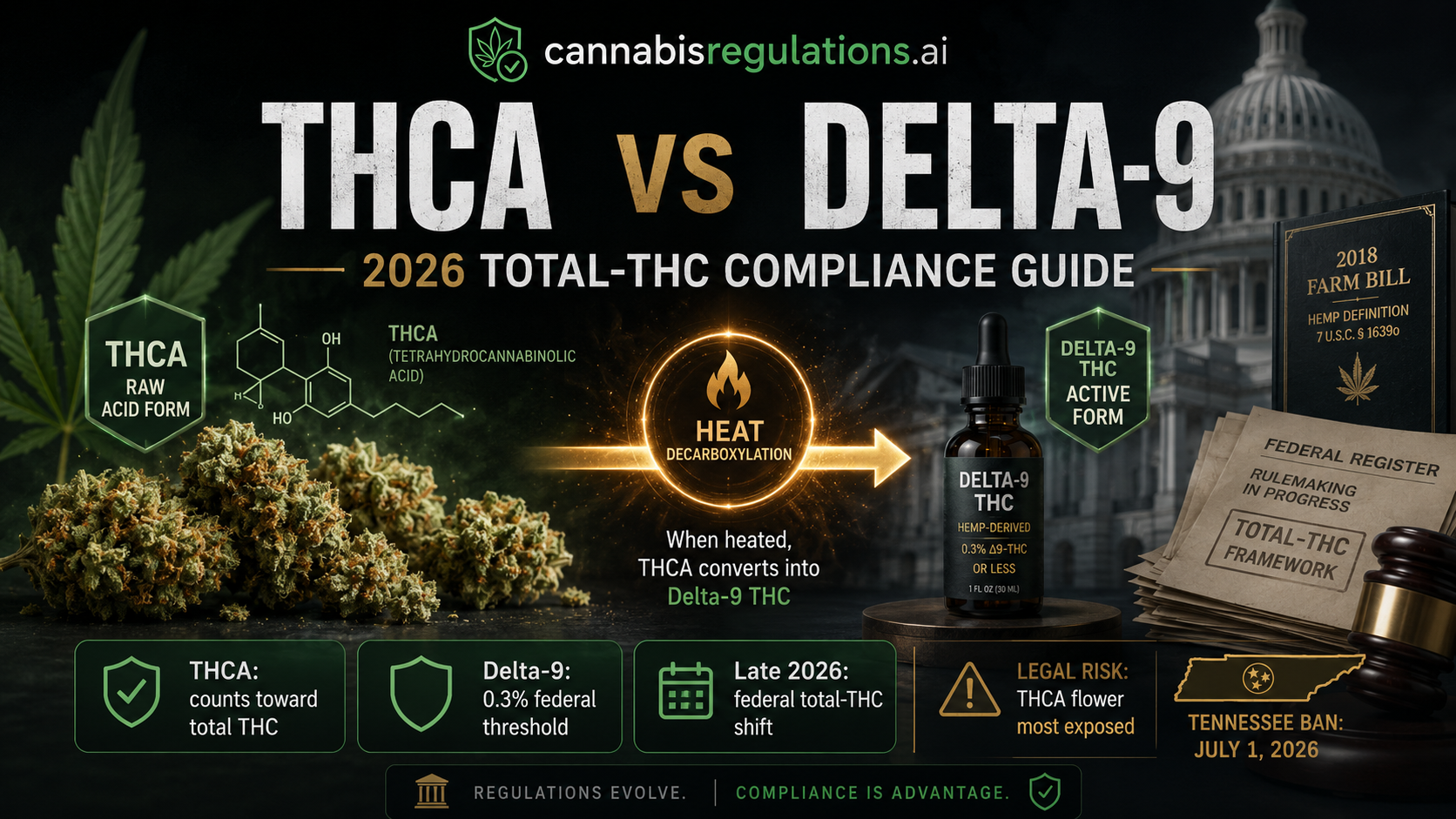
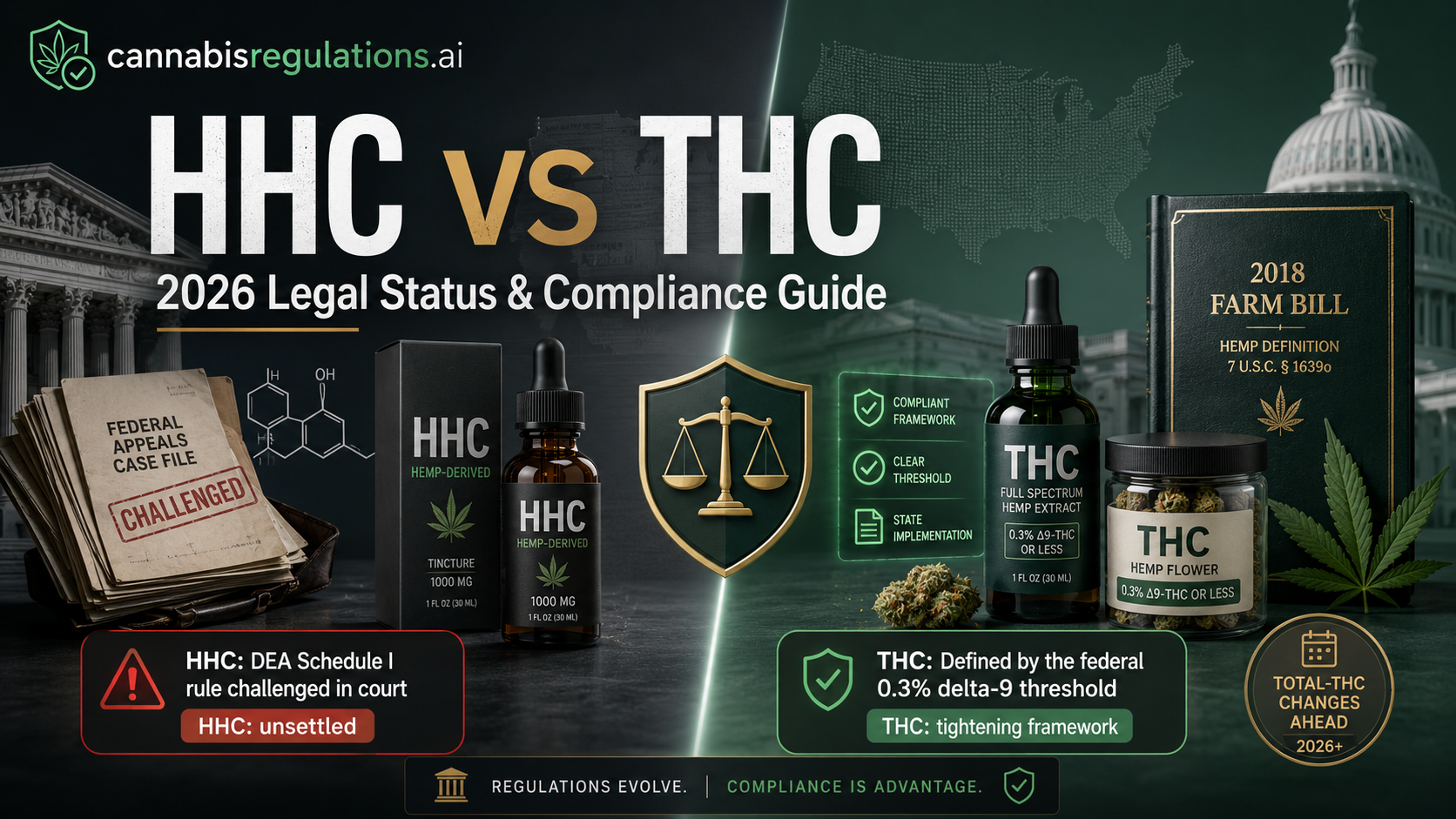
Conflicts between the 2018 Farm Bill's 0.3% delta-9 THC definition and state rules for delta-8, THCA, and HHC are driving a wave of hemp legal challenges.
Congress's 2025 debate over revising the 2018 Farm Bill hemp definition centers on intoxicating products, regulatory loopholes, and state-federal conflicts.
In July 2025, the US Senate stripped hemp-restricting language from the draft Agriculture Appropriations Bill, preserving the legality of hemp-derived products.
Congressional 2024-2025 proposals to tighten federal hemp limits would reshape the hemp-derived cannabinoid industry built on the 2018 Farm Bill's 0.3% line.
2025 brings federal cannabis rescheduling momentum toward Schedule III, banking reform pressure, new state licensing windows, and tougher enforcement focus.
Minnesota's recreational cannabis licensing window opened February 18, 2025 through the Office of Cannabis Management, with a March 14 application deadline.
New York's projected $4.2 billion cannabis market by 2027 is hindered by licensing delays, strict packaging rules, and frequent regulatory shifts on operators.
Ohio operators and service providers approaching the recreational launch can use compliance AI to avoid fines tied to licensing scope and adult-use tax rules.
Answer your real world compliance questions (limited time) and save thousands in legal fees and avoided fines.