February 20, 2026

Thank you! Your submission has been received!
Oops! Something went wrong while submitting the form.


Deal volume in hemp‑derived THC rebounded in 2025, but the underwriting playbook changed. Buyers are no longer valuing brands purely on revenue multiples and “distribution velocity.” They’re valuing them on regulatory survivability: can your SKU set legally stay on shelves across the U.S. as state caps, channel restrictions, and enforcement expand?
In 2024–2025, multiple states tightened rules for intoxicating hemp products (commonly including delta‑8 THC and “converted” cannabinoids). California moved to restrict intoxicating hemp products in general retail through state public‑health action, and federal appellate courts in the 4th and 8th Circuits added momentum by affirming that states can impose restrictions even where federal law defines “hemp.” Buyers now routinely discount portfolios with:
This post provides an M&A‑grade hemp THC M&A due diligence 2025 checklist—what sophisticated buyers are requesting, where sellers commonly fail, and how to remediate issues before an LOI so you preserve valuation.
Informational only—not legal advice.
Three forces converged:
States increasingly distinguish between non‑intoxicating hemp items and intoxicating hemp products (often defined by total THC per serving/package, or by the presence of certain isomers/synthetic/conversion processes).
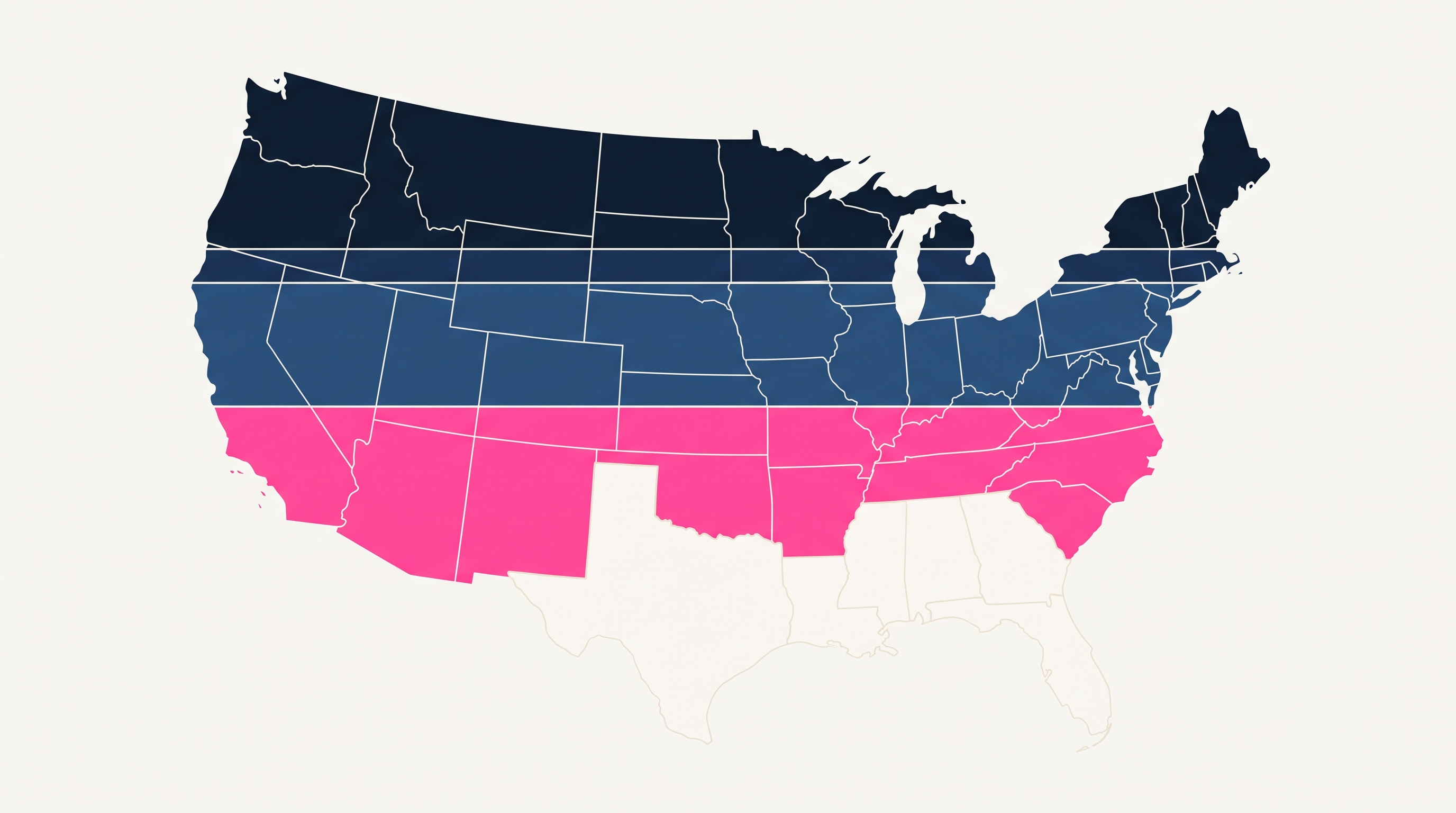
The key diligence takeaway: a “50‑state” hemp THC portfolio is often a myth. Buyers want a state‑by‑state legality and channel map tied to each SKU and formula.
A common seller narrative used to be: “Federal law defines hemp; therefore states can’t ban these products.” Courts have been less receptive to that framing.
Buyers cite recent federal appellate decisions (including in the 4th and 8th Circuits) that generally support state authority to restrict intoxicating hemp products under state police powers (public health/safety), even when those products fall within the federal “hemp” definition.
Practical implication: if your investment thesis requires winning a preemption argument, buyers will treat it as litigation optionality, not base‑case value.
Even when a product is “legal to sell,” the claims can create material risk. Diligence teams now include a mini “consumer protection audit” because:
Start with FTC business guidance and enforcement updates: https://www.ftc.gov/ and NAD case library overview: https://bbbprograms.org/programs/nad
Below is a diligence checklist structured the way buyers and their counsel/compliance consultants typically run it.
Buyers increasingly request a SKU legality matrix that answers:
In 2025, diligence teams ask not only “is it legal?” but “will it still be legal in 6–18 months?” They run formula stress tests against:
Buyers have learned that a PDF COA is not a compliance system.
If you import inputs (e.g., distillate, isolates, minor cannabinoids, terpenes), buyers examine import compliance and FDA‑adjacent controls.
Reference FDA’s FSVP overview: https://www.fda.gov/food/food-safety-modernization-act-fsma/foreign-supplier-verification-programs-fsvp
Buyers now treat marketing as a regulatory asset—or liability.
Reference FTC advertising substantiation principles: https://www.ftc.gov/business-guidance/advertising-marketing
A major diligence failure point is shipping operations that treat intoxicating hemp products like ordinary consumer goods.
USPS guidance on mailing hemp (documentation requirements) is a baseline reference: https://pe.usps.com/text/pub52/pub52c4_019.htm
Buyers treat contracts as a compliance artifact.
A “policy in force” can still be functionally useless.
Recalls and complaint handling are central to valuation because they predict future enforcement and litigation.
In 2025 M&A, buyers tend to convert diligence findings into three buckets:
Typical buyer response: terminate, or require major restructuring and re‑papering before signing.
Typical buyer response: reduce EBITDA multiple, lower earn‑out ceilings, or discount projections.
Typical buyer response: special indemnity + escrow, or representation and warranty insurance with carved‑out exclusions.
If you are on the sell‑side, the best time to fix compliance is before buyers find it.
A high‑quality data room improves speed and valuation. Include:
If you’re acquiring or preparing to sell a hemp‑derived THC business, you need a living system—state tracking, SKU legality mapping, label governance, testing oversight, and shipping controls.
Use https://cannabisregulations.ai/ to monitor fast‑moving U.S. rules, build a defensible compliance program, and stay ready for diligence—so compliance becomes a valuation enhancer, not a deal risk.
Deal volume in hemp‑derived THC rebounded in 2025, but the underwriting playbook changed. Buyers are no longer valuing brands purely on revenue multiples and “distribution velocity.” They’re valuing them on regulatory survivability: can your SKU set legally stay on shelves across the U.S. as state caps, channel restrictions, and enforcement expand?
In 2024–2025, multiple states tightened rules for intoxicating hemp products (commonly including delta‑8 THC and “converted” cannabinoids). California moved to restrict intoxicating hemp products in general retail through state public‑health action, and federal appellate courts in the 4th and 8th Circuits added momentum by affirming that states can impose restrictions even where federal law defines “hemp.” Buyers now routinely discount portfolios with:
This post provides an M&A‑grade hemp THC M&A due diligence 2025 checklist—what sophisticated buyers are requesting, where sellers commonly fail, and how to remediate issues before an LOI so you preserve valuation.
Informational only—not legal advice.
Three forces converged:
States increasingly distinguish between non‑intoxicating hemp items and intoxicating hemp products (often defined by total THC per serving/package, or by the presence of certain isomers/synthetic/conversion processes).
The key diligence takeaway: a “50‑state” hemp THC portfolio is often a myth. Buyers want a state‑by‑state legality and channel map tied to each SKU and formula.
A common seller narrative used to be: “Federal law defines hemp; therefore states can’t ban these products.” Courts have been less receptive to that framing.
Buyers cite recent federal appellate decisions (including in the 4th and 8th Circuits) that generally support state authority to restrict intoxicating hemp products under state police powers (public health/safety), even when those products fall within the federal “hemp” definition.
Practical implication: if your investment thesis requires winning a preemption argument, buyers will treat it as litigation optionality, not base‑case value.
Even when a product is “legal to sell,” the claims can create material risk. Diligence teams now include a mini “consumer protection audit” because:
Start with FTC business guidance and enforcement updates: https://www.ftc.gov/ and NAD case library overview: https://bbbprograms.org/programs/nad
Below is a diligence checklist structured the way buyers and their counsel/compliance consultants typically run it.
Buyers increasingly request a SKU legality matrix that answers:
In 2025, diligence teams ask not only “is it legal?” but “will it still be legal in 6–18 months?” They run formula stress tests against:
Buyers have learned that a PDF COA is not a compliance system.
If you import inputs (e.g., distillate, isolates, minor cannabinoids, terpenes), buyers examine import compliance and FDA‑adjacent controls.
Reference FDA’s FSVP overview: https://www.fda.gov/food/food-safety-modernization-act-fsma/foreign-supplier-verification-programs-fsvp
Buyers now treat marketing as a regulatory asset—or liability.
Reference FTC advertising substantiation principles: https://www.ftc.gov/business-guidance/advertising-marketing
A major diligence failure point is shipping operations that treat intoxicating hemp products like ordinary consumer goods.
USPS guidance on mailing hemp (documentation requirements) is a baseline reference: https://pe.usps.com/text/pub52/pub52c4_019.htm
Buyers treat contracts as a compliance artifact.
A “policy in force” can still be functionally useless.
Recalls and complaint handling are central to valuation because they predict future enforcement and litigation.
In 2025 M&A, buyers tend to convert diligence findings into three buckets:
Typical buyer response: terminate, or require major restructuring and re‑papering before signing.
Typical buyer response: reduce EBITDA multiple, lower earn‑out ceilings, or discount projections.
Typical buyer response: special indemnity + escrow, or representation and warranty insurance with carved‑out exclusions.
If you are on the sell‑side, the best time to fix compliance is before buyers find it.
A high‑quality data room improves speed and valuation. Include:
If you’re acquiring or preparing to sell a hemp‑derived THC business, you need a living system—state tracking, SKU legality mapping, label governance, testing oversight, and shipping controls.
Use https://cannabisregulations.ai/ to monitor fast‑moving U.S. rules, build a defensible compliance program, and stay ready for diligence—so compliance becomes a valuation enhancer, not a deal risk.