
Lab Testing & QA
Topic
Cannabis lab testing and QA requirements
State testing mandates for cannabis and hemp products, from potency and contaminant panels to lab accreditation and batch failure rules. Built for processors, brands and QA managers who need to know what each state requires before product reaches a shelf.














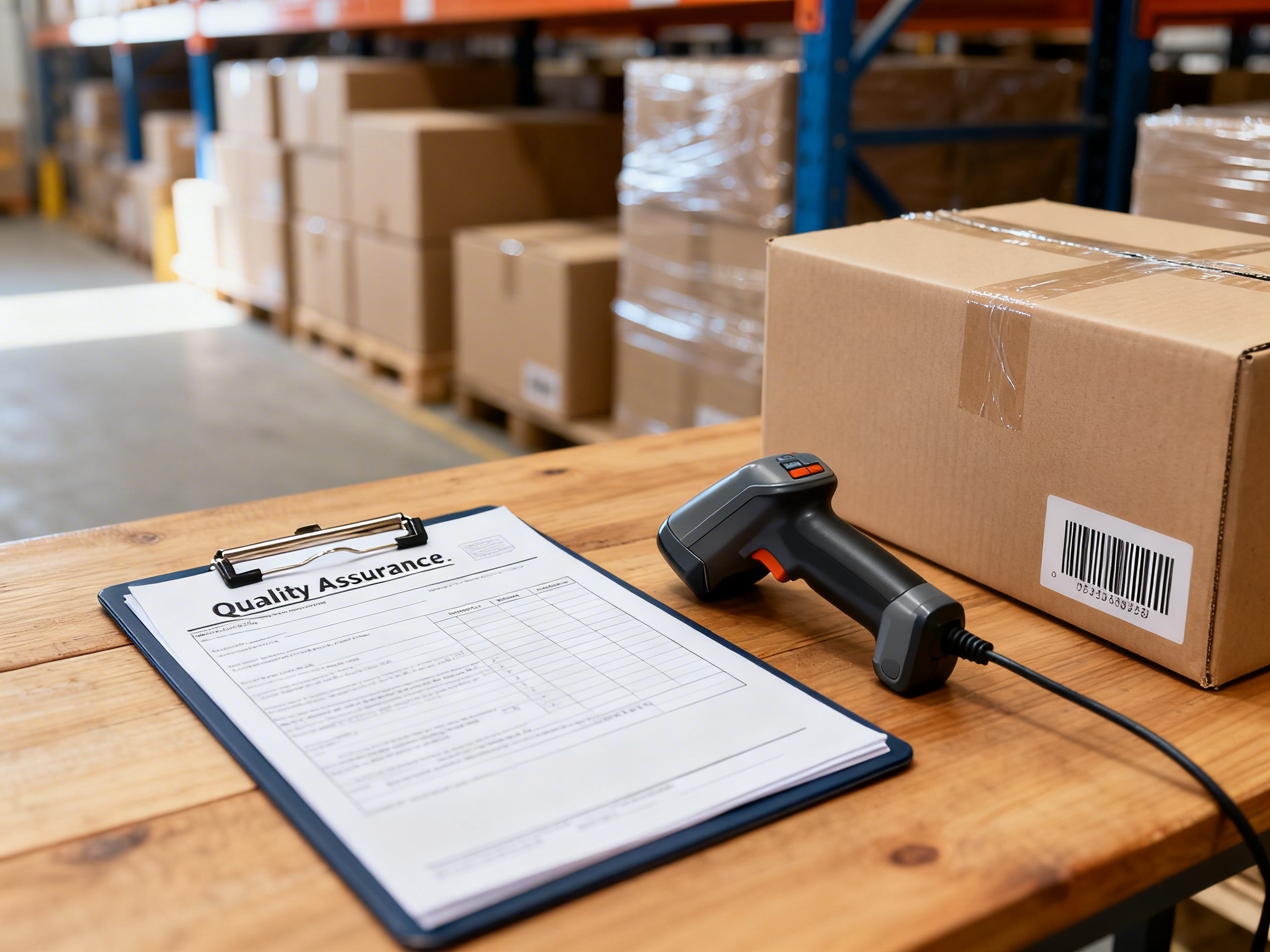
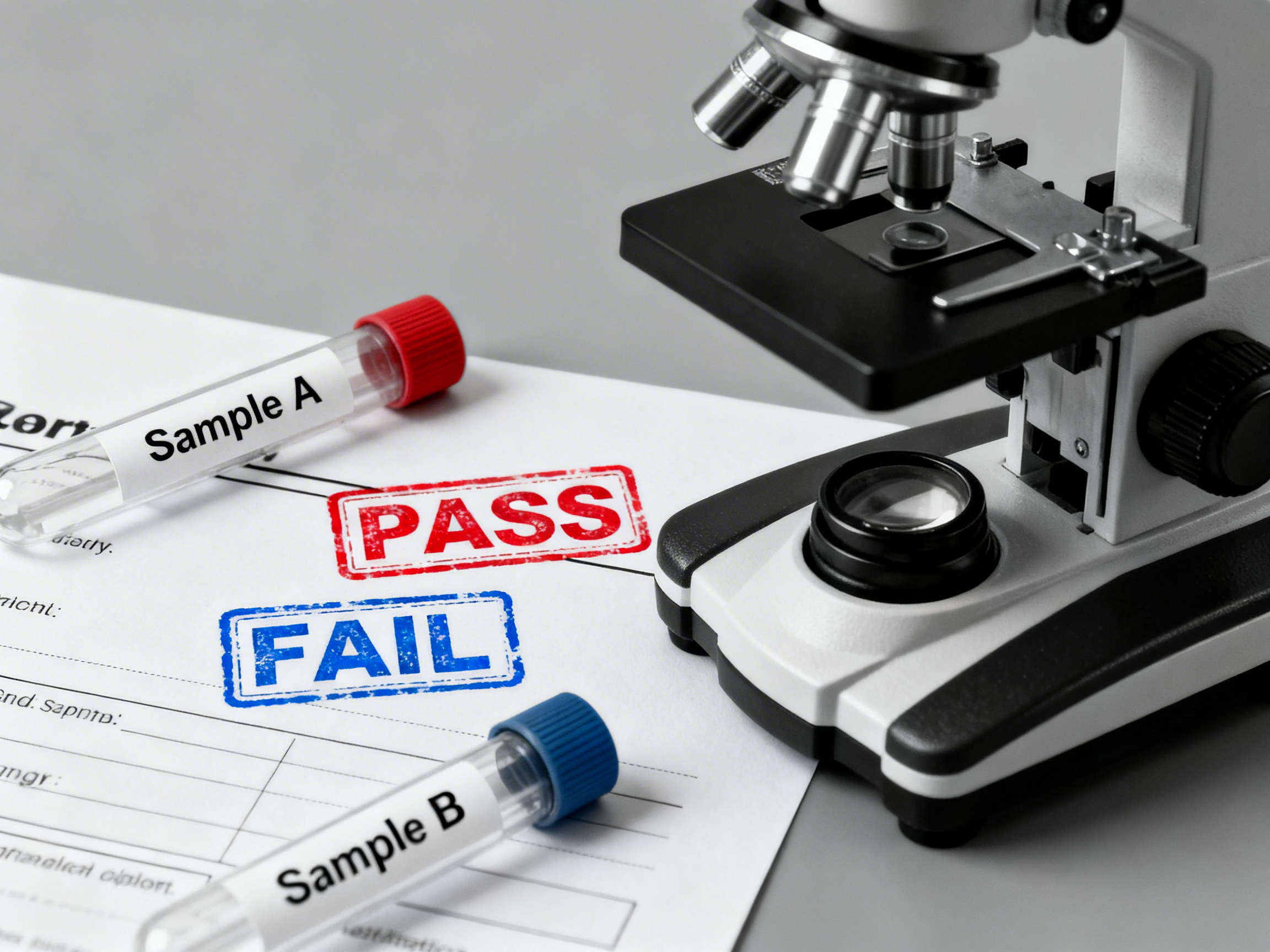


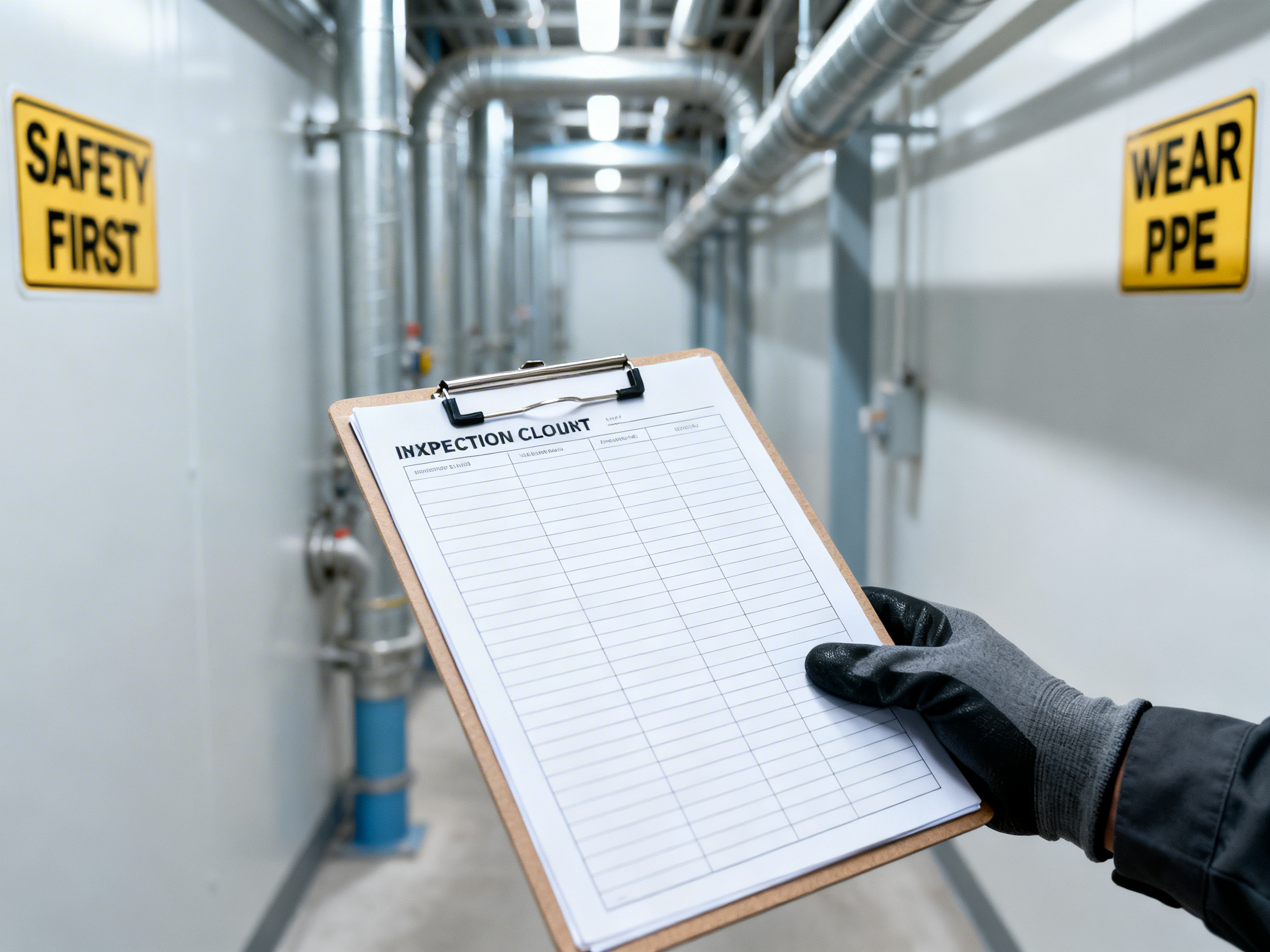
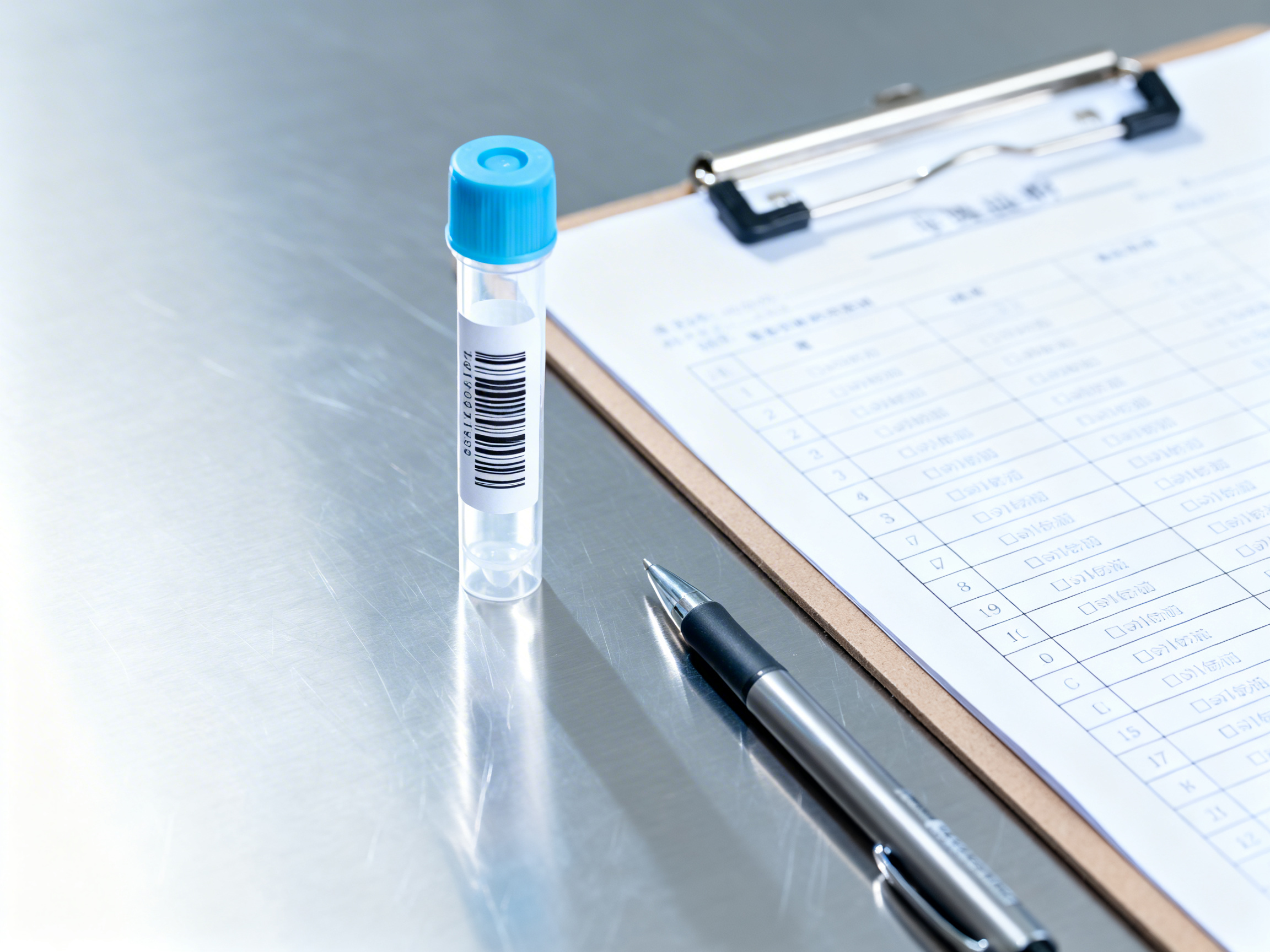
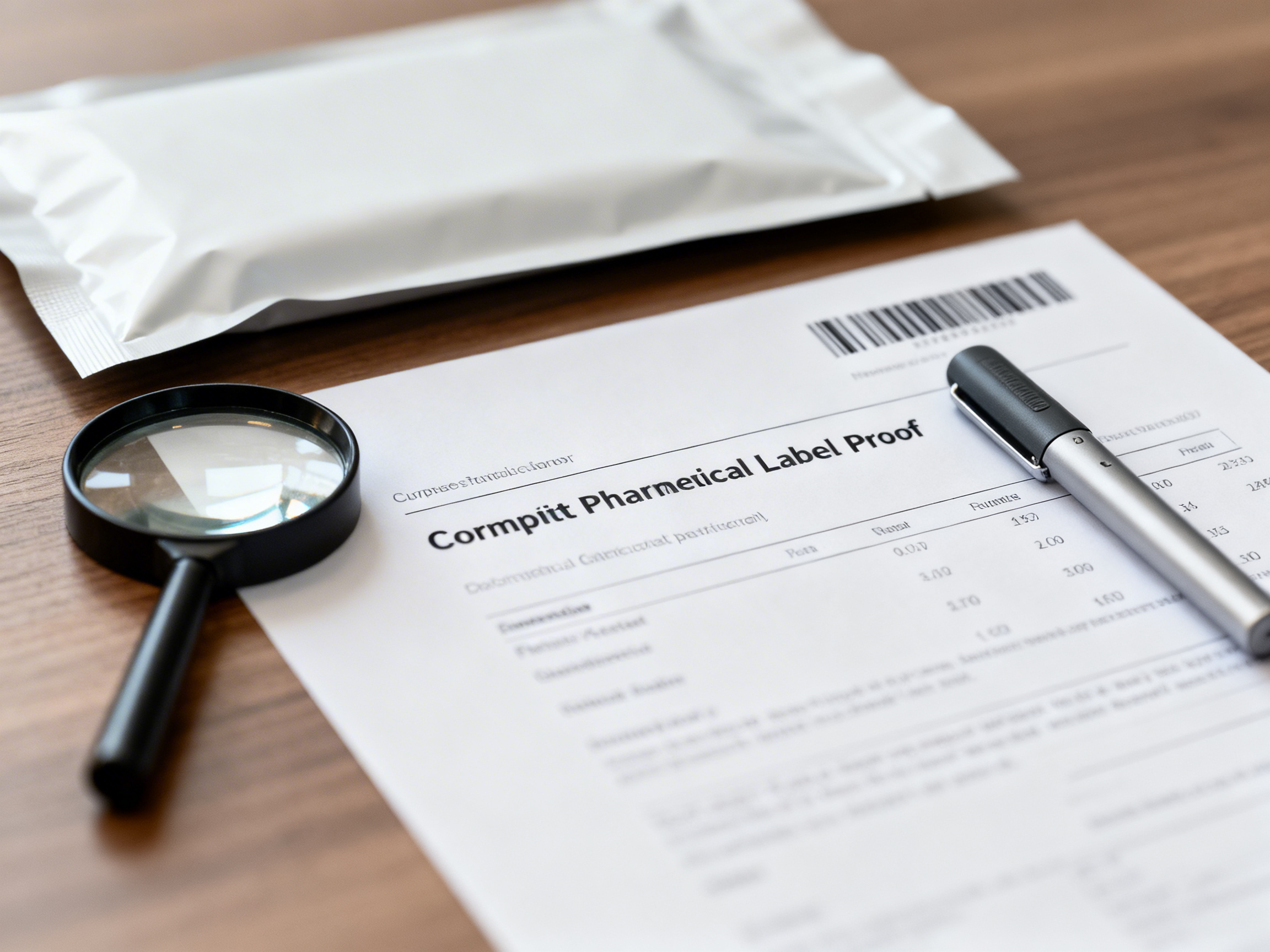

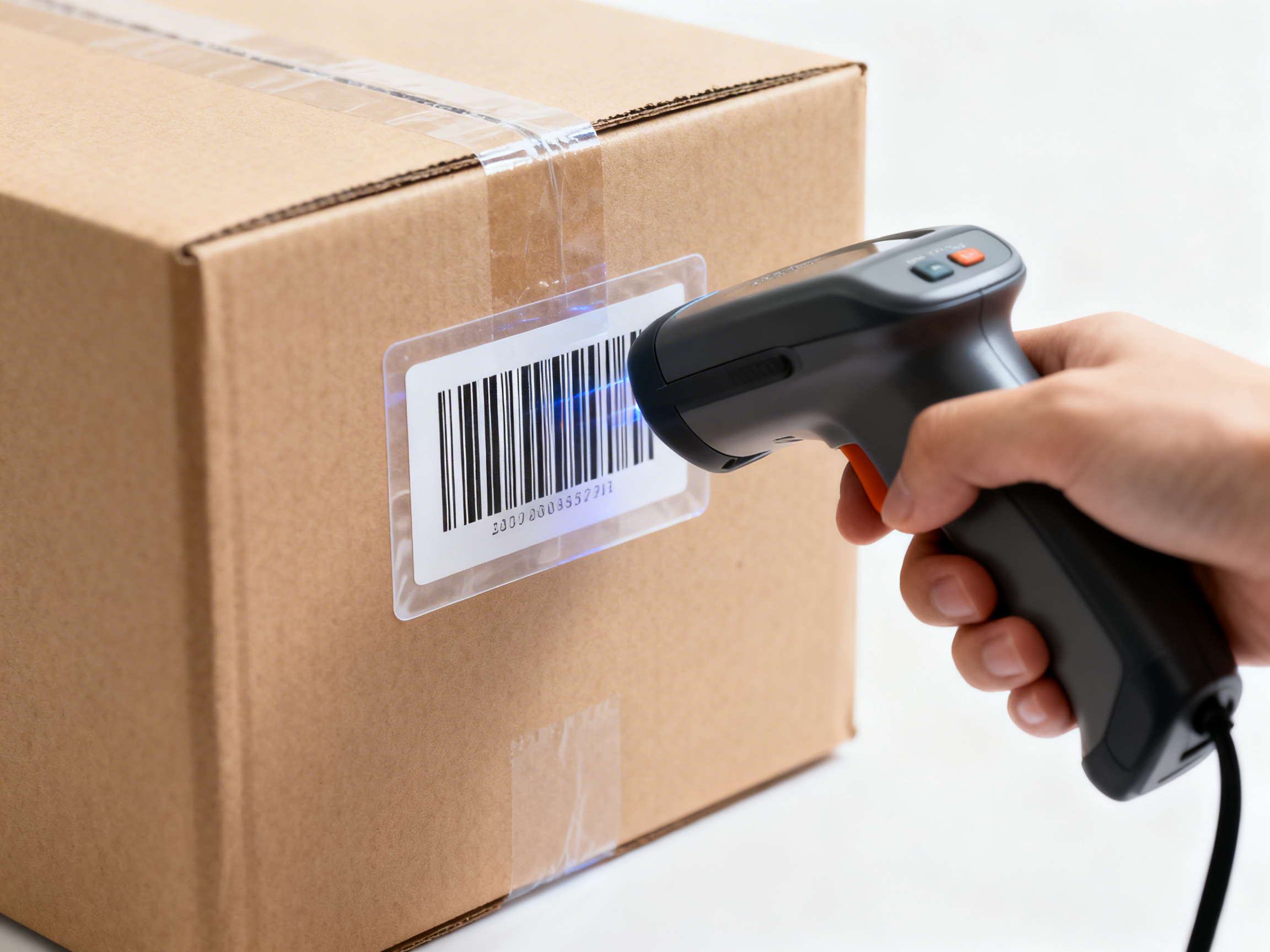
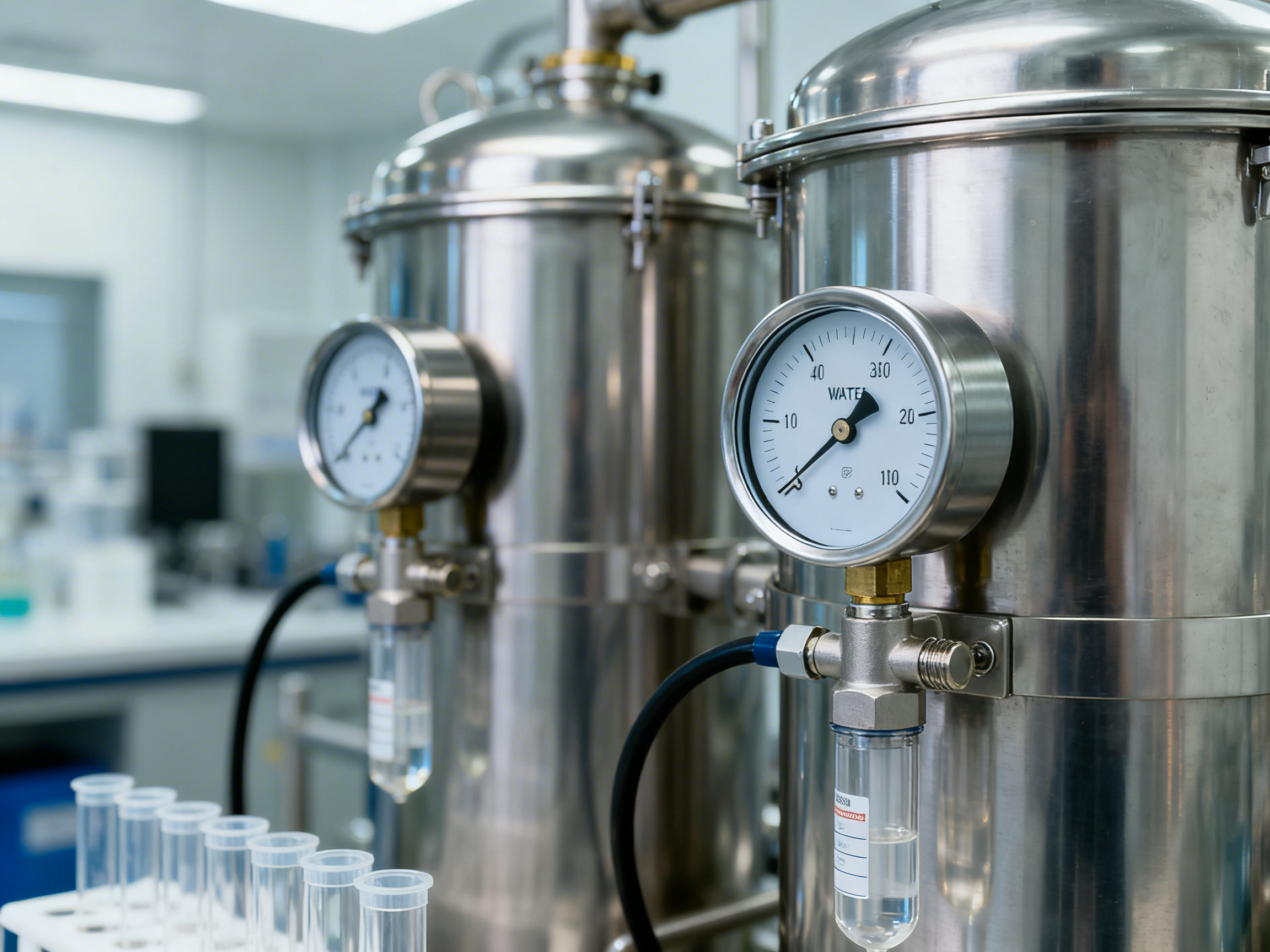


About our lab testing and QA coverage
Every state with a regulated cannabis market requires some form of third-party lab testing, but the required panels, action limits and sampling methods differ widely. Hemp products face a separate framework centered on THC concentration, with finished-product testing rules that vary by state. Labs themselves are regulated through licensing, accreditation and proficiency programs.
We cover new testing rules, changes to action limits, lab license suspensions, recalls tied to failed tests and efforts to standardize methods across states. Posts link to the regulation, bulletin or recall notice they describe, so QA teams can read the exact requirement.
Testing rules also shape product formulation and shelf life. A change in an action limit or a newly required analyte can take products off shelves until they are reformulated or retested, so we flag effective dates and transition periods wherever the regulator publishes them.
What you will find
- Required test panels for potency, pesticides, heavy metals, microbials and solvents
- Lab licensing, ISO accreditation and proficiency testing
- Sampling procedures and chain of custody rules
- Remediation and retest rules for failed batches
- Recalls and enforcement tied to inflated potency or contamination
Frequently asked questions
What do states typically test cannabis products for?
Most states require potency, pesticides, heavy metals, microbial contaminants, mycotoxins and residual solvents for extracted products. Some add moisture content, foreign matter and terpene profiles. Panels and limits vary by state.
Do hemp products need to be lab tested?
Hemp crops are tested for THC content under federal and state hemp programs. Finished hemp products such as gummies and vapes are tested only where state law requires it, and those requirements are expanding.
What happens when a batch fails a test?
It depends on the state and the failure type. Some states allow remediation and retesting for certain failures, others require destruction. Potency failures are often handled differently from contaminant failures.
Is this legal advice?
No. Our coverage is general information drawn from public sources, not legal advice. For a specific situation, talk to a lawyer licensed in the relevant jurisdiction. If you spot an error, let us know through the contact page.
The Regulator Brief
Every hemp and THC rule change, every Monday
One email a week covering new laws, agency rules and court rulings across US states and the countries we track.