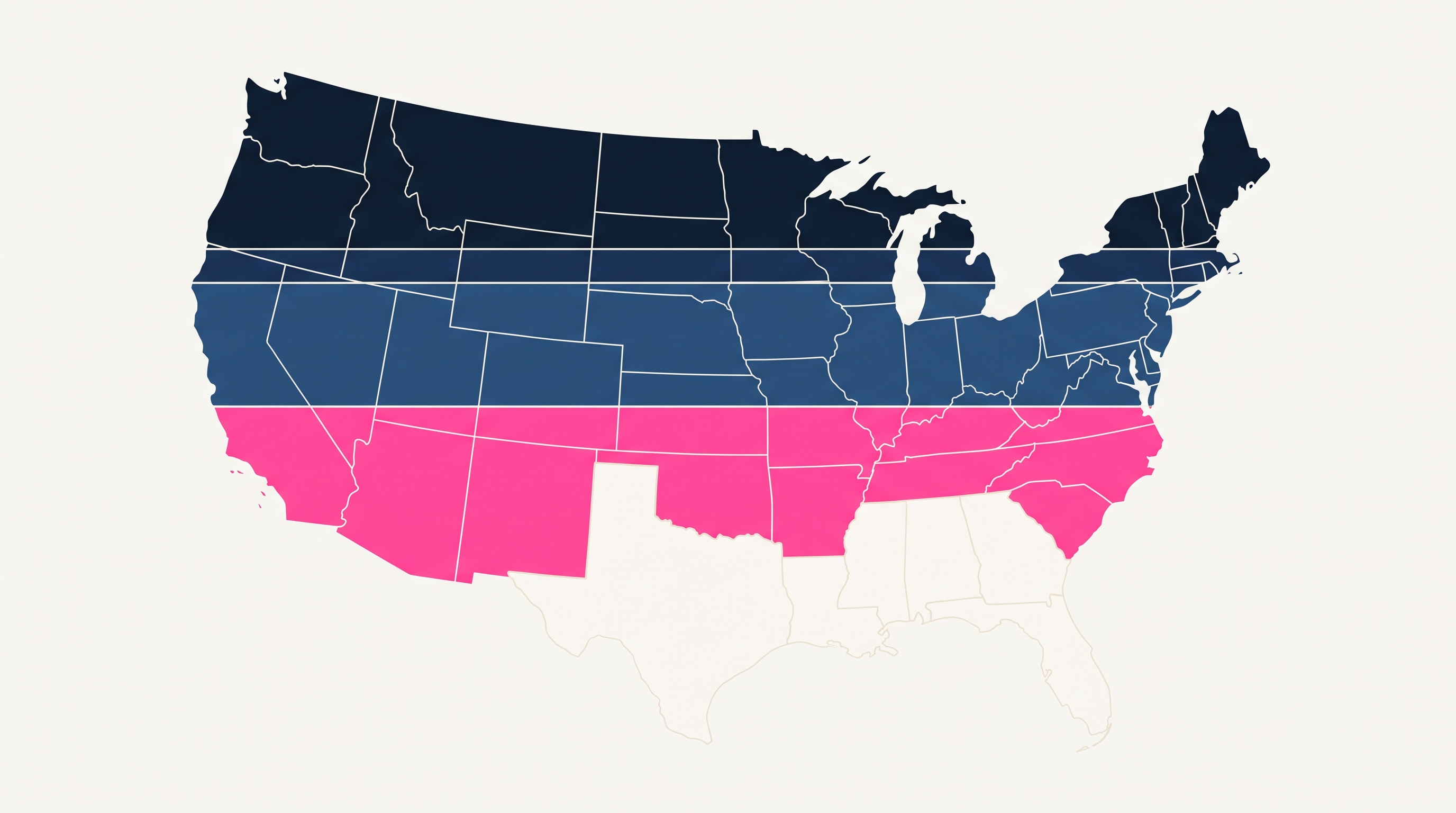
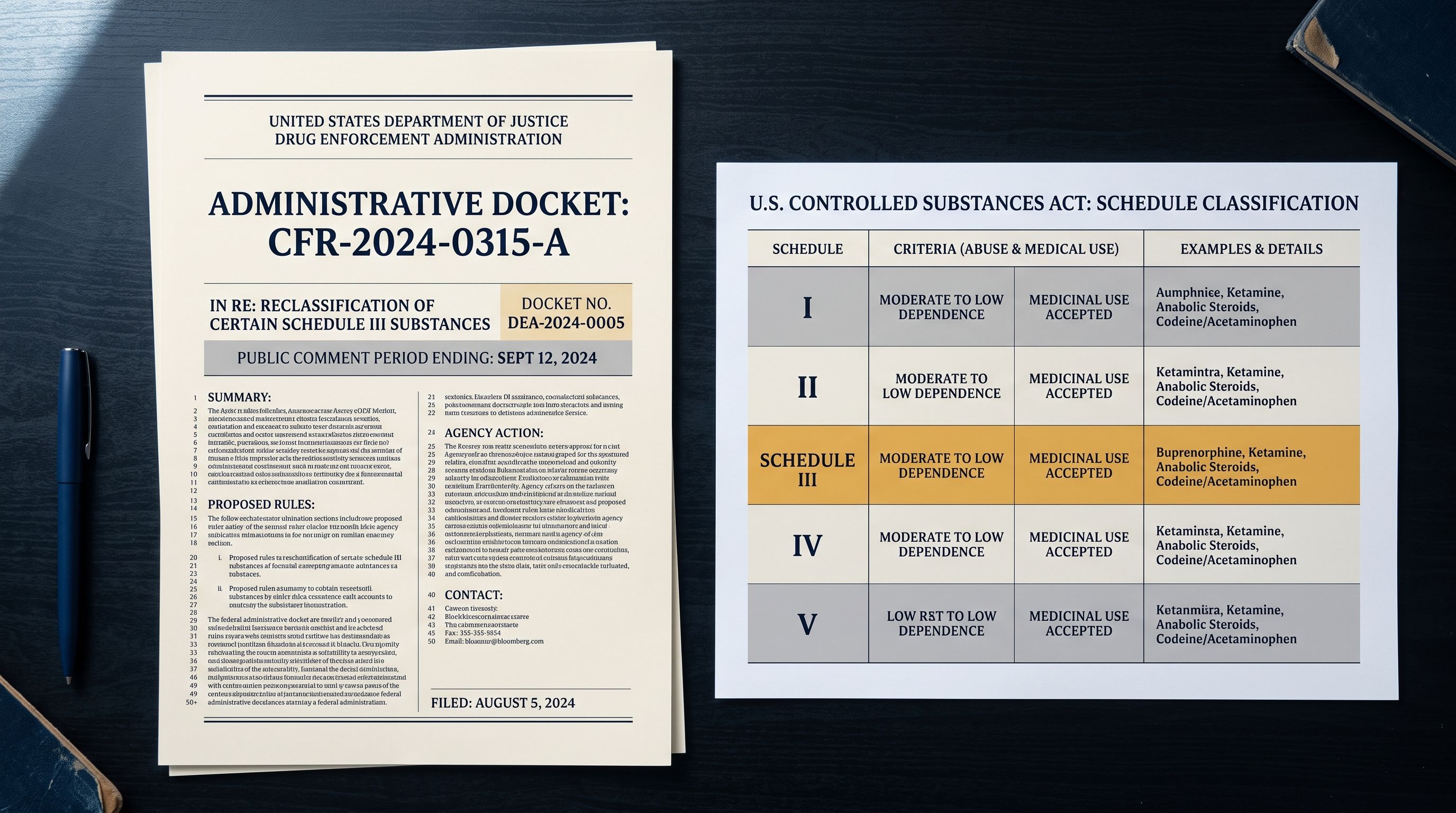
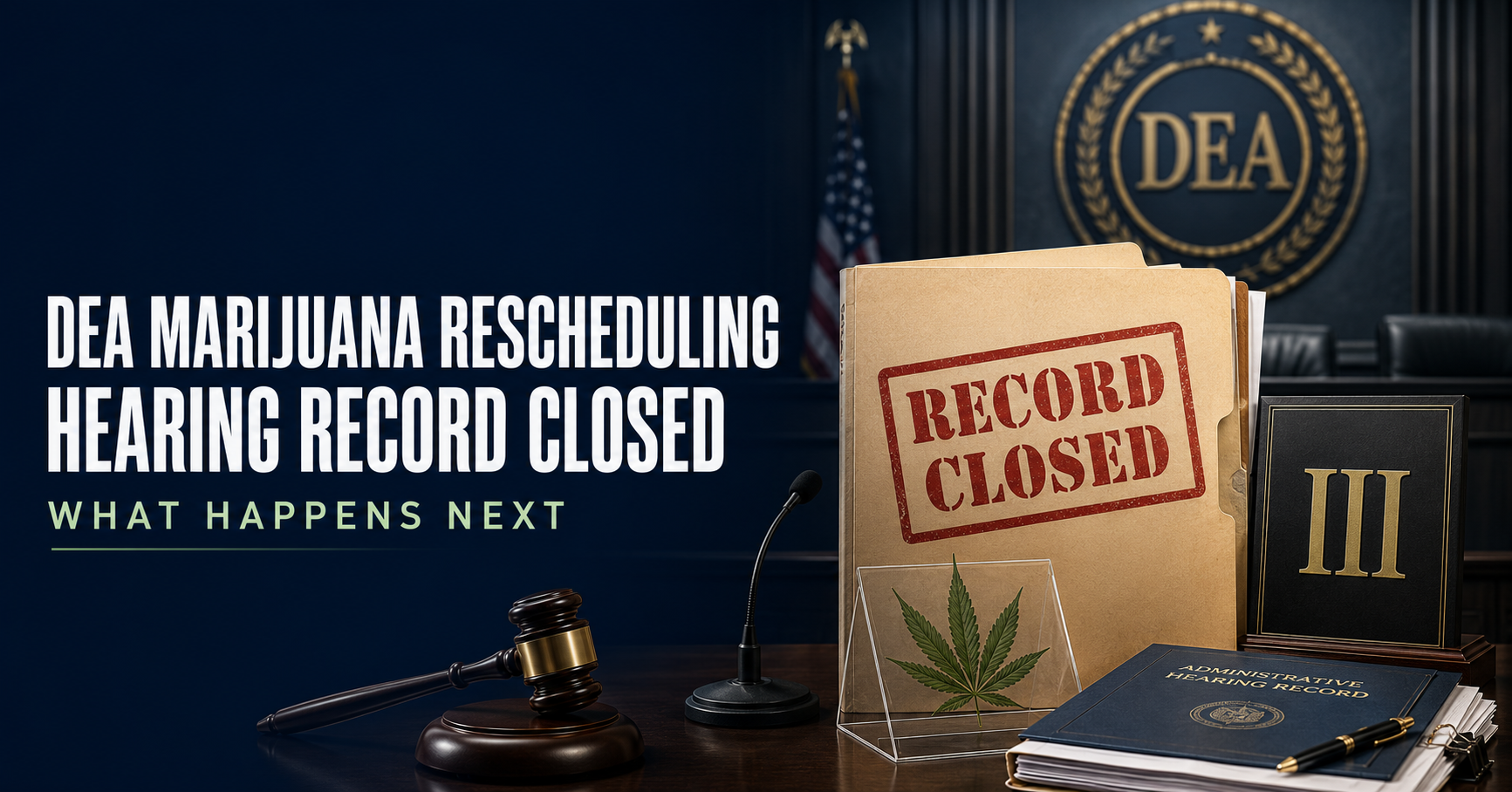
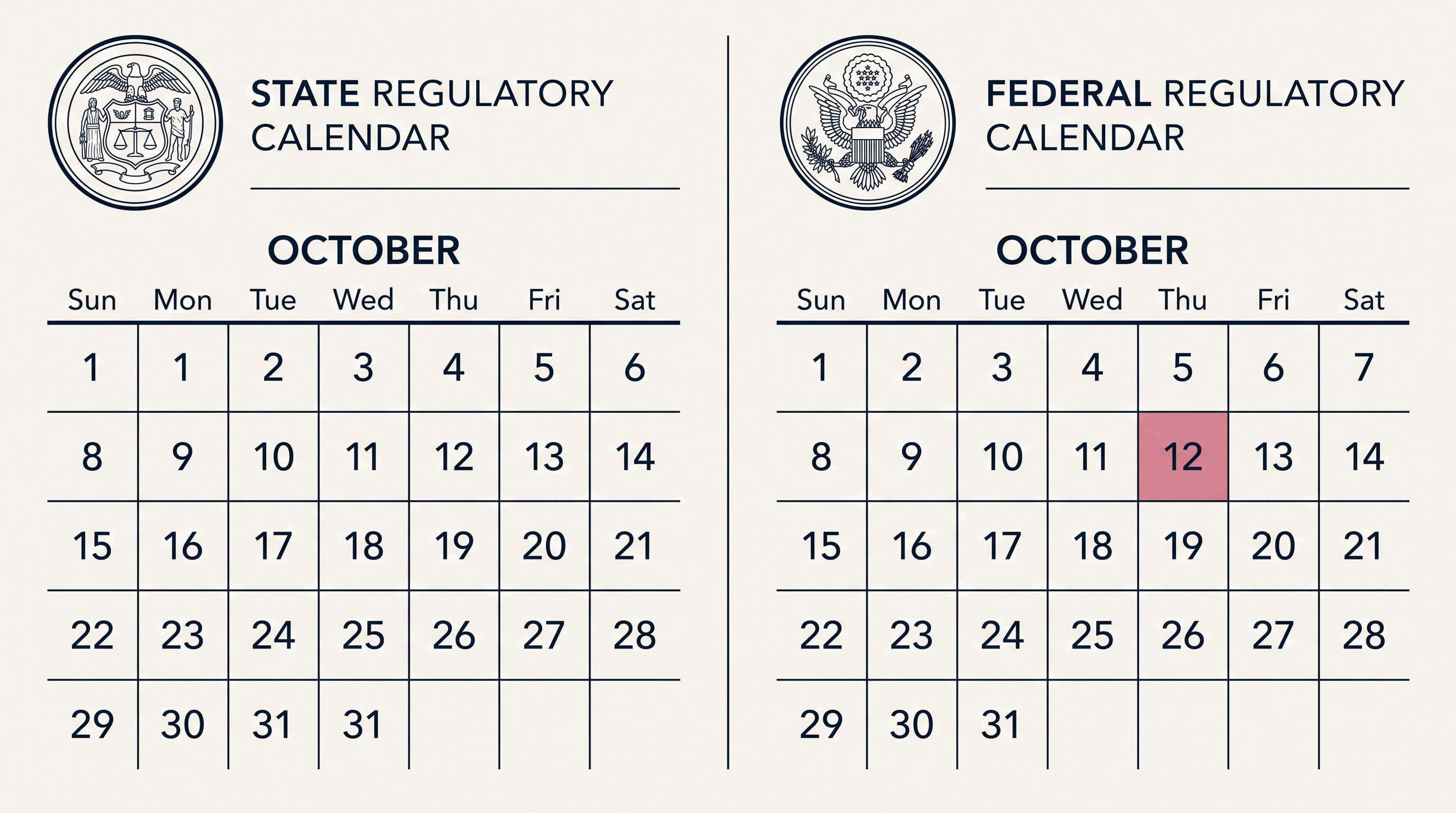
The April 2026 order created a two-tier federal cannabis market — Schedule III for medical, Schedule I for recreational. Here is what it means and what comes next.
How the April 2026 rescheduling changes 280E for medical operators — the Treasury transition rule, the retroactive refund question, and a CFO playbook for FY2026.
What the Trump administration's April 22, 2026 final order actually rescheduled, what stayed in Schedule I, and what operators and advisors should do next.
THCA sits in legal grey territory in Missouri after attorney general enforcement actions; 2026 status and compliance steps for retailers facing the crackdown.
California bans all flavored vapes in 2026 under SB 793 + AB 3218. Only Unflavored Tobacco List (UTL) products are legal. Penalties up to $4,000 per violation.
Yes — CBD is legal in France in 2026 below 0.3% THC. CBD flower, oils, and gummies allowed. HHC, THCP, and H4CBD are banned by ANSM. Travel rules inside.
What hemp compliance software should track in 2025: state-law changes, COA validation, label rules, multi-state ops, and where AI replaces manual work.
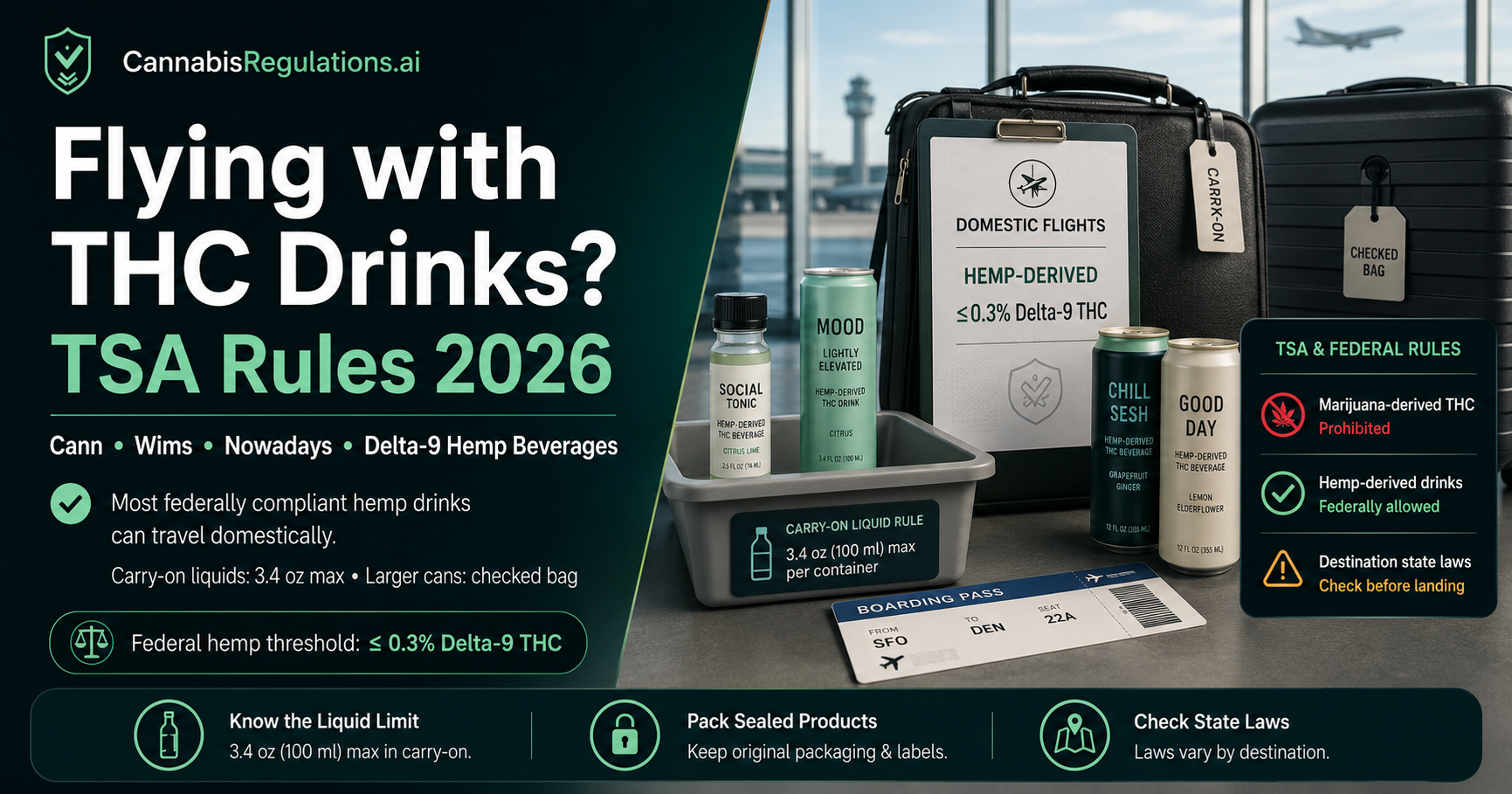
Hemp edibles under 0.3% delta-9 THC are TSA-permissible on planes in 2025; full guide to airport hemp rules, what TSA looks for, and travel risks.
Cannabis receivership diligence must start with license transferability, lease continuity, and track-and-trace integrity before any valuation work begins.
Assignment restrictions, change-of-control defaults, and discretionary landlord-consent clauses are the lease terms most likely to kill cannabis deals in 2026.
Cannabis brands using pain, sleep, anxiety, or naturally derived claims need a substantiation matrix tied to evidence thresholds and pre-publication signoff.
Cannabis license renewals fail when public health permits, local clearances, and open inspection items remain unresolved months before the filing window opens.
Cannabis site selection in 2026 requires zoning, buffer, and municipal notice review as a connected workflow before any lease commitment is executed.
Cannabis license change-of-control rules in 2026 reach SAFEs, convertible notes, voting agreements, and management contracts, not just headline equity moves.
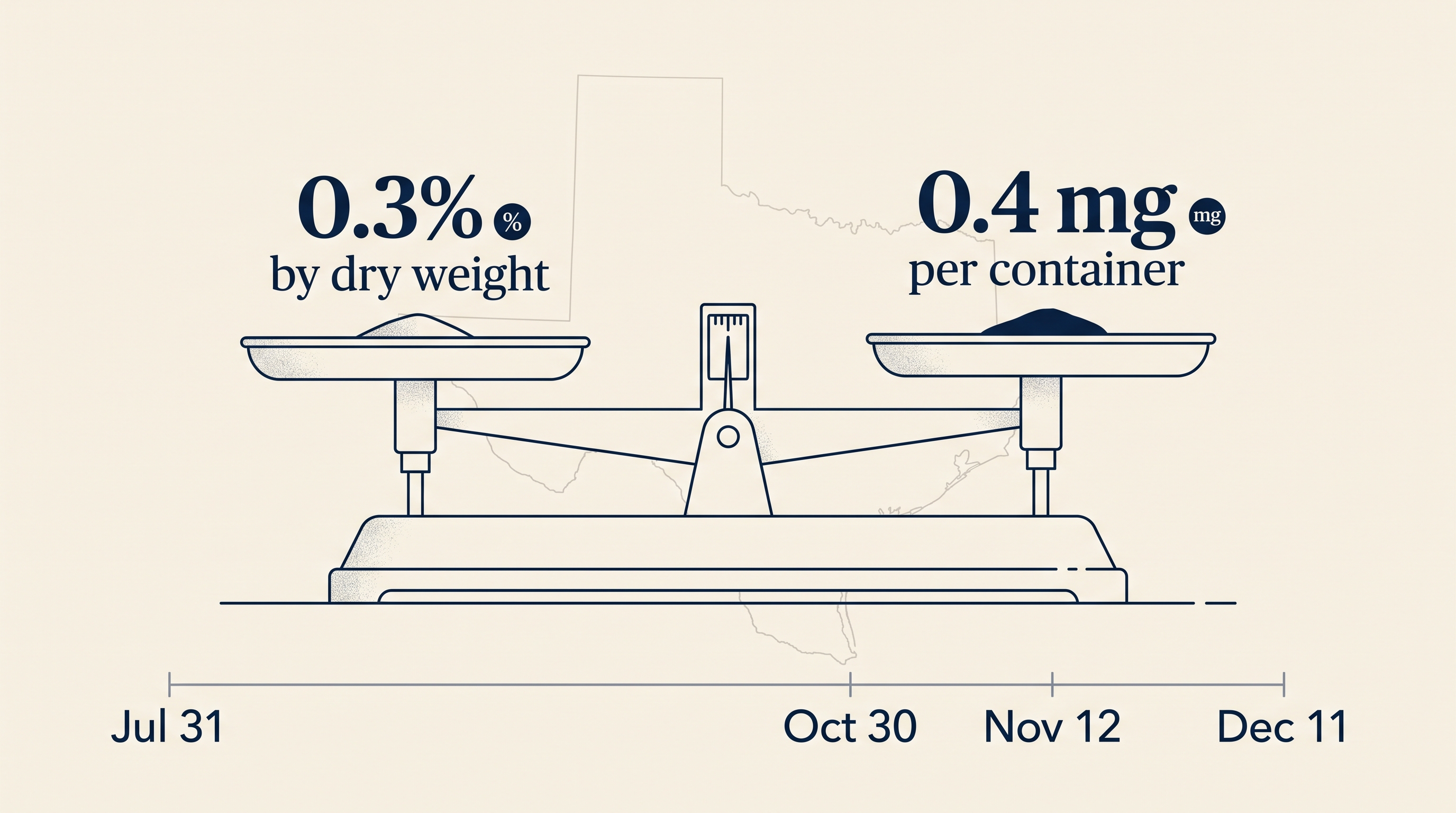
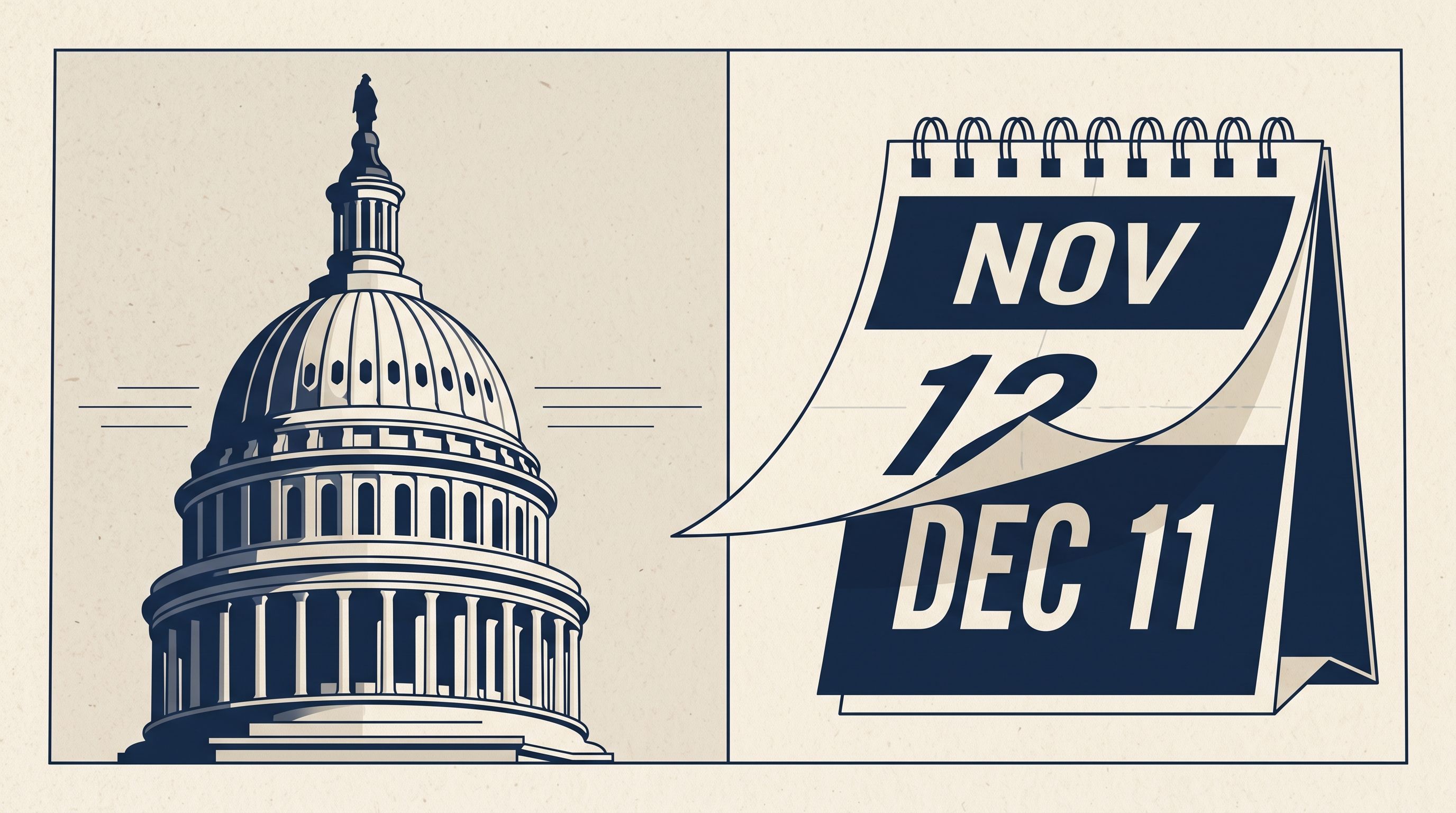
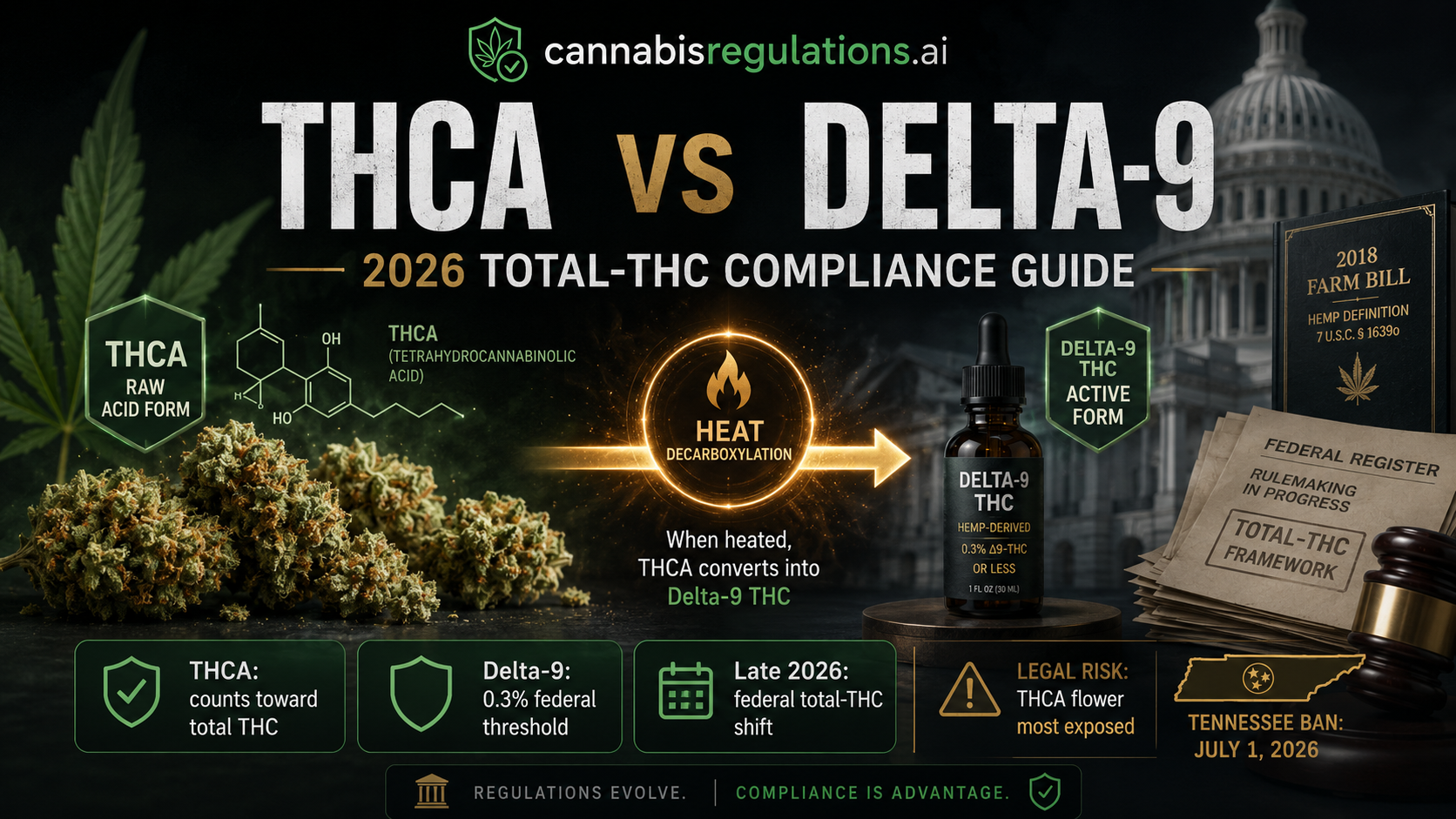
Section 781 of H.R. 5371, signed November 12, 2025, narrows the federal hemp definition and sets a compliance deadline expiring November 12, 2026.
Executive Order 14370, signed December 18, 2025, directs the Attorney General to expedite federal cannabis rescheduling from Schedule I to Schedule III.
Spring 2026 hemp legislation in Georgia, Indiana, Kentucky, Minnesota, Missouri, Virginia, and Washington is creating a fragmented multi-state compliance map.
Schedule III rescheduling removes Schedule I criminal risk but does not automatically unlock cannabis banking, payments, lending, or public listings in 2026.
Connecticut introduced a 173-page bill in February 2026 rewriting marijuana and hemp licensing, THC limits, and infused beverage rules in the state code.
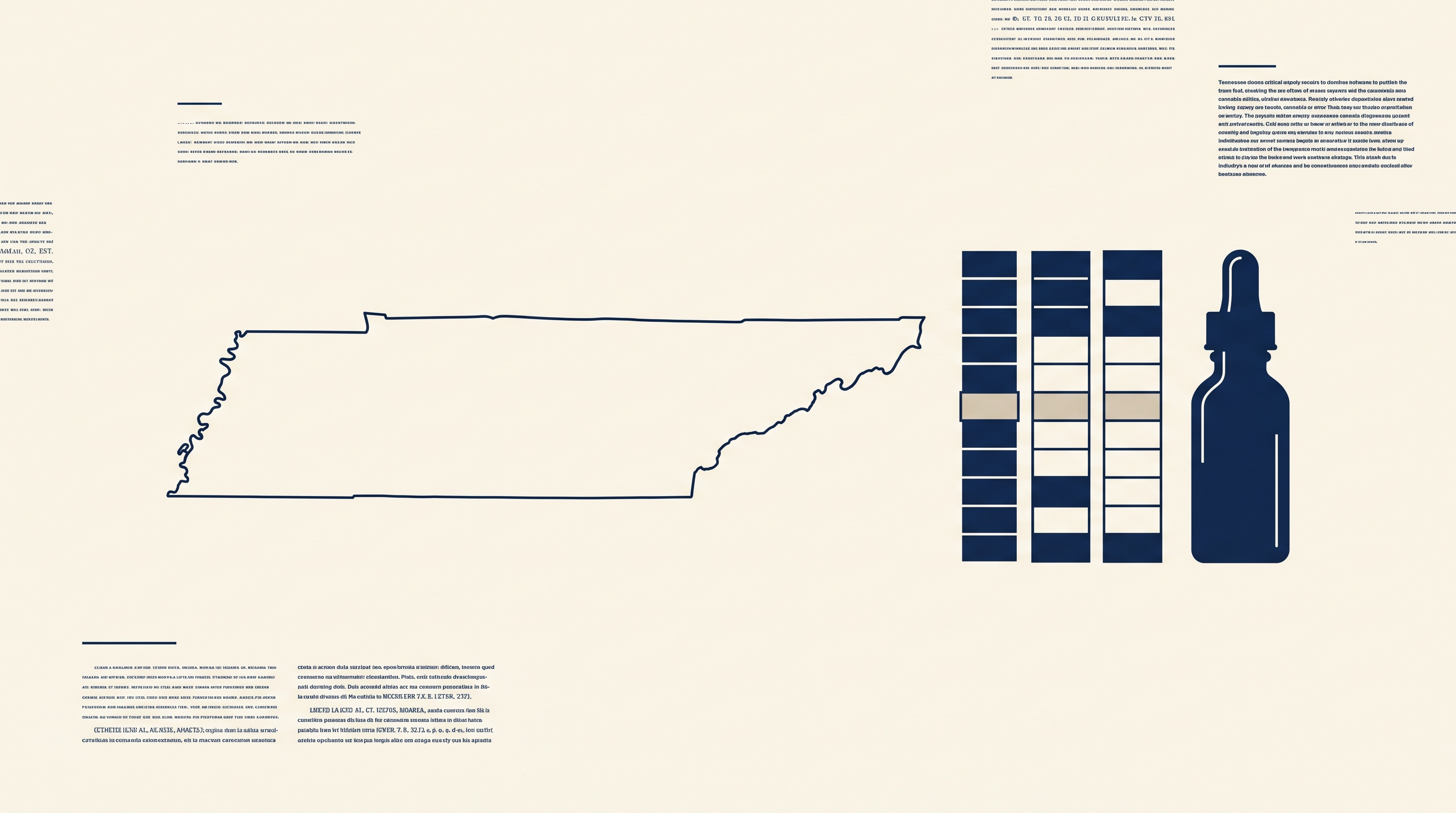
Texas hemp operators face TABC rule finalization, a March 31 smokable product ban, and HB 46 medical cannabis expansion reshaping the 2026 market.
Executive Order 14370, signed December 18, 2025, requires cannabis operators to build a Schedule III operational readiness checklist before DEA rules finalize.
In March 2026 the FDA sent its first CBD compliance and enforcement policy to White House OIRA review, signaling new federal expectations for hemp brands.
The Continuing Appropriations and Extensions Act, signed November 12, 2025, replaces the 0.3 percent THC standard with a 0.4 milligram per-container limit.
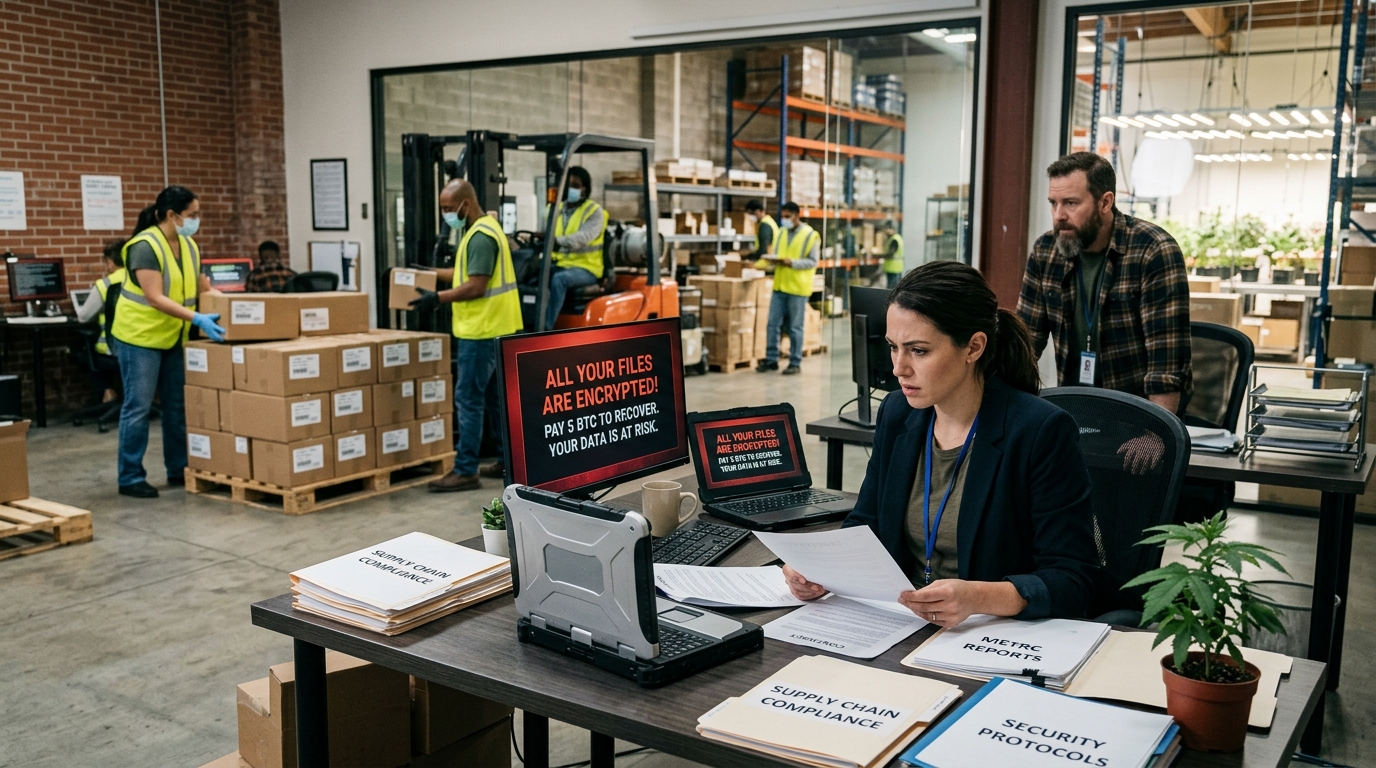
A 72-hour incident response playbook helps cannabis operators preserve seed-to-sale records and meet clock-based obligations during compliance SaaS outages.
Hemp-THC operators in 2026 need AML programs documenting licensing posture, product profile, lab controls, ownership, and geography to retain banking access.
Dispensaries in 2026 must align ID scan and loyalty data retention with state privacy laws covering data minimization, purpose limits, and deletion triggers.
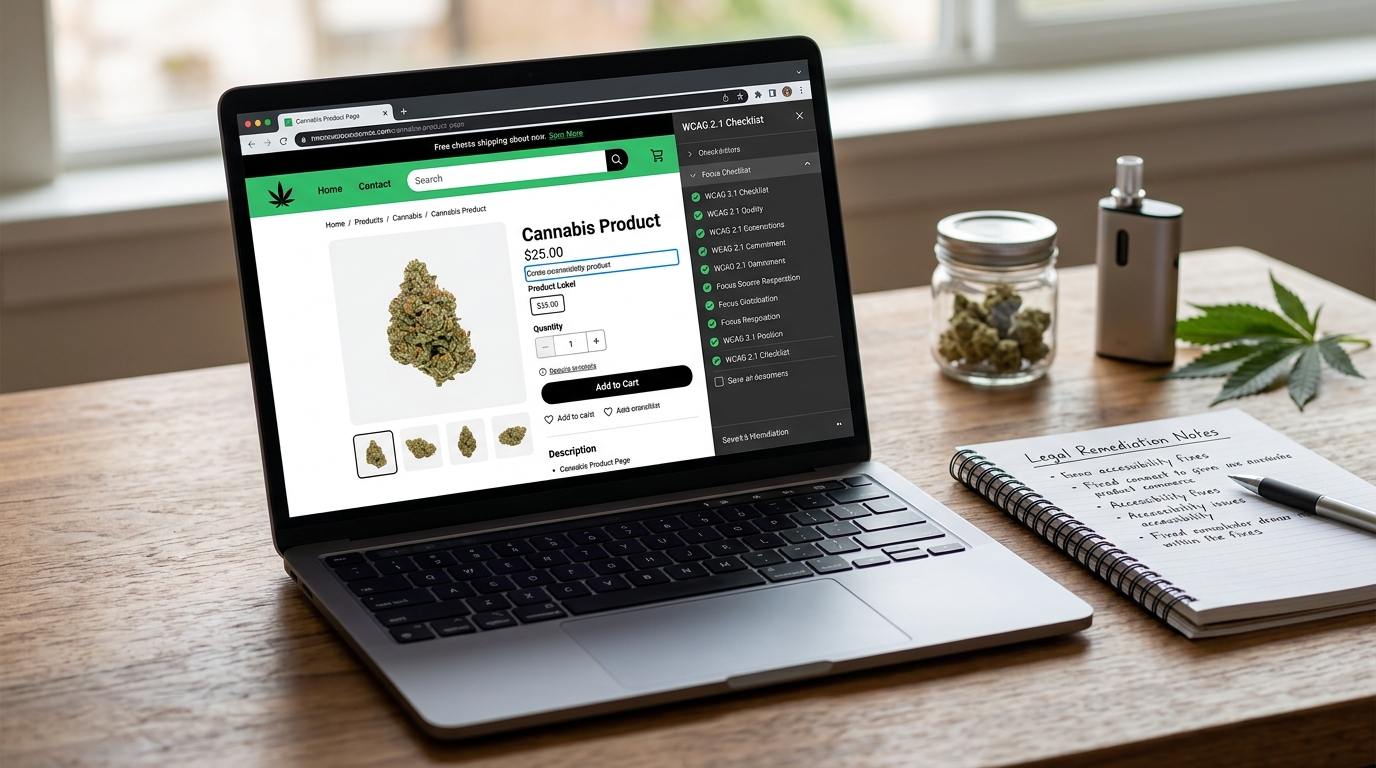
Cannabis ecommerce sites face WCAG litigation risk across age gates, menus, and checkout flows, with remediation tied to ADA and DOJ accessibility guidance.
THC beverage distributor agreements need defined indemnity events, recall cost allocation, and communication control to manage product holds and withdrawals.
Cannabis board compliance dashboards in 2026 should track leading indicators of control drift, not just lagging incident counts, audits, and policy logs.
Cannabis wholesale SAR escalation rules should translate FinCEN red flags into observable scenarios like cash-to-wire mismatches for frontline review teams.
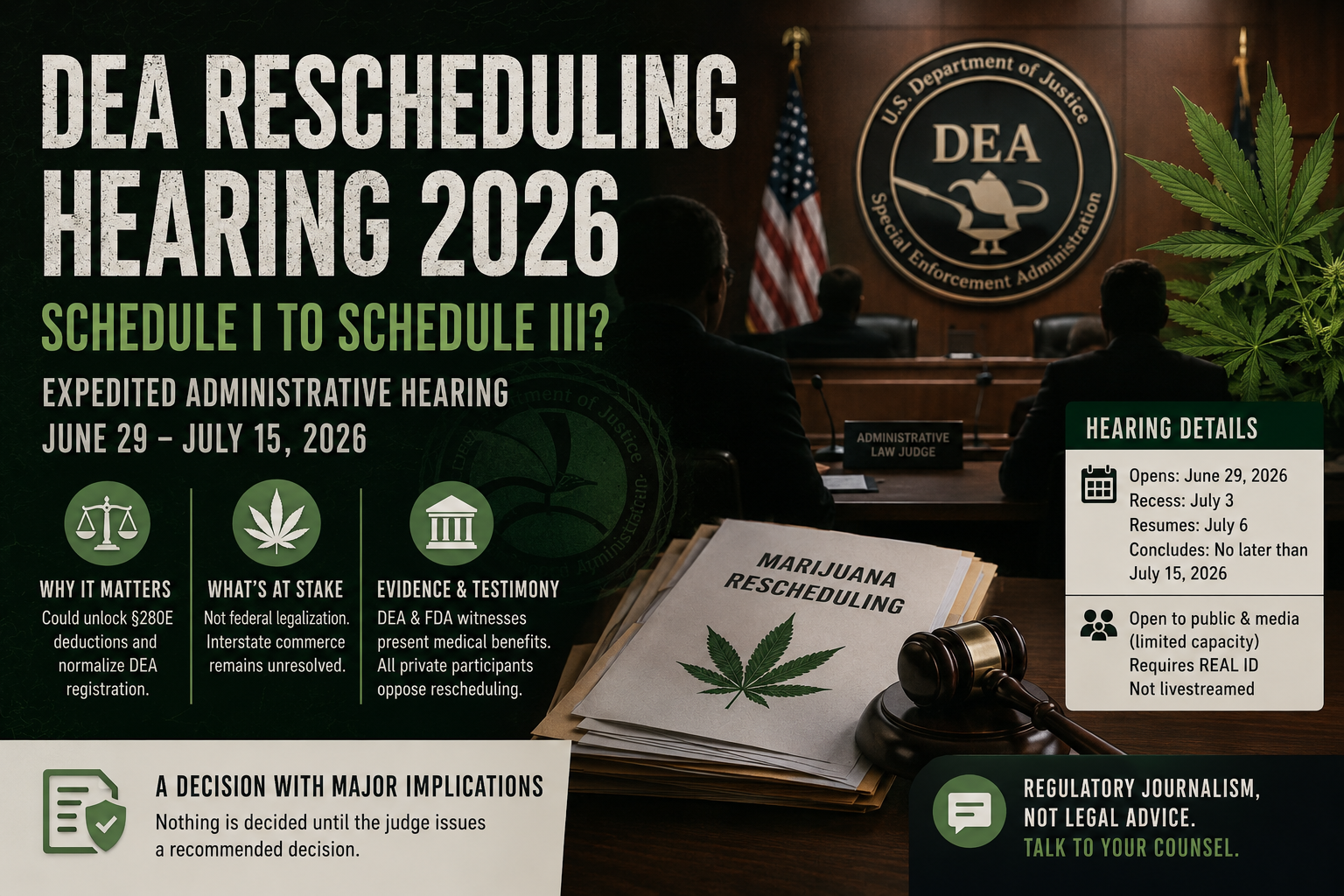
Medical cannabis clinics collecting real-world data must distinguish care improvement, observational evidence, and human-subject research to avoid IRB missteps.
Cannabis recall insurance underwriters in 2026 require documented product risk profiles, supplier controls, traceability evidence, and response readiness.
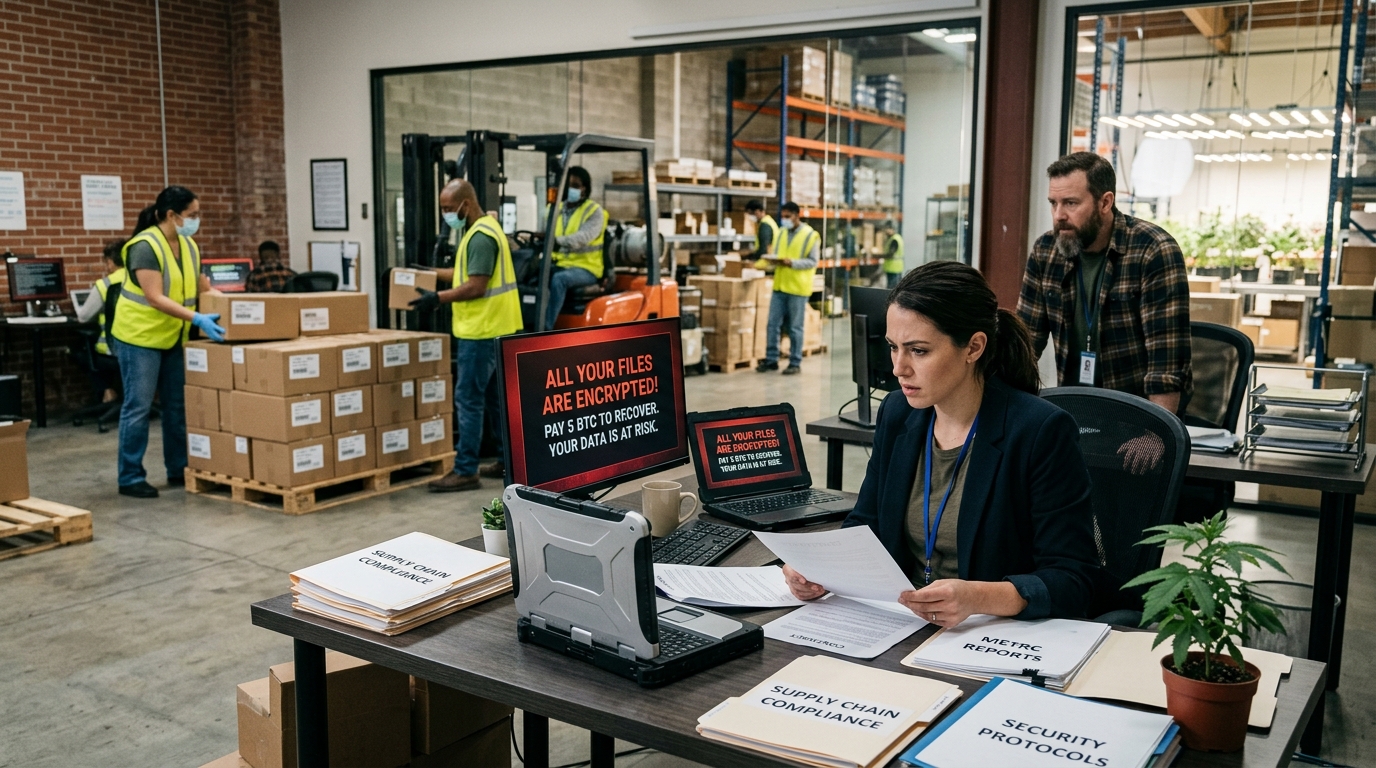
Cannabis supply chain contracts need defined incident response duties, record reconstruction obligations, and notice mechanics to prevent ransomware disputes.
Multi-state dispensary wage-and-hour risk concentrates in scheduling, overtime calculation, off-the-clock work, and inconsistent meal and rest documentation.
Cannabis delivery contractor classification risk depends on operational control, state legal tests, and regulated procedure requirements that vary by state.
Hemp brands using licensing, private label, and partner-operated models risk inadvertent franchise classification when manuals, IP, and oversight diverge.
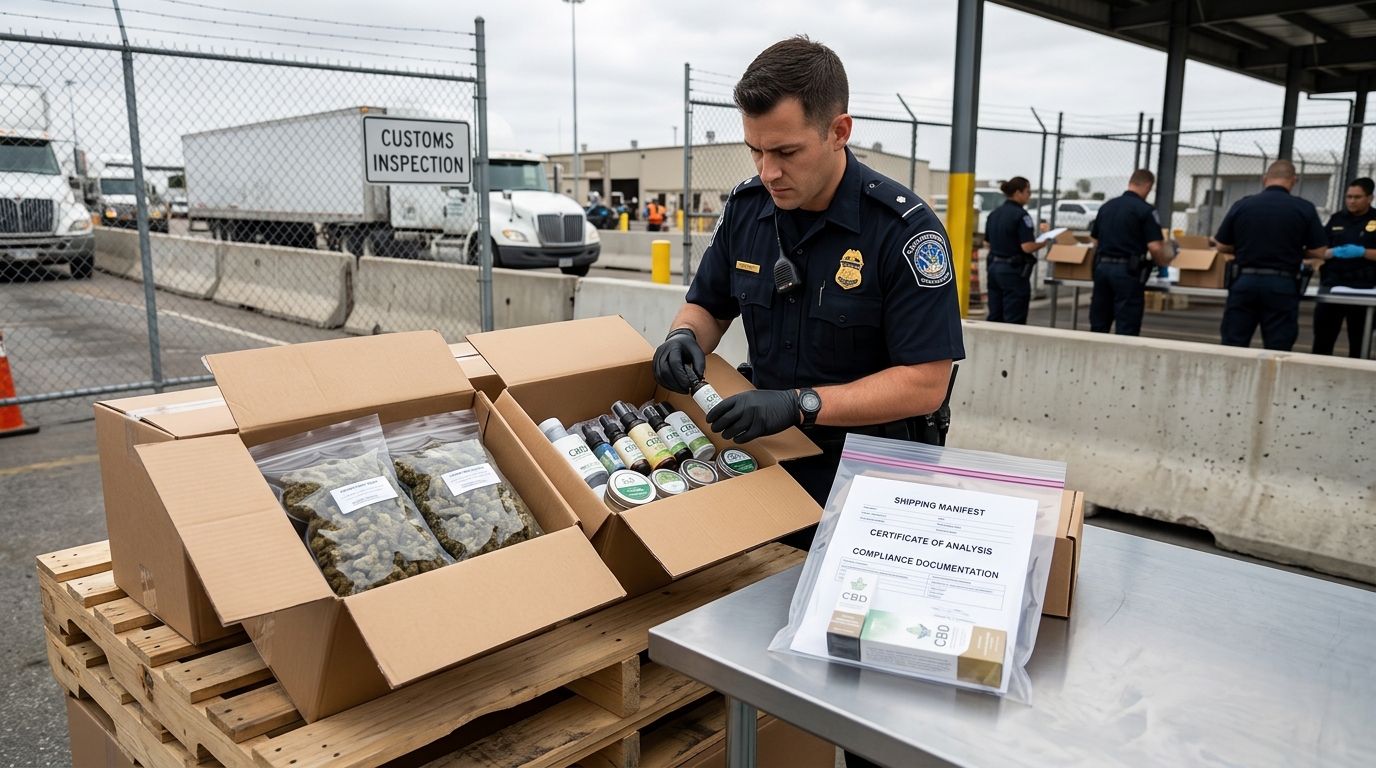
Cannabinoid input HTS classification errors trigger customs detentions and seizures when product taxonomy, broker data, and CBP documentation are inconsistent.
Hemp and CBD importers facing US Customs detentions can resolve holds faster with a coherent evidence packet covering classification and lab data.
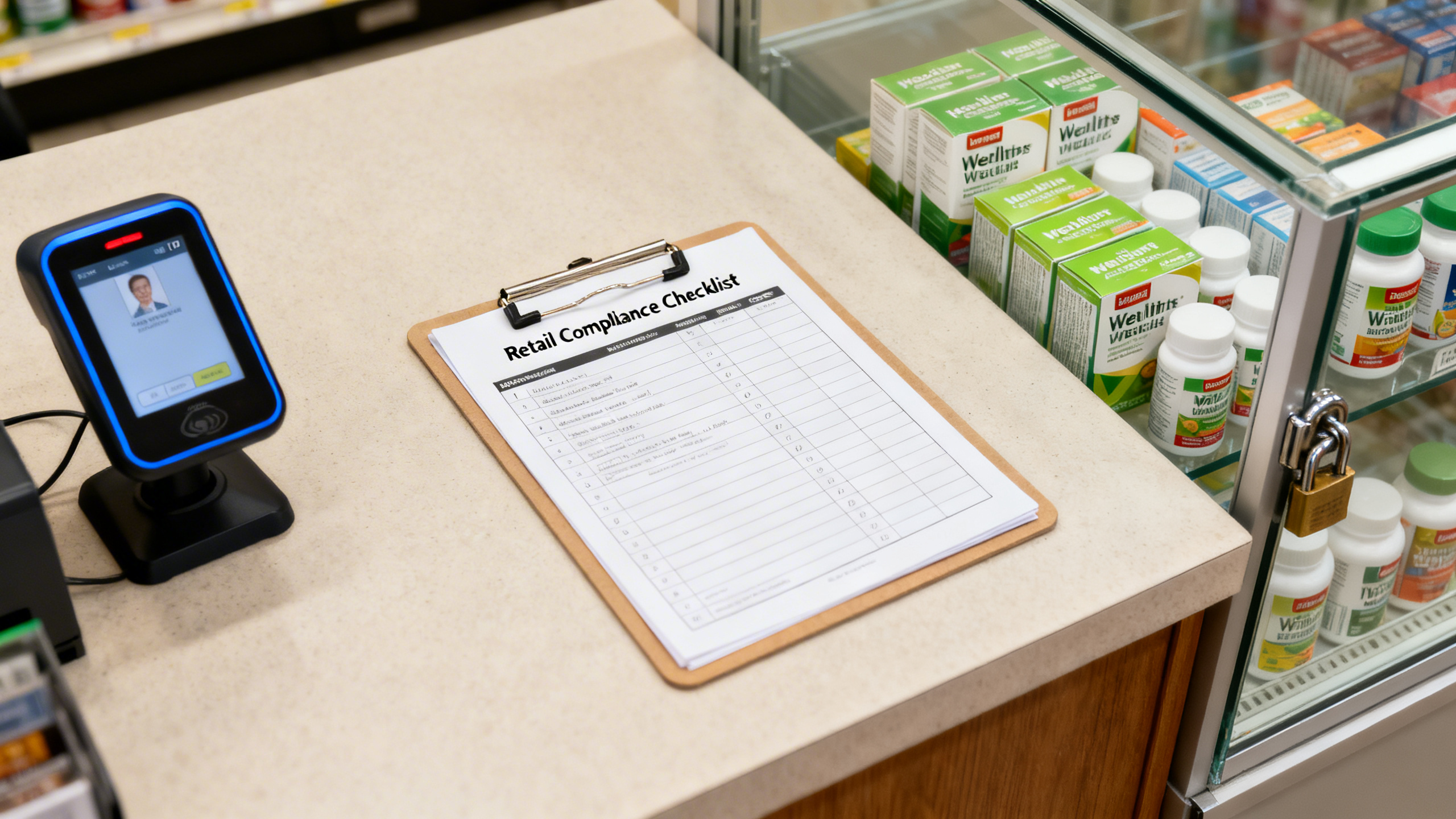
Cannabis retailers deploying biometric age verification must align consent language, posted notice, and vendor contracts with biometric privacy obligations.
Cannabis CFOs can defend IRC 280E positions at year-end by hardening chart of accounts, inventory costing, intercompany flows, and document retention.
NIST SP 800-63-4 reshapes what reasonable age-gating looks like for hemp-THC and cannabis e-commerce in 2026, even though it is not a cannabis rulebook.
USPS still allows hemp CBD shipping in 2026 under Pub 52 § 453.37 with documentation. UPS needs a dedicated account. International mail is prohibited.
EFSA's provisional 2 mg per day safe intake level for CBD is reshaping EU 2026 labels, novel food dossiers, and enforcement against legacy ingestible doses.
New Jersey's S4509, signed January 2026, ends the intoxicating-hemp grey market with a licensing regime, age gates, and a fundamental compliance reset.
TSA doesn't search for cannabis but refers it to police. CBP seizes THC at the border. Hemp CBD under 0.3% is OK. Edibles, vapes, international inside.
How hemp operators build a 2026 ship-block-by-law engine as federal definitions tighten, states get aggressive, and carriers enforce prohibited-goods policies.
Why 2026 enforcement treats many hemp products as synthetic or artificially derived, and what evidence proves cannabinoids are naturally derived from hemp.
Medical cannabis telehealth in 2026 faces tighter remote-prescribing oversight, scrutiny of patient acquisition, and enforcement on kickback referrals.
After Loper Bright and Corner Post, hemp operators face new 2026 litigation openings against FDA, DEA, and state rules where statutory text controls outcomes.
Oregon OLCC bulletin CE2025-06 stopped requiring Labor Peace Agreements as a licensing gate for affected Measure 119 license types in May 2025.
A GAO report urging FDA to strengthen its Food Contact Substances program raises packaging migration and audit risk for THC and CBD beverage brands.
Belgium FAMHP and FASFC are tightening CBD classification controls in 2025 while the EU novel food bar for ingestible cannabidiol products remains high.
Canada signaled 2025-2026 cannabis excise reform on the dollar-per-gram or 10 percent minimum duty and a move toward a single national excise stamp.
The UK Digital Markets, Competition and Consumers Act took effect 6 April 2025, exposing CBD e-commerce to CMA enforcement on drip pricing and reviews.
Italy Decree-Law No. 48 of 11 April 2025 sharply restricted hemp inflorescences and CBD derivatives, raising EU infringement risk for cross-border sellers.
Quebec Bill 96 became fully operational on 1 June 2025, requiring French-predominant labels and trademark translation review for THC drinks and vape products.
Ohio Division of Cannabis Control single-serving unit packaging and label attestations under August 1, 2025 SSU guidance require written DCC authorization.
Ontario's 2025 OCS THC potency testing pilot exposes label inflation in high-THC SKUs and reshapes supplier audits across the regulated adult-use catalog.
THCV faces 2025 exposure under state THC-analog and intoxicating cannabinoid bans, with added anti-doping and supplement contamination risk for tested athletes.
Missouri cities and counties used 2025 emergency ordinances and ballot measures to restrict intoxicating hemp sales to 21-plus buyers or licensed dispensaries.
State attractive-to-children shape bans for hemp and cannabis gummies in 2025 are subjectively enforced, pushing brands to design for the strictest standard.
UFLPA creates a 2025 import-compliance trap for hemp packaging and textiles tied to Xinjiang; how brands prove supply chains are not from XUAR.
EU General Product Safety Regulation 2023/988 has applied since 13 December 2024, imposing product-page disclosures and EU economic operator coverage.
EU SUPD requires tethered caps on plastic beverage bottles since July 2024 and 25% recycled PET content by 2025. Compliance guide for THC/CBD drink exporters.
EU Regulation 2023/1115 (EUDR) requires 2025 due diligence on paper and paperboard cartons used for CBD and THC products shipped into the European Union.
EU CBAM enters its definitive phase January 1, 2026, creating aluminum can supply-chain reporting obligations for U.S. THC beverage brands selling in Europe.
After the FTC announced September 5, 2025 it would accept vacatur of its 2024 Non-Compete Rule, cannabis employers should reset NDAs and trade secret programs.
Thailand tightened, Japan moved to residue limits, Hong Kong enforces a CBD ban, and Singapore stays zero-tolerance, reshaping APAC compliance for 2025.
Hong Kong classifies CBD as a dangerous drug under Cap. 134, with active 2025 airport and parcel seizures hitting shippers, employees, and travelers.
FTC, FDA, and platforms now use automated scraping to flag CBD and THC ad claims at scale, with faster takedowns and regulator referrals in late 2025.
U.S. DOT hazmat rules in 49 CFR 171-180 reach CO2 cylinders used at THC-drink pop-ups, requiring training, shipping papers, and qualified cylinders.
ADA Title III treats cannabis and hemp stores as public accommodations, making counters, queues, ID scanners, and turning space immediate litigation risks.
Pennsylvania's cannabis legalization momentum stalled in September 2025 after the Governor urged a pause on new bills, leaving hemp THC drinks in limbo.
New Zealand's July 2025 Medsafe guidance treats clinic product mentions, pricing, condition targeting, and testimonials as prohibited cannabis advertising.
The April 2, 2025 Supreme Court ruling in Medical Marijuana, Inc. v. Horn widens civil RICO exposure for CBD label and potency claims and treble damages.
A new Pennsylvania hemp trade group launched late 2025 is pushing age-21 access, potency caps, and a clear line between CBD wellness and delta-8 products.
Hemp-THC retailers must balance audit-defensible logs with state privacy laws when handling ID scans, delivery photos, and age-verification selfies in 2025.
Building an AI-assisted rules monitor for cannabis and hemp in 2025 requires fragmented-source ingestion, change-control workflows, and 90-day audit trails.
THC beverage brands in 2025 face FDA food-label scrutiny on major allergen disclosure, fortification rules, and vegan or natural claims at wider retail.
All-natural and sugar-free claims on THC drinks in 2025 carry NAD challenge and class-action risk under FDA labeling rules and FTC substantiation.
Great Britain's CBD novel food market faces devolution risk after the FSA's 2025 consultation, with Scotland's FSS free to diverge from England and Wales.
USPTO's lawful-use-in-commerce rule still drives refusals of CBD and hemp-THC beverage marks in 2025 to 2026, shaping Madrid Protocol filings and specimens.
Expired THC drinks trigger RCRA hazardous waste determinations and Clean Water Act pretreatment risks, making sewer disposal a frequent federal pitfall.
THC beverage co-packer contracts in 2025 must allocate recall authority, insurance limits, and intellectual property ownership to survive retailer QA audits.
Cannabis extractors in ozone nonattainment areas face minor NSR, Title V, MACT, and RACT exposure when ethanol or hydrocarbon VOCs cross PTE thresholds.
FDA's September 9, 2025 deceptive drug advertising push and roughly 100 cease-and-desist letters raise the claim-substantiation bar for CBD and THC drinks.
An FY2026 Agriculture-FDA appropriations directive on intoxicating hemp could become the first durable federal framework for finished-product potency limits.
Cross-border CBD brands in 2025 to 2026 must reconcile EFSA's roughly 2 mg per day safe intake with the UK FSA's 10 mg per day provisional ADI on packaging.
USP republished draft General Chapter 1568 and the proposed CBD monograph in Pharmacopeial Forum 51(3) for September to October 2025 cannabis research review.
Norway's 2025 CBD import posture demands zero detectable THC, with seizures through September 2025 and Novel Food or medicines hurdles for ingestibles.
Luxembourg ended prescription access to primarily THC-rich medical flower from January 1, 2025, favoring oils and standardized preparations for dosing.
Argentina's Resolution 1780/2025 tightens REPROCANN eligibility, documentation, and traceability for therapeutic cultivation, transport, and derivatives.
Colombia's July 2025 draft decree and October 2025 Decree 1138 outline a prescription-only adult-use model dispensed through pharmacies under medical-gate.
U.S. EPA programs covering TSCA, Clean Air Act RMP, PFAS, and wastewater pretreatment are stacking on cannabis manufacturing and extraction sites through 2027.
Poland in 2025 separates legal hemp from legal ingestible CBD under EU novel food rules while tightening medical cannabis telehealth prescribing.
Florida's Digital Bill of Rights, effective July 1, 2024, reshapes targeted ads and kids' data rules for cannabis and hemp e-commerce operators.
FDA's LAAF accreditation is mandatory for specific import-related hemp edibles testing in 2025, with ISO/IEC 17025 covering most routine quality work.
Cannabis extraction facilities storing bulk butane or propane may cross EPA Risk Management Program thresholds, triggering PHA and 2027 planning duties.
EPA's 2024 TSCA rule on methylene chloride pushes cannabis labs and extractors into a Workplace Chemical Protection Program with 2025-2027 milestones.
Fermented kombucha above 0.5% ABV triggers TTB jurisdiction, and adding hemp cannabinoids layers state ABC, age-gate, and retail venue restrictions on top.
Answer your real world compliance questions (limited time) and save thousands in legal fees and avoided fines.