February 20, 2026

Thank you! Your submission has been received!
Oops! Something went wrong while submitting the form.

In 2025, “tastings” and in‑store “sips” of hemp‑derived THC beverages sit at the intersection of three enforcement worlds that do not always agree with each other: alcohol beverage control (ABC), state hemp/food regulators, and (in some states) state adult‑use programs. The same brand activation that looks like a normal soft‑drink sampling event to a retailer can be treated as unlicensed on‑premise service or an unapproved food service operation depending on the state.
This guide compiles 2025 agency guidance themes and real‑world enforcement patterns into a practical checklist you can use to plan compliant sampling events across the U.S. It is informational only, not legal advice.
Several regulatory facts drive most of the risk:
Result: A “sip station” can implicate (1) whether the product is lawful for sale in the state, (2) whether the venue can allow consumption on site, (3) whether the brand rep can serve it, and (4) whether the retailer must treat the event like an alcohol tasting—with permits, signage, supervision, recordkeeping, and ID controls.
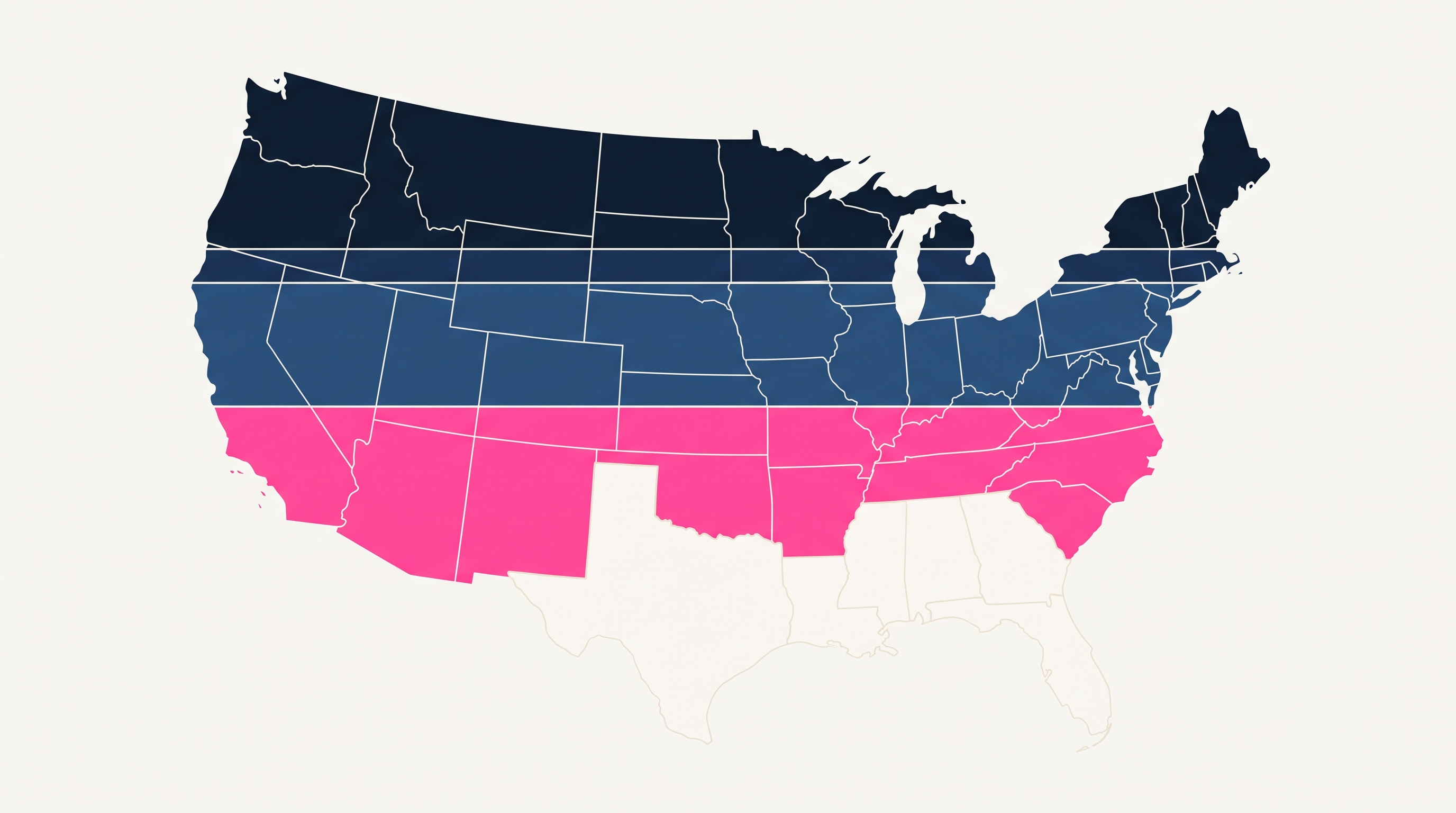
Because rules vary by state and can change quickly, the safest way to think about the U.S. in 2025 is by regulatory posture rather than by any single “national rule.”
These states generally allow some form of sampling when:
What “allowed” often looks like in practice:
Many states allow packaged sales of hemp‑THC beverages but prohibit any on‑premise consumption at certain venue types—or prohibit “food service” without a permit.
In these states, the most common enforcement position is: “You can sell sealed product to go, but you cannot open and serve it here.” For brands, this is the most frequent trap for liquor stores and specialty retailers that want a sampling bar.
Where the state has:
any sampling event is high risk. Even if a retailer is already selling the product, sampling increases visibility and can be characterized as unlicensed distribution or adulterated food service.
Across states, the same compliance failures show up again and again.
ABC agencies and local enforcement often view a tasting as serving a consumable to the public, not just advertising. That triggers:
Field takeaway: Before you set up a pour station, confirm whether the venue has the right to host tastings at all and whether a manufacturer/brand representative can legally pour.
A major 2025 theme is agencies (including ABCs and health departments) discouraging—or outright prohibiting—combining intoxicating hemp products with alcohol service.
Common restrictions include:
Field takeaway: If the venue’s primary license is to serve alcohol, assume sampling is not allowed until the ABC (and often the state hemp/food regulator) says otherwise in writing.
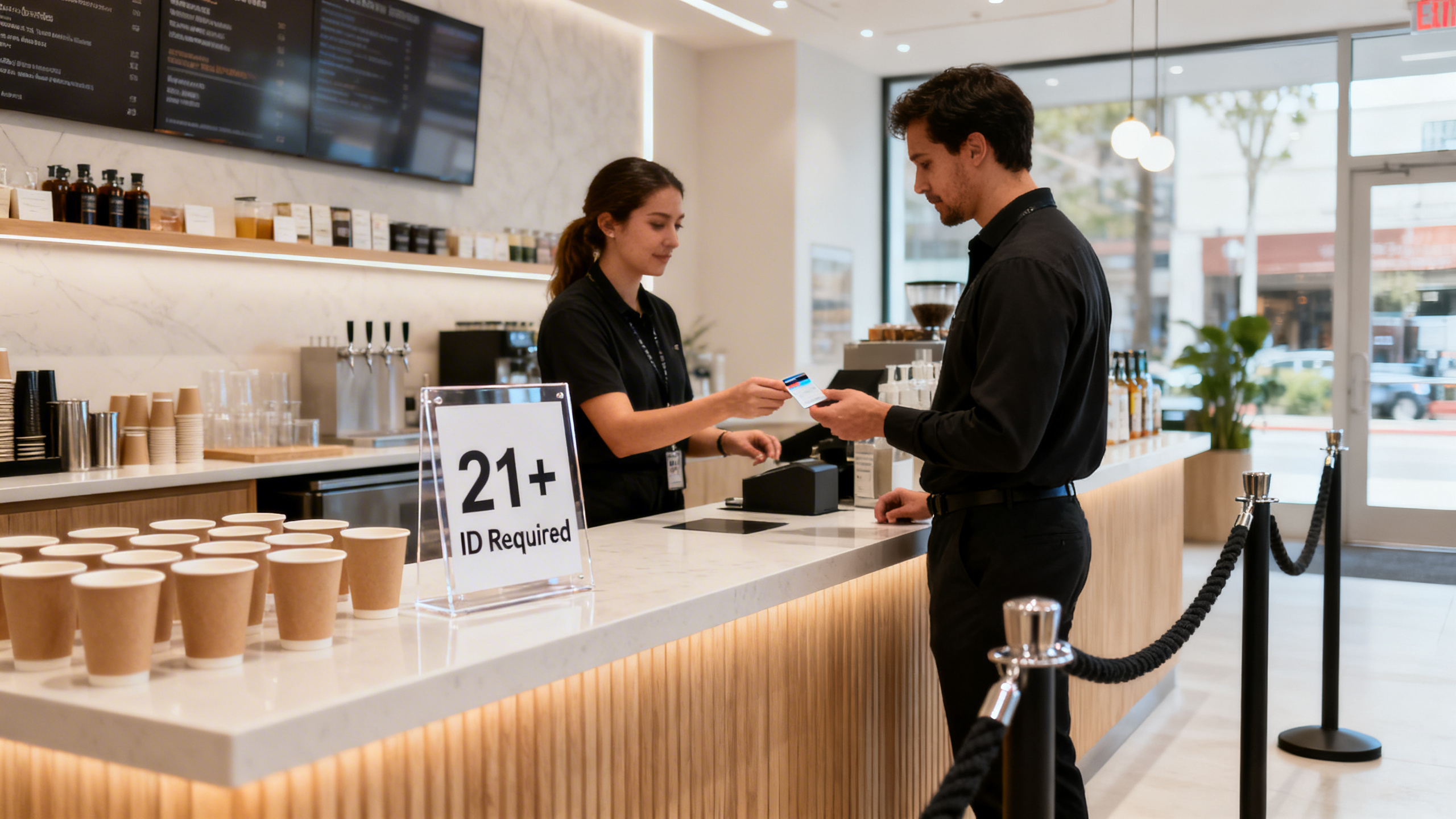
Even when a retailer normally checks IDs at the register, sampling increases the need for point‑of‑service age verification.
Best‑practice controls agencies expect in 2025:
Field takeaway: Build age gating into the sampling layout. Don’t rely on “We check IDs at checkout” as your only control.
Even permissive states typically require some combination of:
Sampling magnifies the risk of a paperwork gap because regulators can ask for documentation on the spot.
Field takeaway: Carry a “sampling packet” (digital + printed) containing product authorization/registration evidence, COAs, and label proofs.
If you open containers and pour into cups, you may be operating a temporary food service setup.
Common public health expectations:
Field takeaway: Coordinate with the local health department when required. “It’s shelf‑stable” rarely removes the need for sanitation controls.
Because state policies move fast, your compliance team should look for agency‑issued bulletins, FAQs, enforcement advisories, and statutory definitions that answer four questions:
1) Is the beverage legal for sale in this state (and in what channels)?2) Does the state allow on‑premise consumption of this product type?3) Does the ABC treat this as a “tasting” requiring a tasting permit?4) Are there explicit prohibitions in bars, restaurants, or liquor‑licensed premises?
Below are common agency sources to monitor in 2025:
External starting points (official):
Important: Treat industry summaries as leads, not final authority. Where possible, capture the PDF bulletin or web FAQ from the official state site and keep it in your event file.
Use this checklist as an operational “go/no‑go” tool for each activation.
Minimum best practice for 2025:
Even when statutes don’t specify “sampling doses,” regulators often expect conservative limits.
Operational controls to implement:
Recordkeeping tip: Keep a worksheet showing container THC, serving THC, sample cup size, and THC per sample.
Sampling events often fail because marketing materials include non‑compliant claims.
Even outside adult‑use track‑and‑trace states, you need internal controls:
Keep an “event compliance file” including:
In 2025, several states and localities have issued public‑facing warnings or increased enforcement around intoxicating hemp beverages—especially in:
Your risk is highest when:
Practical risk note: If a state agency has posted a “do not sell” or “consumer warning” about intoxicating hemp edibles/beverages, do not proceed with tastings until you have written confirmation of legality and channel permissions.
Given how fast intoxicating hemp policy shifts, set a monthly cadence:
For ongoing monitoring and state‑by‑state compliance workflows, use https://cannabisregulations.ai/ to track licensing and permits, manage cannabis compliance documentation, and standardize your dispensary rollout or retail activation SOPs across jurisdictions.
In 2025, “tastings” and in‑store “sips” of hemp‑derived THC beverages sit at the intersection of three enforcement worlds that do not always agree with each other: alcohol beverage control (ABC), state hemp/food regulators, and (in some states) state adult‑use programs. The same brand activation that looks like a normal soft‑drink sampling event to a retailer can be treated as unlicensed on‑premise service or an unapproved food service operation depending on the state.
This guide compiles 2025 agency guidance themes and real‑world enforcement patterns into a practical checklist you can use to plan compliant sampling events across the U.S. It is informational only, not legal advice.
Several regulatory facts drive most of the risk:
Result: A “sip station” can implicate (1) whether the product is lawful for sale in the state, (2) whether the venue can allow consumption on site, (3) whether the brand rep can serve it, and (4) whether the retailer must treat the event like an alcohol tasting—with permits, signage, supervision, recordkeeping, and ID controls.
Because rules vary by state and can change quickly, the safest way to think about the U.S. in 2025 is by regulatory posture rather than by any single “national rule.”
These states generally allow some form of sampling when:
What “allowed” often looks like in practice:
Many states allow packaged sales of hemp‑THC beverages but prohibit any on‑premise consumption at certain venue types—or prohibit “food service” without a permit.
In these states, the most common enforcement position is: “You can sell sealed product to go, but you cannot open and serve it here.” For brands, this is the most frequent trap for liquor stores and specialty retailers that want a sampling bar.
Where the state has:
any sampling event is high risk. Even if a retailer is already selling the product, sampling increases visibility and can be characterized as unlicensed distribution or adulterated food service.
Across states, the same compliance failures show up again and again.
ABC agencies and local enforcement often view a tasting as serving a consumable to the public, not just advertising. That triggers:
Field takeaway: Before you set up a pour station, confirm whether the venue has the right to host tastings at all and whether a manufacturer/brand representative can legally pour.
A major 2025 theme is agencies (including ABCs and health departments) discouraging—or outright prohibiting—combining intoxicating hemp products with alcohol service.
Common restrictions include:
Field takeaway: If the venue’s primary license is to serve alcohol, assume sampling is not allowed until the ABC (and often the state hemp/food regulator) says otherwise in writing.
Even when a retailer normally checks IDs at the register, sampling increases the need for point‑of‑service age verification.
Best‑practice controls agencies expect in 2025:
Field takeaway: Build age gating into the sampling layout. Don’t rely on “We check IDs at checkout” as your only control.
Even permissive states typically require some combination of:
Sampling magnifies the risk of a paperwork gap because regulators can ask for documentation on the spot.
Field takeaway: Carry a “sampling packet” (digital + printed) containing product authorization/registration evidence, COAs, and label proofs.
If you open containers and pour into cups, you may be operating a temporary food service setup.
Common public health expectations:
Field takeaway: Coordinate with the local health department when required. “It’s shelf‑stable” rarely removes the need for sanitation controls.
Because state policies move fast, your compliance team should look for agency‑issued bulletins, FAQs, enforcement advisories, and statutory definitions that answer four questions:
1) Is the beverage legal for sale in this state (and in what channels)?2) Does the state allow on‑premise consumption of this product type?3) Does the ABC treat this as a “tasting” requiring a tasting permit?4) Are there explicit prohibitions in bars, restaurants, or liquor‑licensed premises?
Below are common agency sources to monitor in 2025:
External starting points (official):
Important: Treat industry summaries as leads, not final authority. Where possible, capture the PDF bulletin or web FAQ from the official state site and keep it in your event file.
Use this checklist as an operational “go/no‑go” tool for each activation.
Minimum best practice for 2025:
Even when statutes don’t specify “sampling doses,” regulators often expect conservative limits.
Operational controls to implement:
Recordkeeping tip: Keep a worksheet showing container THC, serving THC, sample cup size, and THC per sample.
Sampling events often fail because marketing materials include non‑compliant claims.
Even outside adult‑use track‑and‑trace states, you need internal controls:
Keep an “event compliance file” including:
In 2025, several states and localities have issued public‑facing warnings or increased enforcement around intoxicating hemp beverages—especially in:
Your risk is highest when:
Practical risk note: If a state agency has posted a “do not sell” or “consumer warning” about intoxicating hemp edibles/beverages, do not proceed with tastings until you have written confirmation of legality and channel permissions.
Given how fast intoxicating hemp policy shifts, set a monthly cadence:
For ongoing monitoring and state‑by‑state compliance workflows, use https://cannabisregulations.ai/ to track licensing and permits, manage cannabis compliance documentation, and standardize your dispensary rollout or retail activation SOPs across jurisdictions.