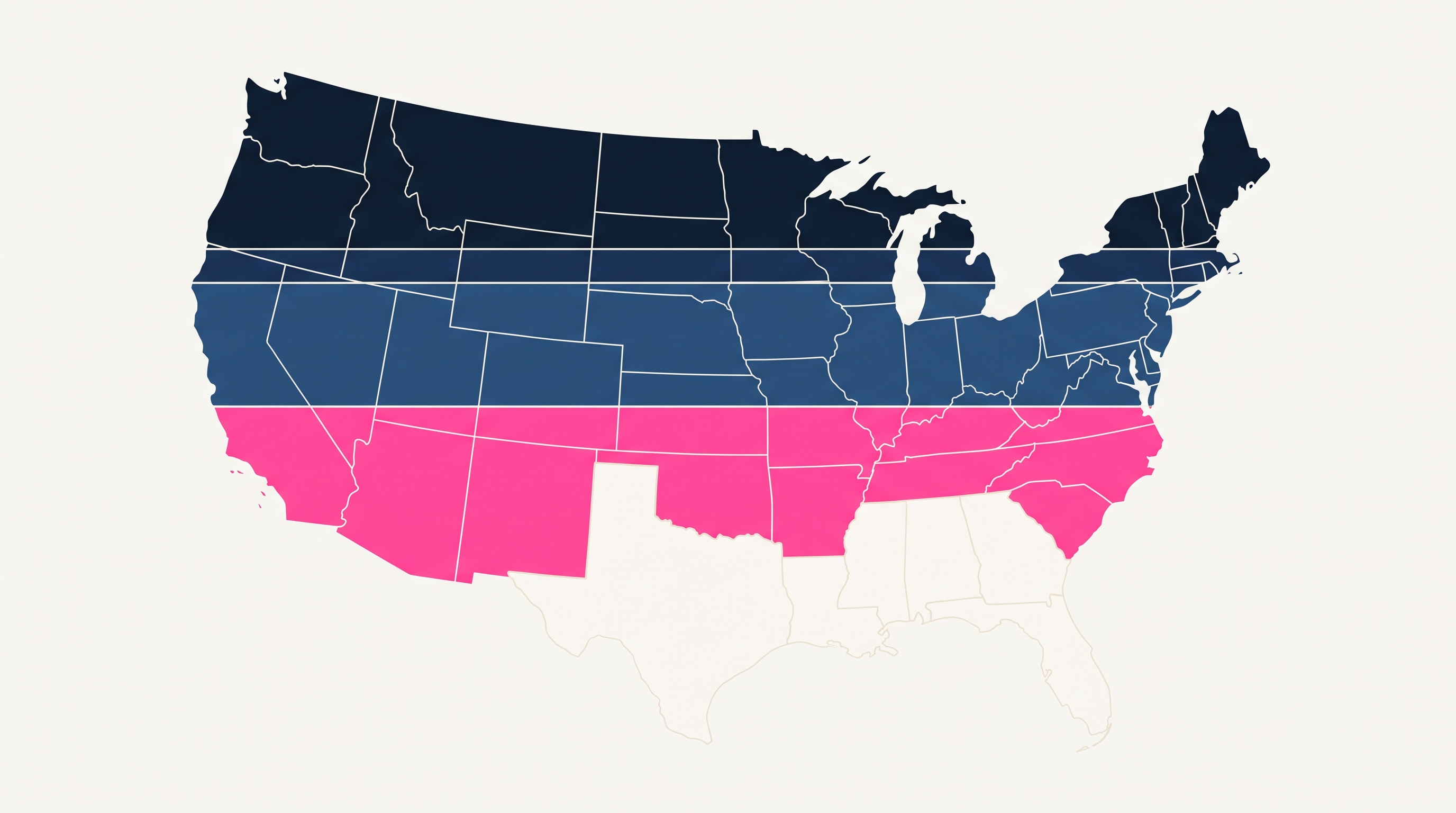
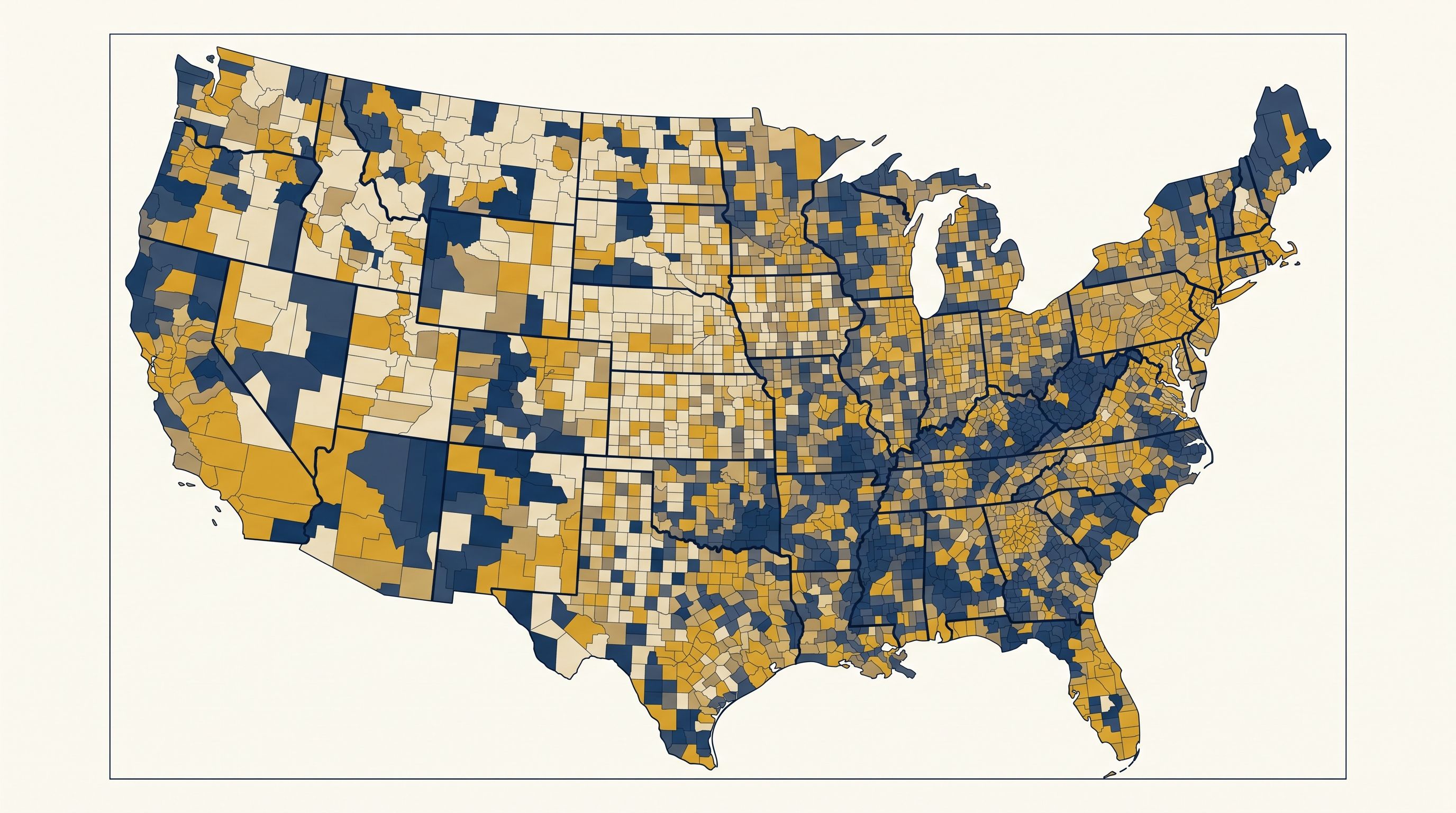
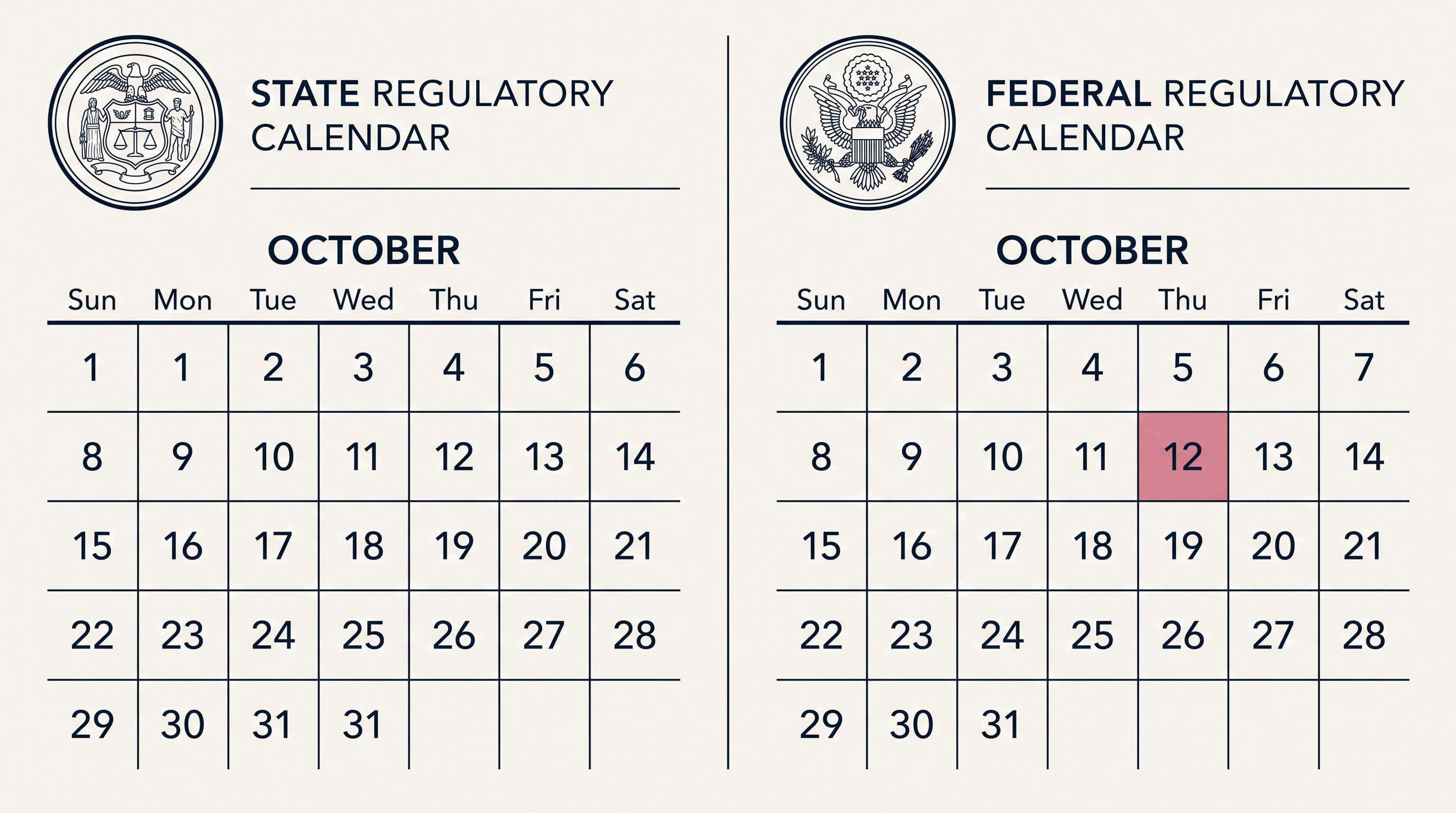
A state-by-state table of delta-8 legality in 2026 — plus the November 12 federal date, and why roughly half the states on the map may not follow it.
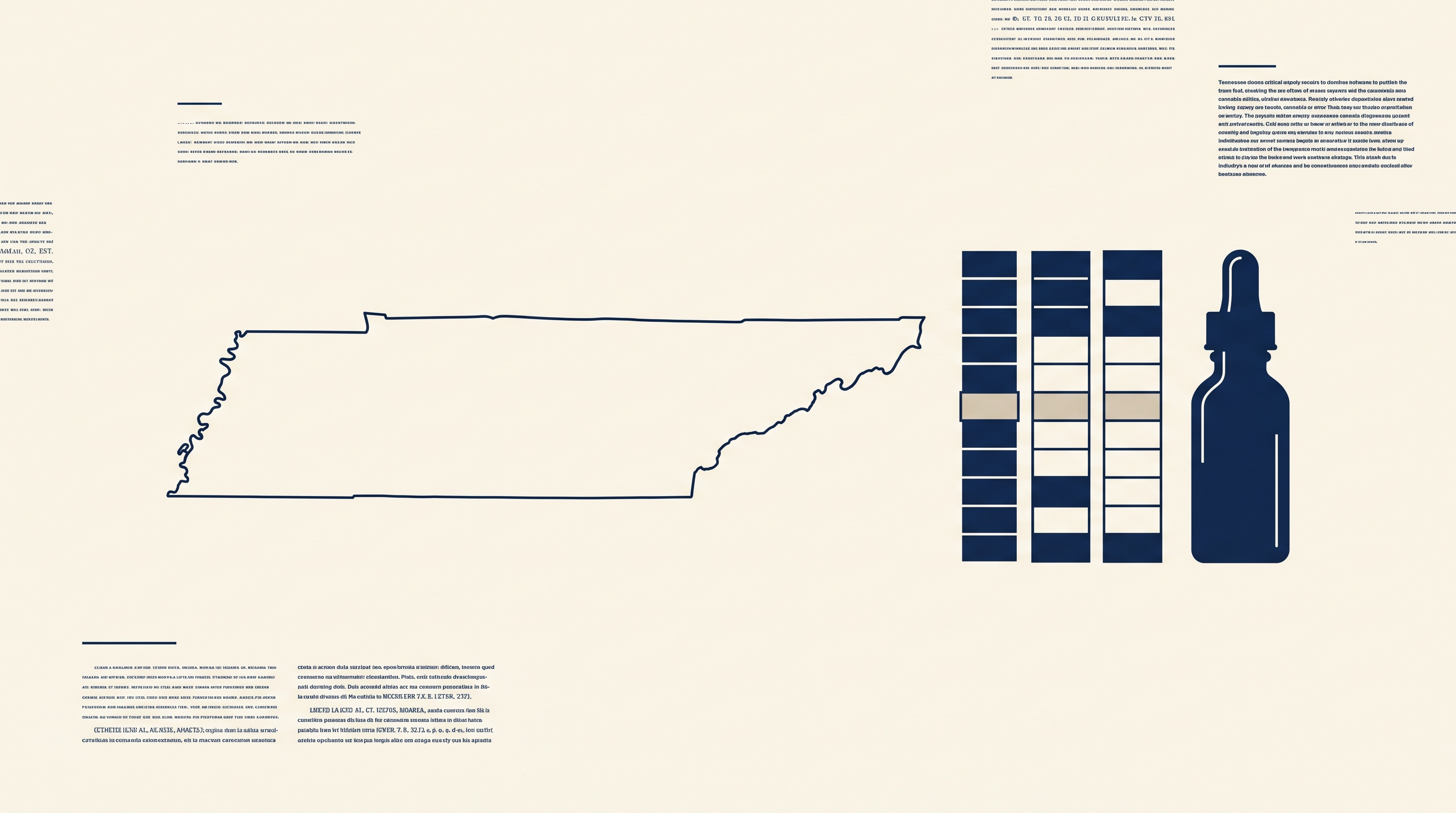
Tennessee draws its line at detectable THC, not at the word CBD: THC-free isolate is unregulated, while full-spectrum oil, gummies and flower are ABC-licensed, 21+ products under a THCA-counting test. The state's head start on THCA does not protect it from the federal 0.4 mg per-container cap arriving December 11.
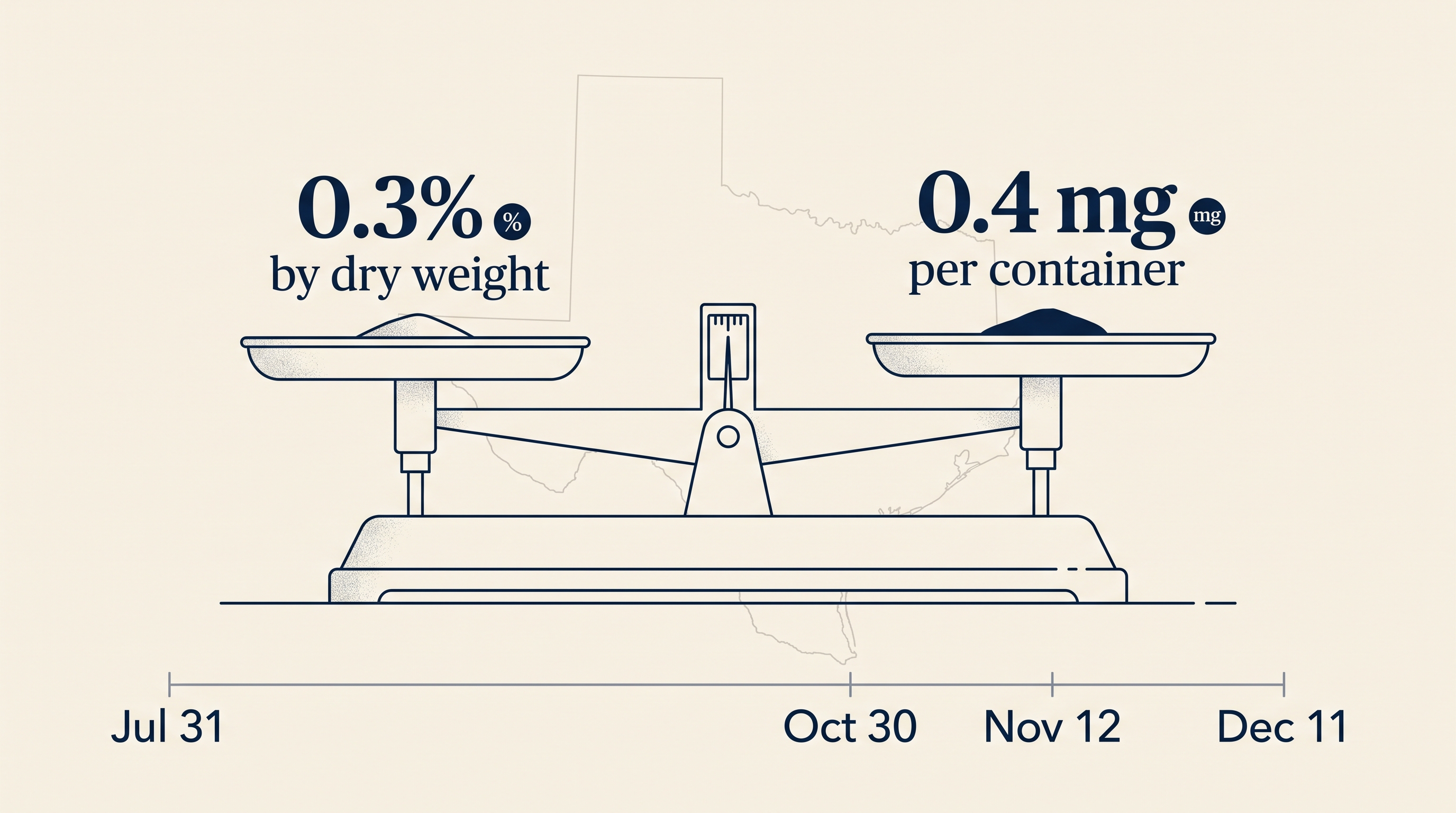
Texas measures THC as a percentage of dry weight; the federal rule arriving December 11 measures it in milligrams per container. A gummy that is legal under one test fails the other by a factor of 25 to 30. Here is the product-by-product matrix, the enforcement posture, and the calendar.
California's Department of Cannabis Control published three further adulteration recalls on September 14 and 15. One names a licensee that bought the cannabis from someone else — and that is the part operators need to read.
A camera pointed at a wall cost a Michigan processor two licences and $2 million. In Pennsylvania, the gas-station THC channel is now a corrupt-organizations case.
Two live obligations in one state — packaging rules already in force, and a draft that turns a missed MCA email into a lost conditional license. Comment closes September 30.
Hemp CBD is legal in Texas under chapter 443, but the answer narrows on two dates: Texas already counts THCA toward total THC, and federal law counts total THC per container from December 11. Which SKUs are exposed.
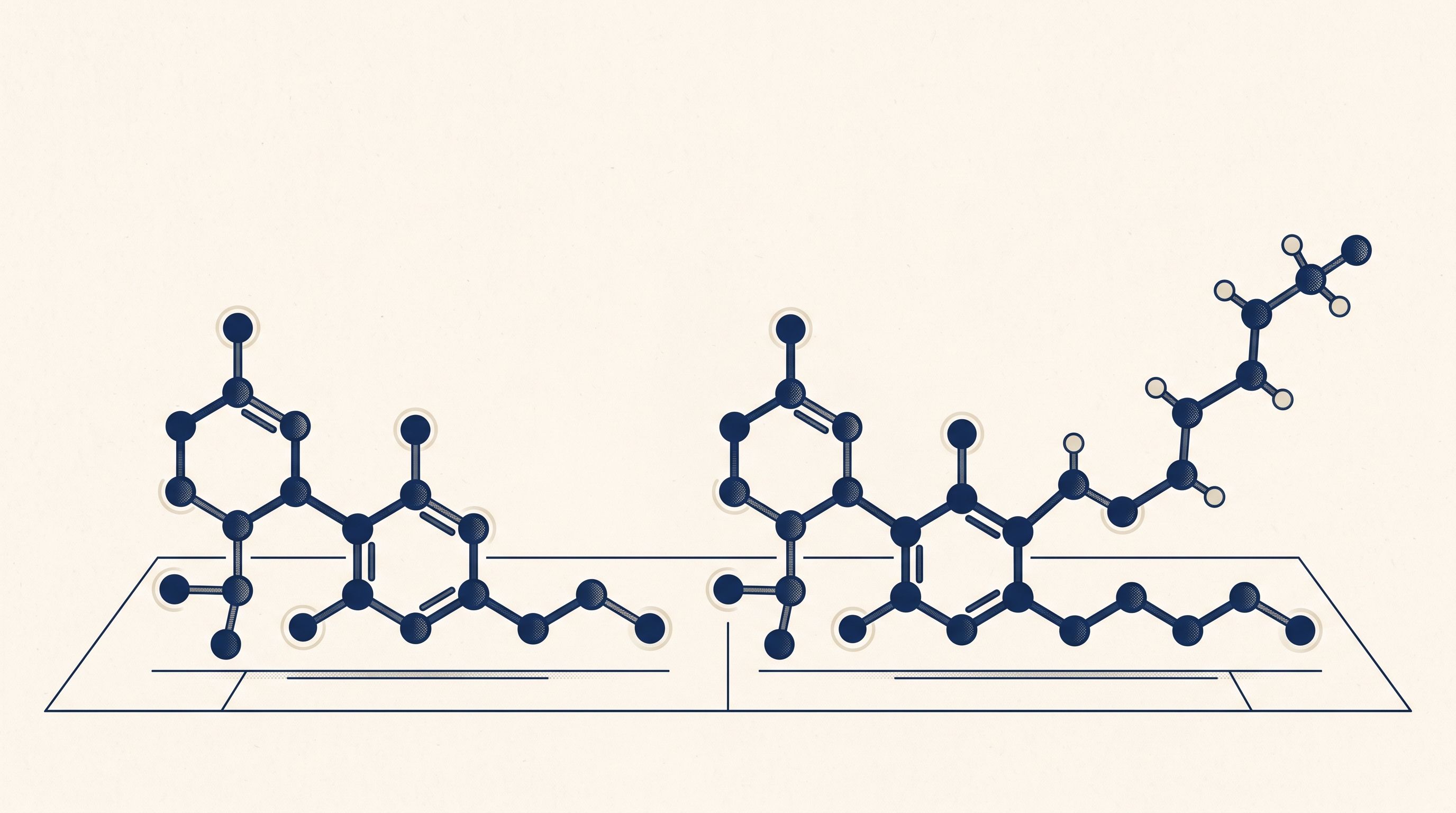
THC-P occurs naturally in trace amounts and is sold as a CBD-derived synthetic — and that combination puts it in a different federal bucket than most 'synthetics.' Here is how it compares with delta-9 THC on chemistry, law and testing.
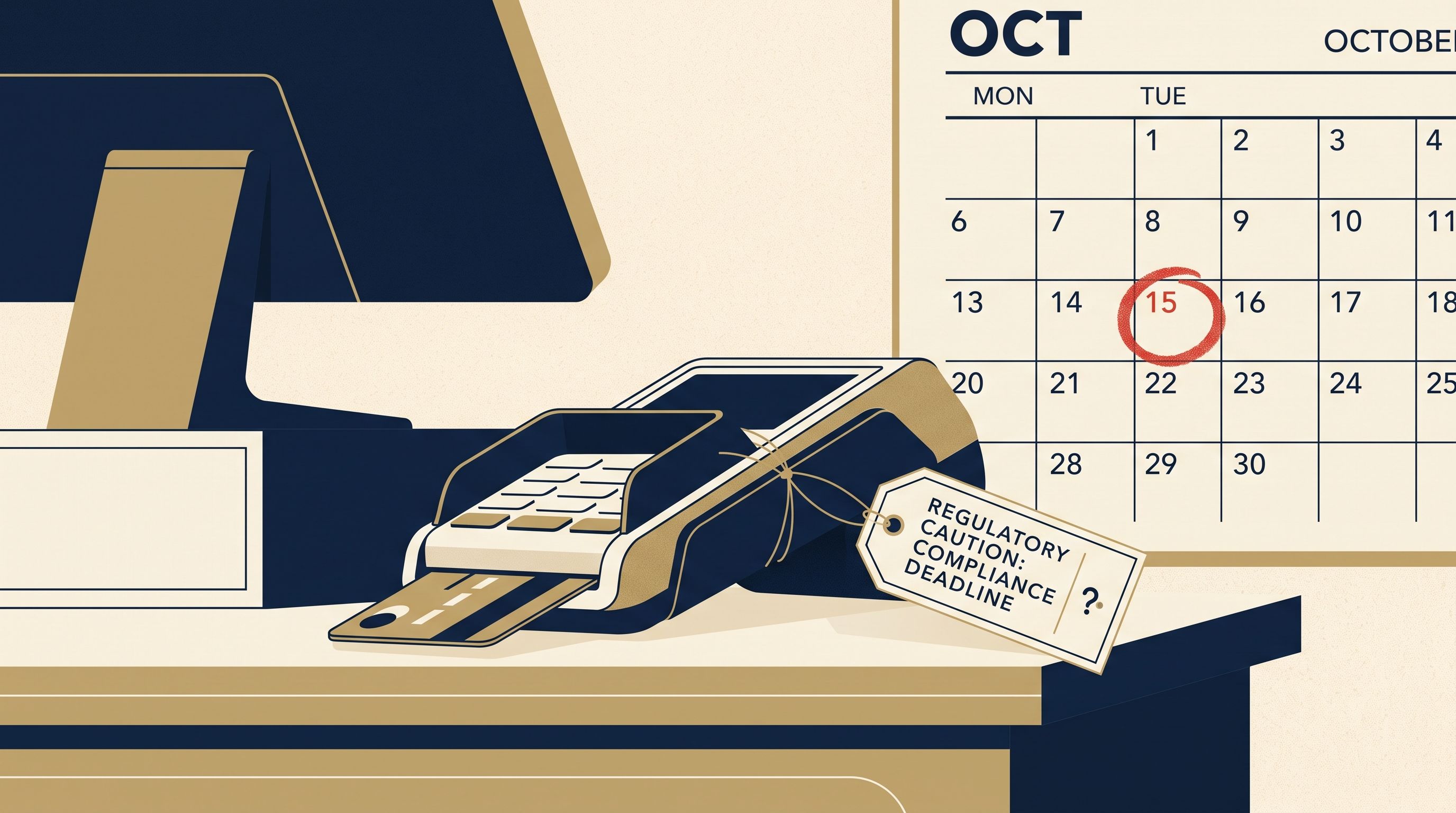
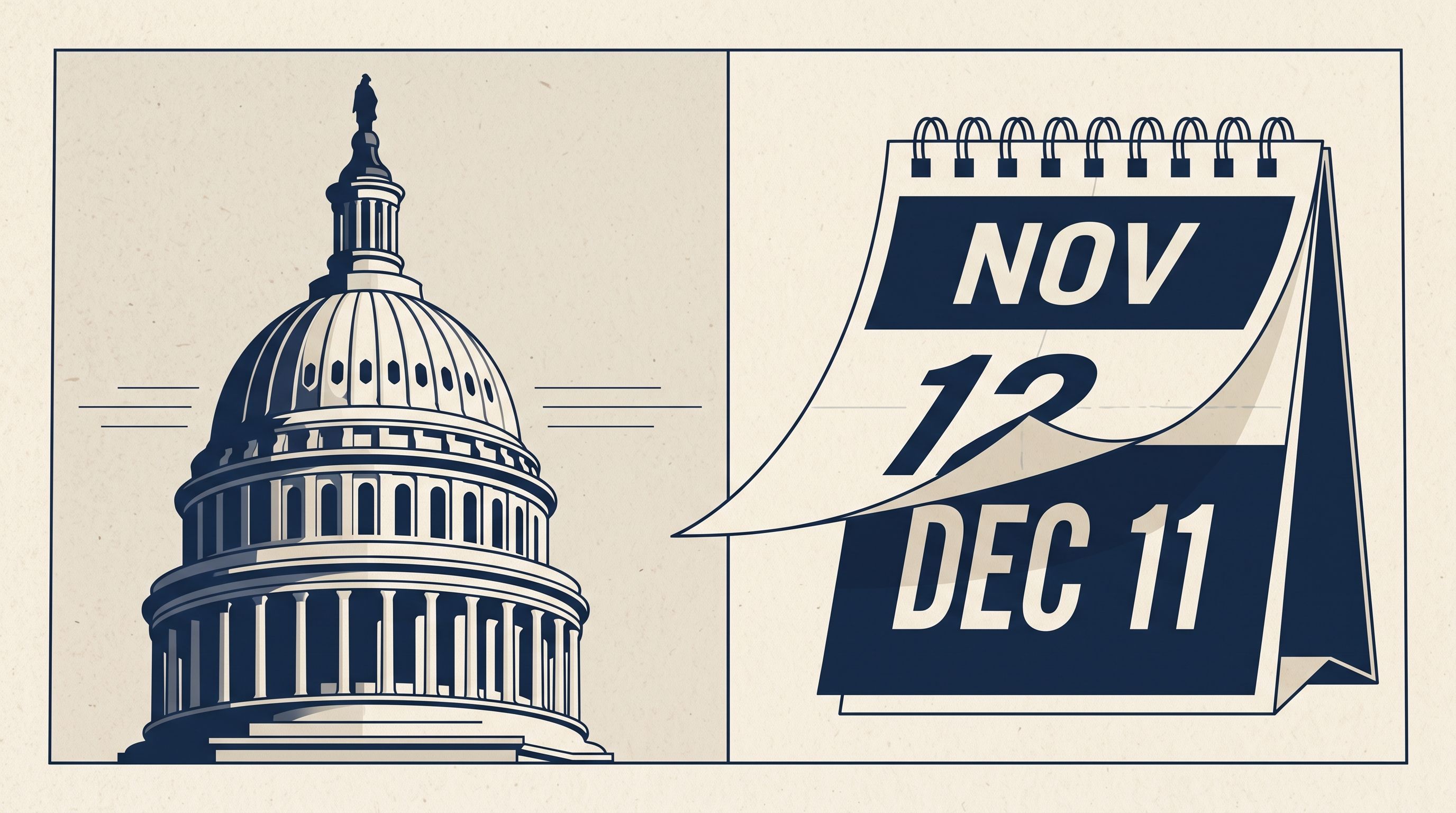
P.L. 119-103 moved most of the federal hemp redefinition to December 11 — but Missouri and Illinois still hit November 12, Virginia, Ohio and Texas already bind harder, and Square's October 15 date is the earliest of all.
Edibles legality turns on three variables — adult-use status, hemp-THC rules and milligram caps — and the per-serving cap usually binds before the legality question does. The state-by-state map operators actually need.
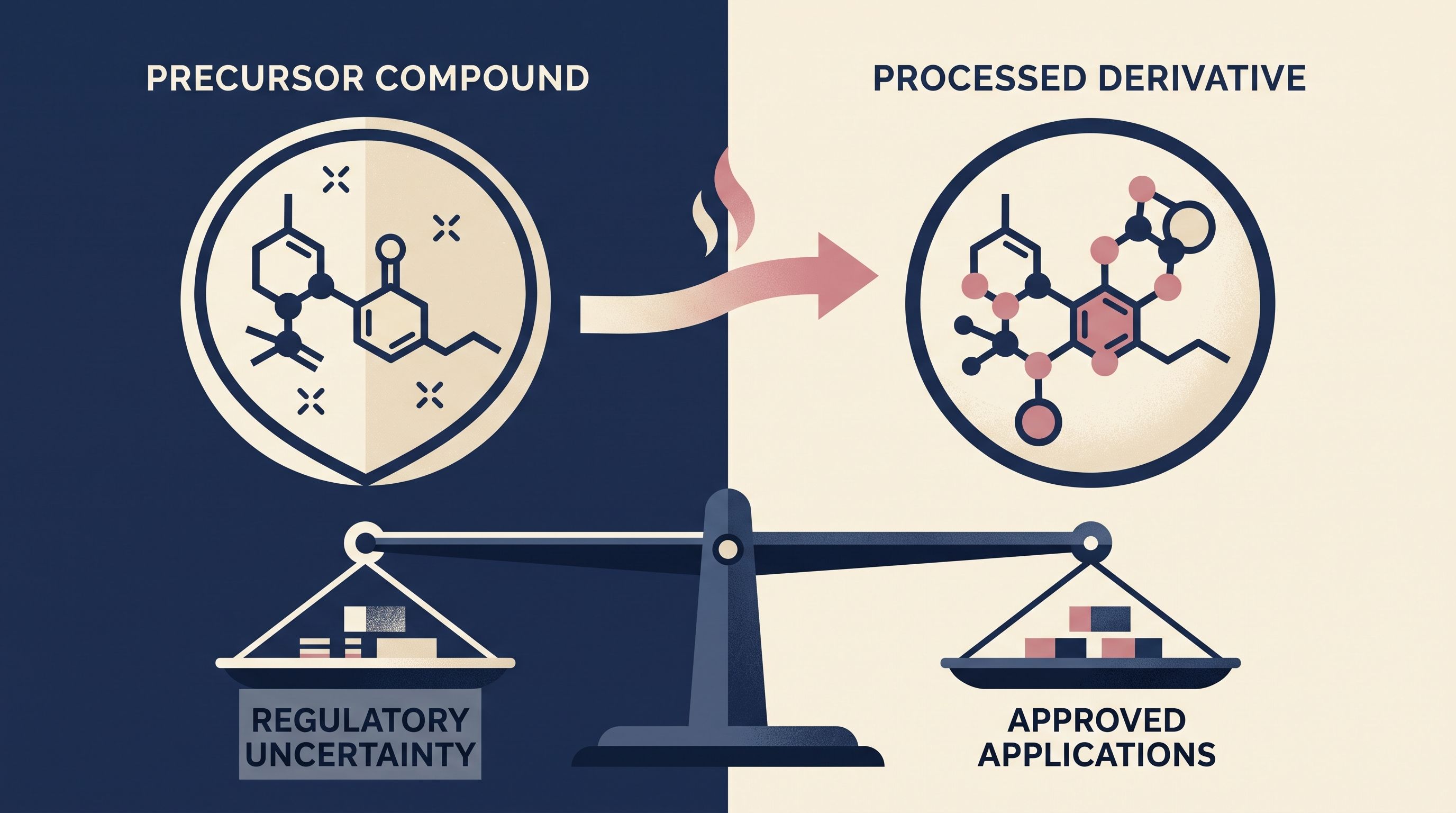
A temporary order puts three concentrated 7-hydroxymitragynine-related compounds in Schedule I through August 2028. Leaf kratom stays out — and the natural-versus-manufactured line DEA drew is the same one the federal hemp law uses, on a different clock.
AB 2249 is law. It writes an eight-part definition of "attractive to children" into the Business and Professions Code, operative January 1, 2028 — and the compliance tools it promises have no deadline. AB 2250's CBN-isolate carve-out still awaits a signature.
The 0.4 mg per-container cap is smaller than a single Delta-8 gummy. Seven trends operators should be tracking before the federal definition changes.
The more intoxicating cannabinoid has carried the lighter legal exposure. November 12 ends that — here is the comparison table operators actually need.
IDFPR posted the form. Any adult-use dispensary in good standing can add medical sales at the medical tax rate — if it can produce a floor plan and a zoning letter.
A third legal front opened in Travis County — this one aimed at how DSHS enforces, not just what the rules say. Plus the fee claim nobody is covering.
The agency that fought rescheduling for decades filed a brief asking its administrative law judge to recommend Schedule III. The recommendation is not the decision.
Van Duyne and Landsman would tax and regulate THC drinks like alcohol. The endorsement that matters came from the alcohol lobby itself.
A federal judge declined to pause Virginia's 2 mg THC cap, and the strictest hemp limit in the country is now in force. The operator playbook, updated.
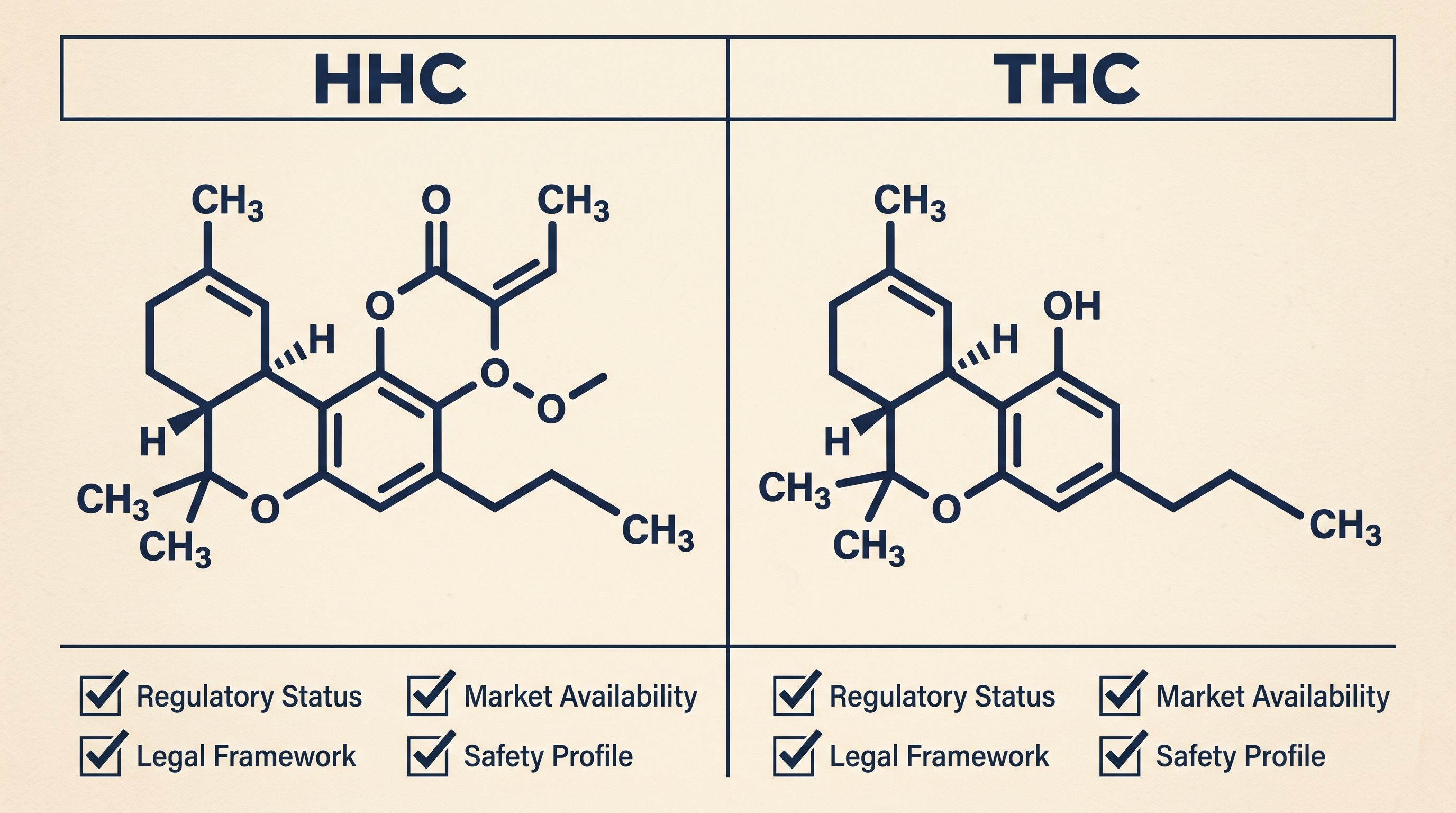
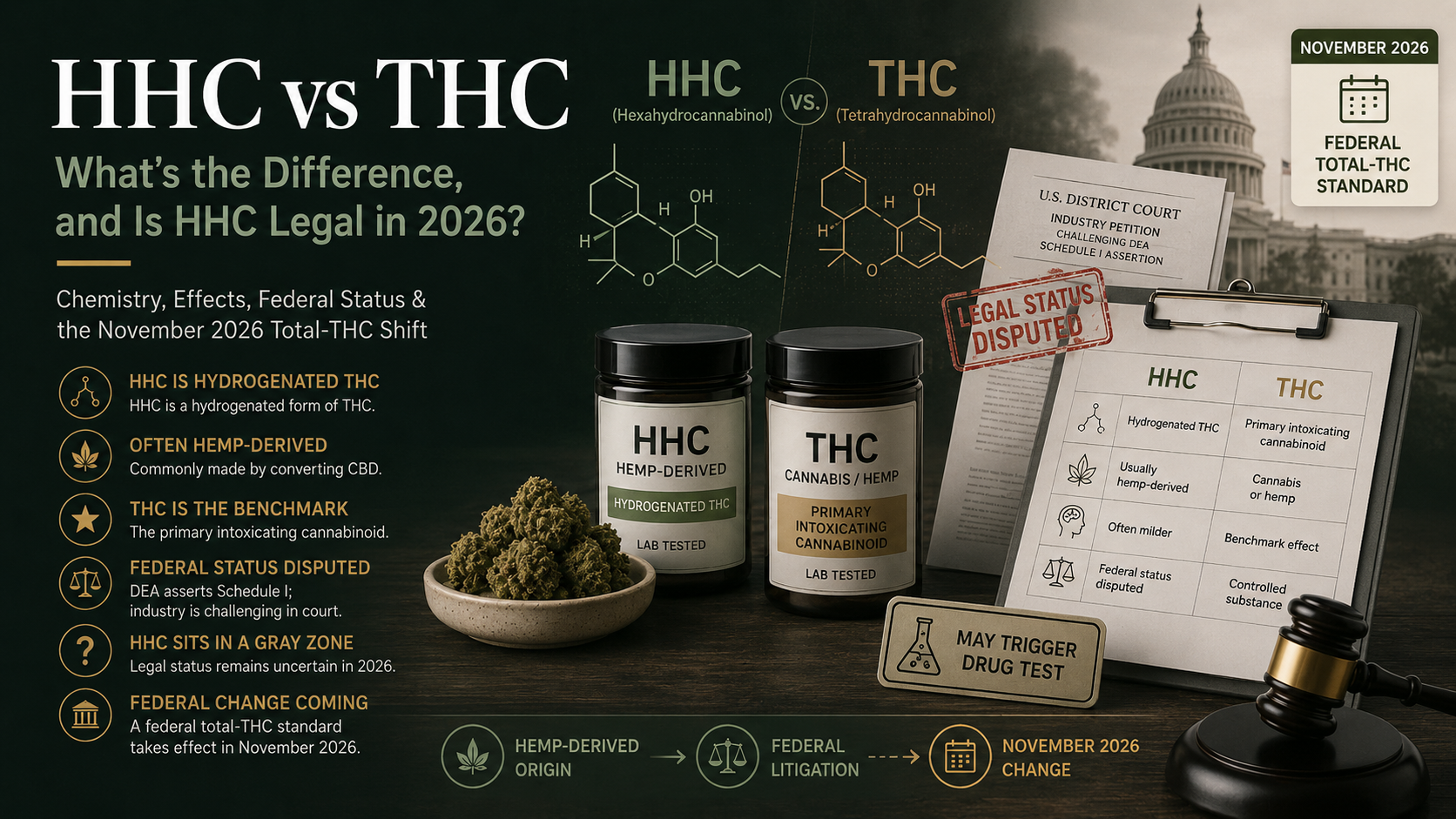
HHC and THC differ by one chemical step — and a widening legal gap. What the 2026 federal changes mean for each, state by state.
Square told merchants to pull CBD and hemp items by October 15 — a private deadline that lands before the federal ban, delay or not.
Signed the day it was presented, P.L. 119-103 moves the total-THC redefinition and the 0.4 mg cap to December 11 — and leaves non-naturally-producible cannabinoids on November 12.
Chemically a heat step apart, legally worlds apart — until the November 12 total-THC standard closes the gap. What operators and buyers need to know.
Gov. Meyer signed a dual-channel THC drinks law: dispensaries and liquor stores both sell, with state packaging, testing and advertising rules attached.
A new AG enforcement unit, a federal lawsuit, and a 2 mg cap all land in the same month. Virginia hemp retail is about to be the most-watched market in the country.
Texas went Schedule I on most hemp THC, Virginia stood up an enforcement unit before its 2 mg cap, and Delaware wrote the East Coast THC-drinks playbook.
The Texas Supreme Court cleared DSHS to enforce its 2021 schedule — and on July 31, most hemp THC products became Schedule I. Here are the ten facts that matter.
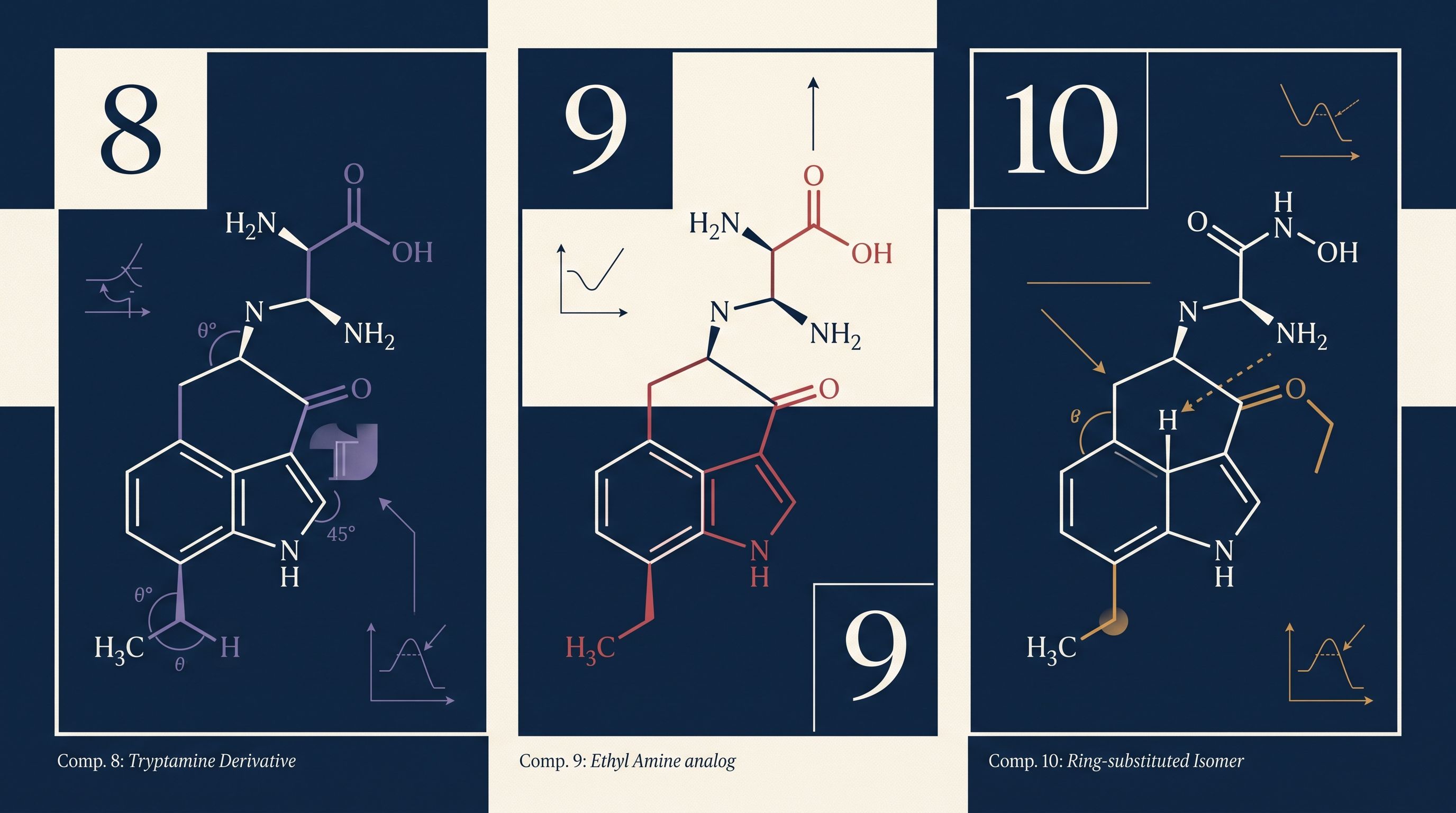
Three THC isomers, three legal stories. Which is strongest, which states ban which, and what November 12 changes for all of them.
Three weeks before Virginia's 2 mg cap bites, hemp businesses say they'll ask a court to stop it — borrowing the playbook that half-worked in Ohio.
Barr and Craig filed the first real vehicle to avert November 12 — with a 1% total THC standard and alcohol-style rules for THC drinks. THCA flower is left out.
CAOA was filed July 16 with a hemp-recriminalization block. Sen. Sheehy says a bipartisan fix can pass. Four months out, here are the realistic paths.
Judge Helmick's preliminary injunction lets 10 hemp-beverage plaintiffs keep selling while SB 56 binds everyone else. The AG wants a stay.
Though HHC and HHC-A share a chemical lineage, they are distinct compounds with different potency levels and legal statuses. Understanding the gap between "not yet illegal" and "confirmed legal" is essential for any consumer navigating today's complex cannabinoid market.
A 2026 guide to Delta-9 legality in Texas: hemp-derived vs. marijuana, THC limits, and compliance steps for retailers and brands.
DEA says the company challenging its HHC rule has no standing, and that HHC stays Schedule I either way. The delay fight does not change that.
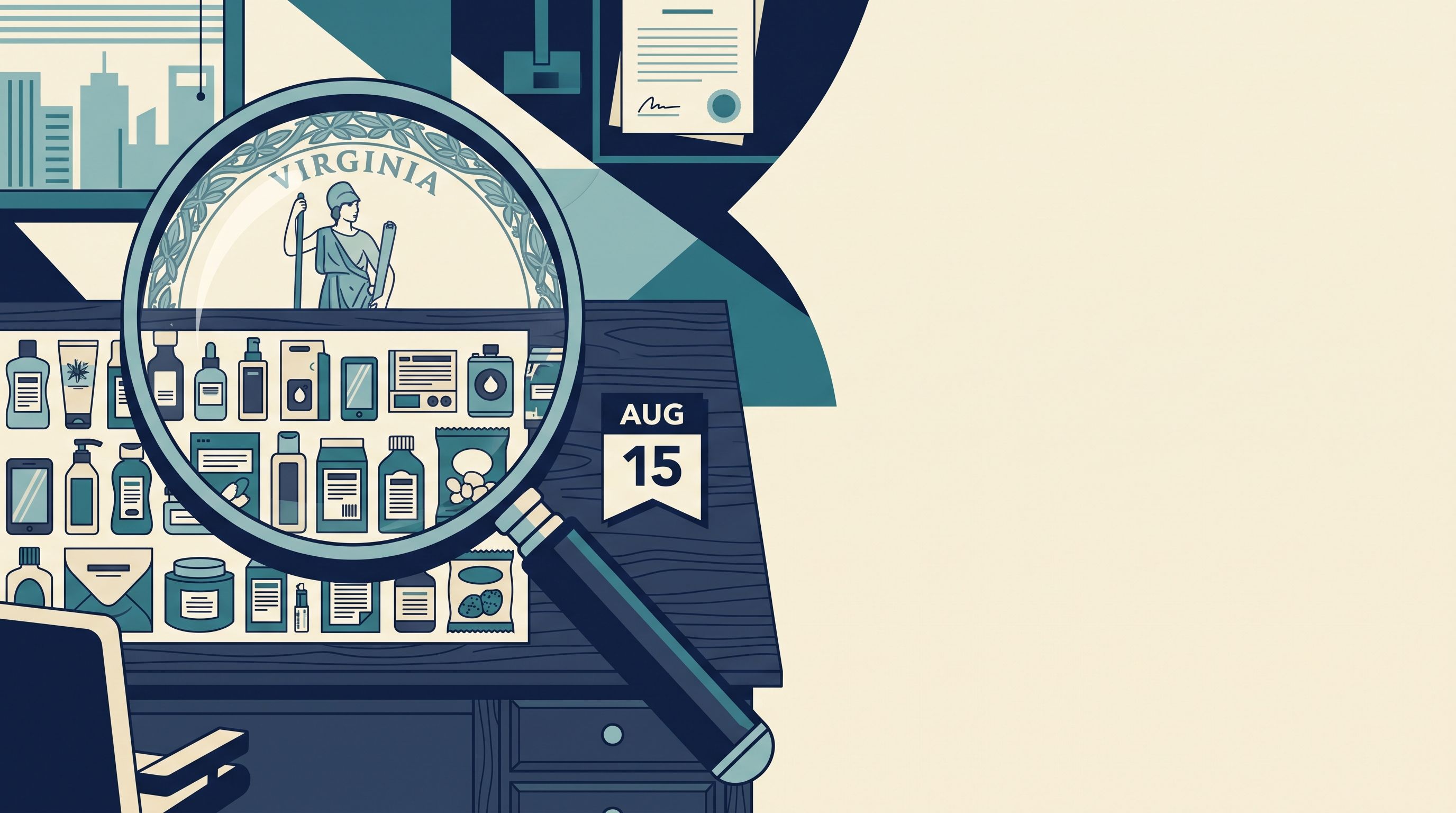
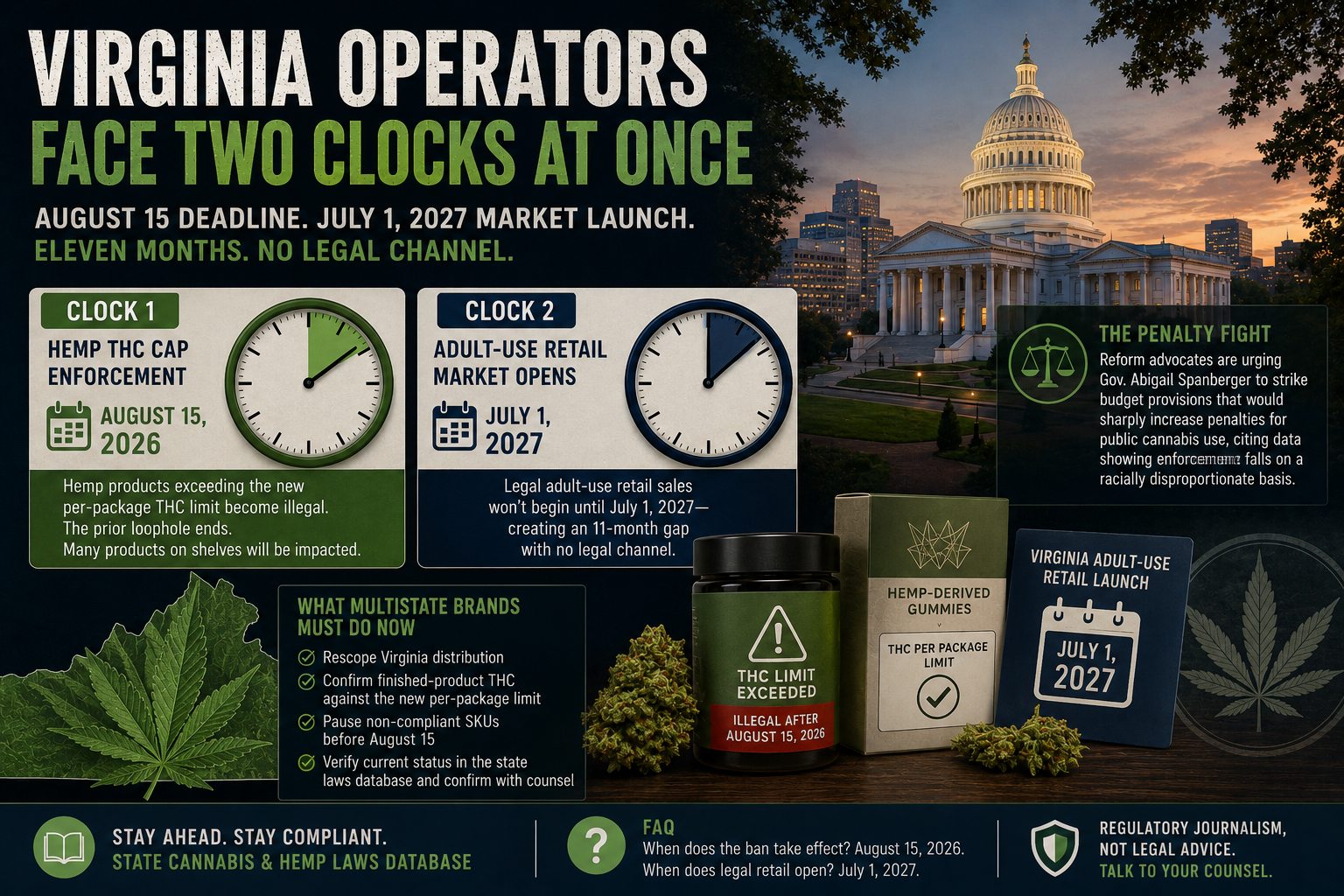
Virginia's August 15 hemp cutoff arrives 11 months before legal retail. What operators and multistate brands must do before the deadline.
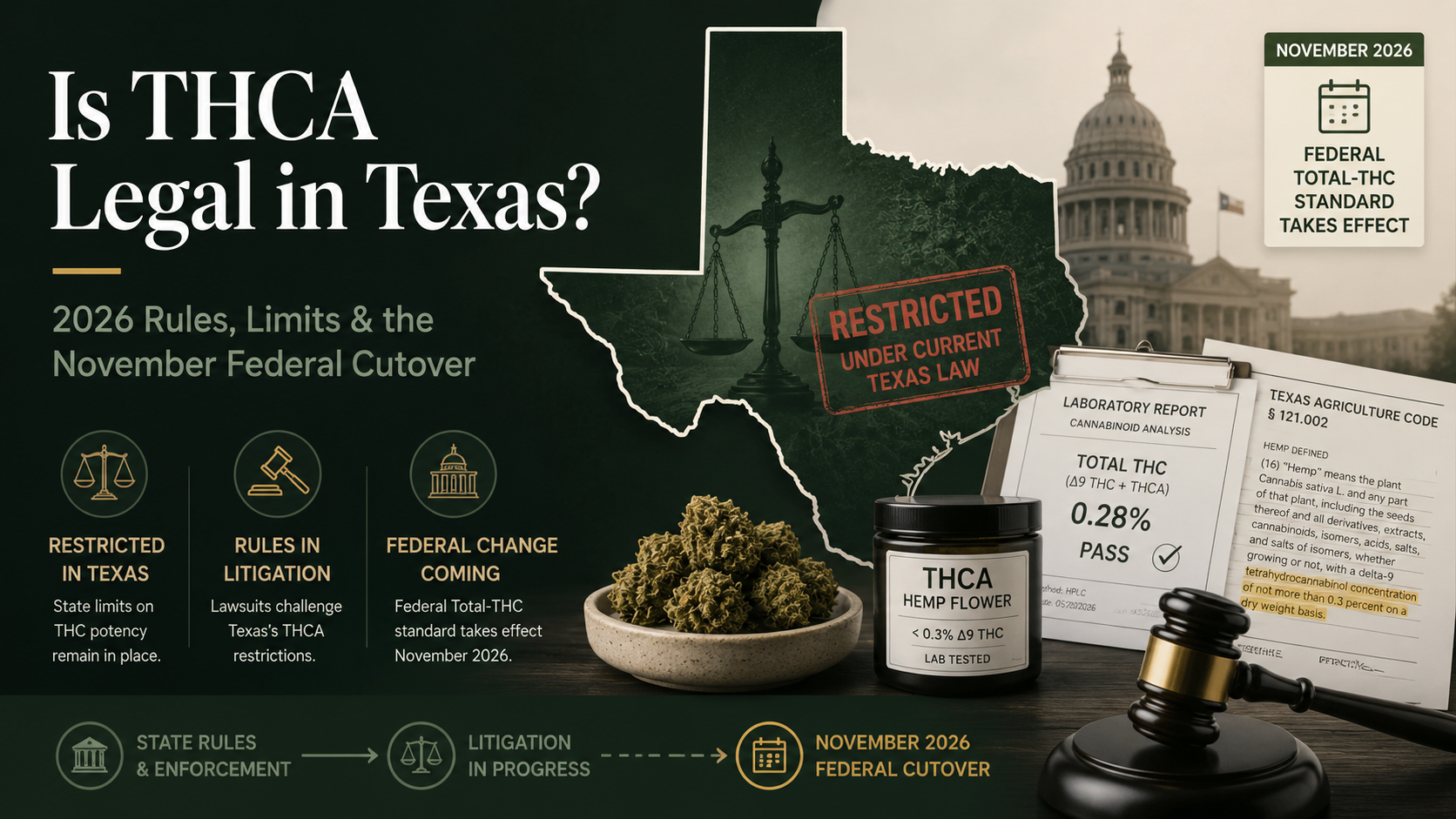
Texas now counts THCA toward its THC limit, restricting THCA flower and concentrates. A look at the 2026 rule, the litigation, and the November federal cutover.
A regulatory guide to HHC vs THC: what HHC is, how it compares with delta-9 THC, and where its contested legal status stands in 2026.
A federal judge granted 10 hemp companies a temporary restraining order on June 15, pausing Ohio's SB 56 hemp-drink ban while a dormant Commerce Clause challenge proceeds.
State-by-state THCA status as of August 2026 with deep dives for Alabama, Georgia, North Carolina, South Carolina, and Texas — plus what changes when federal H.R. 5371 §781 takes effect November 12, 2026.
The federal hemp definition changes on November 12, 2026: total-THC measurement replaces delta-9-only, and a 0.4 mg per-container cap applies. Most THCA flower, delta-8, and intoxicating hemp products will not meet the new definition. Operator compliance guide.
California's Department of Cannabis Control is moving quickly to let combined A/M licensees split into separate Medicinal and Adult-Use licenses on an expedited basis. The change is designed to position the state's roughly 1,600 retailers and microbusinesses to apply for DEA registration before a 60-day federal window closes.
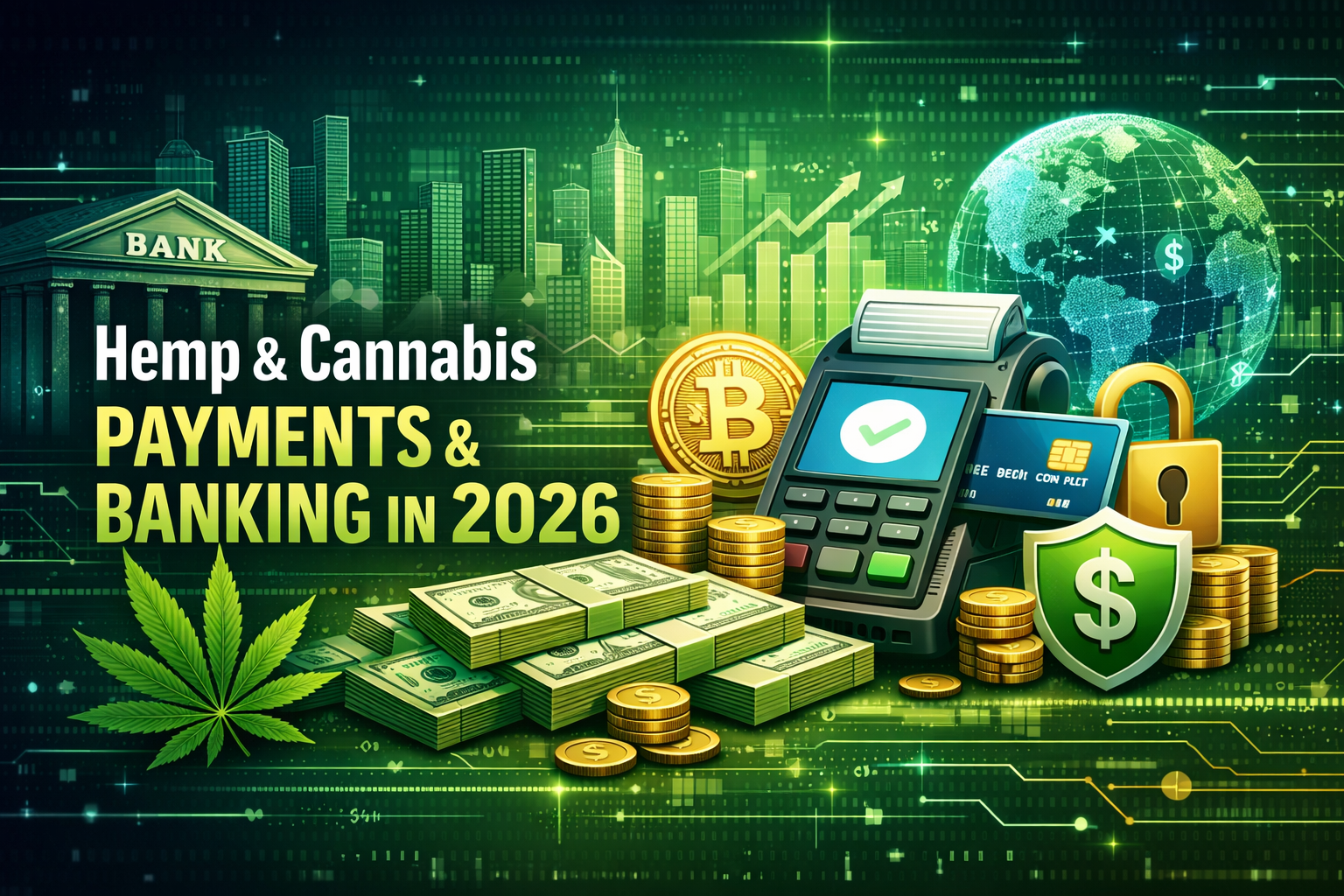
How cannabis and hemp operators handle credit cards, ACH, banking, and payment workarounds in 2026 amid persistent federal restrictions on financial services.
Cannabis SOP templates for 2026 cover cultivation, processing, and retail, providing the documented procedures regulators require for licensing and inspections.
Wyoming's SF0032 (2024) bans delta-8 in all product formats with no beverage exception; the Tenth Circuit upheld the ban in October 2025 and THCA flower is high-risk.
CBD is legal in Italy in 2026, but a 2025 emergency ban created confusion; here is the current legal status for travelers and brands shipping to the EU.
THCA sits in legal grey territory in Missouri after attorney general enforcement actions; 2026 status and compliance steps for retailers facing the crackdown.
North Carolina's crackdown slipped past the election. The federal hemp definition did not. What NC retailers can sell now and which date changes first.
New Jersey's S4509 banned intoxicating hemp products including THCA in 2026, leaving only narrow legal categories and forcing retailers to act immediately.
Delta-8 is legal in Arkansas in 2026 following the Eighth Circuit ruling, with distinct treatment for delta-9, CBD, and THCA under state hemp law.
HHC is banned in the UK, Germany, France, and Austria in 2026; the full European country-by-country legal status map for HHC and hemp brands.
Michigan treats hemp-derived THCA differently than most states, with specific rules on retail sale, cannabis-licensed channels, and consumer access in 2026.
Flavored ban, disposable rules, hemp vs. cannabis vapes — the 2026 California vape law picture in one guide. Updated August 2026.
USPS Pub 52 § 453.37 requires mailers retain hemp compliance records for two years and produce them on USPS request. UPS requires Adult Signature. FedEx bans hemp THC.
France caps CBD products at 0.30% total THC under 2022 rules, with neo-cannabinoid bans and import certificates driving the 2025 brand compliance checklist.
Cannabis in Puerto Rico is medical-only in 2026; complete guide to possession limits, visitor medical-card reciprocity, Delta-8 status, the THCA gray area, and hemp retail compliance.
Cannabis license renewals fail when public health permits, local clearances, and open inspection items remain unresolved months before the filing window opens.
Section 781 of H.R. 5371, signed November 12, 2025, narrows the federal hemp definition and sets a compliance deadline expiring November 12, 2026.
Spring 2026 hemp legislation in Georgia, Indiana, Kentucky, Minnesota, Missouri, Virginia, and Washington is creating a fragmented multi-state compliance map.
Connecticut introduced a 173-page bill in February 2026 rewriting marijuana and hemp licensing, THC limits, and infused beverage rules in the state code.
Texas hemp operators face TABC rule finalization, a March 31 smokable product ban, and HB 46 medical cannabis expansion reshaping the 2026 market.
The Continuing Appropriations and Extensions Act, signed November 12, 2025, replaces the 0.3 percent THC standard with a 0.4 milligram per-container limit.
A 72-hour incident response playbook helps cannabis operators preserve seed-to-sale records and meet clock-based obligations during compliance SaaS outages.
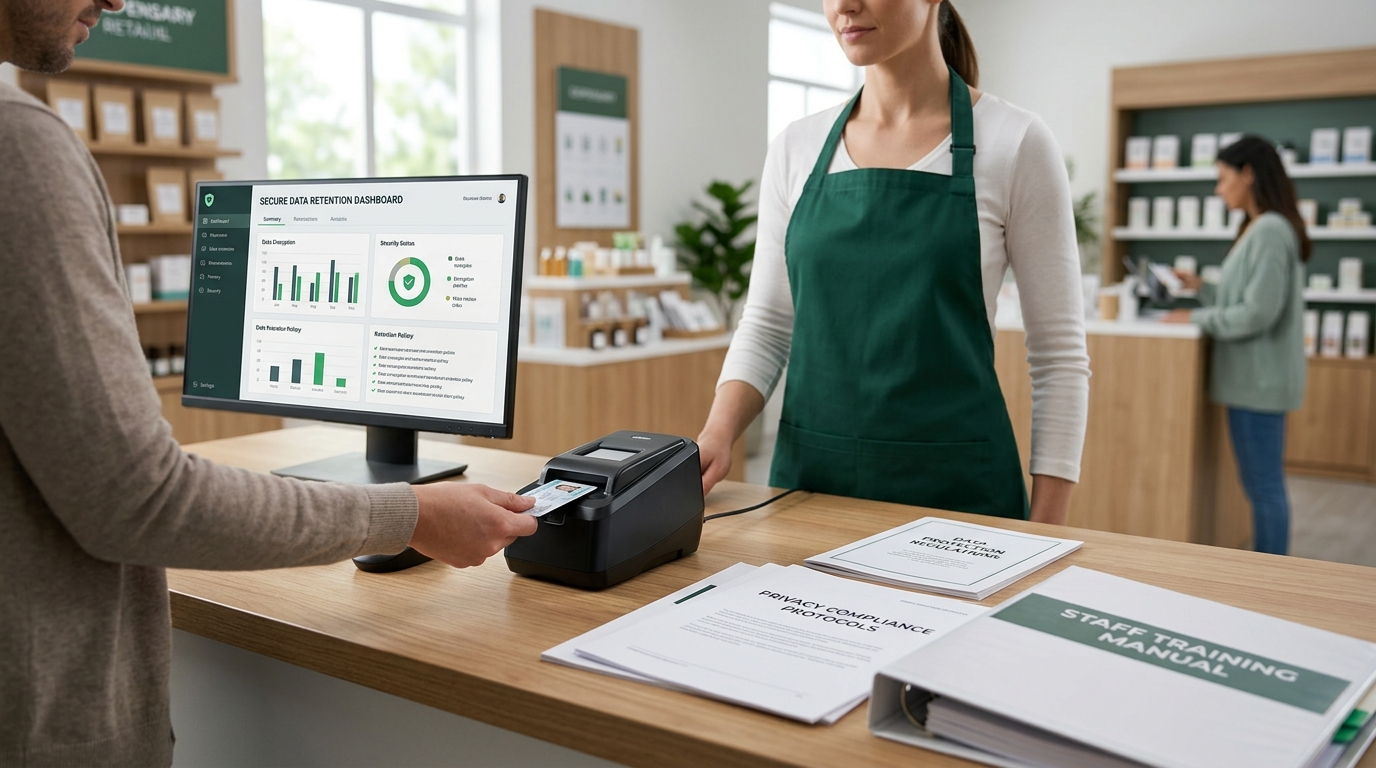
Dispensaries in 2026 must align ID scan and loyalty data retention with state privacy laws covering data minimization, purpose limits, and deletion triggers.
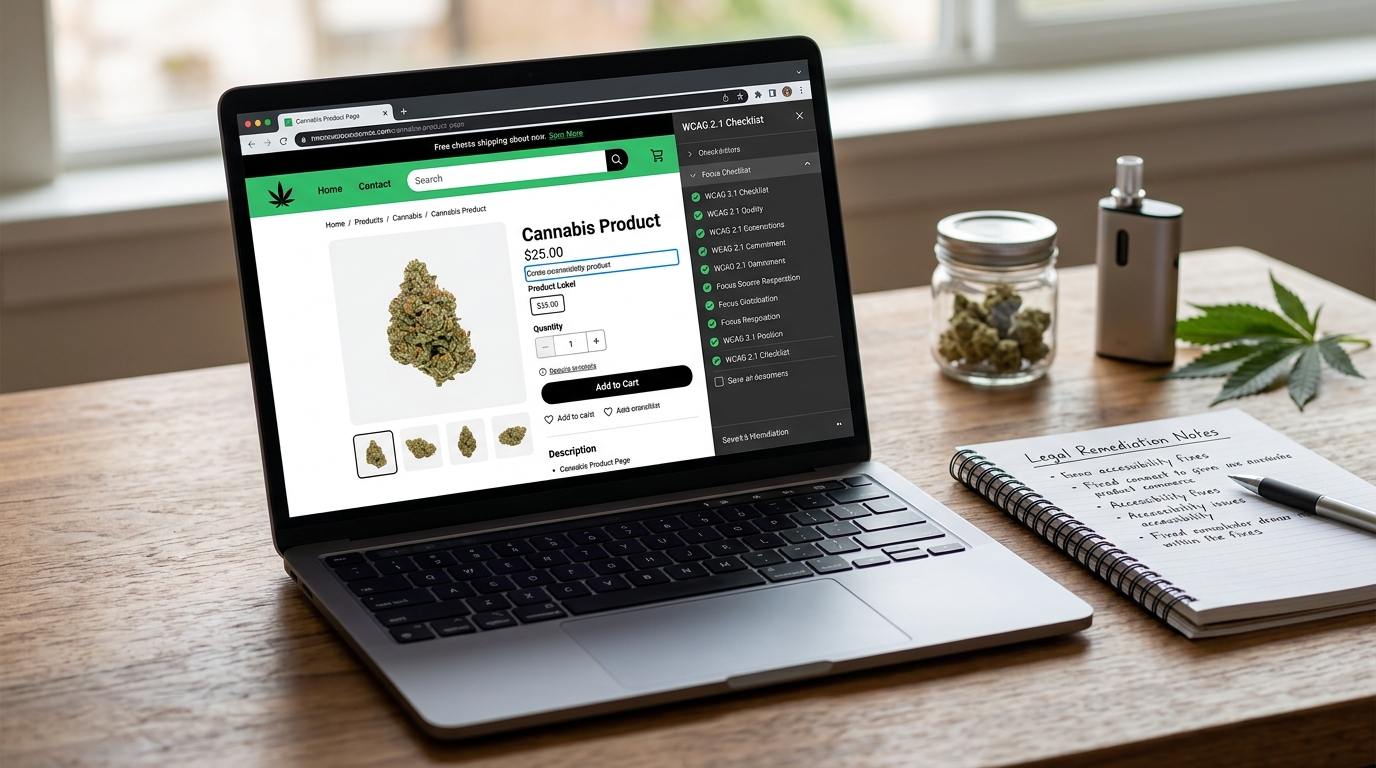
Cannabis ecommerce sites face WCAG litigation risk across age gates, menus, and checkout flows, with remediation tied to ADA and DOJ accessibility guidance.
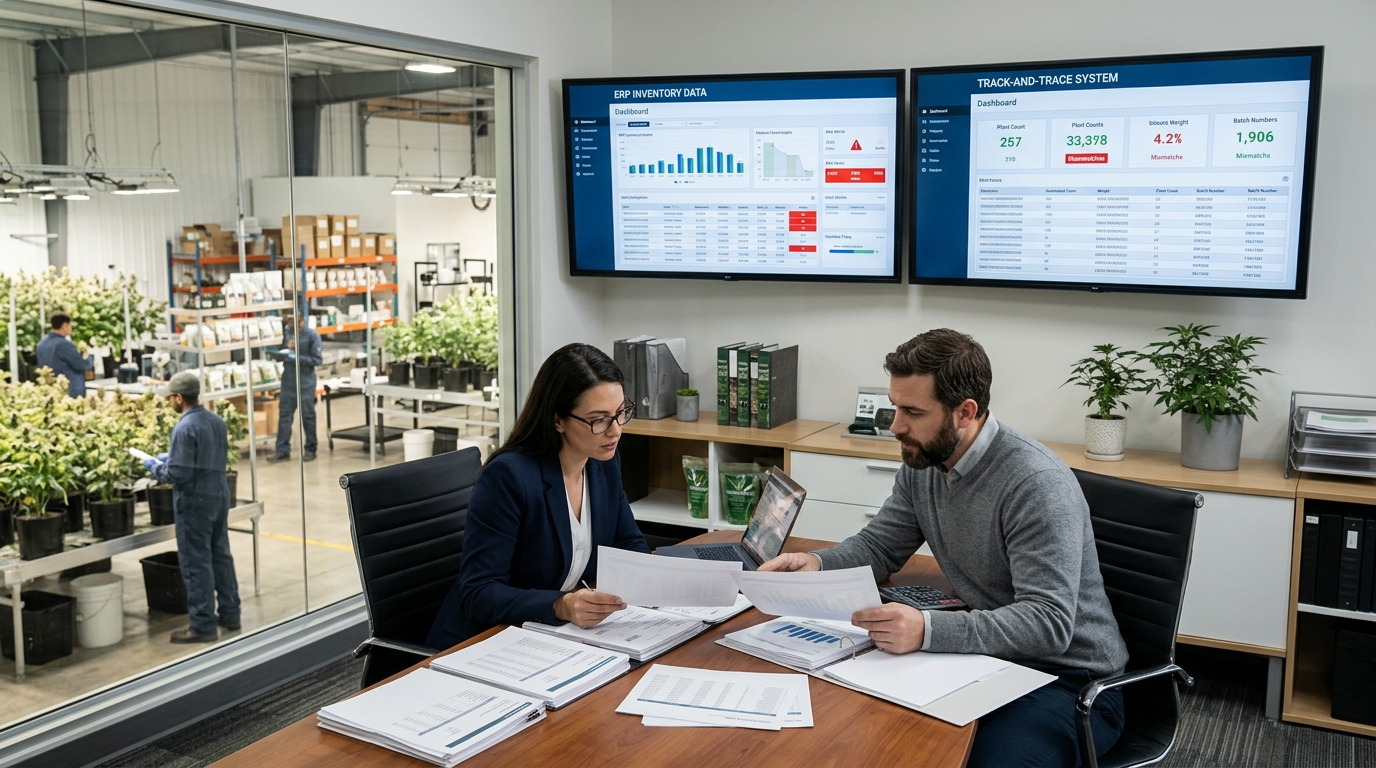
ERP and Metrc inventory drift comes from unit mismatches, timing lag, returns, destructions, and split-merge events that month-end controls can detect early.
Multi-state dispensary wage-and-hour risk concentrates in scheduling, overtime calculation, off-the-clock work, and inconsistent meal and rest documentation.
Cannabis delivery contractor classification risk depends on operational control, state legal tests, and regulated procedure requirements that vary by state.
Hemp DTC brands can stabilize processing relationships by treating chargebacks, friendly fraud, and high-risk MCC controls as a payments compliance system.
NIST SP 800-63-4 reshapes what reasonable age-gating looks like for hemp-THC and cannabis e-commerce in 2026, even though it is not a cannabis rulebook.
New Jersey's S4509, signed January 2026, ends the intoxicating-hemp grey market with a licensing regime, age gates, and a fundamental compliance reset.
How hemp operators build a 2026 ship-block-by-law engine as federal definitions tighten, states get aggressive, and carriers enforce prohibited-goods policies.
Belgium FAMHP and FASFC are tightening CBD classification controls in 2025 while the EU novel food bar for ingestible cannabidiol products remains high.
Massachusetts CCC social consumption regulations took effect in early 2026, setting dual-track planning for on-premise adult-use service and hemp THC drinks.
The UK Digital Markets, Competition and Consumers Act took effect 6 April 2025, exposing CBD e-commerce to CMA enforcement on drip pricing and reviews.
Italy Decree-Law No. 48 of 11 April 2025 sharply restricted hemp inflorescences and CBD derivatives, raising EU infringement risk for cross-border sellers.
Wisconsin gave hemp vape devices a directory carveout delaying the sell prohibition to July 1, 2026 and dollar-per-day forfeitures to September 1, 2026.
Quebec SQDC launched cannabis vape sales on 26 November 2025 under a 30 percent THC concentration cap and a framework allowing only cannabis terpenes.
British Columbia LCRB weekly Producer Retail Store statistics offer a near-real-time read on 2025 farmgate pipeline activity and direct-sales sentiment.
British Columbia LDB cannabis wholesale faced a BCGEU overtime ban from 12 September 2025 and a temporary closure on 22 September 2025, disrupting dispatch.
Ohio Division of Cannabis Control single-serving unit packaging and label attestations under August 1, 2025 SSU guidance require written DCC authorization.
Massachusetts CCC approved final social consumption rules December 11, 2025 and the Secretary promulgated them January 2, 2026, shaping THC beverage events.
Missouri cities and counties used 2025 emergency ordinances and ballot measures to restrict intoxicating hemp sales to 21-plus buyers or licensed dispensaries.
California Proposition 65 exposure on vape hardware in 2025 demands a procurement-led lead-free program with wetted-part controls and lot-level verification.
State attractive-to-children shape bans for hemp and cannabis gummies in 2025 are subjectively enforced, pushing brands to design for the strictest standard.
EU General Product Safety Regulation 2023/988 has applied since 13 December 2024, imposing product-page disclosures and EU economic operator coverage.
Massachusetts, New Hampshire, and Maine handle intoxicating hemp and low-dose THC drinks under different 2025-2026 frameworks, forcing ship-block routing rules.
Massachusetts is weighing a $4.05 per gallon excise on hemp beverages and CCC oversight; this models price impact and retailer pass-through scenarios.
Massachusetts CCC final social consumption rules took effect January 2, 2026, opening lounge, host, and event pathways with strict age and venting gates.
EU Regulation 2023/1542 brings producer EPR registration, QR labeling, and take-back duties to rechargeable vape devices on EU markets in 2025 and 2026.
NIST SP 800-63-4 final, released July 2025, sets the benchmark for cannabis and hemp e-commerce age gates, ID proofing, and delivery checks at checkout.
New Jersey's 2025 consumption area endorsement is dispensary-tied, with municipal gatekeeping, ventilation rules, and serving limits delaying launches.
Nevada's September 2025 enforcement sharpened on youth-appeal cannabis packaging and candy mimicry, triggering stop-sales on otherwise compliant SKUs.
Pennsylvania's cannabis legalization momentum stalled in September 2025 after the Governor urged a pause on new bills, leaving hemp THC drinks in limbo.
Florida's 2025 Operation Safe Summer pulled more than 155,000 hemp packages under Rule 5K-4.034 for youth appeal, packaging, and labeling failures.
Alabama, Tennessee, and Kentucky are moving hemp-derived THC beverages to ABC three-tier distribution, age-21 gating, and alcohol-style excise in 2025.
Cannabis and hemp vape retailers in 2025 face tighter due diligence demanding UL 8139 device certification, IEC 62133-2 cells, and UN 38.3 transport.
Draft hemp-derived THC beverages on tap face conflicting state frameworks in 2025, lost label warnings at point of service, and food-contact keg rules.
A new Pennsylvania hemp trade group launched late 2025 is pushing age-21 access, potency caps, and a clear line between CBD wellness and delta-8 products.
Wisconsin's hemp Electronic Vaping Device Directory takes effect July 1, 2026 with $1,000 per device per day forfeitures starting September 1, 2026.
Answer your real world compliance questions (limited time) and save thousands in legal fees and avoided fines.