
Latest Posts
Latest Cannabis & Hemp Regulations & Compliance updates
What do you need to know about cannabis and hemp in your state or country?
Every update from cannabis and hemp industry.
What do you need to know about cannabis and hemp in your state or country?
Every update from cannabis and hemp industry.
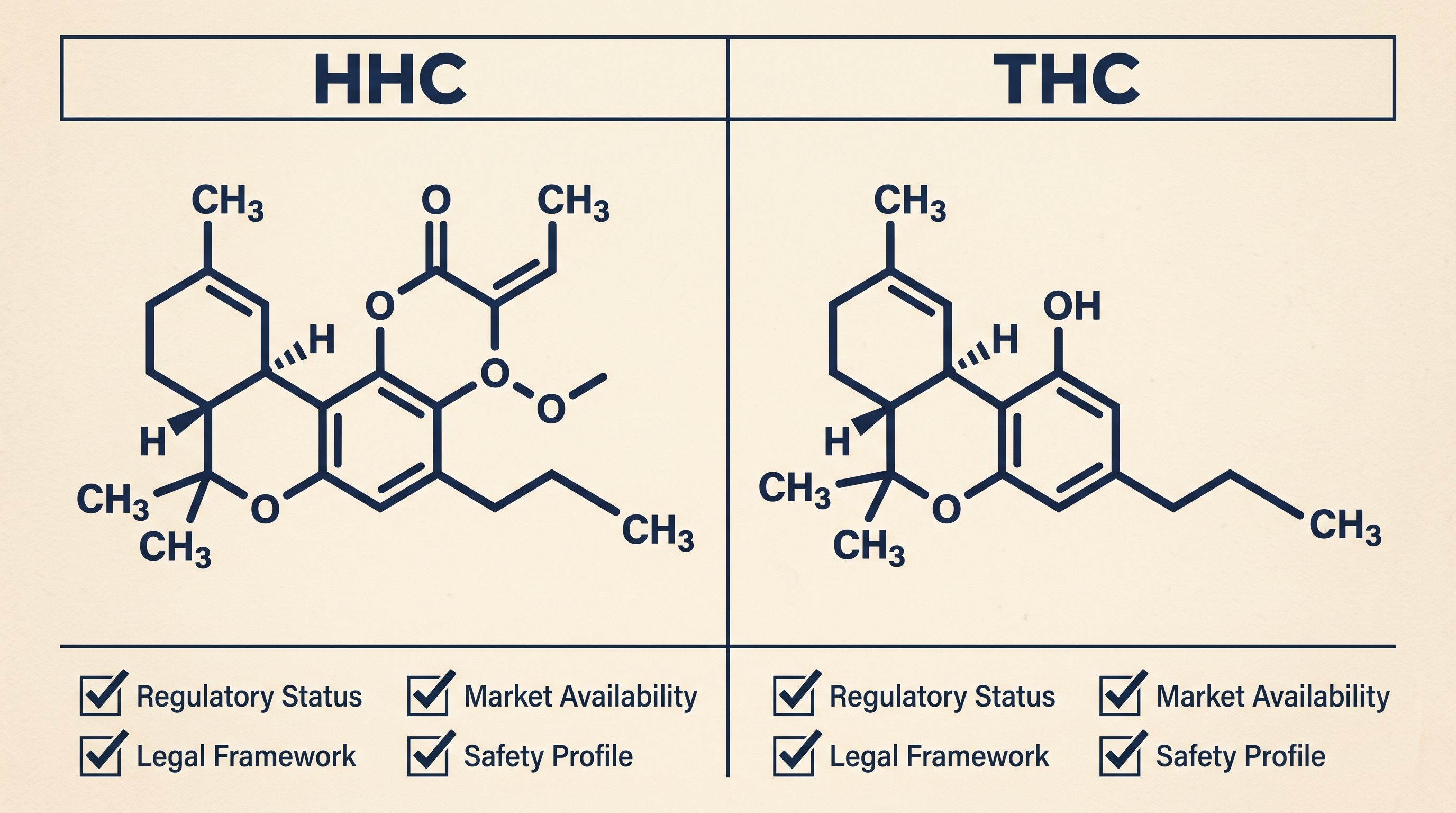
HHC and THC differ by one chemical step — and a widening legal gap. What the 2026 federal changes mean for each, state by state.
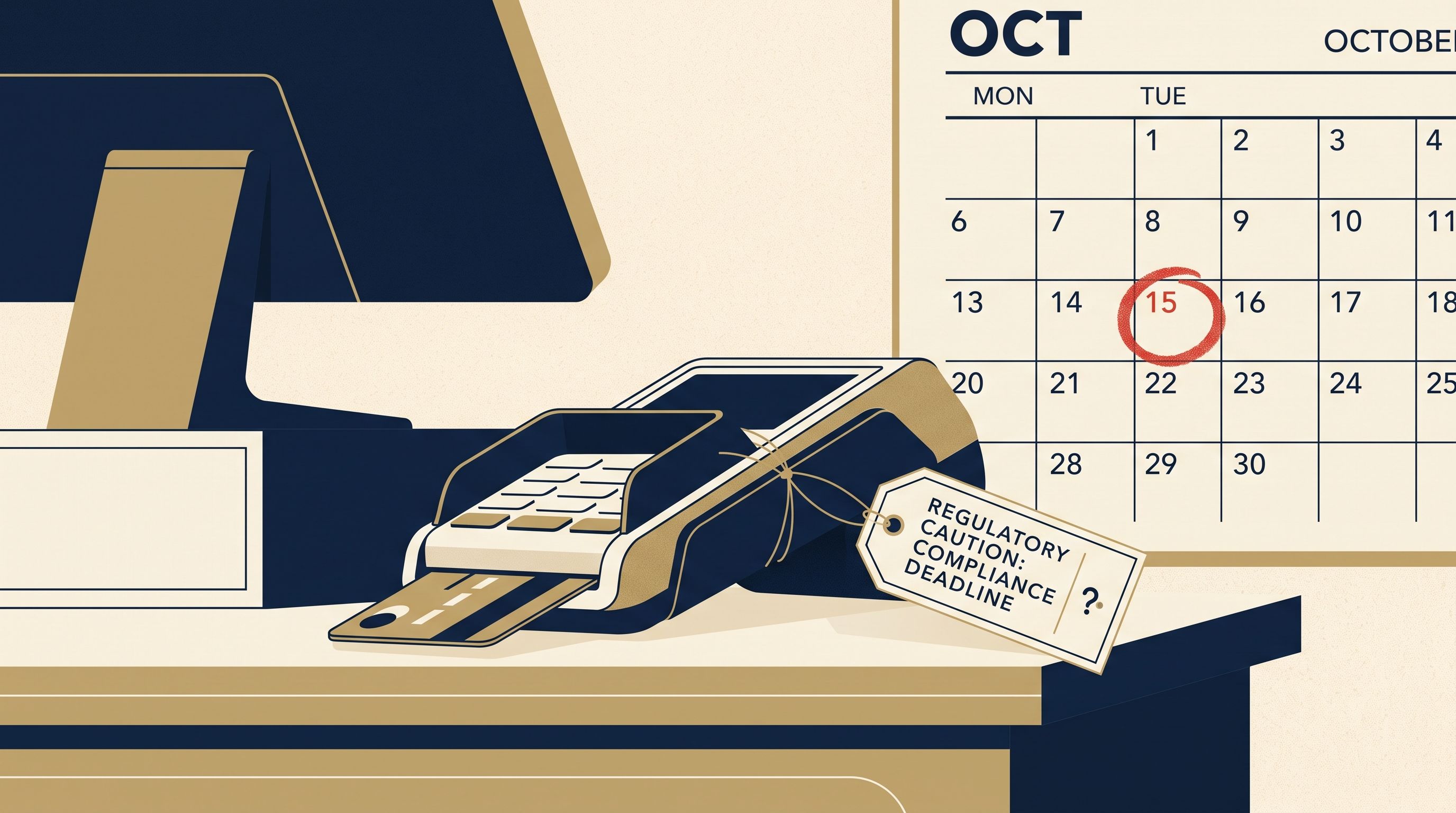
Square told merchants to pull CBD and hemp items by October 15 — a private deadline that lands before the federal ban, delay or not.
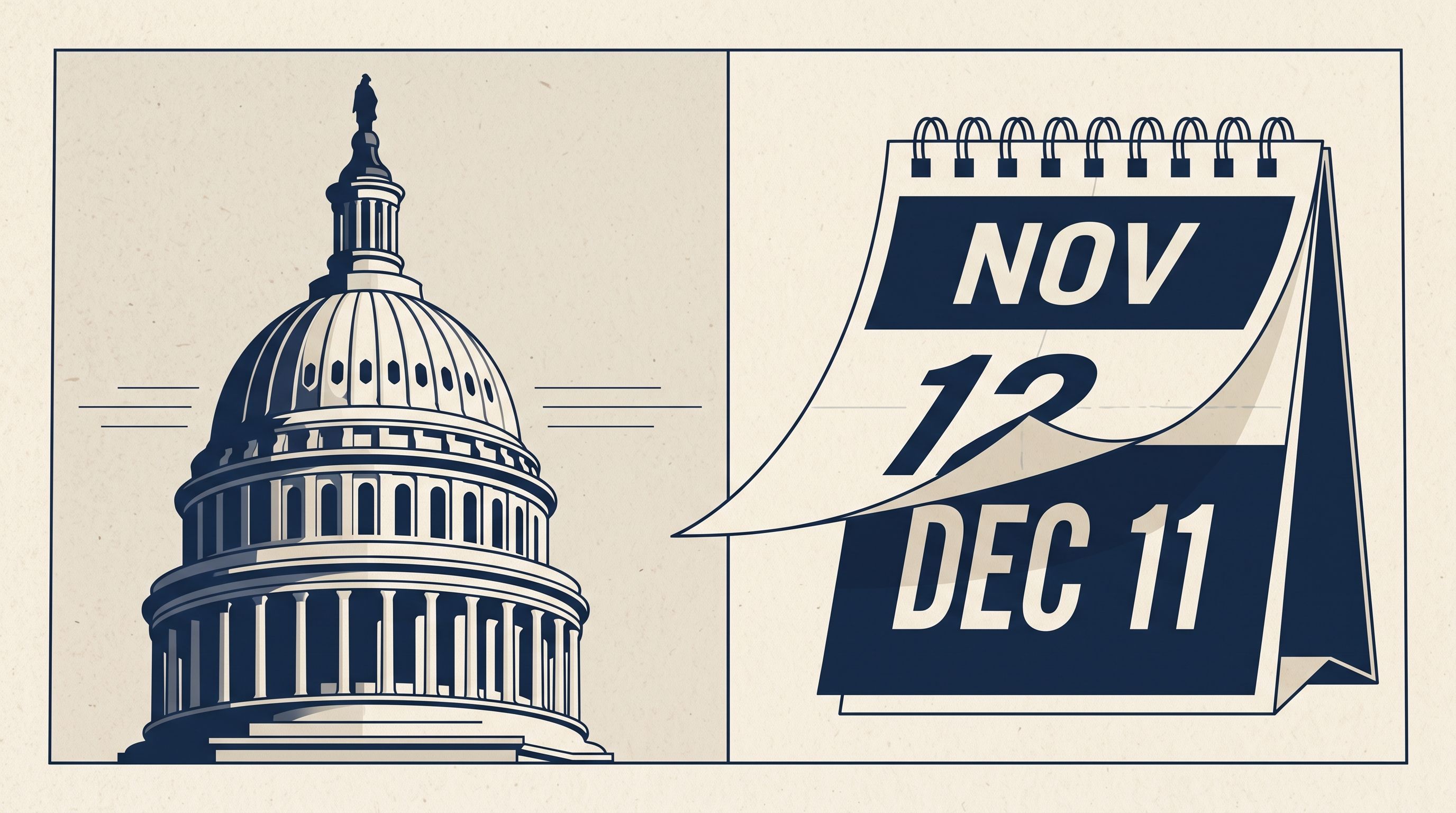
The Senate's funding bill pushes most of the hemp recriminalization to December 11 — but the House hasn't agreed, and synthetics still fall November 12.
.jpg)
Sponsored guest post: why genetics — not luck — determine what a seed pack delivers, and how to tell verified lineage from generic seed stock.
Sponsored guest post: the signals that separate a compliant, trustworthy cannabis seed bank from one cutting corners — and the red flags worth checking first.
Sponsored guest post: why cannabis seed rules differ so much across Europe, what changed heading into 2026, and what buyers should verify before ordering.
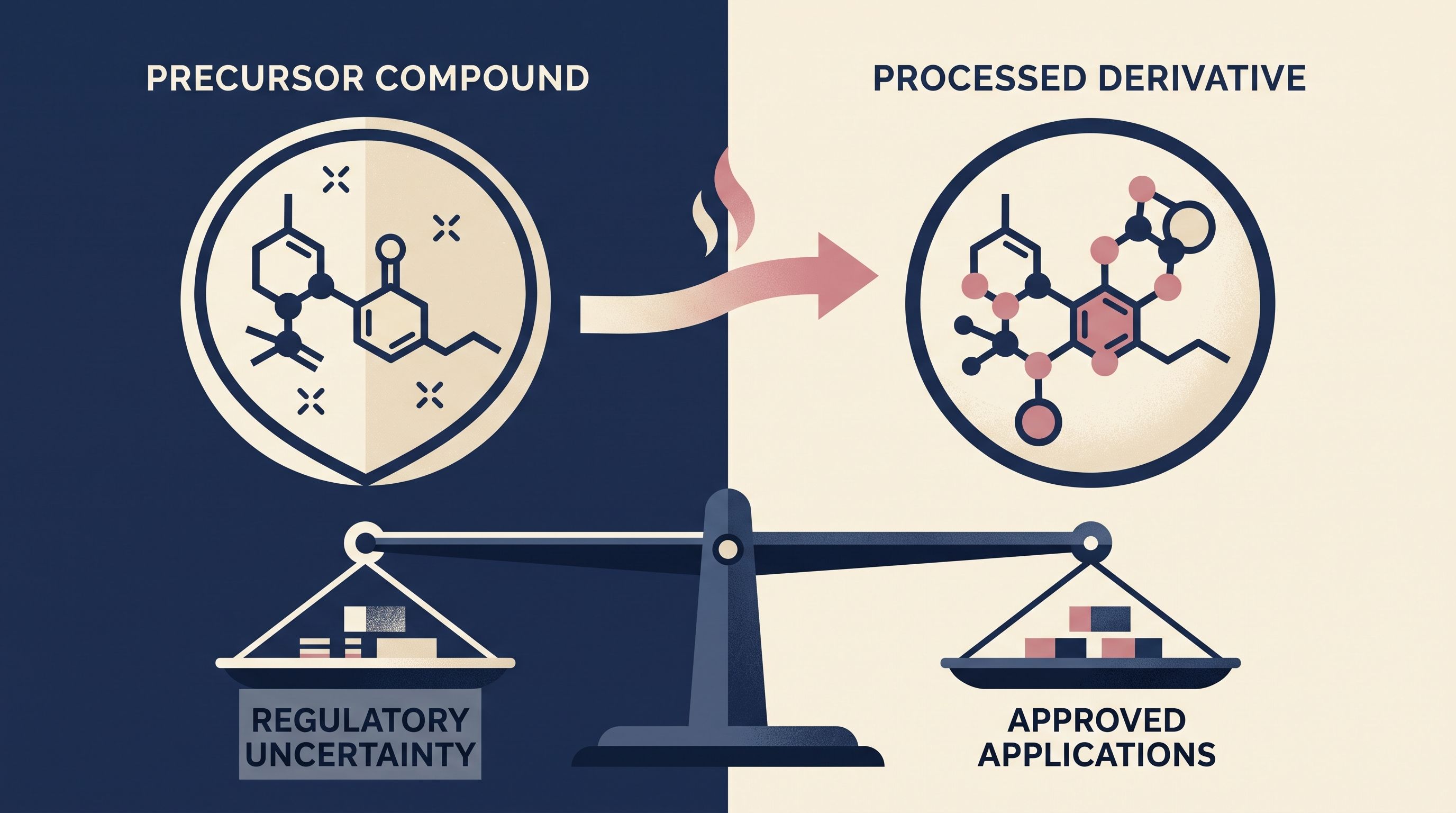
Chemically a heat step apart, legally worlds apart — until the November 12 total-THC standard closes the gap. What operators and buyers need to know.
Gov. Meyer signed a dual-channel THC drinks law: dispensaries and liquor stores both sell, with state packaging, testing and advertising rules attached.
A new AG enforcement unit, a federal lawsuit, and a 2 mg cap all land in the same month. Virginia hemp retail is about to be the most-watched market in the country.
Texas went Schedule I on most hemp THC, Virginia stood up an enforcement unit before its 2 mg cap, and Delaware wrote the East Coast THC-drinks playbook.

The Texas Supreme Court cleared DSHS to enforce its 2021 schedule — and on July 31, most hemp THC products became Schedule I. Here are the ten facts that matter.
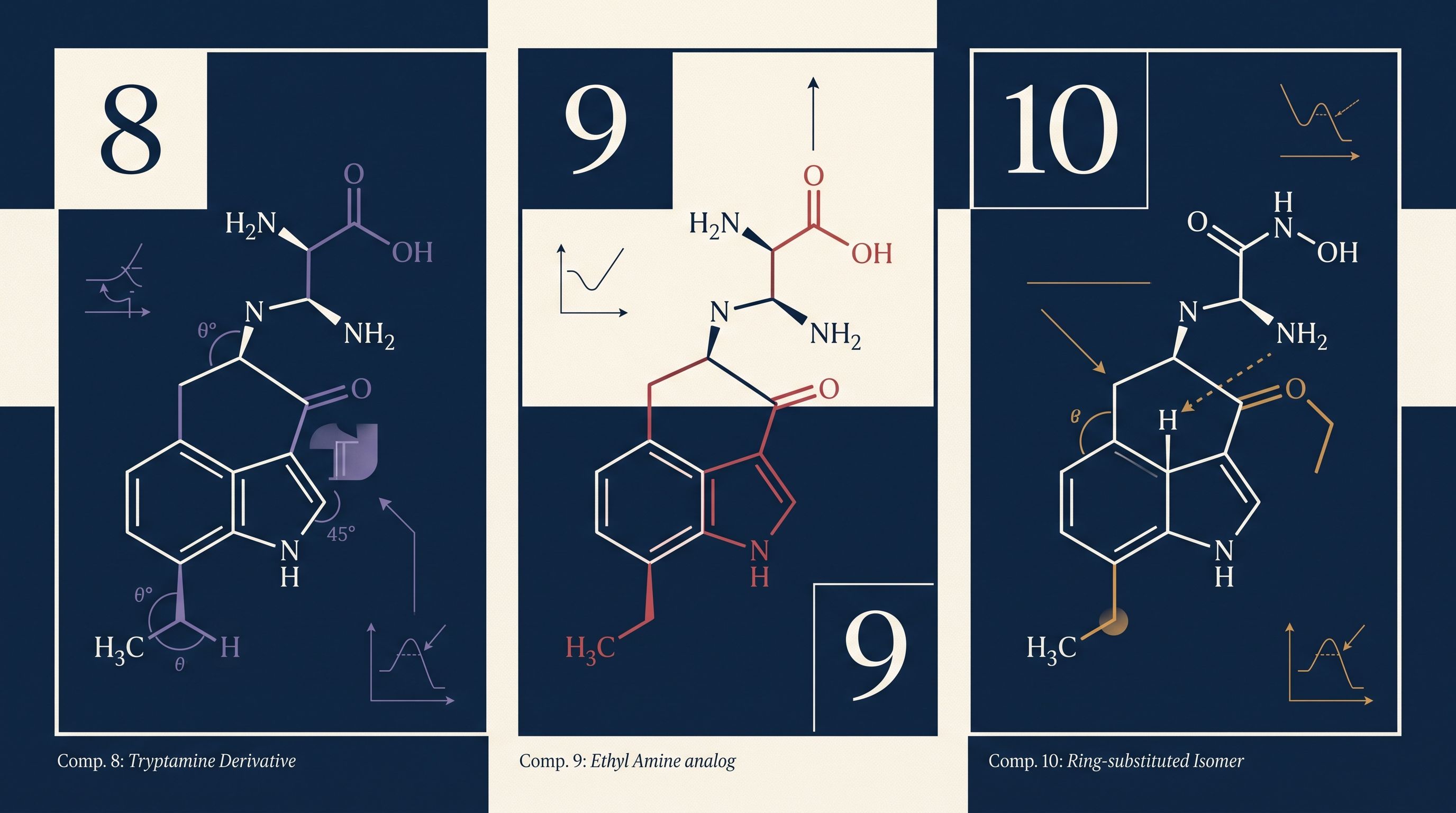
Three THC isomers, three legal stories. Which is strongest, which states ban which, and what November 12 changes for all of them.

Cannabis businesses pay surplus-lines prices for thin coverage because insurers fear federal exposure. A new bipartisan bill takes aim at exactly that.

Three weeks before Virginia's 2 mg cap bites, hemp businesses say they'll ask a court to stop it — borrowing the playbook that half-worked in Ohio.
Barr and Craig filed the first real vehicle to avert November 12 — with a 1% total THC standard and alcohol-style rules for THC drinks. THCA flower is left out.
CAOA was filed July 16 with a hemp-recriminalization block. Sen. Sheehy says a bipartisan fix can pass. Four months out, here are the realistic paths.

Judge Helmick's preliminary injunction lets 10 hemp-beverage plaintiffs keep selling while SB 56 binds everyone else. The AG wants a stay.

One is raw acid, one is a converted cannabinoid — and the law treats them very differently. A regulatory comparison with state-by-state links.

A 2 mg THC cap hits Virginia hemp products August 15, regulators shifted, and lawmakers may have accidentally repealed penalties. A compliance rundown.

Massachusetts certified a ballot measure to roll back legalization — the first of its kind. A rundown of what it would change for the state's licensed market.
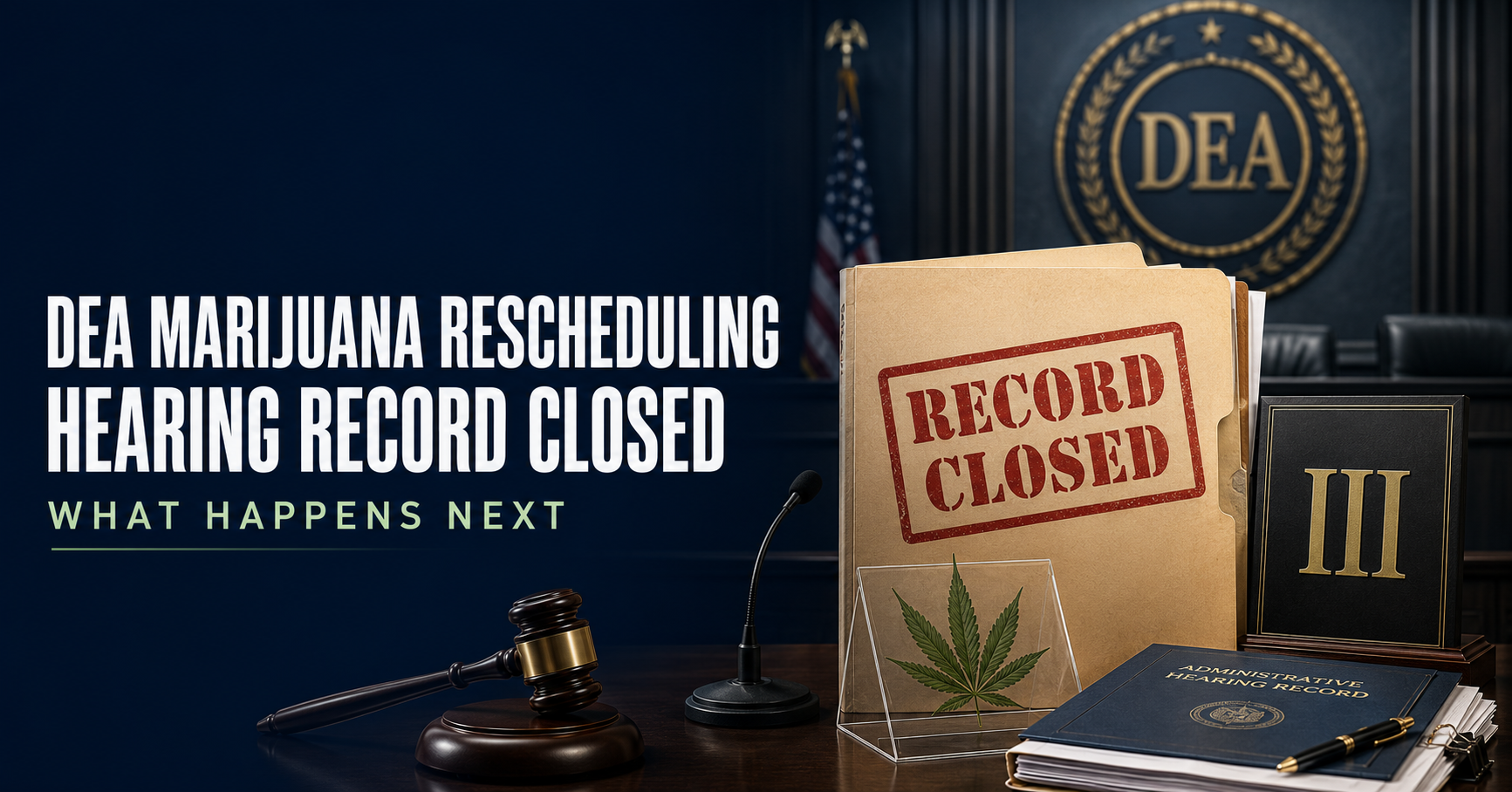
The evidentiary record is closed. The opposition's star witness conceded marijuana meets Schedule III criteria. Here's the timeline from ALJ recommendation to final rule.
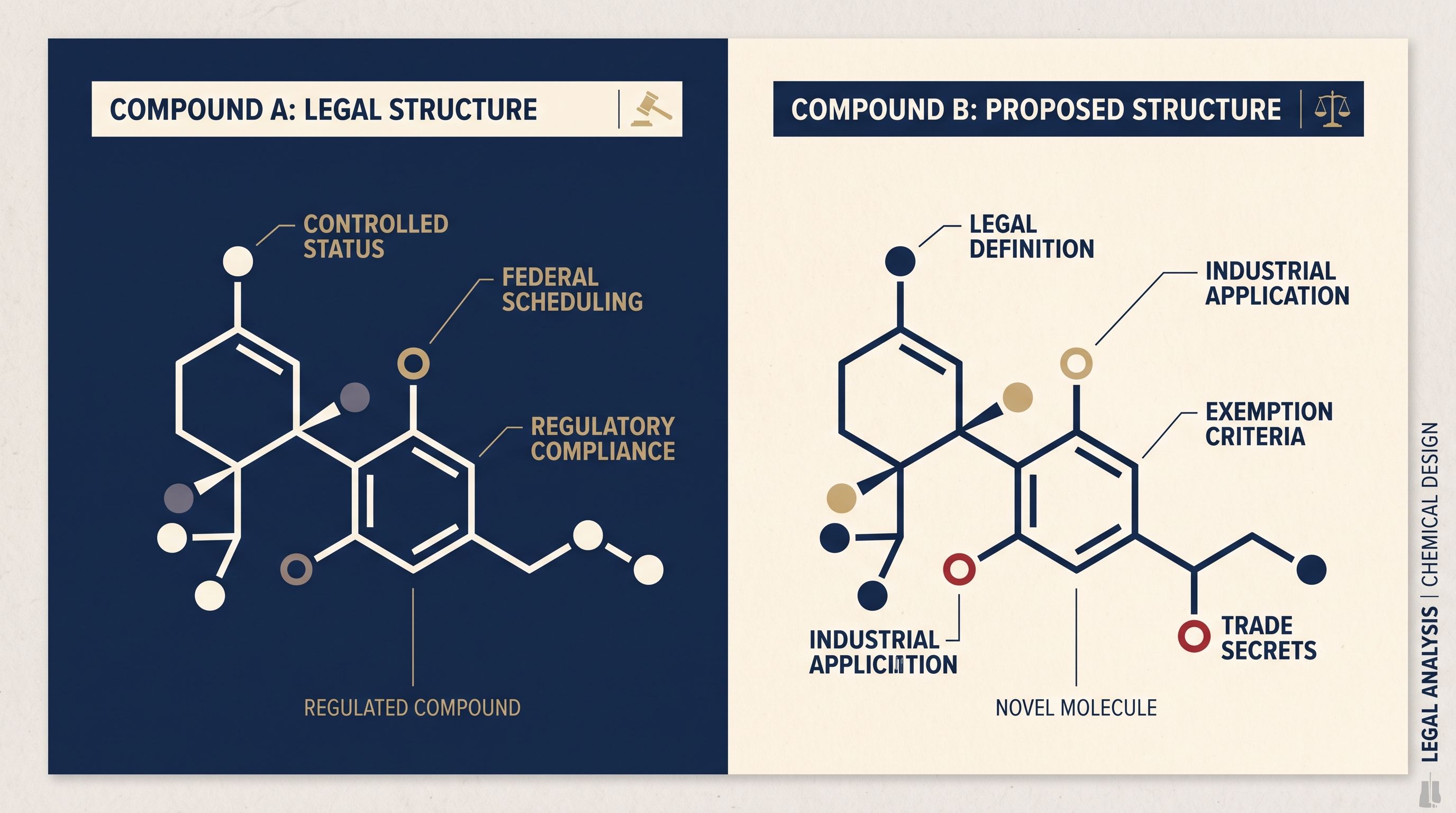
HHC and Delta-8 look similar on a shelf but sit in different legal worlds. How federal scheduling and state law treat each cannabinoid in 2026.
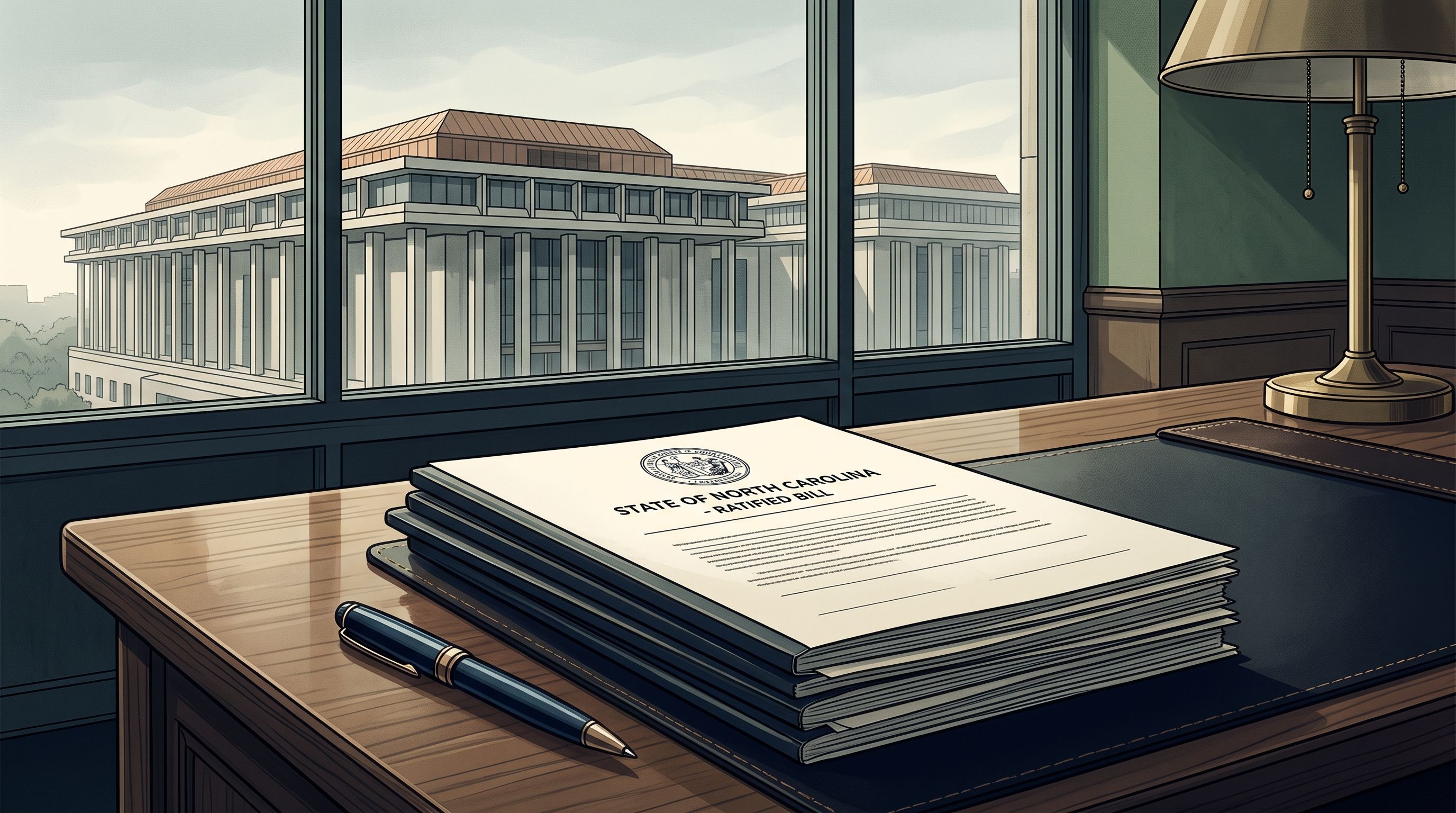
NC lawmakers sent a compromise hemp THC, kratom, and xylazine bill to the governor. The total-THC standard redraws the state's THCA flower market.
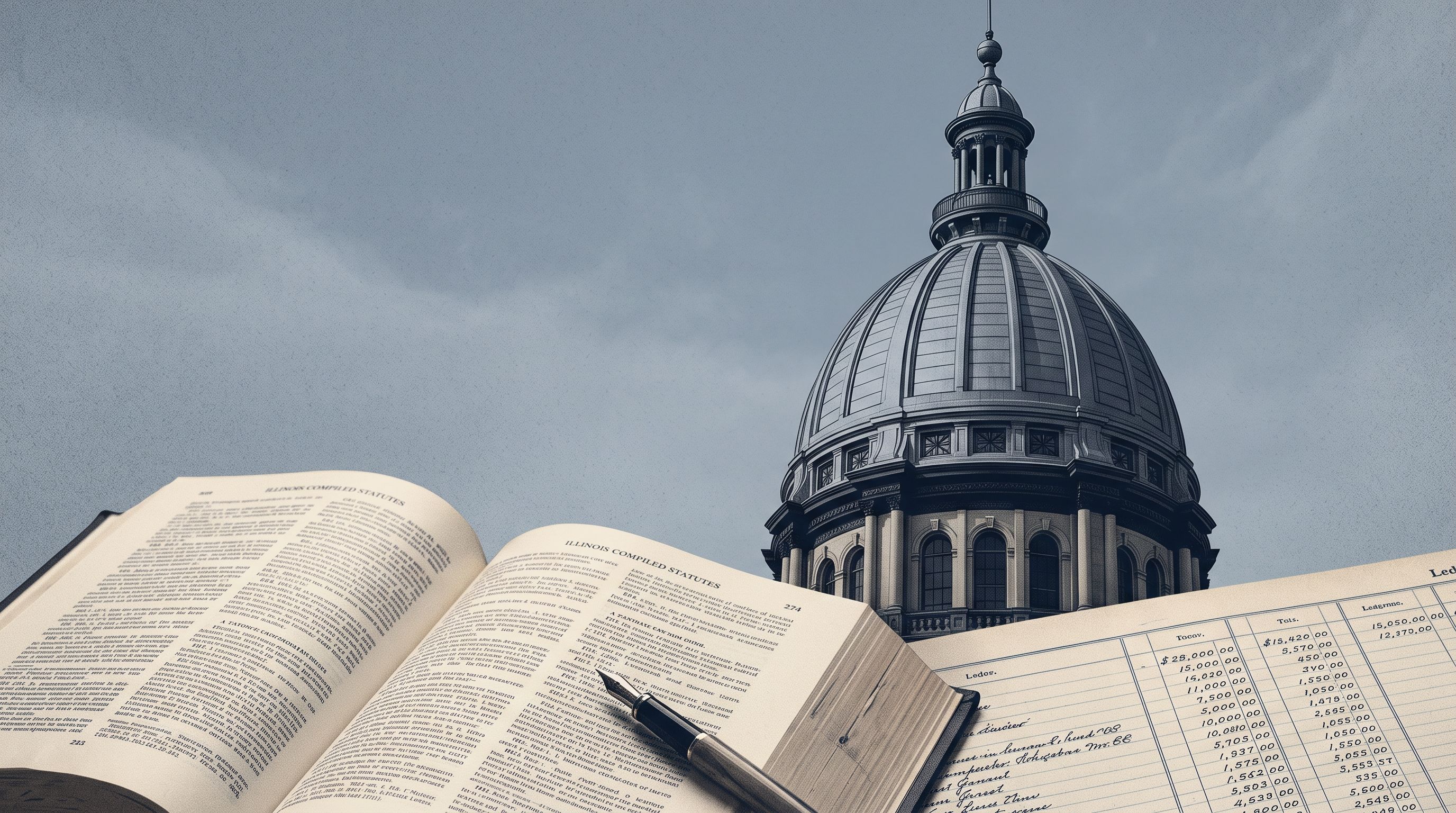
Gov. Pritzker signed an omnibus that doubles possession limits and squeezes hemp THC products. A compliance rundown for Illinois operators and hemp brands.

Government witnesses defended cannabis's medical value while opponents attacked the FDA's test. Here's what happened in week one and what's left.

Though HHC and HHC-A share a chemical lineage, they are distinct compounds with different potency levels and legal statuses. Understanding the gap between "not yet illegal" and "confirmed legal" is essential for any consumer navigating today's complex cannabinoid market.
A 2026 guide to THCA legality in Texas, including how total-THC testing and the federal hemp redefinition affect THCA products.

A 2026 guide to Delta-9 legality in Texas: hemp-derived vs. marijuana, THC limits, and compliance steps for retailers and brands.
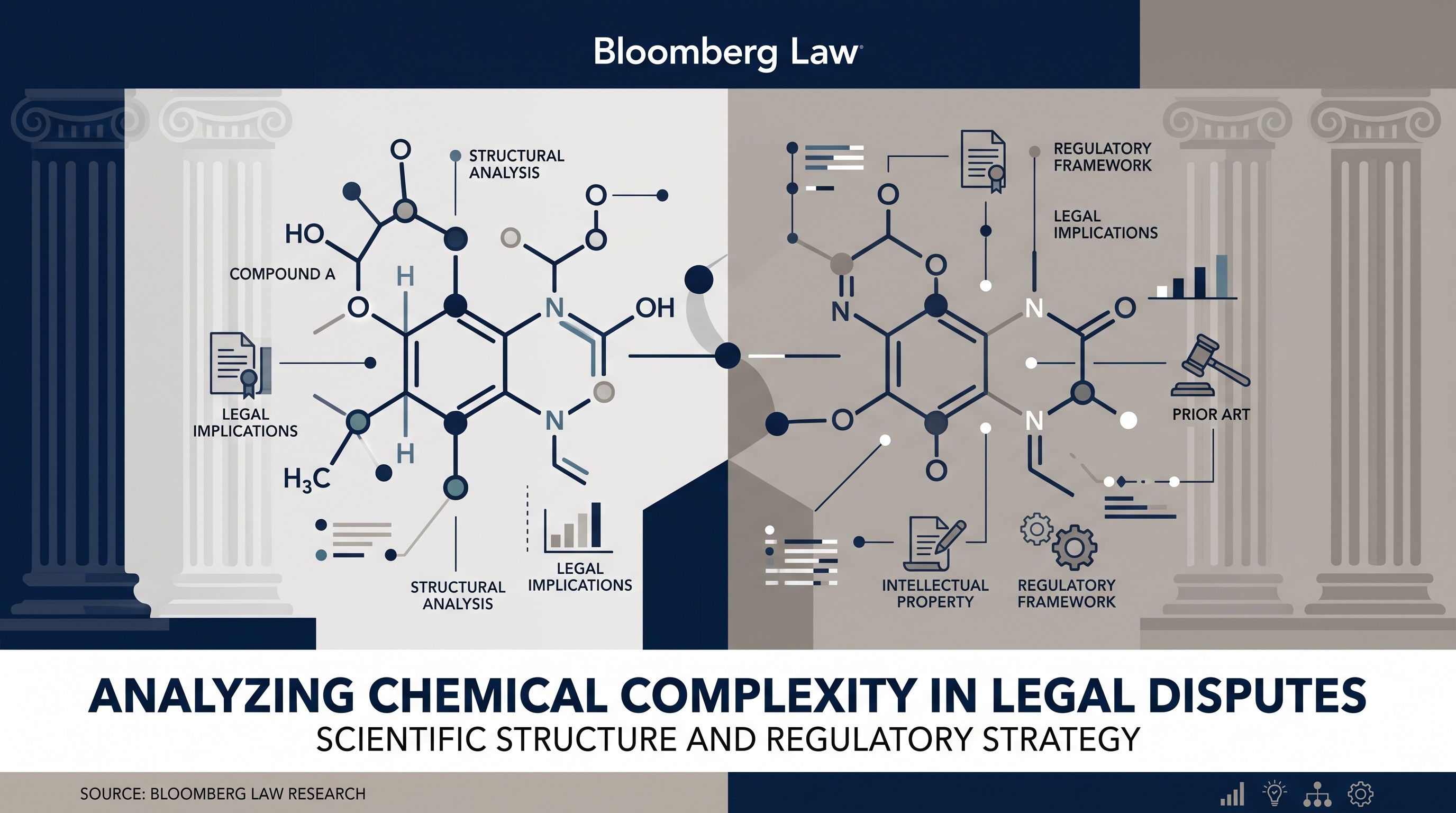
A regulatory-first comparison of Delta-8 and Delta-9 THC: legality, potency, sourcing, and compliance differences in 2026.
The executive branch urged Congress to soften the November hemp cliff — the strongest signal yet that the redefinition could move.
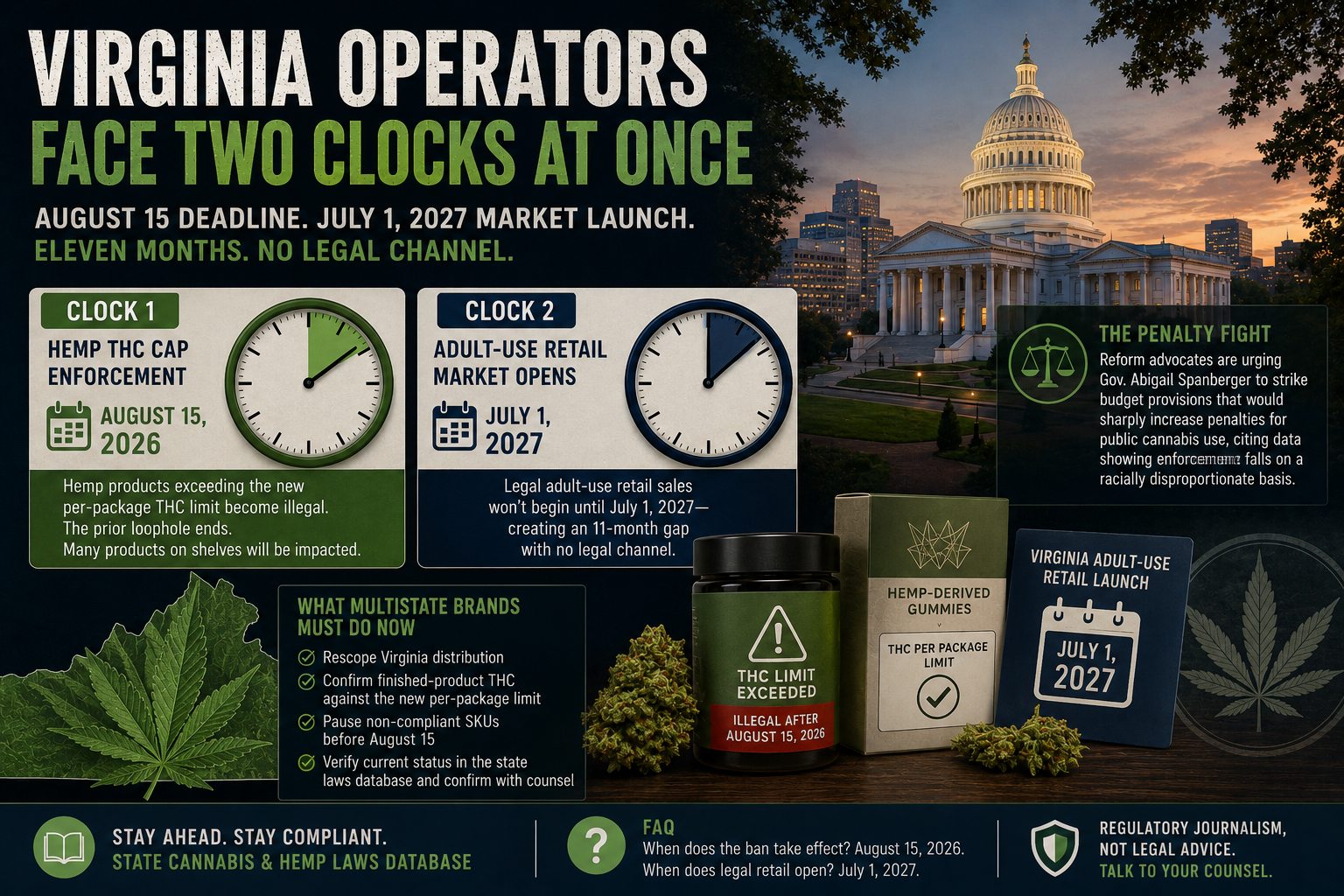
Virginia's August 15 hemp cutoff arrives 11 months before legal retail. What operators and multistate brands must do before the deadline.
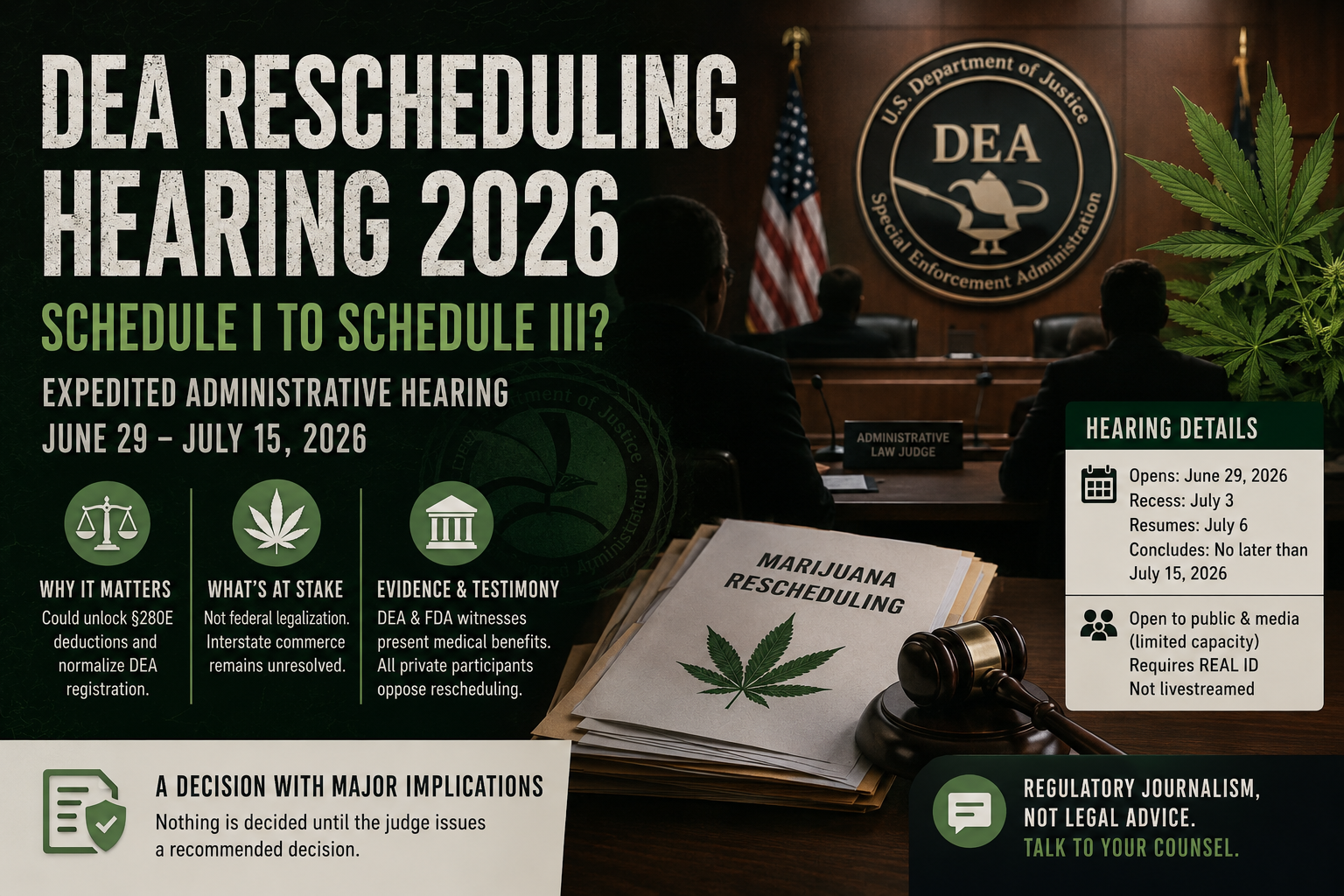
The DEA's expedited rescheduling hearing runs June 29 to July 15. Who's testifying and what a Schedule III decision would change for operators.
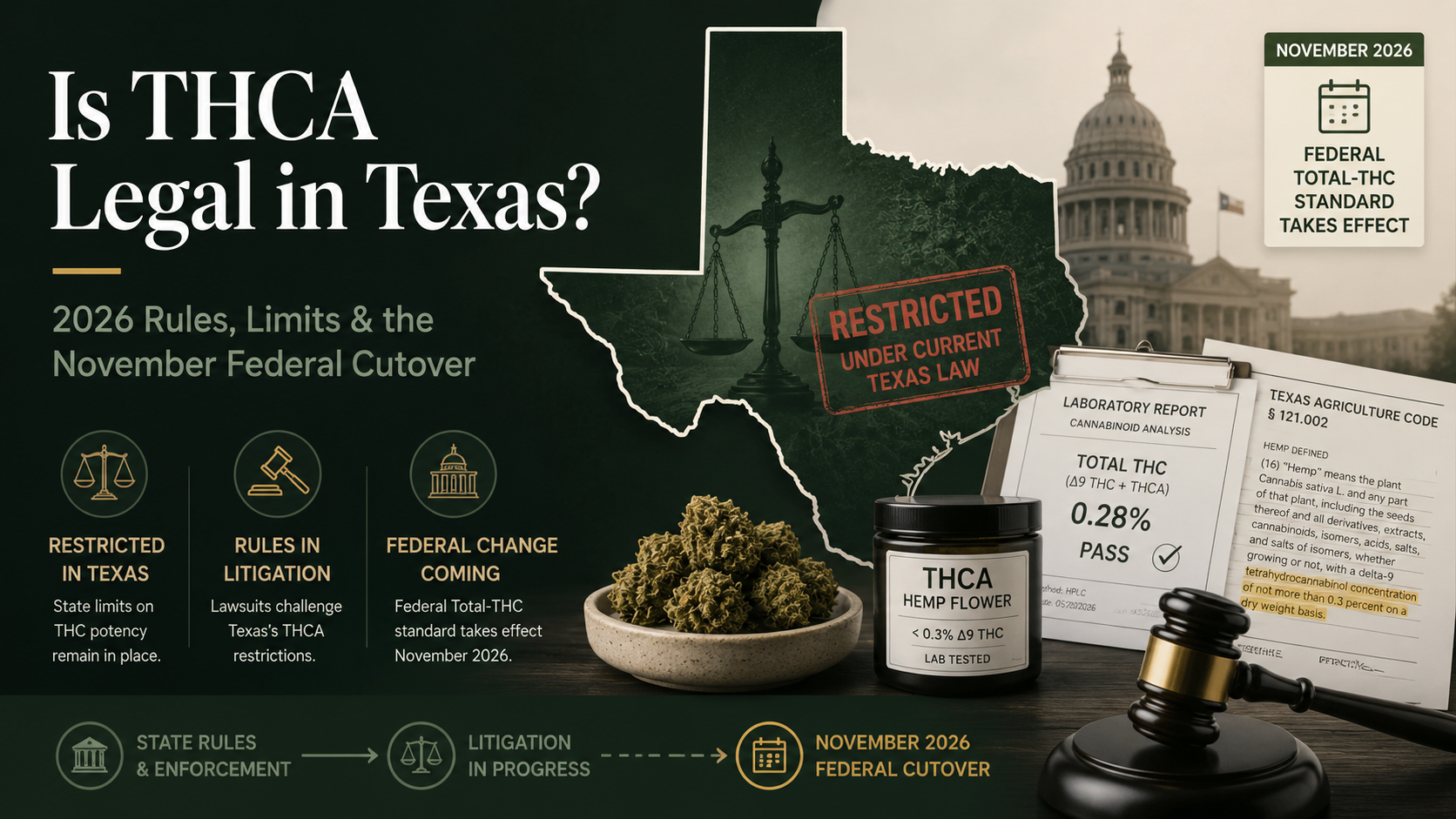
Texas now counts THCA toward its THC limit, restricting THCA flower and concentrates. A look at the 2026 rule, the litigation, and the November federal cutover.
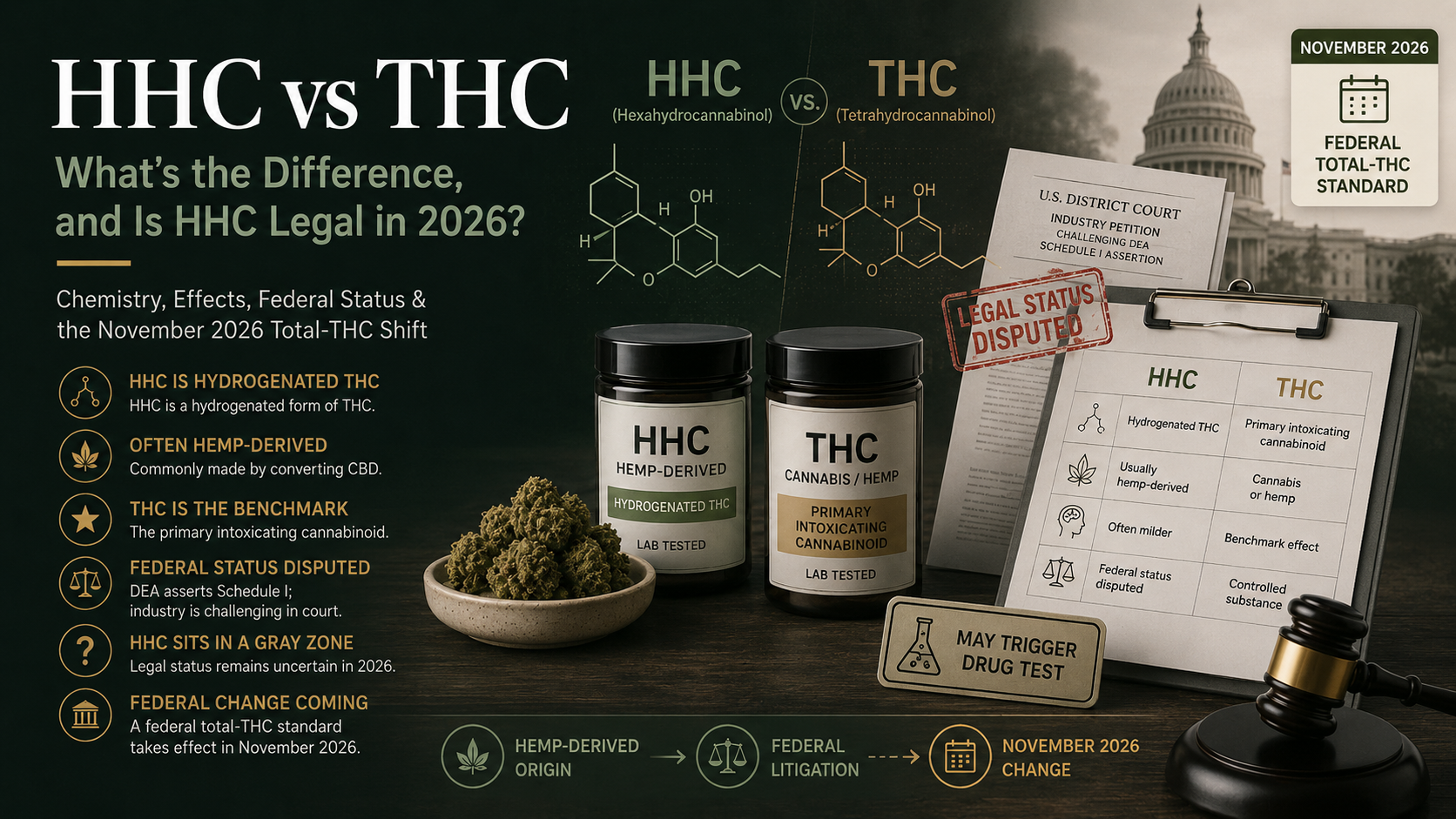
A regulatory guide to HHC vs THC: what HHC is, how it compares with delta-9 THC, and where its contested legal status stands in 2026.

The U.S. Embassy in Mexico warns World Cup travelers that importing marijuana, including medical cannabis, is illegal regardless of a U.S. state card.

A federal judge granted 10 hemp companies a temporary restraining order on June 15, pausing Ohio's SB 56 hemp-drink ban while a dormant Commerce Clause challenge proceeds.

A drug-testing trade group and a pharmaceutical company asked a federal appeals court to freeze marijuana rescheduling, reviving uncertainty over 280E relief and DEA registration.
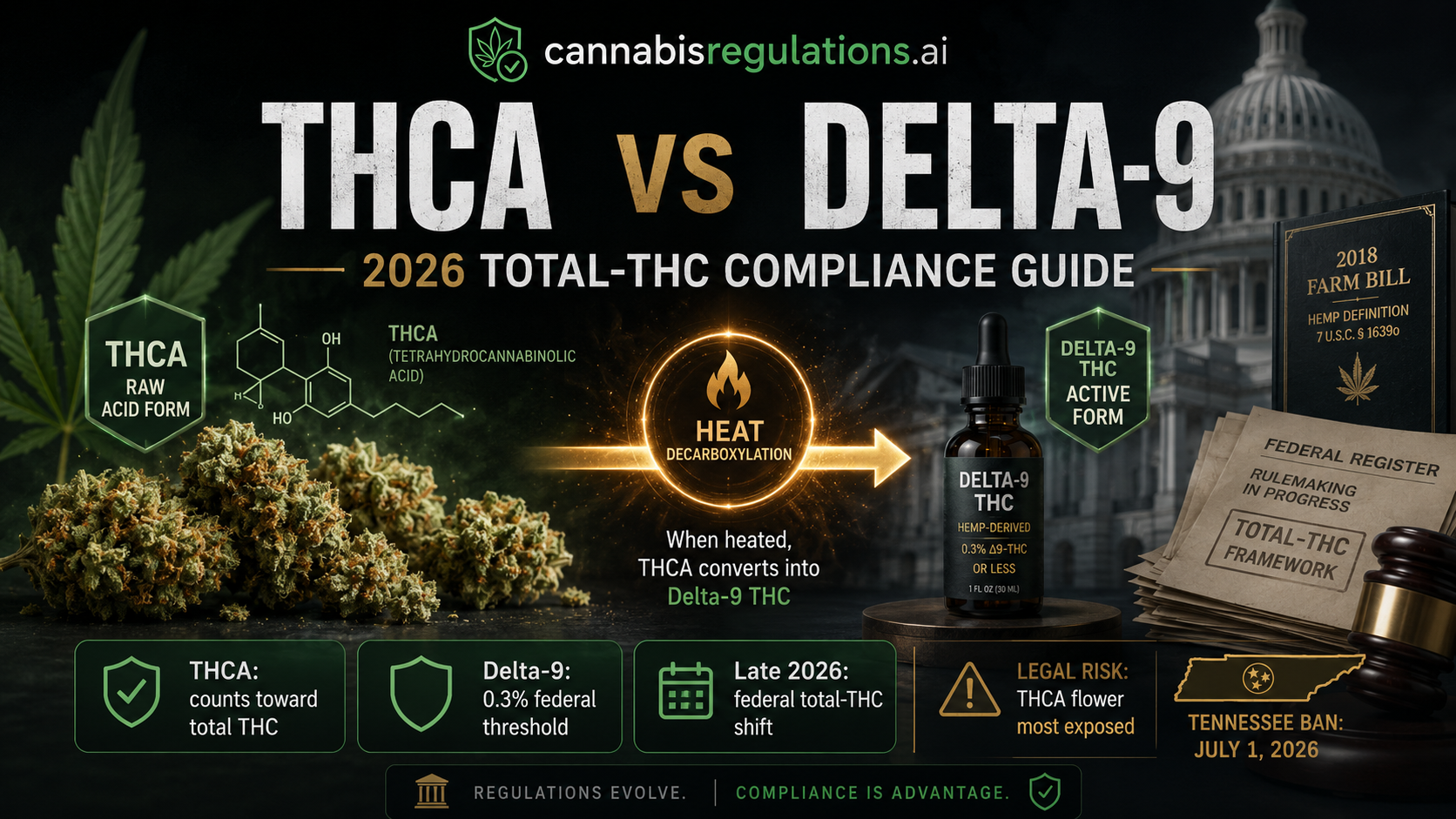
THCA converts to delta-9 THC when heated. Here's how the law treats each and why the 2026 total-THC standard reshapes the THCA flower market.
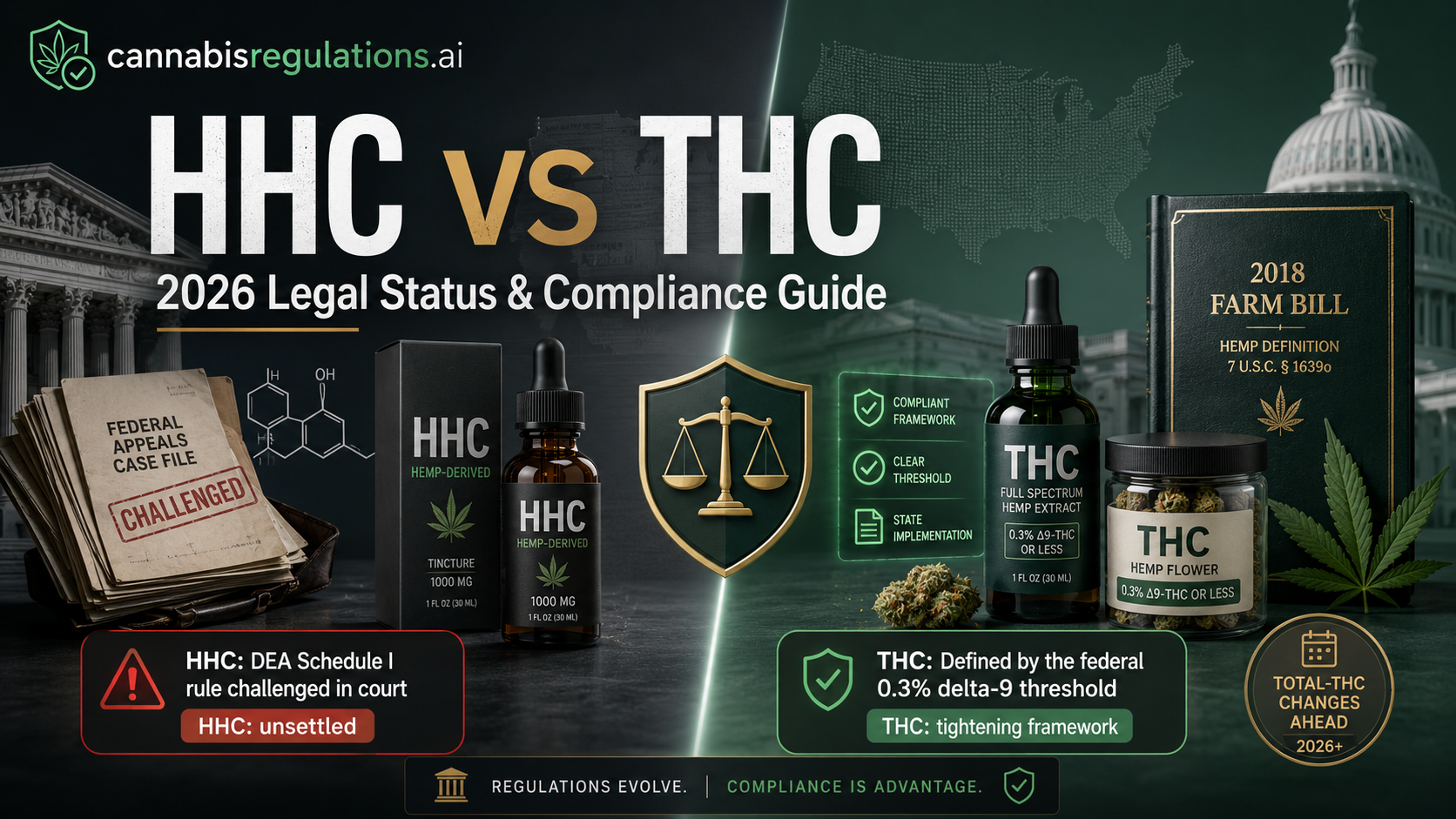
How the law treats HHC vs THC, where they diverge, and what the 2026 federal changes mean for compliance.
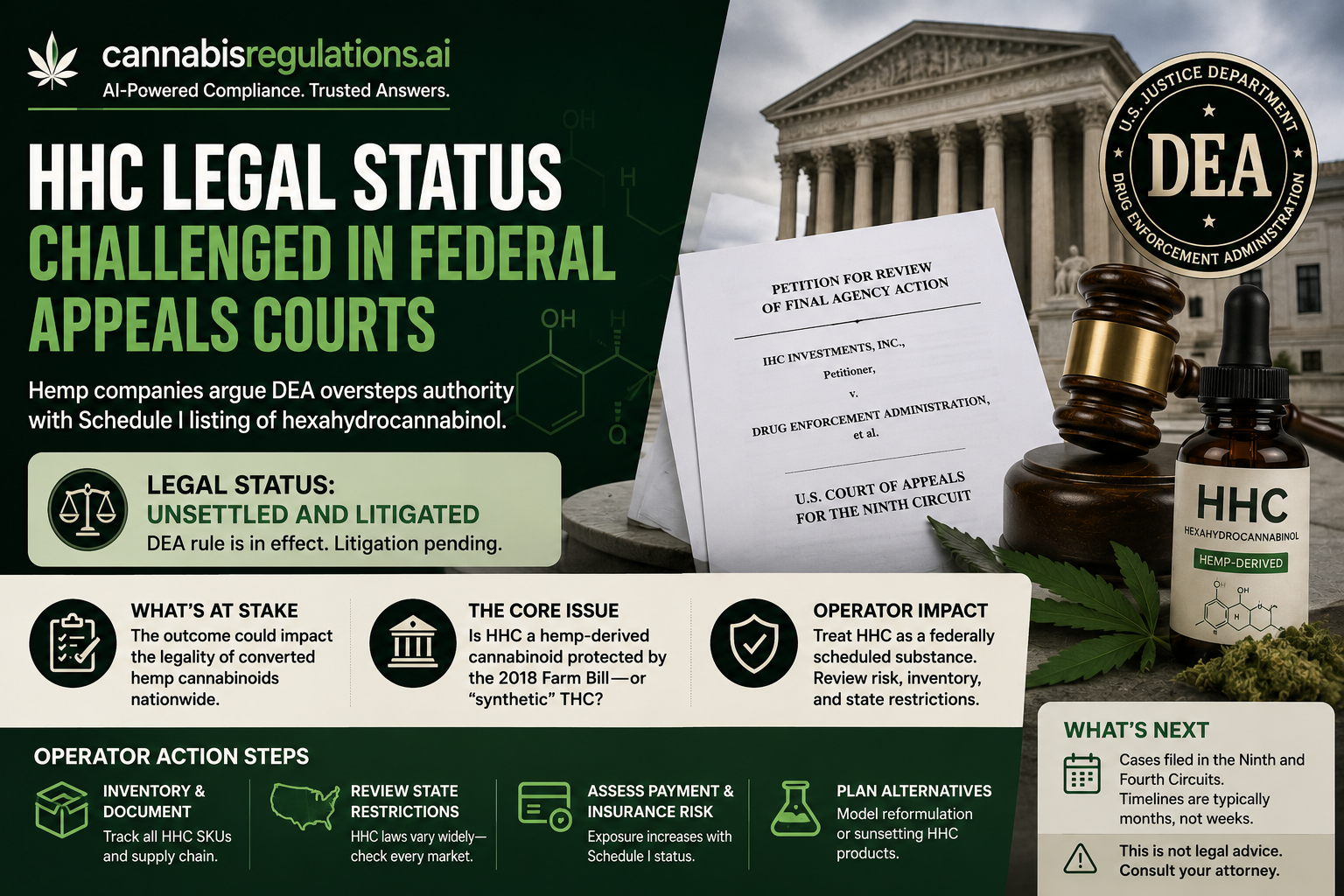
Hemp companies have petitioned the Ninth and Fourth Circuits to overturn the DEA's Schedule I listing of HHC. Here's what HHC operators should do now.

State-by-state THCA status as of August 2026 with deep dives for Alabama, Georgia, North Carolina, South Carolina, and Texas — plus what changes when federal H.R. 5371 §781 takes effect November 12, 2026.
The federal hemp definition changes on November 12, 2026: total-THC measurement replaces delta-9-only, and a 0.4 mg per-container cap applies. Most THCA flower, delta-8, and intoxicating hemp products will not meet the new definition. Operator compliance guide.
The broader rescheduling administrative hearing begins June 29, 2026. The slate of participants is now largely fixed after the May 28 filing deadline. The hearing record will shape what cannabis operators can expect on 280E, banking, and research access.
California's Department of Cannabis Control is moving quickly to let combined A/M licensees split into separate Medicinal and Adult-Use licenses on an expedited basis. The change is designed to position the state's roughly 1,600 retailers and microbusinesses to apply for DEA registration before a 60-day federal window closes.
Consumer-facing hemp shipping in 2026: what's mailable through USPS, UPS, and FedEx, which destination states refuse delivery, what the November 12 federal hemp redefinition removes from the mailable category, and what happens if a package is seized.
