
April 16, 2026

Thank you! Your submission has been received!
Oops! Something went wrong while submitting the form.


Last Updated: August 2026
Updated August 6, 2026: Corrected platform policy details — Google Ads allows only topical hemp-derived CBD (LegitScript-certified, currently limited to California, Colorado, and Puerto Rico) plus FDA-approved CBD pharmaceuticals; ingestible CBD ads remain prohibited. Meta has had a formal LegitScript-plus-written-permission pathway for non-ingestible CBD since July 2023.
Hemp brands spend enormous amounts of time and money rebuilding advertising accounts that keep getting shut down, with no clear explanation from the platforms and no roadmap for what actually works. The short version: Google Ads is the most accessible channel if you navigate LegitScript certification correctly — but only for topicals, and only in a few states. Meta is more restrictive than most brands realize even after certification. TikTok is a separate beast entirely.
PlatformCBD Allowed?THC ProductsPath to ComplianceGoogle Ads⚠️ Topicals only, with LegitScript (CA, CO & PR)❌LegitScript certification + compliant landing pagesMeta/Facebook⚠️ Non-ingestible CBD with LegitScript + written permission❌LegitScript certification + Meta written approvalInstagram⚠️ Same as Meta❌Same policies as FacebookTikTok (Paid)❌❌Not currently accessible for paid CBDTikTok (Organic)⚠️ Limited❌Educational content only; brand restrictionsAmazon❌❌No CBD product listings permittedEtsy⚠️ Very limited❌Topicals only; strict labeling compliance
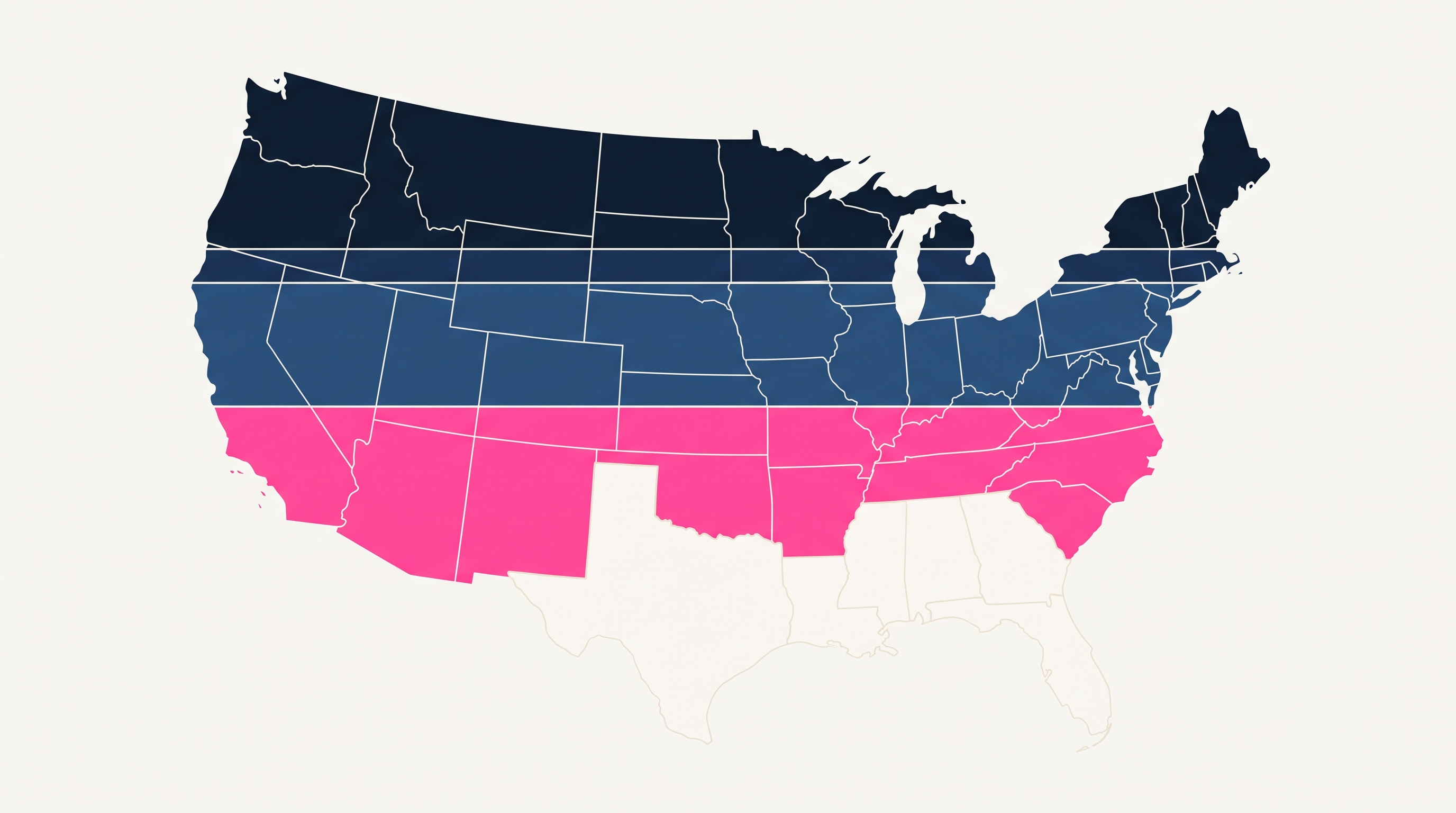
LegitScript is a third-party certification company that Google (and other platforms) uses to authorize CBD advertisers. Since January 2023, Google's policy allows ads for FDA-approved CBD pharmaceuticals and for topical, hemp-derived CBD products with 0.3% THC or less — and topical CBD ads are currently permitted only in California, Colorado, and Puerto Rico. Without LegitScript certification, running Google Ads for any CBD product is effectively impossible — your ads will be disapproved and eventually your account may be suspended. LegitScript certification for CBD requires: proof that your products are hemp-derived (not marijuana-derived), Certificate of Analysis from an accredited lab for each product category, website compliance review (no drug claims, compliant disclaimers), and annual renewal fee. The cost ranges from approximately $1,500–$5,000+ annually depending on company size and product portfolio complexity.
Only LegitScript-certified CBD topicals (creams, balms, salves) have a path to Google Ads approval. Ingestibles (oils, gummies, capsules, supplements, food additives) and inhalants cannot be advertised on Google at all — the policy carve-out does not extend to them, no matter how much documentation you provide. The only ingestible exception is an FDA-approved pharmaceutical (e.g., Epidiolex, advertised by its manufacturer). Ad copy for permitted topicals still cannot include efficacy claims or disease-treatment language.
Performance Max and Shopping campaigns have additional restrictions for CBD beyond standard search and display. Shopping listings for CBD products require LegitScript and face more restrictive review than text ads. Many CBD brands find that standard search campaigns drive better ROI than Shopping in the CBD category.
Since July 2023, Meta has had a formal certification pathway: advertisers with LegitScript certification who obtain written permission from Meta may run ads for CBD products containing 0.3% THC or less — in practice limited to non-ingestible products (topicals, cosmetics) — with mandatory 18+ targeting and no health claims. Non-ingestible hemp products that contain no CBD (hemp fiber, hemp seed items) can be advertised in the U.S., Canada, and Mexico without written permission. Ingestible CBD and anything containing intoxicating THC remain prohibited. Even so, certified brands face significant hurdles: enforcement is automated, inconsistently applied, and account-level penalties still happen.
The approaches that work on Meta in 2026: completing LegitScript certification and Meta's written-permission process before promoting any CBD product; educational content campaigns that discuss hemp farming, cannabinoid science, or industry topics without promoting specific products; retargeting campaigns focused on website visitors who have already expressed intent; landing page structure that separates educational content from commerce; and product-agnostic brand campaigns building recognition without explicitly promoting CBD products.
TikTok prohibits paid advertising for CBD and cannabis products globally. There are no workarounds, no certification programs, no approved-advertiser categories for CBD on TikTok's paid platform. Organic TikTok content from CBD brands is a different story. Brands building audiences through educational content — hemp farming, cannabinoid science explained, industry news — have built significant followings on TikTok without running paid ads. The key is staying in the educational lane. The viral organic potential on TikTok is real, but TikTok functions as an awareness channel, not a conversion channel, for the industry.
Etsy allows CBD topicals (creams, salves, balms with no ingestible CBD) that are compliant with U.S. hemp law. CBD ingestibles — oils, gummies, capsules — are not permitted on Etsy. Amazon does not allow CBD product listings, period. This applies to ingestibles and topicals. Hemp seeds for food use are allowed; CBD products are not.
Email marketing through major platforms (Klaviyo, Mailchimp, HubSpot) is generally accessible for hemp CBD brands as long as campaigns don't promote products making health claims and maintain compliant subscriber lists. Cannabis (marijuana) brands face more restrictions from major email providers. 10DLC registration for SMS marketing applies to hemp brands, and carriers have their own policies on cannabis-adjacent content.
Only topical CBD products, with LegitScript certification, and currently only in California, Colorado, and Puerto Rico (plus FDA-approved CBD pharmaceuticals). Ingestible CBD cannot be advertised on Google, and uncertified CBD campaigns will be disapproved.
Apply through LegitScript's website, provide COAs for all product categories, demonstrate website compliance (no disease claims, proper disclaimers), and pay the annual fee. Certification typically takes 2–4 weeks.
Most rejections come from skipping Meta's two-step gate — LegitScript certification plus written permission from Meta — or from product-specific CBD language in ad copy, landing pages that directly sell ingestible CBD products, or audience targeting that triggers drug-adjacent classification. Even certified advertisers see inconsistent automated enforcement.
No. TikTok prohibits paid advertising for CBD globally. Organic educational content is the only viable TikTok channel for CBD brands.
Topical CBD products (not ingestibles) are allowed on Etsy with compliant labeling and no health claims. CBD oils, gummies, and capsules are not permitted.
Last Updated: August 2026
Updated August 6, 2026: Corrected platform policy details — Google Ads allows only topical hemp-derived CBD (LegitScript-certified, currently limited to California, Colorado, and Puerto Rico) plus FDA-approved CBD pharmaceuticals; ingestible CBD ads remain prohibited. Meta has had a formal LegitScript-plus-written-permission pathway for non-ingestible CBD since July 2023.
Hemp brands spend enormous amounts of time and money rebuilding advertising accounts that keep getting shut down, with no clear explanation from the platforms and no roadmap for what actually works. The short version: Google Ads is the most accessible channel if you navigate LegitScript certification correctly — but only for topicals, and only in a few states. Meta is more restrictive than most brands realize even after certification. TikTok is a separate beast entirely.
PlatformCBD Allowed?THC ProductsPath to ComplianceGoogle Ads⚠️ Topicals only, with LegitScript (CA, CO & PR)❌LegitScript certification + compliant landing pagesMeta/Facebook⚠️ Non-ingestible CBD with LegitScript + written permission❌LegitScript certification + Meta written approvalInstagram⚠️ Same as Meta❌Same policies as FacebookTikTok (Paid)❌❌Not currently accessible for paid CBDTikTok (Organic)⚠️ Limited❌Educational content only; brand restrictionsAmazon❌❌No CBD product listings permittedEtsy⚠️ Very limited❌Topicals only; strict labeling compliance
LegitScript is a third-party certification company that Google (and other platforms) uses to authorize CBD advertisers. Since January 2023, Google's policy allows ads for FDA-approved CBD pharmaceuticals and for topical, hemp-derived CBD products with 0.3% THC or less — and topical CBD ads are currently permitted only in California, Colorado, and Puerto Rico. Without LegitScript certification, running Google Ads for any CBD product is effectively impossible — your ads will be disapproved and eventually your account may be suspended. LegitScript certification for CBD requires: proof that your products are hemp-derived (not marijuana-derived), Certificate of Analysis from an accredited lab for each product category, website compliance review (no drug claims, compliant disclaimers), and annual renewal fee. The cost ranges from approximately $1,500–$5,000+ annually depending on company size and product portfolio complexity.
Only LegitScript-certified CBD topicals (creams, balms, salves) have a path to Google Ads approval. Ingestibles (oils, gummies, capsules, supplements, food additives) and inhalants cannot be advertised on Google at all — the policy carve-out does not extend to them, no matter how much documentation you provide. The only ingestible exception is an FDA-approved pharmaceutical (e.g., Epidiolex, advertised by its manufacturer). Ad copy for permitted topicals still cannot include efficacy claims or disease-treatment language.
Performance Max and Shopping campaigns have additional restrictions for CBD beyond standard search and display. Shopping listings for CBD products require LegitScript and face more restrictive review than text ads. Many CBD brands find that standard search campaigns drive better ROI than Shopping in the CBD category.
Since July 2023, Meta has had a formal certification pathway: advertisers with LegitScript certification who obtain written permission from Meta may run ads for CBD products containing 0.3% THC or less — in practice limited to non-ingestible products (topicals, cosmetics) — with mandatory 18+ targeting and no health claims. Non-ingestible hemp products that contain no CBD (hemp fiber, hemp seed items) can be advertised in the U.S., Canada, and Mexico without written permission. Ingestible CBD and anything containing intoxicating THC remain prohibited. Even so, certified brands face significant hurdles: enforcement is automated, inconsistently applied, and account-level penalties still happen.
The approaches that work on Meta in 2026: completing LegitScript certification and Meta's written-permission process before promoting any CBD product; educational content campaigns that discuss hemp farming, cannabinoid science, or industry topics without promoting specific products; retargeting campaigns focused on website visitors who have already expressed intent; landing page structure that separates educational content from commerce; and product-agnostic brand campaigns building recognition without explicitly promoting CBD products.
TikTok prohibits paid advertising for CBD and cannabis products globally. There are no workarounds, no certification programs, no approved-advertiser categories for CBD on TikTok's paid platform. Organic TikTok content from CBD brands is a different story. Brands building audiences through educational content — hemp farming, cannabinoid science explained, industry news — have built significant followings on TikTok without running paid ads. The key is staying in the educational lane. The viral organic potential on TikTok is real, but TikTok functions as an awareness channel, not a conversion channel, for the industry.
Etsy allows CBD topicals (creams, salves, balms with no ingestible CBD) that are compliant with U.S. hemp law. CBD ingestibles — oils, gummies, capsules — are not permitted on Etsy. Amazon does not allow CBD product listings, period. This applies to ingestibles and topicals. Hemp seeds for food use are allowed; CBD products are not.
Email marketing through major platforms (Klaviyo, Mailchimp, HubSpot) is generally accessible for hemp CBD brands as long as campaigns don't promote products making health claims and maintain compliant subscriber lists. Cannabis (marijuana) brands face more restrictions from major email providers. 10DLC registration for SMS marketing applies to hemp brands, and carriers have their own policies on cannabis-adjacent content.
Only topical CBD products, with LegitScript certification, and currently only in California, Colorado, and Puerto Rico (plus FDA-approved CBD pharmaceuticals). Ingestible CBD cannot be advertised on Google, and uncertified CBD campaigns will be disapproved.
Apply through LegitScript's website, provide COAs for all product categories, demonstrate website compliance (no disease claims, proper disclaimers), and pay the annual fee. Certification typically takes 2–4 weeks.
Most rejections come from skipping Meta's two-step gate — LegitScript certification plus written permission from Meta — or from product-specific CBD language in ad copy, landing pages that directly sell ingestible CBD products, or audience targeting that triggers drug-adjacent classification. Even certified advertisers see inconsistent automated enforcement.
No. TikTok prohibits paid advertising for CBD globally. Organic educational content is the only viable TikTok channel for CBD brands.
Topical CBD products (not ingestibles) are allowed on Etsy with compliant labeling and no health claims. CBD oils, gummies, and capsules are not permitted.