Pennsylvania hemp beverage regulation 2025: why the state is at an inflection point
Pennsylvania is entering a familiar but fast-moving phase of policy development: hemp‑derived THC beverages (often sold as “hemp drinks” containing delta‑9 THC derived from hemp, and sometimes other cannabinoids) have expanded in convenience stores, beverage shops, bars, and online delivery—while statewide rules remain fragmented. As of early 2026, the practical reality for operators is uneven enforcement and a patchwork of local restrictions.
In September 2025, multiple industry stakeholders publicly urged Pennsylvania lawmakers and regulators to adopt a clear statewide framework for intoxicating hemp products—especially beverages—citing retailer uncertainty, uneven local ordinances, and consumer protection concerns. That push has amplified a key policy question for 2026:
Will Pennsylvania regulate hemp‑THC drinks like alcohol (via the Pennsylvania Liquor Control Board), like a hemp consumable (via the Department of Agriculture and food law), or like a dispensary product aligned with medical (and potential adult‑use) reforms?
This article breaks down three competing models—how each would work in the real world, what it means for planograms, scanner blocks, delivery, potency caps, and on‑premise sales, and what businesses can do now to reduce risk while the rules evolve. This is for informational purposes only, not legal advice.
What’s driving the urgency in Pennsylvania
A market that grew faster than the rulebook
Hemp beverages are a product of a broader national dynamic: the federal hemp definition (from the 2018 Farm Bill) focuses on delta‑9 THC concentration thresholds in “hemp,” and that definition has been used by many brands to create beverages that are intoxicating but marketed as hemp-derived.
Pennsylvania’s challenge is less about whether these products exist—they do—and more about which agency owns day-to-day oversight, what counts as lawful retailing, and how to prevent youth access without pushing the market into untracked channels.
Local ordinances are filling the vacuum
In the absence of a dedicated statewide framework for intoxicating hemp beverages, cities and counties tend to act first. Philadelphia and Pittsburgh are often bellwethers for:
- Retail restrictions (where products can be sold)
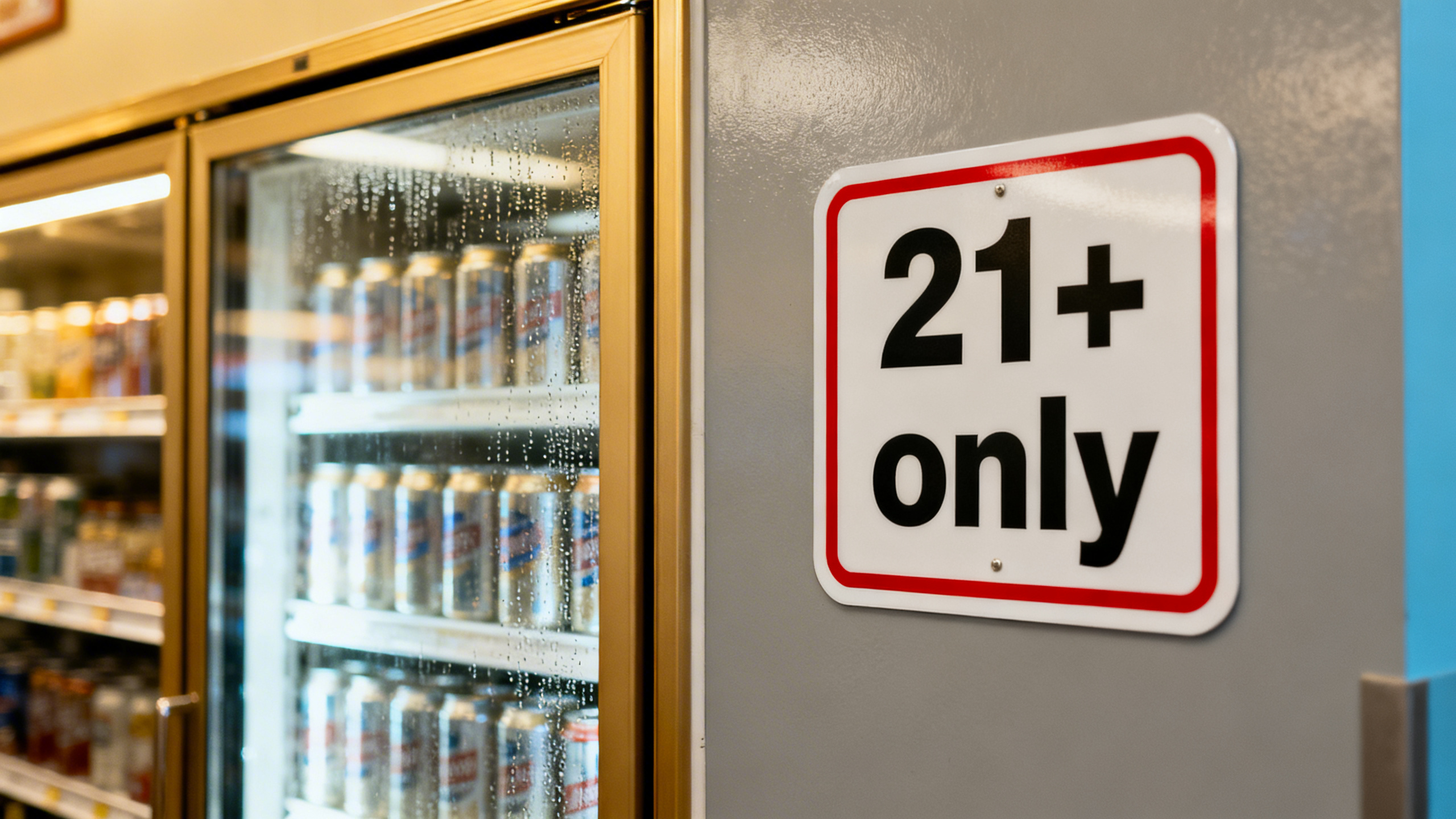
- Age-gating (21+ requirements)
- Public health messaging and enforcement
Even when local measures are well-intentioned, they can create compliance friction for multi-location retailers and distributors who need a uniform playbook.
The three likely regulatory models for 2026
Pennsylvania policymakers have three “lanes” they can choose from. Each lane can be tuned—e.g., an agriculture model can still include 21+ rules, and an LCB model can still borrow food labeling requirements.
Model 1: LCB/PLCB oversight (treat hemp‑THC drinks like alcohol)
Under this model, intoxicating hemp beverages would be regulated similarly to alcohol beverages—either directly as a new product category under the PLCB, or through a parallel licensing scheme administered by the same infrastructure.
Practical impacts for businesses
Expect a requirement that retailers selling hemp‑THC beverages hold an existing liquor license (or a new endorsement). This would shrink the eligible retail footprint dramatically—benefiting license holders but excluding many convenience stores and grocers.
Planograms and merchandising
- Products may need to be placed in controlled alcohol display zones.
- If sold for off‑premise consumption, they could be required to sit in beer distributor–style layouts or behind staffed counters.
- Expect strict “no self-checkout” or “staff intervention required” rules.
Scanner blocks and POS controls
If Pennsylvania chooses an alcohol-style approach, the state could mandate:
- Age gate at scan (POS prompt requiring date-of-birth entry or ID scan)
- Item-level restrictions (e.g., limits per transaction)
- “Refusal workflows” to document denied sales
Alcohol delivery is already a regulated activity in many states, and Pennsylvania could require:
- Delivery only by licensed entities
- ID verification at delivery, with documented refusals
- Prohibitions on unattended delivery or “leave at door”
On‑premise sales
This is where the LCB model shines operationally: Pennsylvania already has a mature on‑premise licensing ecosystem (restaurants, bars, clubs). An LCB approach could permit:
- By-the-glass or per-can sales in licensed premises
- Mandatory “standard drink” communication (similar to ABV messaging)
- Over‑service controls adapted from alcohol (server training, refusal authority)
Likely compliance obligations
An LCB-led model would likely emphasize:
- 21+ only
- Server/seller training (similar to alcohol responsibility programs)
- Advertising restrictions near schools or targeting minors
- Strong enforcement posture (undercover compliance checks)
Key tradeoffs
- Pros: Clear 21+ framework; mature enforcement mechanisms; supports on‑premise channel.
- Cons: Narrow retail access; may not map cleanly onto food labeling/testing needs; risks creating two parallel beverage systems (alcohol vs. hemp).
Model 2: Department of Agriculture–led hemp channel (food-law backbone + 21+ controls)
This model treats hemp‑THC beverages as a consumable hemp product with a compliance backbone rooted in food facility registration, labeling, and product safety, administered through Pennsylvania’s agriculture and food safety authorities—with explicit intoxicating-product controls layered on top.
Practical impacts for businesses
Retailers might not need liquor licenses, but manufacturers, distributors, and sometimes retailers could be required to:
- Register as a food facility (depending on role)
- Use approved sources and maintain batch/lot records
- Meet state-specific product standards
Planograms and segregation
Retailers could be required to:
- Segregate hemp‑THC beverages into 21+ zones (a designated cooler, locked display, or staffed counter)
- Post age restriction signage
- Keep products away from child-oriented items (candy, toys)
This is the model most compatible with grocery and convenience settings—if Pennsylvania is willing to authorize those channels.
Scanner blocks and compliance tech
Agriculture-led does not mean “light touch.” Expect prescriptive retail controls such as:
- POS age prompts
- ID scanning or electronic age verification
- SKU-level flags to prevent accidental sale through self-checkout
Delivery rules
An agriculture model could allow delivery, but likely with:
- Adult signature required
- ID verification at delivery
- Restrictions on delivery to campuses, dorms, or certain venues
Likely compliance obligations
This approach tends to be more technical and product-focused:
- Potency/serving caps (e.g., mg per serving and mg per container)
- Prohibited ingredients and contaminant limits
- Mandatory testing by accredited labs (cannabinoid content + contaminants)
- Labeling that aligns with food law: net contents, ingredient lists, allergens, nutrition facts where applicable, and clear cannabinoid disclosure
- Batch/lot traceability to support recalls
How it meshes with food code + weights-and-measures enforcement
This model integrates most naturally with:
- Food code inspections (sanitation, storage, adulteration)
- Weights and measures enforcement (net contents accuracy, device/scale compliance for packaged goods)
- Label review and recall coordination
The operational upside: Pennsylvania can leverage existing inspection programs for food/beverage facilities rather than building a new retail enforcement system from scratch.
Key tradeoffs
- Pros: Broad retail compatibility; strong safety/labeling backbone; scalable for statewide distribution.
- Cons: Must bolt on strong 21+ and intoxication safeguards; may struggle with on‑premise “serving” standards without an alcohol-like training regime.
Model 3: Dispensary-only alignment (medical channel now, adult-use later)
A third path would restrict intoxicating hemp‑THC beverages to a dispensary-style channel, aligning them with existing medical program operations and any future adult‑use reforms.
Practical impacts for businesses
This would likely eliminate general retail sales (c-stores, groceries, bars) and place products only in regulated dispensaries.
Planograms and inventory control
Dispensary-style operations generally mean:
- Secure storage
- Robust inventory reconciliation
- Staff-led sales (no self-serve)
- Formal product intake checks (COAs, lot verification)
Scanner blocks and track-and-trace
This model often includes deeper item-level controls:
- Inventory systems that block sales outside authorized categories
- Purchase limits enforced at POS
- Potential patient/customer registry checks
Delivery
If delivery is permitted, it would likely mirror medical delivery guardrails:
- Strict chain-of-custody
- ID verification, signature capture
- Limited geographic radius or approved delivery hubs
On‑premise sales
Dispensary-only generally does not support bar/restaurant consumption. If Pennsylvania wants an “on‑premise” future, this lane is the least compatible unless the state creates a new lounge license category.
Likely compliance obligations
- Strict packaging and labeling controls
- Child-resistant packaging requirements
- Potency/serving caps and standardized serving definitions
- Extensive testing and product intake documentation
Key tradeoffs
- Pros: Tight control; easier to enforce age limits; clearer consumer warnings.
- Cons: Excludes mainstream beverage retail; reduces competition; may encourage gray-market sales if consumer demand remains strong.
The policy mechanics lawmakers will likely debate (regardless of model)
Potency and serving-size caps
Expect the center of gravity to be “standardized servings,” such as:
- mg THC per serving
- servings per container
- limits per transaction
Businesses should plan for a scenario where products must be reformulated to meet state caps.
Packaging and labeling
Even if the state chooses LCB oversight, food-style labeling will be hard to avoid because these are ingestible products. Common requirements in other states include:
- Clear cannabinoid content per serving and per container
- Batch/lot number
- Ingredients and allergens
- Warnings about impairment and delayed onset
- “Keep out of reach of children” statements
Testing and COAs
A realistic 2026 framework will require:
- Cannabinoid potency verification
- Contaminant panels (microbials, heavy metals, pesticides, residual solvents—depending on extraction)
- COA availability via QR code
Retail age-gating
Pennsylvania is likely to converge on 21+ for intoxicating hemp beverages. How that is enforced will matter more than the number itself:
- Card everyone policy or card-under-30/35
- ID scanning vs. visual check
- Written refusal logs and incident documentation
Advertising and placement limits
Regardless of oversight agency, expect restrictions that:
- Prohibit marketing appealing to minors
- Restrict placement near candy or youth-targeted products
- Limit outdoor advertising near schools
A realistic 6–12 month horizon (late 2025 through 2026)
What could realistically pass
Pennsylvania often moves in increments. The most plausible near-term actions are:
- A statutory definition of intoxicating hemp products (including beverages) distinct from non-intoxicating hemp foods.
- A statewide 21+ minimum age requirement.
- Direction to a lead agency (PLCB, Agriculture, or shared authority).
- Interim product standards: potency caps, labeling basics, and required testing.
- Enforcement authority and penalties for selling to minors or mislabeling.
Why a “hybrid” outcome is likely
A hybrid approach could emerge in 2026:
- Agriculture handles product safety, labeling, and manufacturing registration.
- PLCB (or an alcohol-style enforcement unit) handles on‑premise permissions and server training.
- Local health departments support inspections tied to existing food retail routines.
This hybrid design is appealing because it avoids forcing one agency to master everything—while giving businesses clearer rules.
How Philadelphia and Pittsburgh can accelerate—or complicate—statewide policy
Local ordinances can:
- Force statewide action by creating inconsistent rules that frustrate commerce.
- Create a “proof of concept” for 21+ zones, signage, and inspection protocols.
- Complicate compliance by requiring different signage, placement rules, or permitting across municipalities.
Multi-location operators should assume local variance will persist even after statewide legislation, at least during the first implementation year.
Interim risk controls for retailers and distributors (what to do now)
Even without a dedicated statewide framework, businesses can reduce enforcement and liability risk by adopting controls that are consistent with how states regulate other age-restricted intoxicating products.
- Require ID checks for every sale or for anyone who appears under a set age threshold.
- Train staff on refusals and impairment red flags.
- Maintain a refusal log (date, reason, staff initials).
2) Implement scanner blocks and POS prompts
- Map hemp‑THC beverage SKUs to an “age restricted” department.
- Require manager override at self-checkout.
- Disable online checkout without age affirmation and compliant delivery options.
3) Segregate products physically
- Use a dedicated cooler or locked display.
- Keep products away from non-age-restricted beverages.
- Use clear, compliant signage (avoid kid-friendly imagery).
4) Tighten intake and documentation
- Require suppliers to provide COAs tied to lot numbers.
- Keep invoices and batch/lot records for recall readiness.
- Verify net contents and labeling consistency to reduce weights-and-measures issues.
5) Review delivery workflows
If you deliver:
- Use adult signature and ID verification.
- Prohibit “leave at door.”
- Train drivers on refusals and documentation.
What to watch next (signals that Pennsylvania is choosing a lane)
Look for these markers in late 2025 and 2026:
- A bill that assigns lead authority to PLCB or Department of Agriculture
- Public hearings focused on youth access and intoxicating hemp products
- Agency guidance clarifying whether certain products are considered adulterated foods or restricted intoxicants
- Enforcement bulletins targeting mislabeling, youth access, or unregistered manufacturing
Key takeaways for operators
- Pennsylvania is likely to move toward a statewide framework for Pennsylvania hemp beverage regulation 2025 and into 2026, but the model is still contested.
- The three most plausible paths are PLCB/LCB oversight, an Agriculture-led consumable hemp framework with 21+ zones, or a dispensary-only restriction.
- Regardless of the lane, expect convergence on: 21+ sales, potency/serving caps, labeling and testing, and traceability.
- Retailers can lower risk now with POS age gates, physical segregation, delivery controls, and documentation discipline.
Helpful links (official and policy resources)
Stay ahead of dispensary rollout, licensing, and compliance shifts
The next 6–12 months will likely define how hemp‑THC beverages are sold, delivered, and enforced across Pennsylvania. For ongoing monitoring of bills, agency guidance, local ordinance updates, and practical compliance checklists, use https://www.cannabisregulations.ai/ to support your team’s cannabis compliance workflows, licensing strategy, and retail SOPs as Pennsylvania’s regulations evolve.