


Sign Up
Ready to replace complexity with clarity?
Answer your real world compliance questions (limited time) and save thousands in legal fees and avoided fines.
Automate Compliance Today

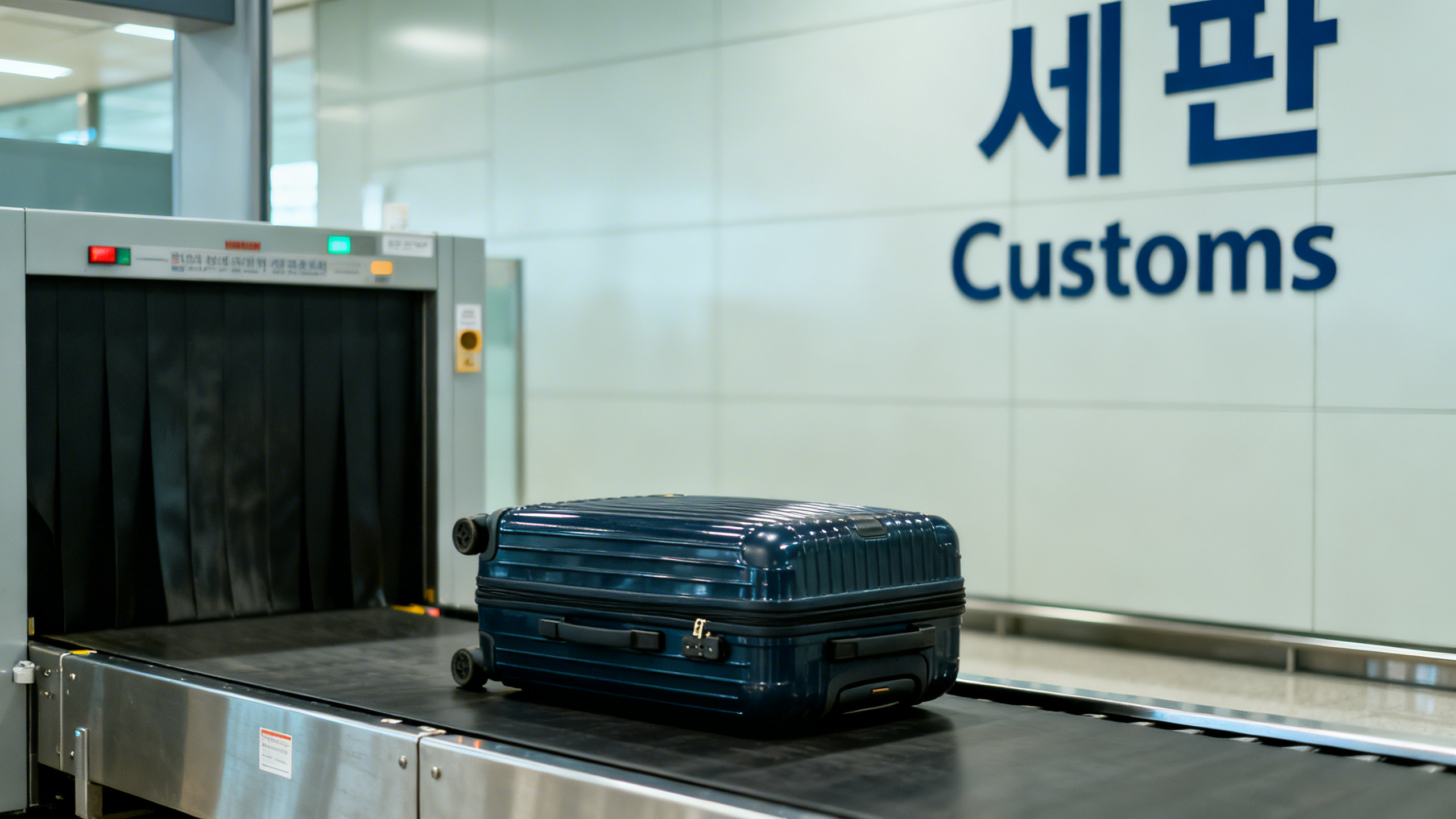
As of 2025, South Korea CBD regulations 2025 remain among the strictest in the world: CBD is treated as a controlled “narcotic”/cannabis substance under Korea’s narcotics framework, even when sourced from plant parts (like seeds or mature stems) that are sometimes treated as lower-risk in other jurisdictions.
That posture is not theoretical. In June 2025, South Korea’s Supreme Court reinforced the government’s position by upholding restrictions tied to CBD cosmetic imports, signaling continued zero-tolerance enforcement at the border and heightened risk for importers, marketplaces, and travelers.
This article is informational only and not legal advice. If you need counsel for a specific fact pattern, consult qualified Korean legal professionals.
South Korea regulates controlled drugs under the Narcotics Control Act, which (in English translation) defines “narcotics” broadly to include narcotic drugs, psychotropic substances, and cannabis. The statutory framework has carve-outs for certain plant parts (e.g., seeds, roots, and mature stems) for limited industrial uses, but regulators have repeatedly emphasized that extracting CBD from those parts does not necessarily create an “exempt” ingredient.
Key implication for compliance teams:
Primary legal reference:
In late June 2025, multiple outlets reported on a Supreme Court decision involving an importer’s attempt to bring in CBD for cosmetics. The Court’s reasoning reinforced that CBD can be treated as “hemp/cannabis” under Korea’s narcotics framework, supporting the continued import ban posture for CBD cosmetic ingredients.
Why this matters beyond cosmetics:
Sources:
From a business-planning standpoint, a practical reading of South Korea CBD regulations 2025 is:
If your organization sells CBD elsewhere, the Korea risk is highest for:
A secondary—but increasingly material—risk area is branding and marketing. South Korean authorities have signaled stronger sensitivity to product names, imagery, and claims that could normalize controlled drugs.
Industry and compliance monitoring sources in 2025 discussed expanded categories of prohibited expressions for cosmetic labeling/advertising and parallel moves to clamp down on controlled-drug references.
Practical takeaway:
Sources to monitor (regulatory change trackers):
South Korea is consistently flagged by travel advisors and customs guidance as high risk for controlled substances. Travelers transiting via Seoul (including Incheon International Airport) should understand that possession and importation risks can attach even when:
Korea Customs Service provides traveler-facing guidance that restricted goods include narcotics and require requirements/clearance regardless of duty thresholds.
While the public-facing page does not enumerate CBD specifically, enforcement reporting and Korea’s classification posture mean CBD items are plausibly treated under controlled-drug controls.
Public reporting indicates border seizures of illicit drugs rose sharply in 2025 compared with 2024, reflecting an environment where customs resources and scrutiny are trending upward.
Sources:
Compliance interpretation:
South Korea has had limited pathways for certain overseas-approved cannabinoid medicines under strict controls since 2019 (often discussed in connection with the Korea Orphan and Essential Drug Center). This is not a general CBD wellness pathway.
If your product is not a pharmaceutical with recognized approvals and a compliant import process, you should not treat the medical exception as a workable route.
Context source (background on special imports framework):
Related official resource for controlled medicines brought for self-treatment (permit-oriented; not specific to CBD wellness products):
Companies selling CBD products globally should treat South Korea as a blocked jurisdiction unless and until a clearly permitted pathway exists.
If you operate localized sites, apps, or Korean-language feeds:
If your business sends staff through Seoul for trade shows, meetings, or connections:
For individuals, the safest practical guidance under South Korea CBD regulations 2025 is straightforward:
Compliance teams should monitor three signals:
1) MFDS notices clarifying ingredient scope and enforcement priorities2) Additional court decisions relating to import clearances and classification3) Advertising/labeling enforcement that expands prohibited expressions, especially for cosmetics and food-adjacent products
Official portals worth bookmarking:
The practical compliance conclusion for 2025 is that CBD remains treated as a controlled narcotic/cannabis substance in South Korea, and authorities have reinforced restrictions through enforcement posture and court validation—especially visible in the CBD cosmetics import context.
For businesses, the risk is not only seizure and penalties; it’s also reputational harm and platform/partner disruptions. For travelers, it’s the possibility that an item purchased legally elsewhere becomes a serious problem at the border.
To keep your team aligned across licensing, labeling, e-commerce, and cross-border logistics, use https://cannabisregulations.ai/ to track regulatory updates, build jurisdiction-specific shipping rules, and strengthen your cannabis compliance controls across global markets.