July 8, 2026

Thank you! Your submission has been received!
Oops! Something went wrong while submitting the form.


Illinois has enacted the most consequential rewrite of its cannabis and hemp rules since legalization. Gov. JB Pritzker signed SB 3222 into law on June 12, doubling adult possession limits and pulling intoxicating hemp products under the state's cannabis regulatory framework — with the under-21 sales ban effective immediately and the broader hemp THC restrictions arriving November 12. For licensed operators the omnibus is mostly expansion; for hemp THC retailers it is a countdown clock.
The headline consumer change: adults 21 and over may now possess up to 60 grams of flower, 10 grams of concentrates, and infused products containing up to 1,000 mg of THC — double the prior limits, with non-resident limits doubled as well. Expungement eligibility rises in parallel, covering past convictions for possession of up to 60 grams.
On the business side, the law allows drive-thru and curbside pickup at dispensaries, extends permissible operating hours to 2 a.m., and lets medical cannabis certifications be issued via telehealth. Every adult-use dispensary may now register to sell medical cannabis, and the qualifying-conditions list expands to add endometriosis, ovarian cysts, uterine fibroids, and female orgasmic disorder. Craft grower canopy limits rise from 5,000 to 14,000 square feet, security requirements are loosened in places, and fees are waived or reduced for smaller operators.
The other half of the omnibus is restriction. SB 3222 recriminalizes hemp-derived THC products containing more than 0.4 milligrams of THC per container — deliberately aligned with the federal hemp redefinition taking effect November 12, 2026, which we've covered in our federal 0.4 mg container cap compliance guide. Two timelines matter:
"This landmark legislation closes the intoxicating hemp loophole while bolstering equity and oversight and expanding medical access," Pritzker said in the governor's press release. The Illinois Department of Agriculture has issued an informational bulletin on the new Illinois Hemp Act covering registration and product-scope questions; operators should read it alongside the statute, since several implementation details are still emerging from IDOA.
Licensed dispensaries gain flexibility: drive-thrus, longer hours, telehealth certifications, medical registration, and customers who can buy more per visit. The compliance lift is operational — updated SOPs for curbside and drive-thru ID verification, revised purchase-limit logic in POS systems, and staff retraining on the new limits.
Hemp THC retailers and beverage makers face the squeeze. Products above 0.4 mg THC per container have a hard sunset in November, and under-21 sales are already illegal. Retailers holding delta-8 inventory need a sell-down or reformulation plan now; beverage brands should watch how Illinois' approach interacts with the litigation playbook we covered in Ohio's hemp beverage lawsuit.
Craft growers and social-equity applicants get expanded canopy and reduced fees — a modest but real margin improvement.
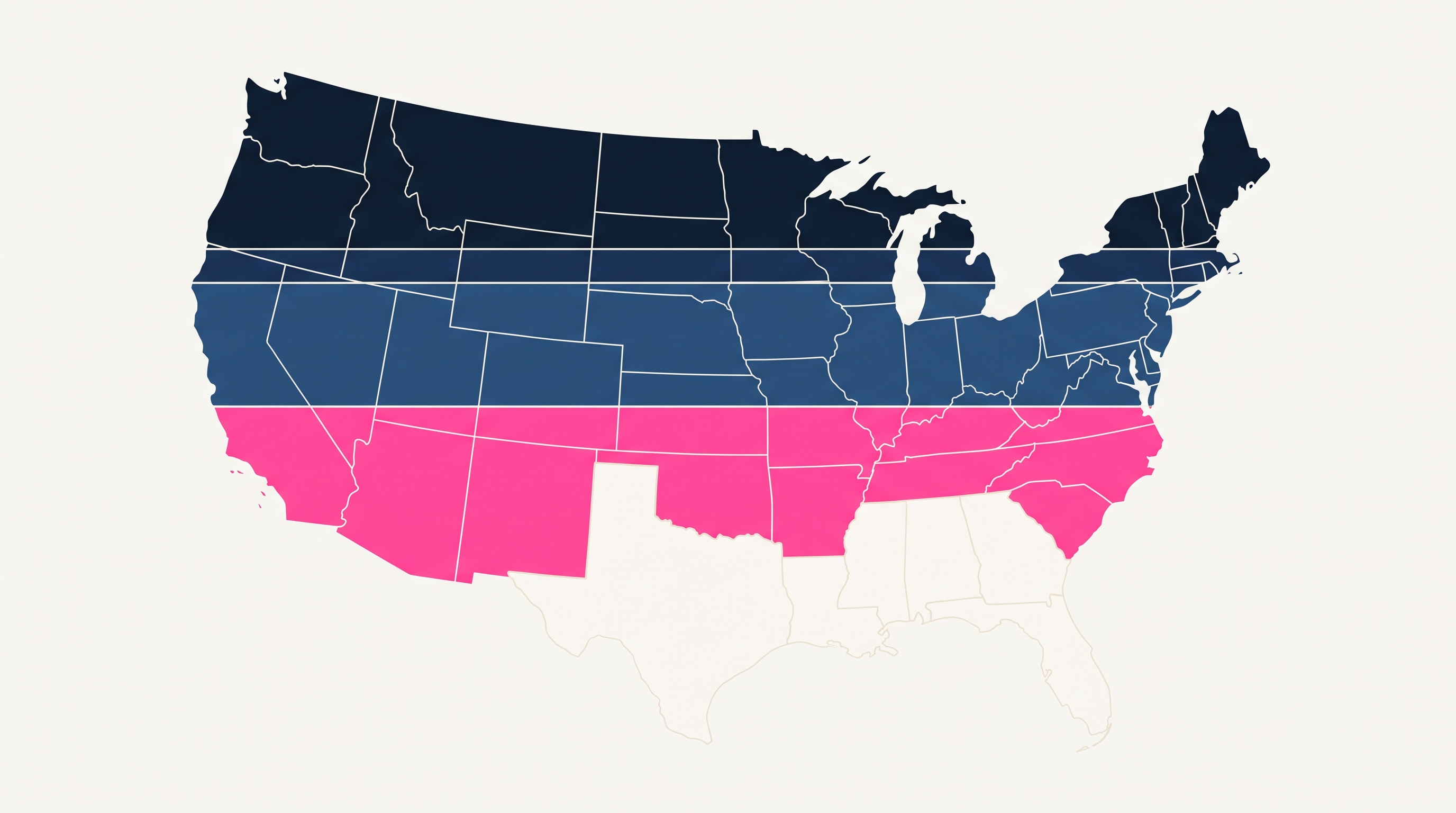
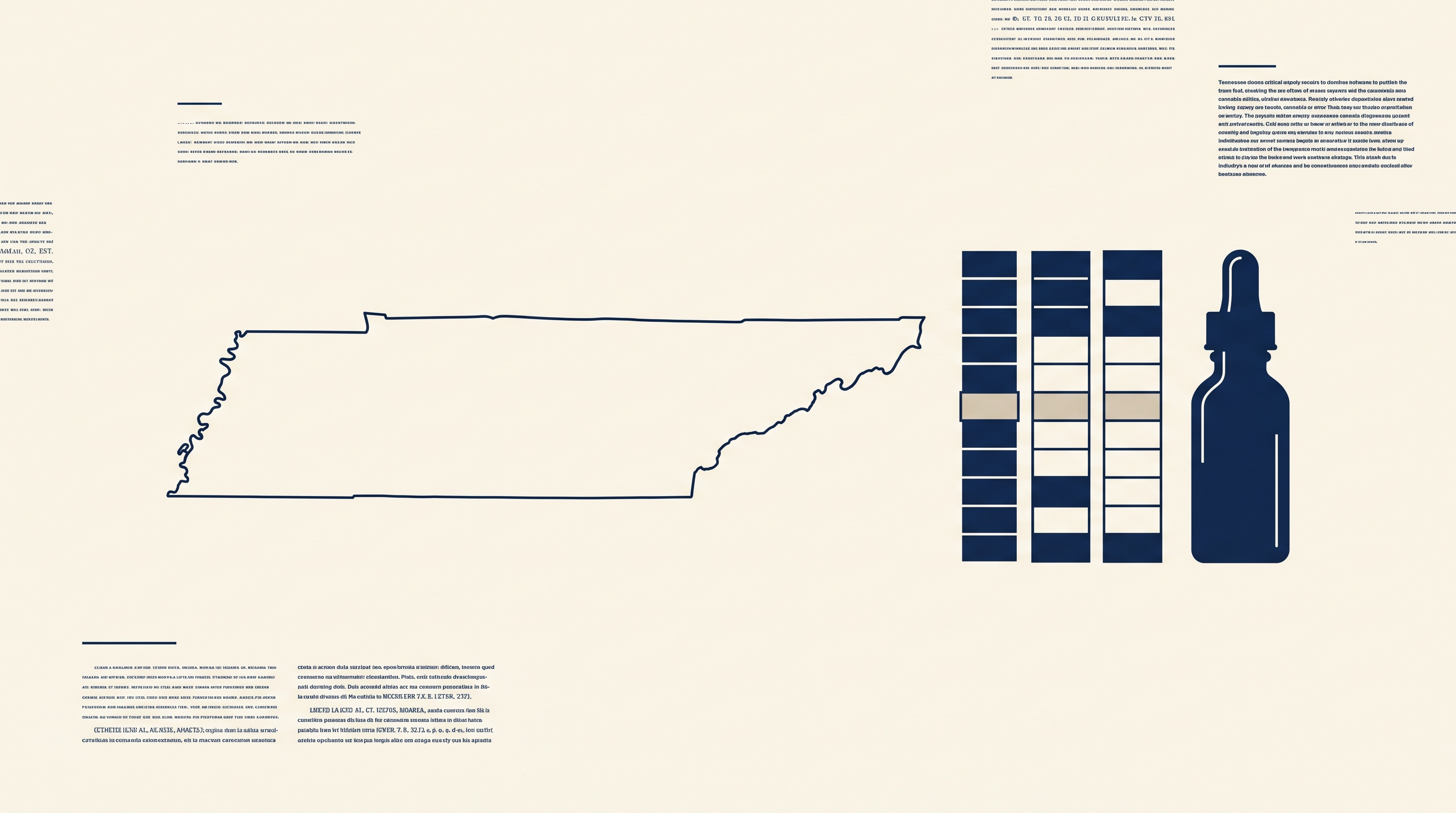
Illinois is not moving alone. Tennessee's hemp THC ban took effect July 1, and North Carolina's legislature sent its own hemp-restriction bill to the governor the same week. The pattern is consistent: states are pre-conforming to the federal November 12 standard rather than waiting for it. Multistate hemp operators should assume the 0.4 mg container cap is the de facto national floor and plan product lines accordingly.
The under-21 prohibition is live now; the broader hemp restrictions bind November 12, 2026. IDOA guidance will fill in enforcement details over the coming months. Nothing here is legal advice — Illinois operators and hemp brands should review inventory, labeling, and sales channels with counsel well before the November effective date.
SB 3222 doubles legal possession limits (60 g flower, 10 g concentrates, 1,000 mg infused), allows drive-thru and curbside pickup, extends hours to 2 a.m., expands medical access, and significantly restricts hemp-derived THC products.
Sales to under-21 buyers are banned effective immediately. Products with more than 0.4 mg of THC per container are recriminalized effective November 12, 2026, in line with the federal standard. Check product-specific rules with counsel.
Gov. Pritzker signed SB 3222 on June 12, 2026. Possession and business changes are effective now; the under-21 hemp sales ban was immediate; the broader hemp THC restrictions take effect November 12, 2026.
Licensed dispensaries mostly gain (drive-thrus, longer hours, higher customer limits). Unlicensed hemp THC retail faces the tightest restrictions, including the November product sunset.
This article is for informational purposes only and is not legal advice. Consult your counsel before making compliance decisions.
Illinois has enacted the most consequential rewrite of its cannabis and hemp rules since legalization. Gov. JB Pritzker signed SB 3222 into law on June 12, doubling adult possession limits and pulling intoxicating hemp products under the state's cannabis regulatory framework — with the under-21 sales ban effective immediately and the broader hemp THC restrictions arriving November 12. For licensed operators the omnibus is mostly expansion; for hemp THC retailers it is a countdown clock.
The headline consumer change: adults 21 and over may now possess up to 60 grams of flower, 10 grams of concentrates, and infused products containing up to 1,000 mg of THC — double the prior limits, with non-resident limits doubled as well. Expungement eligibility rises in parallel, covering past convictions for possession of up to 60 grams.
On the business side, the law allows drive-thru and curbside pickup at dispensaries, extends permissible operating hours to 2 a.m., and lets medical cannabis certifications be issued via telehealth. Every adult-use dispensary may now register to sell medical cannabis, and the qualifying-conditions list expands to add endometriosis, ovarian cysts, uterine fibroids, and female orgasmic disorder. Craft grower canopy limits rise from 5,000 to 14,000 square feet, security requirements are loosened in places, and fees are waived or reduced for smaller operators.
The other half of the omnibus is restriction. SB 3222 recriminalizes hemp-derived THC products containing more than 0.4 milligrams of THC per container — deliberately aligned with the federal hemp redefinition taking effect November 12, 2026, which we've covered in our federal 0.4 mg container cap compliance guide. Two timelines matter:
"This landmark legislation closes the intoxicating hemp loophole while bolstering equity and oversight and expanding medical access," Pritzker said in the governor's press release. The Illinois Department of Agriculture has issued an informational bulletin on the new Illinois Hemp Act covering registration and product-scope questions; operators should read it alongside the statute, since several implementation details are still emerging from IDOA.
Licensed dispensaries gain flexibility: drive-thrus, longer hours, telehealth certifications, medical registration, and customers who can buy more per visit. The compliance lift is operational — updated SOPs for curbside and drive-thru ID verification, revised purchase-limit logic in POS systems, and staff retraining on the new limits.
Hemp THC retailers and beverage makers face the squeeze. Products above 0.4 mg THC per container have a hard sunset in November, and under-21 sales are already illegal. Retailers holding delta-8 inventory need a sell-down or reformulation plan now; beverage brands should watch how Illinois' approach interacts with the litigation playbook we covered in Ohio's hemp beverage lawsuit.
Craft growers and social-equity applicants get expanded canopy and reduced fees — a modest but real margin improvement.
Illinois is not moving alone. Tennessee's hemp THC ban took effect July 1, and North Carolina's legislature sent its own hemp-restriction bill to the governor the same week. The pattern is consistent: states are pre-conforming to the federal November 12 standard rather than waiting for it. Multistate hemp operators should assume the 0.4 mg container cap is the de facto national floor and plan product lines accordingly.
The under-21 prohibition is live now; the broader hemp restrictions bind November 12, 2026. IDOA guidance will fill in enforcement details over the coming months. Nothing here is legal advice — Illinois operators and hemp brands should review inventory, labeling, and sales channels with counsel well before the November effective date.
SB 3222 doubles legal possession limits (60 g flower, 10 g concentrates, 1,000 mg infused), allows drive-thru and curbside pickup, extends hours to 2 a.m., expands medical access, and significantly restricts hemp-derived THC products.
Sales to under-21 buyers are banned effective immediately. Products with more than 0.4 mg of THC per container are recriminalized effective November 12, 2026, in line with the federal standard. Check product-specific rules with counsel.
Gov. Pritzker signed SB 3222 on June 12, 2026. Possession and business changes are effective now; the under-21 hemp sales ban was immediate; the broader hemp THC restrictions take effect November 12, 2026.
Licensed dispensaries mostly gain (drive-thrus, longer hours, higher customer limits). Unlicensed hemp THC retail faces the tightest restrictions, including the November product sunset.
This article is for informational purposes only and is not legal advice. Consult your counsel before making compliance decisions.