June 29, 2026


NOTE — August 3, 2026: This page has been superseded. For the current status see our maintained Texas THCA guide and the July 31 recriminalization report. As of July 31, 2026, THCA flower is a Schedule I substance in Texas.
Updated August 6, 2026: Refreshed the summary and FAQ to reflect that THCA flower became a Schedule I controlled substance in Texas on July 31, 2026; a federal lawsuit filed August 3, 2026 challenging the listing is pending.
Short answer: as of July 31, 2026, THCA flower is a Schedule I controlled substance in Texas under DSHS's reinstated 2021 controlled-substance schedule. Before that change, THCA sat in a gray zone in Texas, and whether a given THCA product was legal turned almost entirely on how its THC was measured. Under the federal 2018 Farm Bill framework that Texas adopted for consumable hemp, a product can qualify as legal hemp if it contains no more than 0.3% delta-9 THC by dry weight. THCA flower is cultivated and selected to pass that delta-9-only screen while still carrying enough acidic precursor to become intoxicating once heated. Texas has repeatedly considered tighter limits on intoxicating hemp, including THCA flower, and enforcement posture can vary by agency and locality. Before buying, selling, or shipping THCA in Texas, confirm the current rules and talk to qualified counsel.
This guide explains what THCA is, why the testing method is the entire ballgame, how the so-called THCA loophole emerged, where Texas stood as of mid-2026 before the July 31 scheduling change, and what sellers and consumers should do to reduce risk. It is written as regulatory journalism, not legal advice.
THCA, or tetrahydrocannabinolic acid, is the non-intoxicating acidic precursor to delta-9 THC. In a living cannabis or hemp plant, very little delta-9 THC exists in its active form. Instead, the plant produces THCA, an acidic molecule that does not bind efficiently to the brain receptors responsible for intoxication. Raw THCA flower, consumed cold, will not produce the high associated with cannabis.
The transformation happens with heat. When THCA is heated through smoking, vaping, or baking, it undergoes a chemical reaction called decarboxylation. The acidic portion of the molecule is shed as carbon dioxide, and what remains is delta-9 THC, the intoxicating compound that federal and state law restrict. In practical terms, a jar of THCA flower is a delta-9 THC product waiting for a lighter. That single fact, the gap between how the product tests on a shelf and how it behaves when used, is the reason THCA has become one of the most contested categories in hemp regulation.
Because THCA converts so readily, regulators increasingly treat it as functionally equivalent to delta-9 THC for the purpose of intoxication, even though the two molecules are chemically distinct. Industry sellers, meanwhile, have often pointed to the letter of the law, which historically focused on delta-9 content rather than total potential THC. Understanding that tension is the key to understanding the entire THCA question in Texas and nationally.
The legal status of THCA flower comes down to one technical choice: which number a lab reports. There are two broad approaches, and they can produce very different answers for the same sample.
The first approach measures only delta-9 THC by dry weight. Under the 2018 Farm Bill, hemp is defined as cannabis containing no more than 0.3% delta-9 THC on a dry-weight basis. A THCA-rich flower that has not been heated can show a delta-9 reading well under 0.3%, because most of its THC is still locked in the acidic THCA form. On a delta-9-only test, that flower passes as hemp.
The second approach measures total THC. This formula accounts for the THCA that will convert to delta-9 THC when heated, typically by applying a conversion factor to the THCA value and adding it to the existing delta-9 THC. The standard equation multiplies the THCA percentage by roughly 0.877, reflecting the weight lost during decarboxylation, then adds the delta-9 figure. Under a total-THC standard, the same THCA flower that passed the delta-9 screen will usually fail, often dramatically, because its THCA content is high by design.
This is why the testing method is not a technicality. It is the entire question. A product that is legal hemp under one formula is an illegal marijuana product under the other, with no change to the flower itself. When evaluating whether THCA is legal in Texas, the practical question is always: under the applicable rule, is the lab reporting delta-9 only or total THC, and at what point in the supply chain is that measurement taken?
The THCA market is largely a product of how the 2018 Farm Bill was written. By defining hemp around delta-9 THC content specifically, rather than total THC, the federal statute created an opening. Entrepreneurs realized that high-THCA flower could be grown, tested for delta-9 only, and sold as compliant hemp, even though the end-user experience was indistinguishable from conventional marijuana once the flower was smoked or vaped.
This is commonly called the THCA loophole. It is the same structural gap that gave rise to delta-8 THC and other intoxicating hemp-derived cannabinoids, all of which exploited the distance between the narrow statutory language and the broader intent to regulate intoxicating cannabis. For a closer comparison of how these molecules differ in legal treatment, see our overview of THCA versus delta-9 legal status and our explainer on the delta-8 versus delta-9 legal difference.
Regulators at both the federal and state levels have spent years trying to close that gap. The clear direction of travel is toward a total-THC standard, which would erase most of the distance between THCA flower and ordinary marijuana for compliance purposes. As that standard spreads, the legal foundation under THCA flower narrows considerably.
Texas built its consumable hemp program on the federal hemp definition, allowing the sale of hemp-derived products that meet the 0.3% delta-9 THC dry-weight standard. The Texas Department of State Health Services, generally described as the agency overseeing consumable hemp products, has administered a registration and licensing structure for businesses that manufacture and sell these goods. Sellers of consumable hemp have typically needed to register, and products have been expected to meet testing and labeling requirements.
At the same time, Texas has repeatedly weighed tighter limits on intoxicating hemp. The debate over smokable and intoxicating hemp products, including THCA flower and delta-8 items, has been active and contested for several legislative cycles. State officials and lawmakers have at various points pushed to restrict or ban intoxicating hemp-derived cannabinoids, while industry groups and retailers have pushed back, and litigation has at times affected what rules are actually in force.
Through mid-2026, the practical reality was that the status of THCA flower in Texas was unsettled and could shift. Enforcement posture can vary between state agencies, local prosecutors, and law enforcement, and what is tolerated in one jurisdiction may draw scrutiny in another. This guide does not assert a single settled outcome, specific statutory caps, or particular bill outcomes as current law, precisely because those details have moved and may continue to move. That uncertainty resolved on July 31, 2026, when DSHS's reinstated 2021 controlled-substance schedule took effect and THCA flower became a Schedule I controlled substance in Texas; a federal lawsuit filed August 3, 2026 seeks to block enforcement, but no injunction was in place as of August 6, 2026.
Anyone relying on a delta-9-only reading to justify selling THCA flower in Texas should understand that the federal and state direction is toward total THC, and that a posture which is defensible today may not be defensible after the next rule change. Confirm the current rules through primary sources and counsel rather than relying on marketing claims from suppliers.
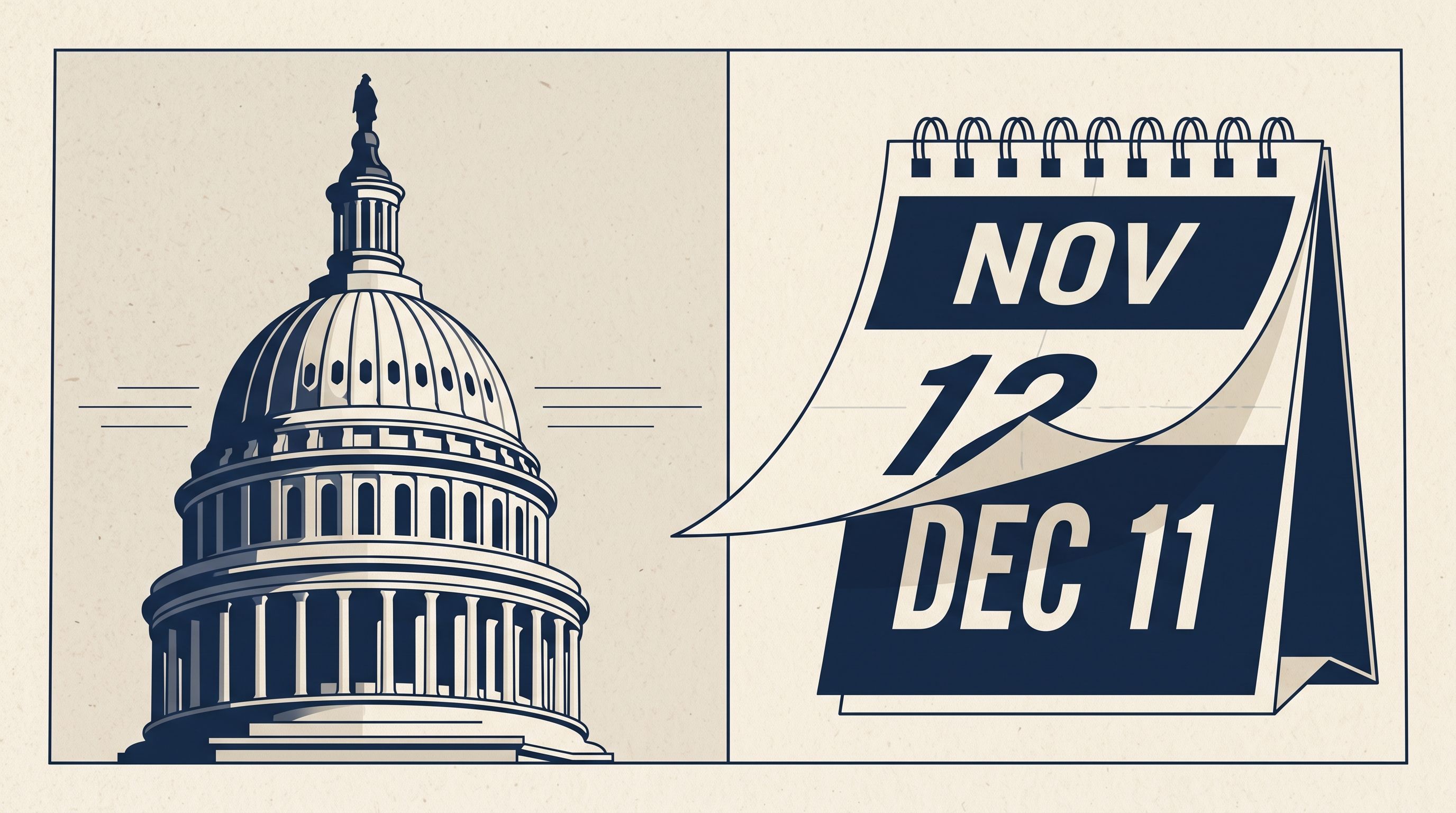
Layered on top of the Texas picture is a significant federal change. The federal direction, including a hemp redefinition scheduled to take effect on November 12, 2026, moves toward a total-THC framework. That redefinition is associated with a much tighter limit, expressed as 0.4 milligrams of total THC per container, a standard that is far more restrictive than the older 0.3% delta-9 dry-weight test and that explicitly counts THCA after decarboxylation.
If a total-THC, per-container standard becomes the operative federal rule, the THCA loophole as it has functioned would effectively close at the federal level. THCA flower, which is high in THCA by design, would not plausibly satisfy a 0.4 milligram total-THC limit per container. For Texas businesses, this federal overlay matters even where state rules remain in flux, because federal hemp definitions shape what can be legally produced, transported across state lines, and sold as hemp nationally.
The takeaway for planning purposes is that the regulatory environment is tightening from two directions at once. Texas has its own contested debate over intoxicating hemp, and the federal framework is moving toward total THC. Businesses that build a model around the delta-9-only interpretation of THCA are building on ground that regulators are actively reshaping. Treat the November 12, 2026 federal redefinition as a planning milestone and confirm exactly how it interacts with Texas requirements as that date approaches.
Because the testing method determines legal status, the certificate of analysis, or COA, is the single most important document in the THCA supply chain. A COA is a lab report describing what is actually in a product. For THCA specifically, the details of that report are what separate a defensible compliance position from a fragile one.
When reviewing a COA, look first at whether the lab is accredited, typically to the ISO/IEC 17025 standard for testing laboratories. Accreditation does not guarantee a particular result, but it signals that the lab follows recognized quality procedures. An unaccredited or unfamiliar lab is a warning sign, especially for a product category as scrutinized as THCA.
Next, examine which THC values the COA reports. A COA that lists only delta-9 THC tells you very little about how the product will behave or how it will be treated under a total-THC standard. A robust COA reports THCA, delta-9 THC, and a calculated total THC value using the standard decarboxylation conversion. For THCA flower, that total-THC figure is usually the number that determines real-world legal exposure. If a supplier provides only a delta-9 reading and resists sharing total THC, treat that as a material risk indicator.
Also confirm that the COA matches the specific batch or lot you are handling, that the sample date is recent, and that the testing method is identified. Reputable operators keep batch-matched COAs on file and make them available to regulators, retailers, and consumers on request. A COA from a different batch, or one that cannot be tied to the product in hand, offers little protection.
Labeling is a frequent point of failure in the hemp category, and THCA products are no exception. Labels should accurately describe the product, identify the cannabinoids present, and avoid claims that overstate legality or understate intoxicating potential. Marketing THCA flower as a non-intoxicating wellness product while simultaneously selling it for its smokable, intoxicating effect is the kind of contradiction that draws regulatory and legal attention.
Sound recordkeeping supports everything else. Maintaining batch-matched COAs, supplier documentation, registration records where required, and a clear paper trail from cultivation or manufacture through retail sale makes it far easier to demonstrate good-faith compliance if questions arise. Where Texas requires registration for consumable hemp sellers, keeping those registrations current and accurate is a baseline expectation rather than an optional safeguard.
Because the rules can change, build labeling and recordkeeping practices that can adapt to a total-THC standard rather than ones that depend on the delta-9-only interpretation surviving. Operators who have already aligned their documentation to total THC will be far better positioned if and when stricter standards take hold.
Sellers operating in or shipping into Texas can reduce risk by treating THCA as a high-scrutiny category and building compliance habits that anticipate tightening rules. The following checklist is a starting point, not legal advice.
For consumers, the central thing to understand is that THCA flower is intoxicating when used as intended. The non-intoxicating description applies only to raw, unheated material, which is not how smokable flower is consumed. Anyone using THCA flower for its effects is, in practical terms, consuming a delta-9 THC product.
That has real consequences. Possessing or using a product that is legal hemp under a delta-9-only reading but would fail a total-THC test creates uncertainty, particularly given that Texas rules are contested and enforcement posture can vary. Drug testing is another consideration: THCA flower can produce the same metabolites that standard THC tests detect, so consuming it may result in a positive test regardless of how the product was marketed or labeled.
Consumers who want to understand their exposure should review product COAs, pay attention to total THC rather than delta-9 alone, and recognize that a shifting legal landscape can change the status of a product they have relied on. When in doubt, confirm the current rules and do not assume that a product sold openly is necessarily compliant in every Texas jurisdiction.
The direction of THCA regulation is toward convergence with marijuana for the purpose of intoxication. The federal move toward a total-THC standard, embodied in the November 12, 2026 hemp redefinition and its 0.4 milligram per-container limit, points clearly at closing the delta-9-only gap that made THCA flower viable in the first place. Texas, for its part, has repeatedly considered tighter limits on intoxicating hemp, and the contested nature of that debate means the state's posture may continue to evolve.
For businesses, the prudent reading is that the THCA window, to the extent it exists, is narrowing. Compliance strategies built around total THC, accredited lab testing, honest labeling, and current registrations will age far better than strategies built on the delta-9-only interpretation. For consumers, the practical reality, that THCA flower behaves like delta-9 THC, is unlikely to change regardless of how the legal categories are redrawn.
Because these rules are fast-moving and contested, treat any specific limit, registration requirement, or enforcement practice described generally here as something to verify against current primary sources rather than as settled law. The status of THCA in Texas as of August 2026 is settled at the state level — THCA flower is Schedule I — though pending federal litigation and the November 12, 2026 federal redefinition may yet reshape the landscape.
No. As of July 31, 2026, THCA flower is a Schedule I controlled substance in Texas under DSHS's reinstated 2021 controlled-substance schedule. A federal lawsuit filed August 3, 2026 seeks to block enforcement, but no injunction was in place as of August 6, 2026. Consult counsel before relying on any particular status.
THCA is the non-intoxicating acidic precursor that the plant produces. When heated, it loses its acidic component through decarboxylation and becomes delta-9 THC, the intoxicating compound that law restricts. THCA flower is essentially a delta-9 THC product before heating.
Because a delta-9-only test can show THCA flower as compliant hemp, while a total-THC test, which counts the THCA that converts to delta-9 when heated, will usually show the same flower failing. The applicable testing standard often determines whether a product is legal hemp or an illegal marijuana product.
Total THC accounts for the delta-9 THC that THCA will produce when heated. The standard formula multiplies the THCA percentage by about 0.877, reflecting weight lost during decarboxylation, and adds the existing delta-9 THC. For THCA flower, this number is usually much higher than the delta-9-only reading.
The federal direction moves toward a total-THC standard, associated with a 0.4 milligram total-THC per-container limit that counts THCA after decarboxylation. If that standard governs, high-THCA flower would generally not qualify as legal hemp, effectively closing the delta-9-only loophole at the federal level.
It can. THCA flower is intoxicating when used as intended and can produce the same THC metabolites that standard drug tests detect. Marketing or labeling a product as non-intoxicating does not change how it behaves once heated and consumed.
At minimum, batch-matched certificates of analysis from accredited labs that report THCA, delta-9 THC, and calculated total THC. A delta-9-only COA is insufficient for a product designed to convert, and a supplier unwilling to provide total-THC data should be treated as a material risk.
No. Raw, unheated THCA is non-intoxicating, but almost no one consumes smokable flower that way. Smoking or vaping converts THCA to delta-9 THC, producing intoxicating effects, which is why regulators increasingly treat THCA flower as equivalent to marijuana for intoxication purposes.
Rely on primary sources and qualified counsel rather than supplier marketing, and check a regularly updated regulatory database. Because Texas rules are contested and fast-moving, confirm the present state of the law before any purchase, sale, or shipment.
This article is regulatory journalism, not legal advice. Talk to your counsel before making compliance decisions. For current, state-by-state detail, see our state cannabis and hemp laws database.
NOTE — August 3, 2026: This page has been superseded. For the current status see our maintained Texas THCA guide and the July 31 recriminalization report. As of July 31, 2026, THCA flower is a Schedule I substance in Texas.
Updated August 6, 2026: Refreshed the summary and FAQ to reflect that THCA flower became a Schedule I controlled substance in Texas on July 31, 2026; a federal lawsuit filed August 3, 2026 challenging the listing is pending.
Short answer: as of July 31, 2026, THCA flower is a Schedule I controlled substance in Texas under DSHS's reinstated 2021 controlled-substance schedule. Before that change, THCA sat in a gray zone in Texas, and whether a given THCA product was legal turned almost entirely on how its THC was measured. Under the federal 2018 Farm Bill framework that Texas adopted for consumable hemp, a product can qualify as legal hemp if it contains no more than 0.3% delta-9 THC by dry weight. THCA flower is cultivated and selected to pass that delta-9-only screen while still carrying enough acidic precursor to become intoxicating once heated. Texas has repeatedly considered tighter limits on intoxicating hemp, including THCA flower, and enforcement posture can vary by agency and locality. Before buying, selling, or shipping THCA in Texas, confirm the current rules and talk to qualified counsel.
This guide explains what THCA is, why the testing method is the entire ballgame, how the so-called THCA loophole emerged, where Texas stood as of mid-2026 before the July 31 scheduling change, and what sellers and consumers should do to reduce risk. It is written as regulatory journalism, not legal advice.
THCA, or tetrahydrocannabinolic acid, is the non-intoxicating acidic precursor to delta-9 THC. In a living cannabis or hemp plant, very little delta-9 THC exists in its active form. Instead, the plant produces THCA, an acidic molecule that does not bind efficiently to the brain receptors responsible for intoxication. Raw THCA flower, consumed cold, will not produce the high associated with cannabis.
The transformation happens with heat. When THCA is heated through smoking, vaping, or baking, it undergoes a chemical reaction called decarboxylation. The acidic portion of the molecule is shed as carbon dioxide, and what remains is delta-9 THC, the intoxicating compound that federal and state law restrict. In practical terms, a jar of THCA flower is a delta-9 THC product waiting for a lighter. That single fact, the gap between how the product tests on a shelf and how it behaves when used, is the reason THCA has become one of the most contested categories in hemp regulation.
Because THCA converts so readily, regulators increasingly treat it as functionally equivalent to delta-9 THC for the purpose of intoxication, even though the two molecules are chemically distinct. Industry sellers, meanwhile, have often pointed to the letter of the law, which historically focused on delta-9 content rather than total potential THC. Understanding that tension is the key to understanding the entire THCA question in Texas and nationally.
The legal status of THCA flower comes down to one technical choice: which number a lab reports. There are two broad approaches, and they can produce very different answers for the same sample.
The first approach measures only delta-9 THC by dry weight. Under the 2018 Farm Bill, hemp is defined as cannabis containing no more than 0.3% delta-9 THC on a dry-weight basis. A THCA-rich flower that has not been heated can show a delta-9 reading well under 0.3%, because most of its THC is still locked in the acidic THCA form. On a delta-9-only test, that flower passes as hemp.
The second approach measures total THC. This formula accounts for the THCA that will convert to delta-9 THC when heated, typically by applying a conversion factor to the THCA value and adding it to the existing delta-9 THC. The standard equation multiplies the THCA percentage by roughly 0.877, reflecting the weight lost during decarboxylation, then adds the delta-9 figure. Under a total-THC standard, the same THCA flower that passed the delta-9 screen will usually fail, often dramatically, because its THCA content is high by design.
This is why the testing method is not a technicality. It is the entire question. A product that is legal hemp under one formula is an illegal marijuana product under the other, with no change to the flower itself. When evaluating whether THCA is legal in Texas, the practical question is always: under the applicable rule, is the lab reporting delta-9 only or total THC, and at what point in the supply chain is that measurement taken?
The THCA market is largely a product of how the 2018 Farm Bill was written. By defining hemp around delta-9 THC content specifically, rather than total THC, the federal statute created an opening. Entrepreneurs realized that high-THCA flower could be grown, tested for delta-9 only, and sold as compliant hemp, even though the end-user experience was indistinguishable from conventional marijuana once the flower was smoked or vaped.
This is commonly called the THCA loophole. It is the same structural gap that gave rise to delta-8 THC and other intoxicating hemp-derived cannabinoids, all of which exploited the distance between the narrow statutory language and the broader intent to regulate intoxicating cannabis. For a closer comparison of how these molecules differ in legal treatment, see our overview of THCA versus delta-9 legal status and our explainer on the delta-8 versus delta-9 legal difference.
Regulators at both the federal and state levels have spent years trying to close that gap. The clear direction of travel is toward a total-THC standard, which would erase most of the distance between THCA flower and ordinary marijuana for compliance purposes. As that standard spreads, the legal foundation under THCA flower narrows considerably.
Texas built its consumable hemp program on the federal hemp definition, allowing the sale of hemp-derived products that meet the 0.3% delta-9 THC dry-weight standard. The Texas Department of State Health Services, generally described as the agency overseeing consumable hemp products, has administered a registration and licensing structure for businesses that manufacture and sell these goods. Sellers of consumable hemp have typically needed to register, and products have been expected to meet testing and labeling requirements.
At the same time, Texas has repeatedly weighed tighter limits on intoxicating hemp. The debate over smokable and intoxicating hemp products, including THCA flower and delta-8 items, has been active and contested for several legislative cycles. State officials and lawmakers have at various points pushed to restrict or ban intoxicating hemp-derived cannabinoids, while industry groups and retailers have pushed back, and litigation has at times affected what rules are actually in force.
Through mid-2026, the practical reality was that the status of THCA flower in Texas was unsettled and could shift. Enforcement posture can vary between state agencies, local prosecutors, and law enforcement, and what is tolerated in one jurisdiction may draw scrutiny in another. This guide does not assert a single settled outcome, specific statutory caps, or particular bill outcomes as current law, precisely because those details have moved and may continue to move. That uncertainty resolved on July 31, 2026, when DSHS's reinstated 2021 controlled-substance schedule took effect and THCA flower became a Schedule I controlled substance in Texas; a federal lawsuit filed August 3, 2026 seeks to block enforcement, but no injunction was in place as of August 6, 2026.
Anyone relying on a delta-9-only reading to justify selling THCA flower in Texas should understand that the federal and state direction is toward total THC, and that a posture which is defensible today may not be defensible after the next rule change. Confirm the current rules through primary sources and counsel rather than relying on marketing claims from suppliers.
Layered on top of the Texas picture is a significant federal change. The federal direction, including a hemp redefinition scheduled to take effect on November 12, 2026, moves toward a total-THC framework. That redefinition is associated with a much tighter limit, expressed as 0.4 milligrams of total THC per container, a standard that is far more restrictive than the older 0.3% delta-9 dry-weight test and that explicitly counts THCA after decarboxylation.
If a total-THC, per-container standard becomes the operative federal rule, the THCA loophole as it has functioned would effectively close at the federal level. THCA flower, which is high in THCA by design, would not plausibly satisfy a 0.4 milligram total-THC limit per container. For Texas businesses, this federal overlay matters even where state rules remain in flux, because federal hemp definitions shape what can be legally produced, transported across state lines, and sold as hemp nationally.
The takeaway for planning purposes is that the regulatory environment is tightening from two directions at once. Texas has its own contested debate over intoxicating hemp, and the federal framework is moving toward total THC. Businesses that build a model around the delta-9-only interpretation of THCA are building on ground that regulators are actively reshaping. Treat the November 12, 2026 federal redefinition as a planning milestone and confirm exactly how it interacts with Texas requirements as that date approaches.
Because the testing method determines legal status, the certificate of analysis, or COA, is the single most important document in the THCA supply chain. A COA is a lab report describing what is actually in a product. For THCA specifically, the details of that report are what separate a defensible compliance position from a fragile one.
When reviewing a COA, look first at whether the lab is accredited, typically to the ISO/IEC 17025 standard for testing laboratories. Accreditation does not guarantee a particular result, but it signals that the lab follows recognized quality procedures. An unaccredited or unfamiliar lab is a warning sign, especially for a product category as scrutinized as THCA.
Next, examine which THC values the COA reports. A COA that lists only delta-9 THC tells you very little about how the product will behave or how it will be treated under a total-THC standard. A robust COA reports THCA, delta-9 THC, and a calculated total THC value using the standard decarboxylation conversion. For THCA flower, that total-THC figure is usually the number that determines real-world legal exposure. If a supplier provides only a delta-9 reading and resists sharing total THC, treat that as a material risk indicator.
Also confirm that the COA matches the specific batch or lot you are handling, that the sample date is recent, and that the testing method is identified. Reputable operators keep batch-matched COAs on file and make them available to regulators, retailers, and consumers on request. A COA from a different batch, or one that cannot be tied to the product in hand, offers little protection.
Labeling is a frequent point of failure in the hemp category, and THCA products are no exception. Labels should accurately describe the product, identify the cannabinoids present, and avoid claims that overstate legality or understate intoxicating potential. Marketing THCA flower as a non-intoxicating wellness product while simultaneously selling it for its smokable, intoxicating effect is the kind of contradiction that draws regulatory and legal attention.
Sound recordkeeping supports everything else. Maintaining batch-matched COAs, supplier documentation, registration records where required, and a clear paper trail from cultivation or manufacture through retail sale makes it far easier to demonstrate good-faith compliance if questions arise. Where Texas requires registration for consumable hemp sellers, keeping those registrations current and accurate is a baseline expectation rather than an optional safeguard.
Because the rules can change, build labeling and recordkeeping practices that can adapt to a total-THC standard rather than ones that depend on the delta-9-only interpretation surviving. Operators who have already aligned their documentation to total THC will be far better positioned if and when stricter standards take hold.
Sellers operating in or shipping into Texas can reduce risk by treating THCA as a high-scrutiny category and building compliance habits that anticipate tightening rules. The following checklist is a starting point, not legal advice.
For consumers, the central thing to understand is that THCA flower is intoxicating when used as intended. The non-intoxicating description applies only to raw, unheated material, which is not how smokable flower is consumed. Anyone using THCA flower for its effects is, in practical terms, consuming a delta-9 THC product.
That has real consequences. Possessing or using a product that is legal hemp under a delta-9-only reading but would fail a total-THC test creates uncertainty, particularly given that Texas rules are contested and enforcement posture can vary. Drug testing is another consideration: THCA flower can produce the same metabolites that standard THC tests detect, so consuming it may result in a positive test regardless of how the product was marketed or labeled.
Consumers who want to understand their exposure should review product COAs, pay attention to total THC rather than delta-9 alone, and recognize that a shifting legal landscape can change the status of a product they have relied on. When in doubt, confirm the current rules and do not assume that a product sold openly is necessarily compliant in every Texas jurisdiction.
The direction of THCA regulation is toward convergence with marijuana for the purpose of intoxication. The federal move toward a total-THC standard, embodied in the November 12, 2026 hemp redefinition and its 0.4 milligram per-container limit, points clearly at closing the delta-9-only gap that made THCA flower viable in the first place. Texas, for its part, has repeatedly considered tighter limits on intoxicating hemp, and the contested nature of that debate means the state's posture may continue to evolve.
For businesses, the prudent reading is that the THCA window, to the extent it exists, is narrowing. Compliance strategies built around total THC, accredited lab testing, honest labeling, and current registrations will age far better than strategies built on the delta-9-only interpretation. For consumers, the practical reality, that THCA flower behaves like delta-9 THC, is unlikely to change regardless of how the legal categories are redrawn.
Because these rules are fast-moving and contested, treat any specific limit, registration requirement, or enforcement practice described generally here as something to verify against current primary sources rather than as settled law. The status of THCA in Texas as of August 2026 is settled at the state level — THCA flower is Schedule I — though pending federal litigation and the November 12, 2026 federal redefinition may yet reshape the landscape.
No. As of July 31, 2026, THCA flower is a Schedule I controlled substance in Texas under DSHS's reinstated 2021 controlled-substance schedule. A federal lawsuit filed August 3, 2026 seeks to block enforcement, but no injunction was in place as of August 6, 2026. Consult counsel before relying on any particular status.
THCA is the non-intoxicating acidic precursor that the plant produces. When heated, it loses its acidic component through decarboxylation and becomes delta-9 THC, the intoxicating compound that law restricts. THCA flower is essentially a delta-9 THC product before heating.
Because a delta-9-only test can show THCA flower as compliant hemp, while a total-THC test, which counts the THCA that converts to delta-9 when heated, will usually show the same flower failing. The applicable testing standard often determines whether a product is legal hemp or an illegal marijuana product.
Total THC accounts for the delta-9 THC that THCA will produce when heated. The standard formula multiplies the THCA percentage by about 0.877, reflecting weight lost during decarboxylation, and adds the existing delta-9 THC. For THCA flower, this number is usually much higher than the delta-9-only reading.
The federal direction moves toward a total-THC standard, associated with a 0.4 milligram total-THC per-container limit that counts THCA after decarboxylation. If that standard governs, high-THCA flower would generally not qualify as legal hemp, effectively closing the delta-9-only loophole at the federal level.
It can. THCA flower is intoxicating when used as intended and can produce the same THC metabolites that standard drug tests detect. Marketing or labeling a product as non-intoxicating does not change how it behaves once heated and consumed.
At minimum, batch-matched certificates of analysis from accredited labs that report THCA, delta-9 THC, and calculated total THC. A delta-9-only COA is insufficient for a product designed to convert, and a supplier unwilling to provide total-THC data should be treated as a material risk.
No. Raw, unheated THCA is non-intoxicating, but almost no one consumes smokable flower that way. Smoking or vaping converts THCA to delta-9 THC, producing intoxicating effects, which is why regulators increasingly treat THCA flower as equivalent to marijuana for intoxication purposes.
Rely on primary sources and qualified counsel rather than supplier marketing, and check a regularly updated regulatory database. Because Texas rules are contested and fast-moving, confirm the present state of the law before any purchase, sale, or shipment.
This article is regulatory journalism, not legal advice. Talk to your counsel before making compliance decisions. For current, state-by-state detail, see our state cannabis and hemp laws database.
