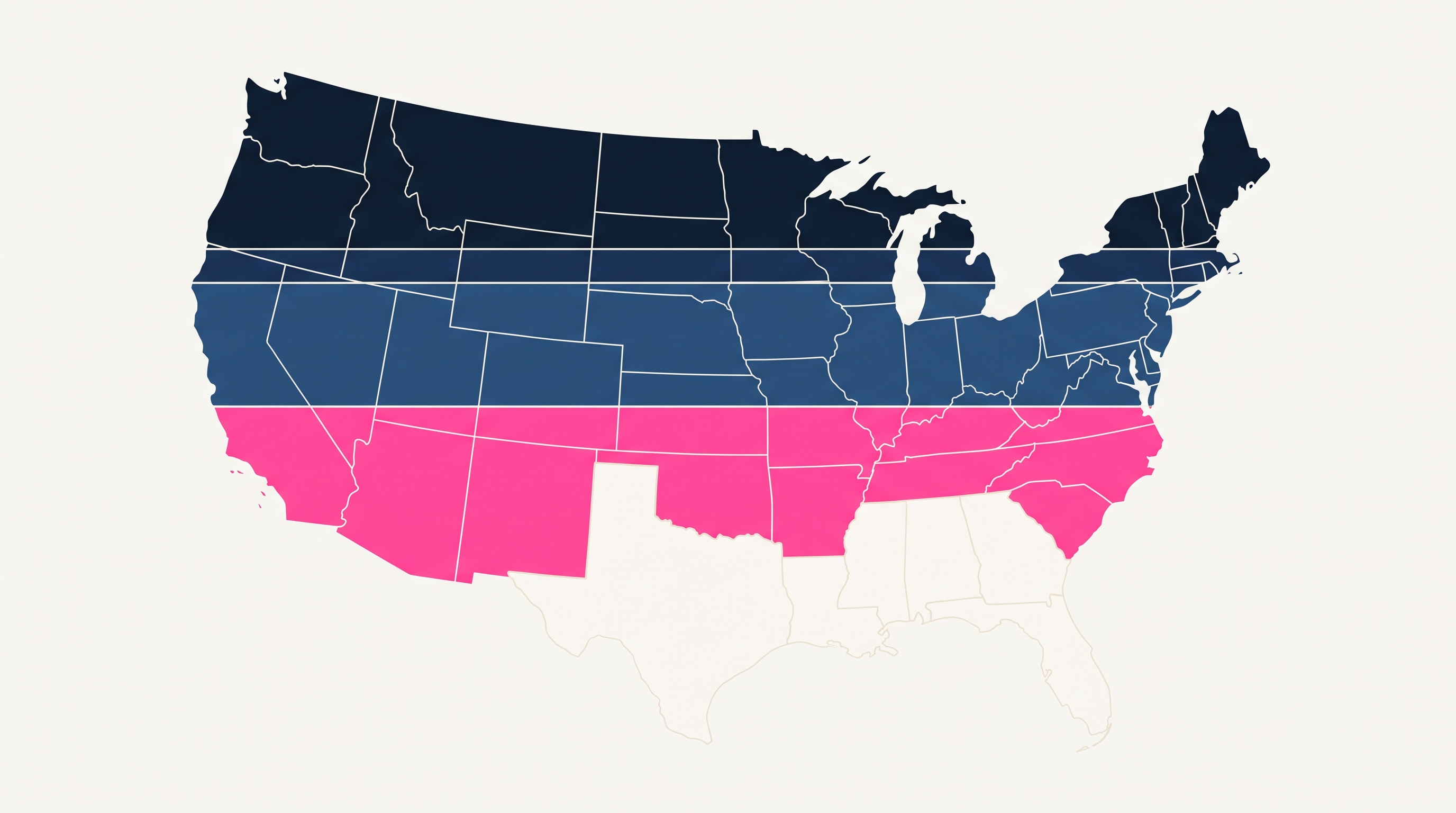
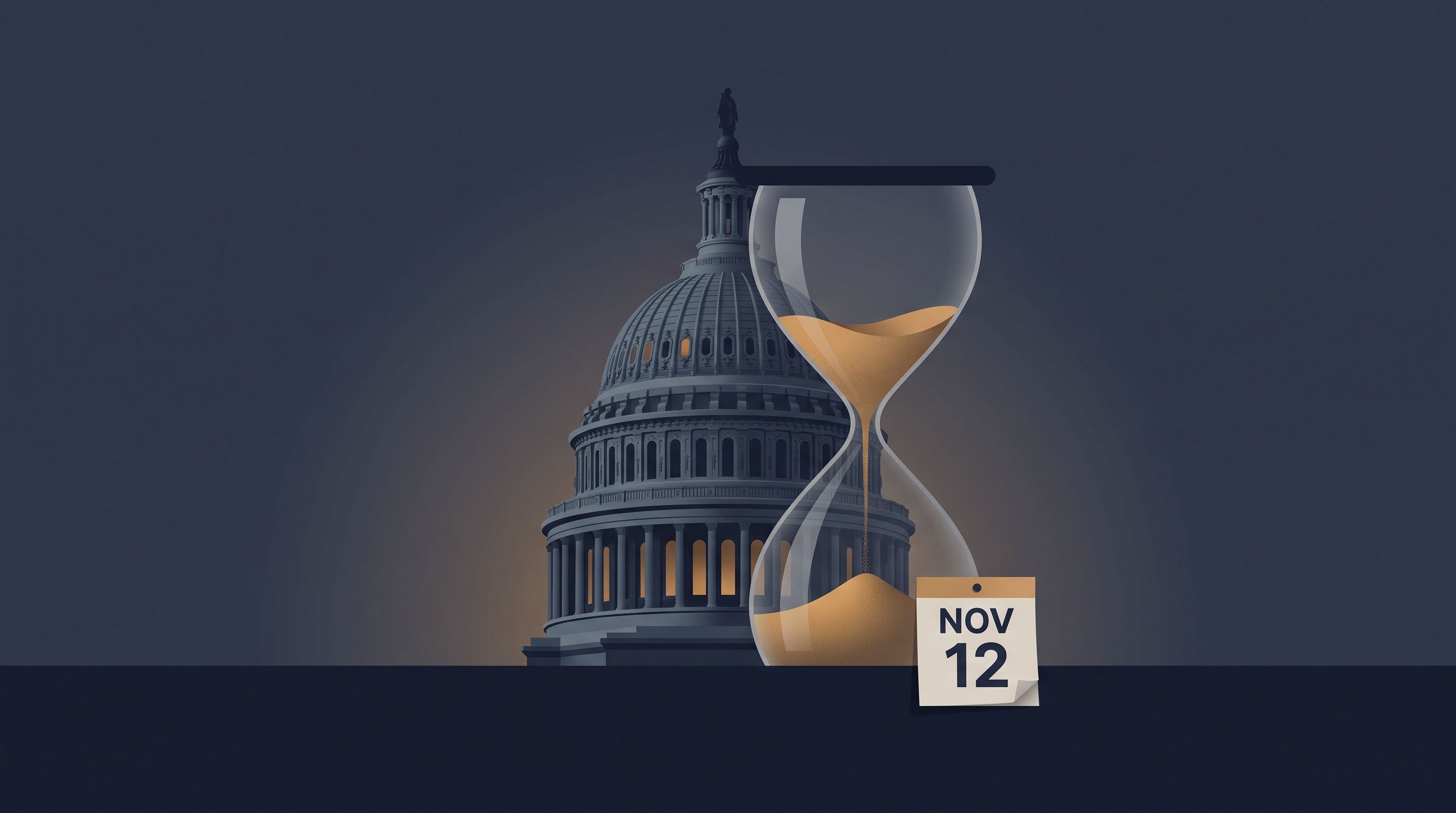
A state-by-state table of delta-8 legality in 2026 — plus the November 12 federal date, and why roughly half the states on the map may not follow it.
California's Department of Cannabis Control published three further adulteration recalls on September 14 and 15. One names a licensee that bought the cannabis from someone else — and that is the part operators need to read.
A camera pointed at a wall cost a Michigan processor two licences and $2 million. In Pennsylvania, the gas-station THC channel is now a corrupt-organizations case.
Two live obligations in one state — packaging rules already in force, and a draft that turns a missed MCA email into a lost conditional license. Comment closes September 30.
Hemp CBD is legal in Texas under chapter 443, but the answer narrows on two dates: Texas already counts THCA toward total THC, and federal law counts total THC per container from December 11. Which SKUs are exposed.
THC-P occurs naturally in trace amounts and is sold as a CBD-derived synthetic — and that combination puts it in a different federal bucket than most 'synthetics.' Here is how it compares with delta-9 THC on chemistry, law and testing.
The notice never says cannabis, but the botanical pathway is the one whole-plant extracts travel. Comments close November 3 — before anyone knows whether cannabis becomes Schedule III.
P.L. 119-103 moved most of the federal hemp redefinition to December 11 — but Missouri and Illinois still hit November 12, Virginia, Ohio and Texas already bind harder, and Square's October 15 date is the earliest of all.
The 0.4 mg per-container cap is smaller than a single Delta-8 gummy. Seven trends operators should be tracking before the federal definition changes.
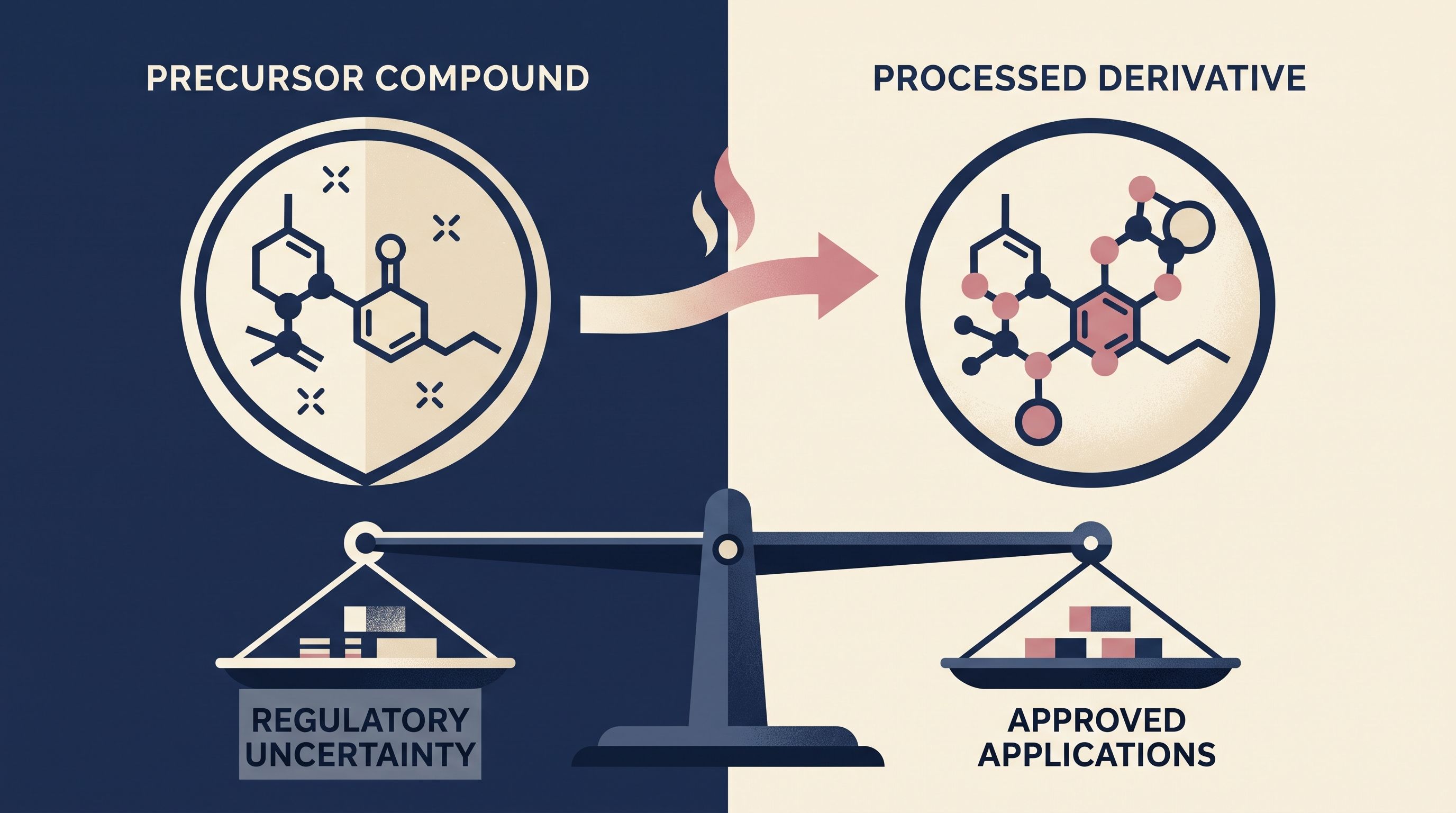
Chemically a heat step apart, legally worlds apart — until the November 12 total-THC standard closes the gap. What operators and buyers need to know.
Gov. Meyer signed a dual-channel THC drinks law: dispensaries and liquor stores both sell, with state packaging, testing and advertising rules attached.
Barr and Craig filed the first real vehicle to avert November 12 — with a 1% total THC standard and alcohol-style rules for THC drinks. THCA flower is left out.
CAOA was filed July 16 with a hemp-recriminalization block. Sen. Sheehy says a bipartisan fix can pass. Four months out, here are the realistic paths.
Though HHC and HHC-A share a chemical lineage, they are distinct compounds with different potency levels and legal statuses. Understanding the gap between "not yet illegal" and "confirmed legal" is essential for any consumer navigating today's complex cannabinoid market.
The executive branch urged Congress to soften the November hemp cliff — the strongest signal yet that the redefinition could move.
A federal judge granted 10 hemp companies a temporary restraining order on June 15, pausing Ohio's SB 56 hemp-drink ban while a dormant Commerce Clause challenge proceeds.
The federal hemp definition changes on November 12, 2026: total-THC measurement replaces delta-9-only, and a 0.4 mg per-container cap applies. Most THCA flower, delta-8, and intoxicating hemp products will not meet the new definition. Operator compliance guide.
Cannabis SOP templates for 2026 cover cultivation, processing, and retail, providing the documented procedures regulators require for licensing and inspections.
NFPA 420 sets fire safety requirements for cannabis extraction, storage, and retail facilities; how it pairs with UL 8139, local fire codes, and operators.
Cannabis lab testing standards in 2026 are tightening through potency audits, lab shopping crackdowns, and broader ISO 17025 accreditation expectations.
Vape hardware sourcing now requires conflict minerals diligence on smelters, refiners, battery components, and contract manufacturers across global electronics.
Cannabis recall insurance underwriters in 2026 require documented product risk profiles, supplier controls, traceability evidence, and response readiness.
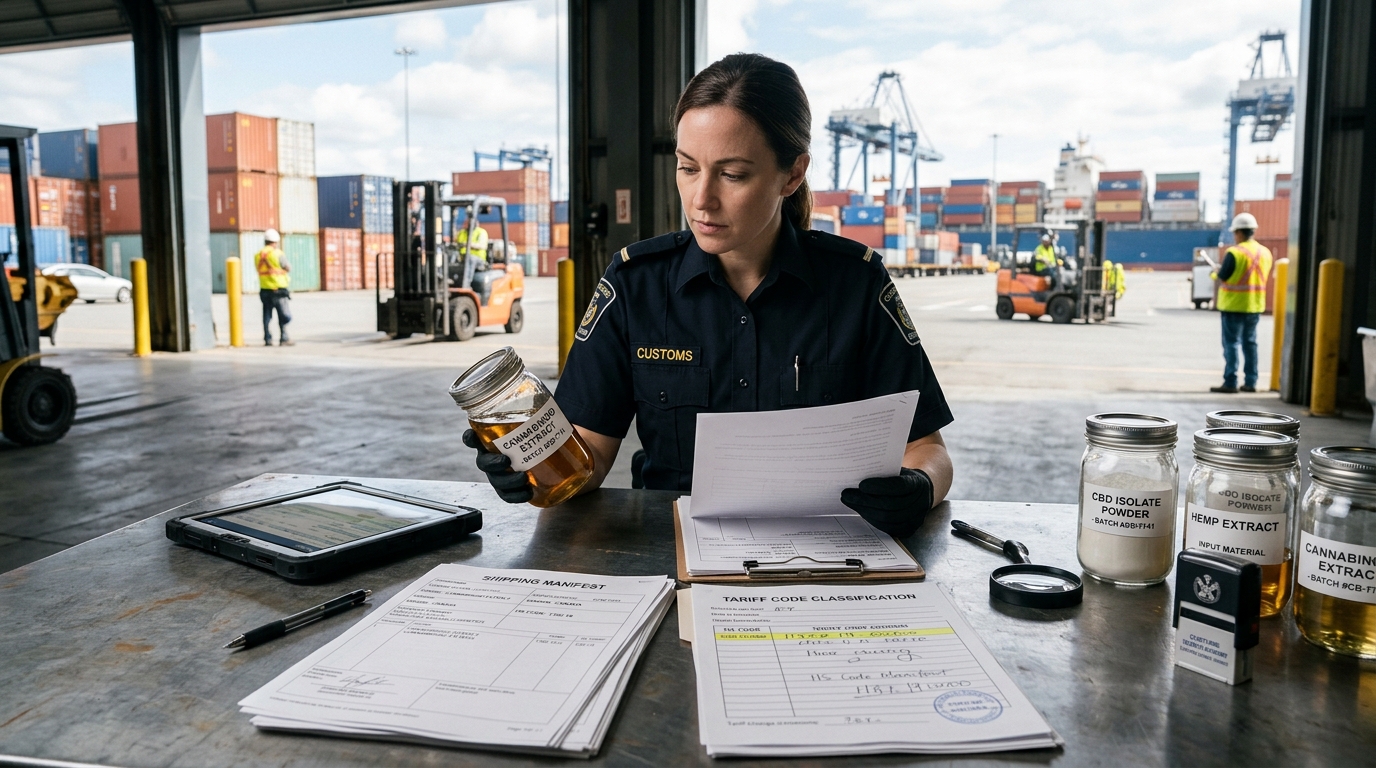
Cannabinoid input HTS classification errors trigger customs detentions and seizures when product taxonomy, broker data, and CBP documentation are inconsistent.
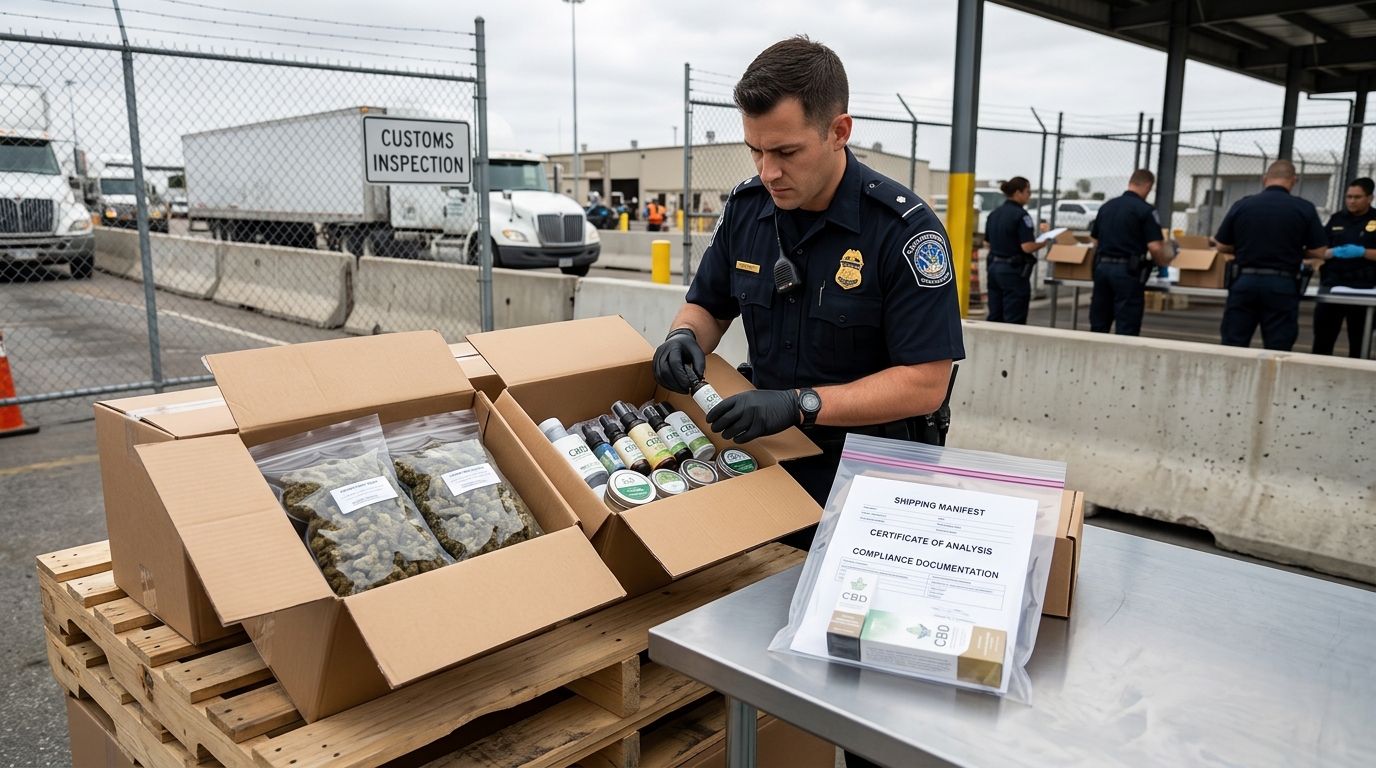
Hemp and CBD importers facing US Customs detentions can resolve holds faster with a coherent evidence packet covering classification and lab data.
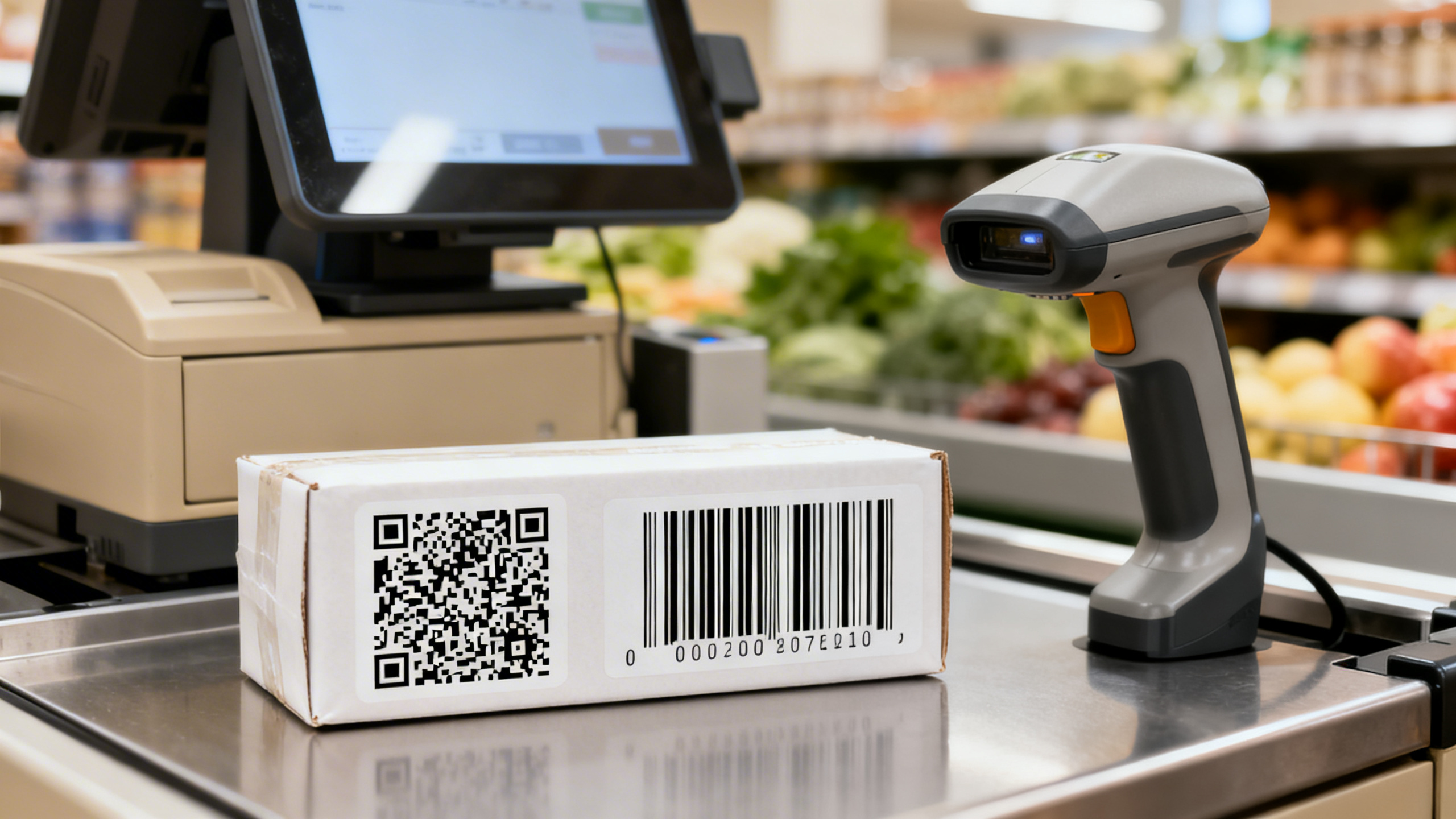
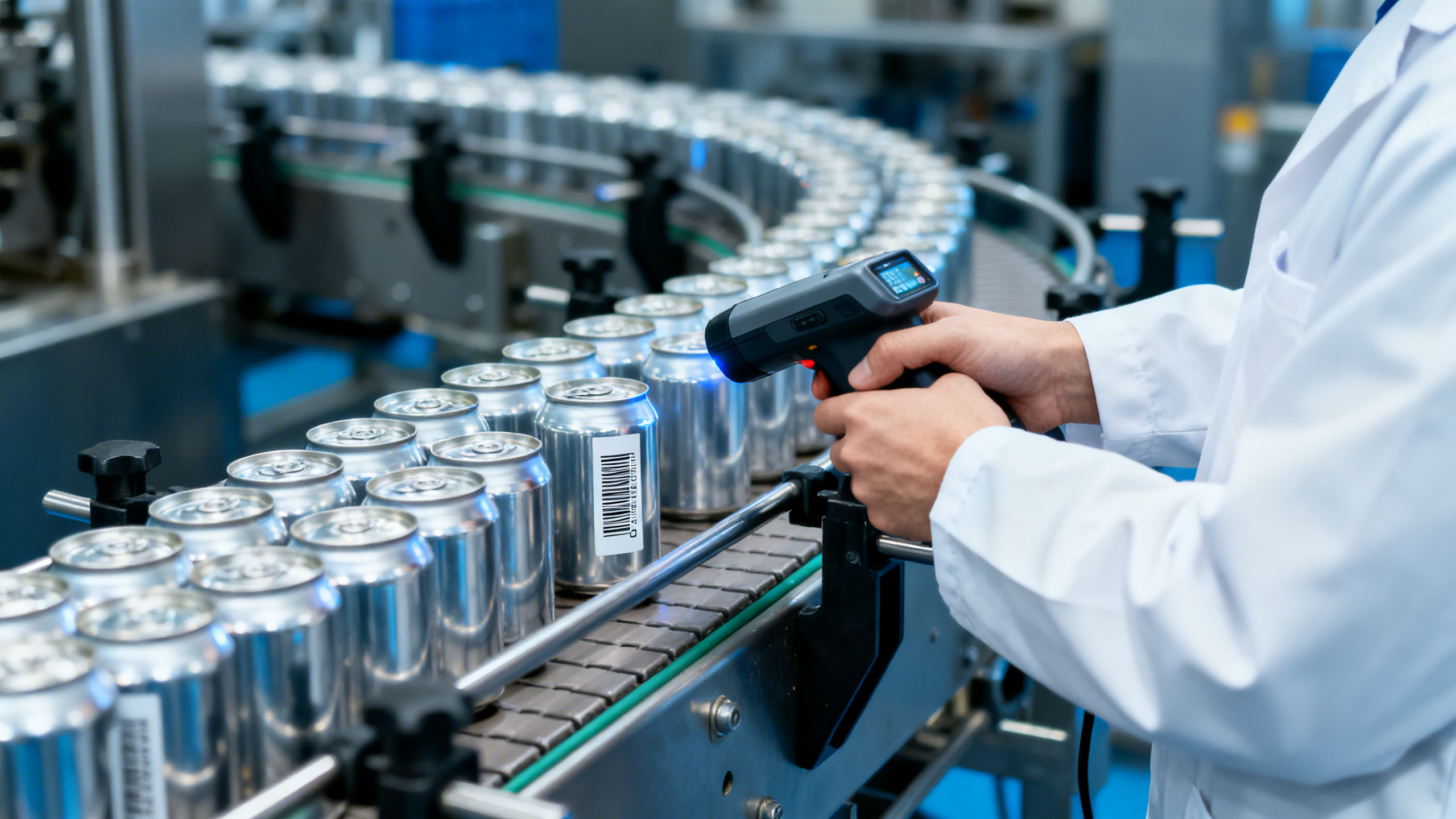
GS1 US Sunrise 2027 pushes cannabinoid and hemp brands to adopt 2D barcodes and Digital Link QR codes for POS scanning, COA delivery, and recall readiness.
Why 2026 enforcement treats many hemp products as synthetic or artificially derived, and what evidence proves cannabinoids are naturally derived from hemp.
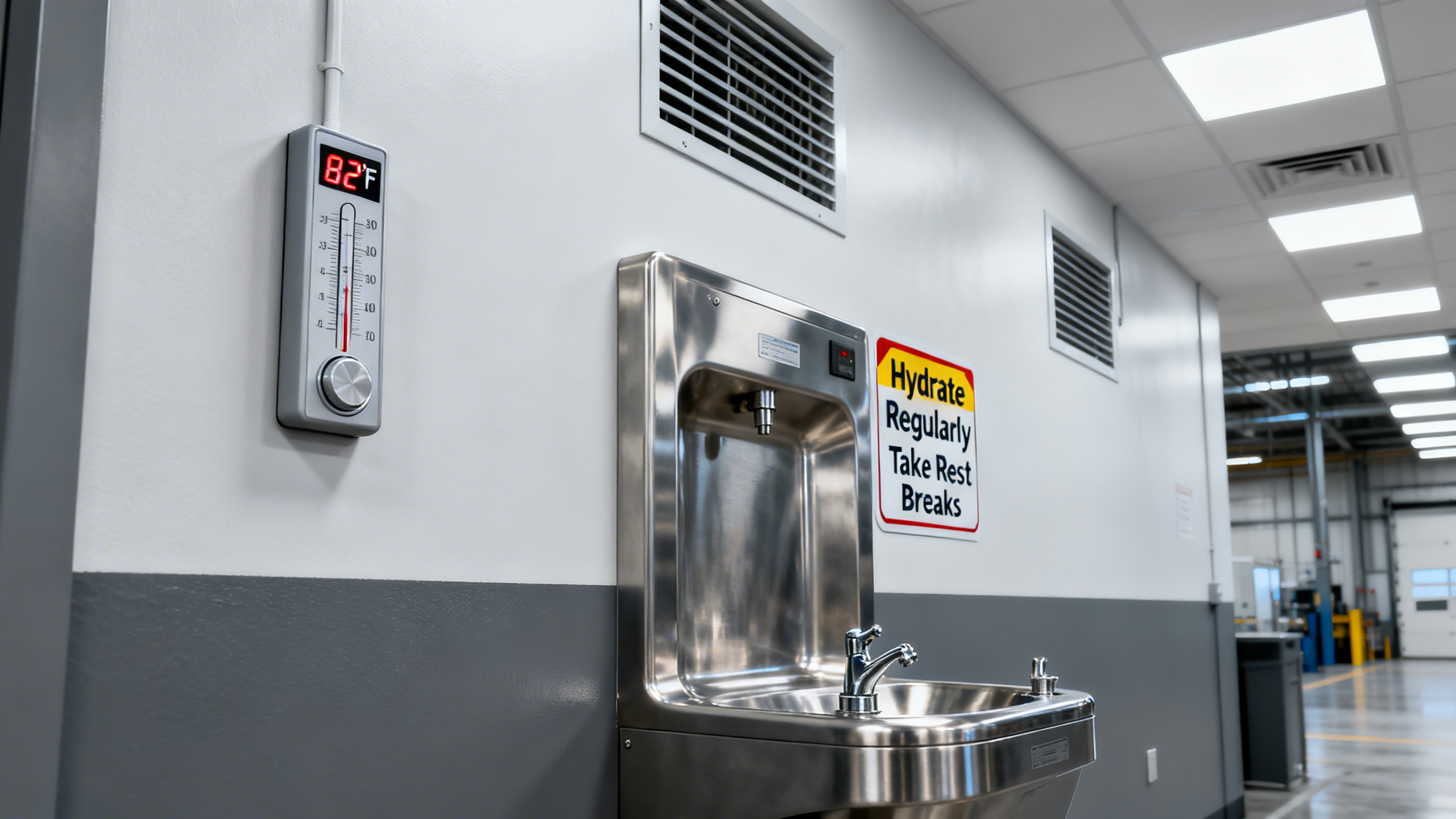
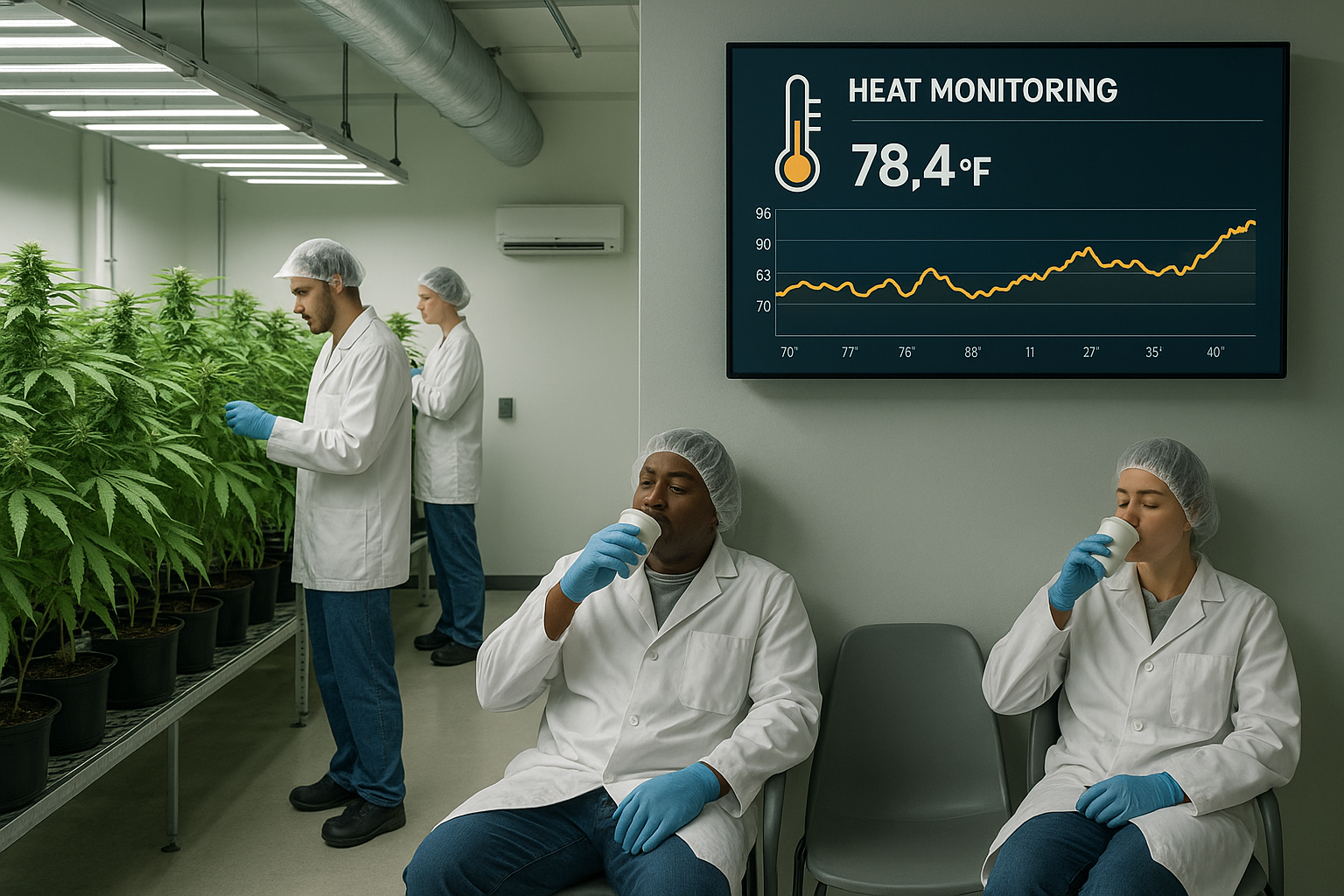
California's OSHA indoor heat illness rule applies year-round to cannabis cultivation and extraction — engineering controls and records inspectors want.
Canada signaled a shift from 13 province-specific cannabis excise stamps toward a unified national stamp, with packaging and co-pack implications for beverages.
A GAO report urging FDA to strengthen its Food Contact Substances program raises packaging migration and audit risk for THC and CBD beverage brands.
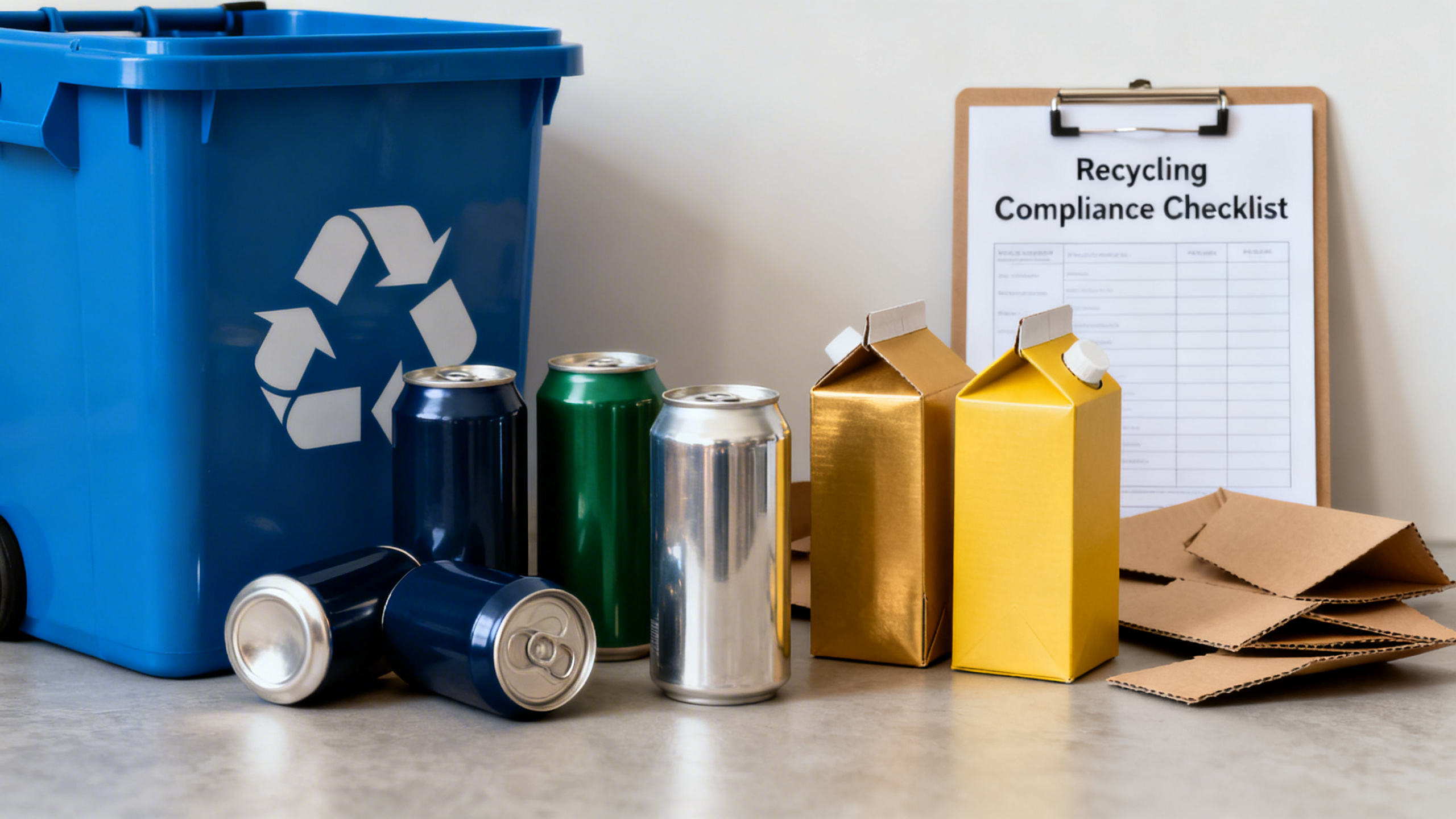
Ontario Blue Box EPR transition under O. Reg. 391/21 is adding 2025 cost pressure and labeling scrutiny for THC and CBD beverage producers in the province.
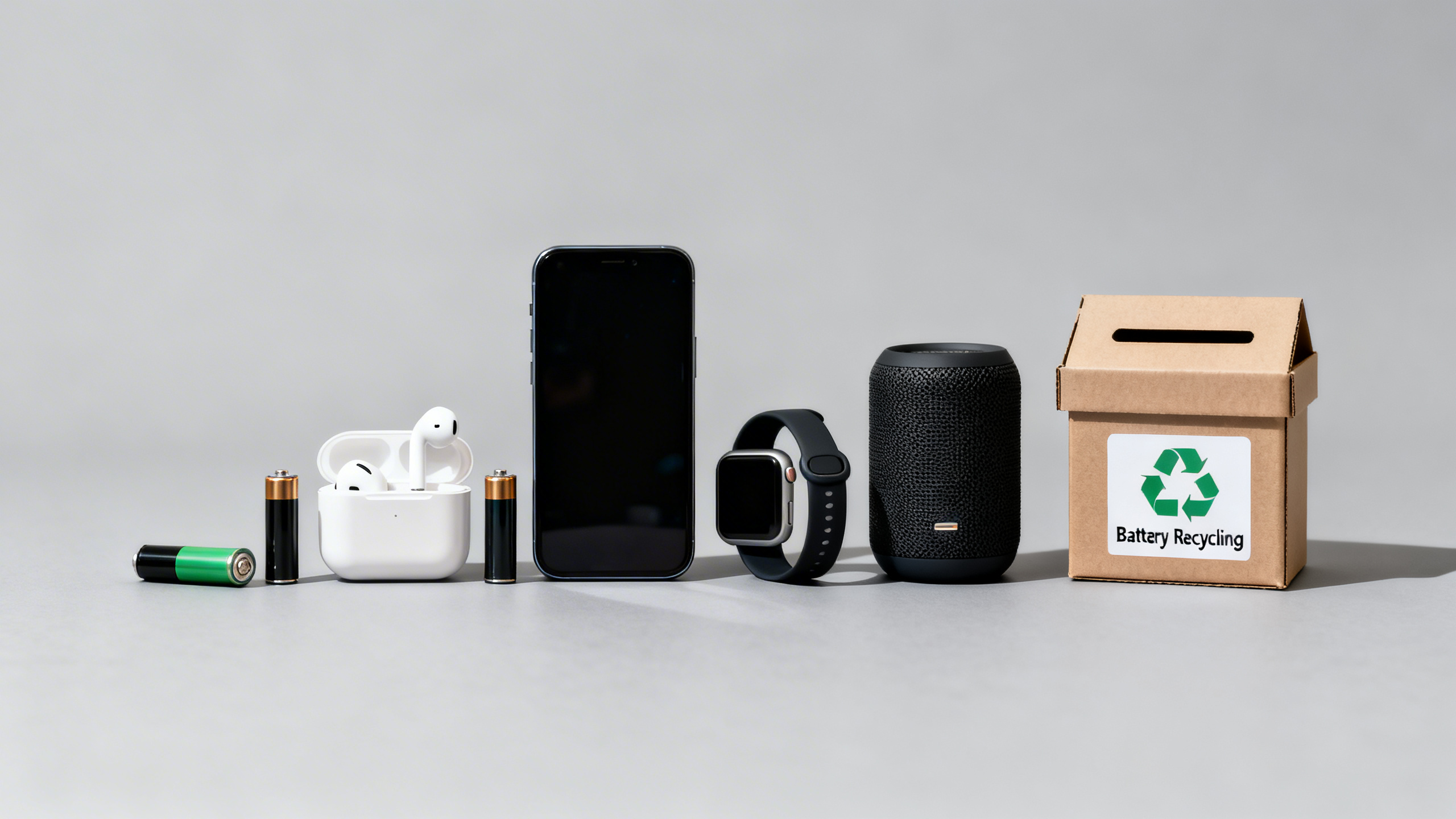
Canada 2025 Extended Producer Responsibility rules pull battery-powered cannabis vape devices into PRO enrollment, take-back, and SKU-level battery reporting.
Health Canada March 12, 2025 amendments permit QR codes on cannabis labels, transparent packaging windows for defined formats, and co-packs under conditions.
Alberta AGLC 2025 secondary testing program shows potency variance and labeling issues drive most compliance breakdowns rather than contamination findings.
Ontario's 2025 OCS THC potency testing pilot exposes label inflation in high-THC SKUs and reshapes supplier audits across the regulated adult-use catalog.
California Proposition 65 exposure on vape hardware in 2025 demands a procurement-led lead-free program with wetted-part controls and lot-level verification.
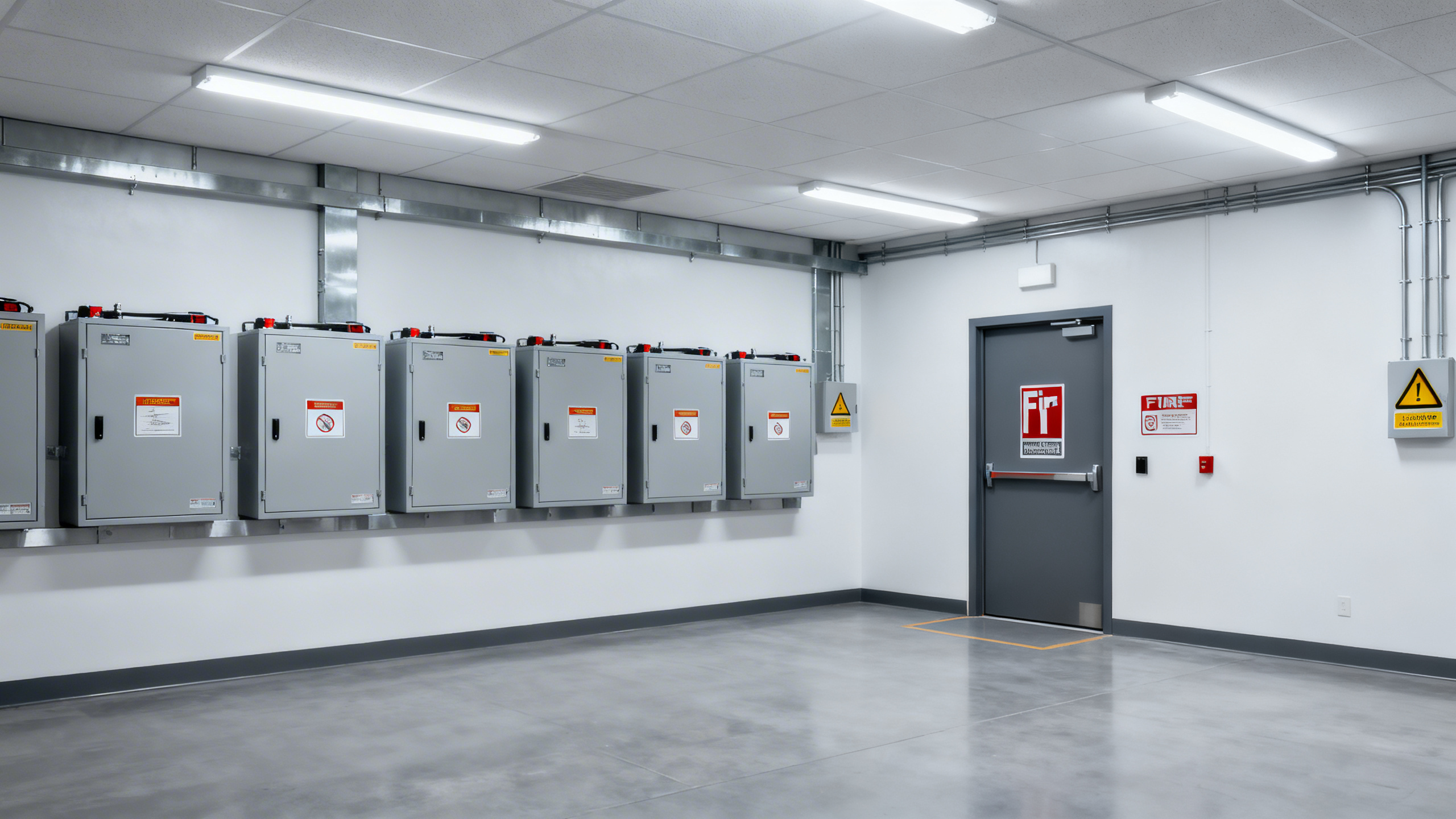
California indoor cultivation battery rooms in late 2025 face fire-permit scrutiny under NFPA 855, UL 9540, UL 9540A, and the International Fire Code framework.
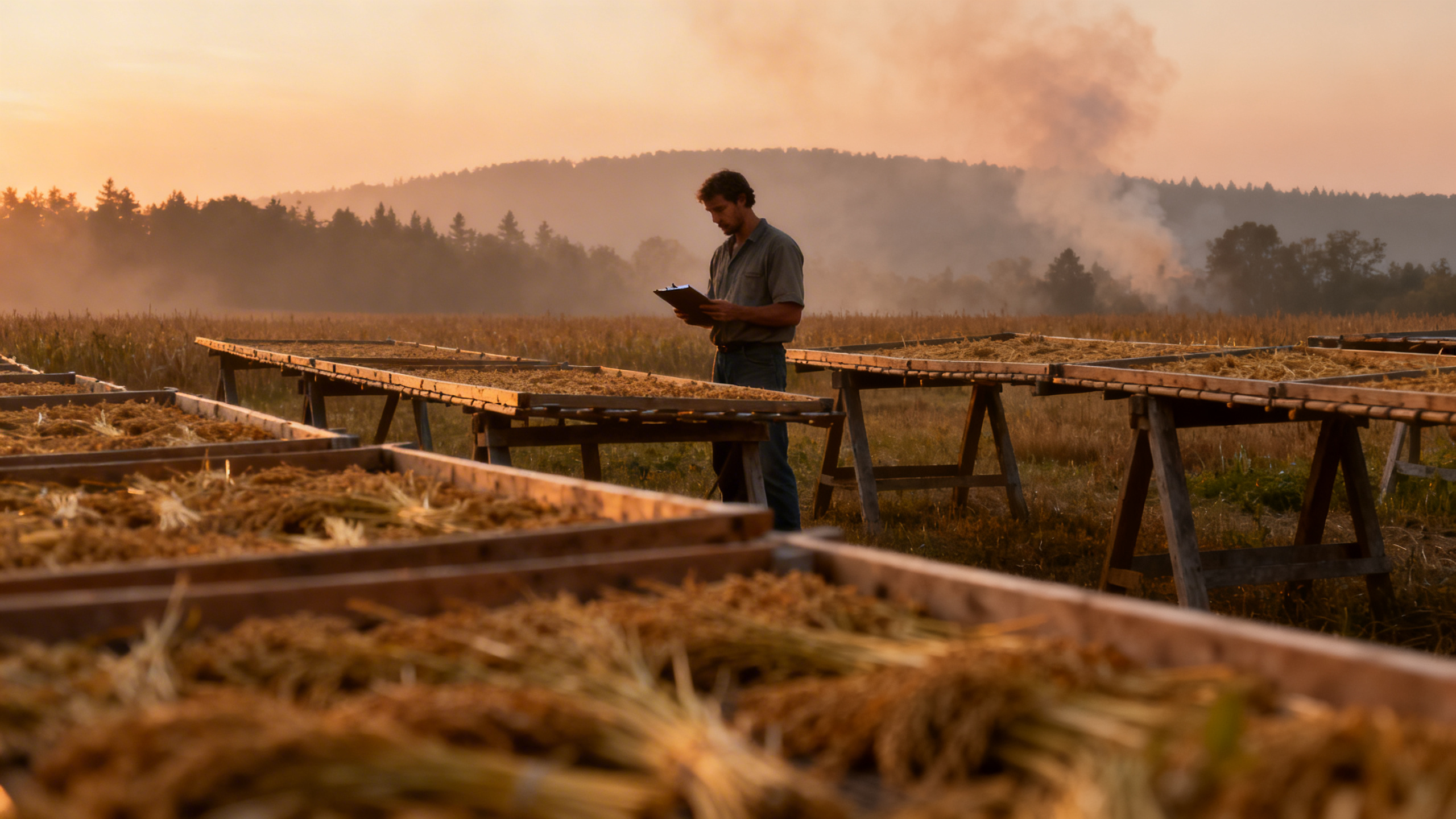
Oregon outdoor cannabis and hemp operators face 2025 wildfire smoke taint risks; practical guide to testing, labeling, and recall triage before packaging.
UK Plastic Packaging Tax rose to 223.69 GBP per tonne on 1 April 2025 and indexes to 228.82 GBP per tonne on 1 April 2026 for under-30-percent recycled plastic.
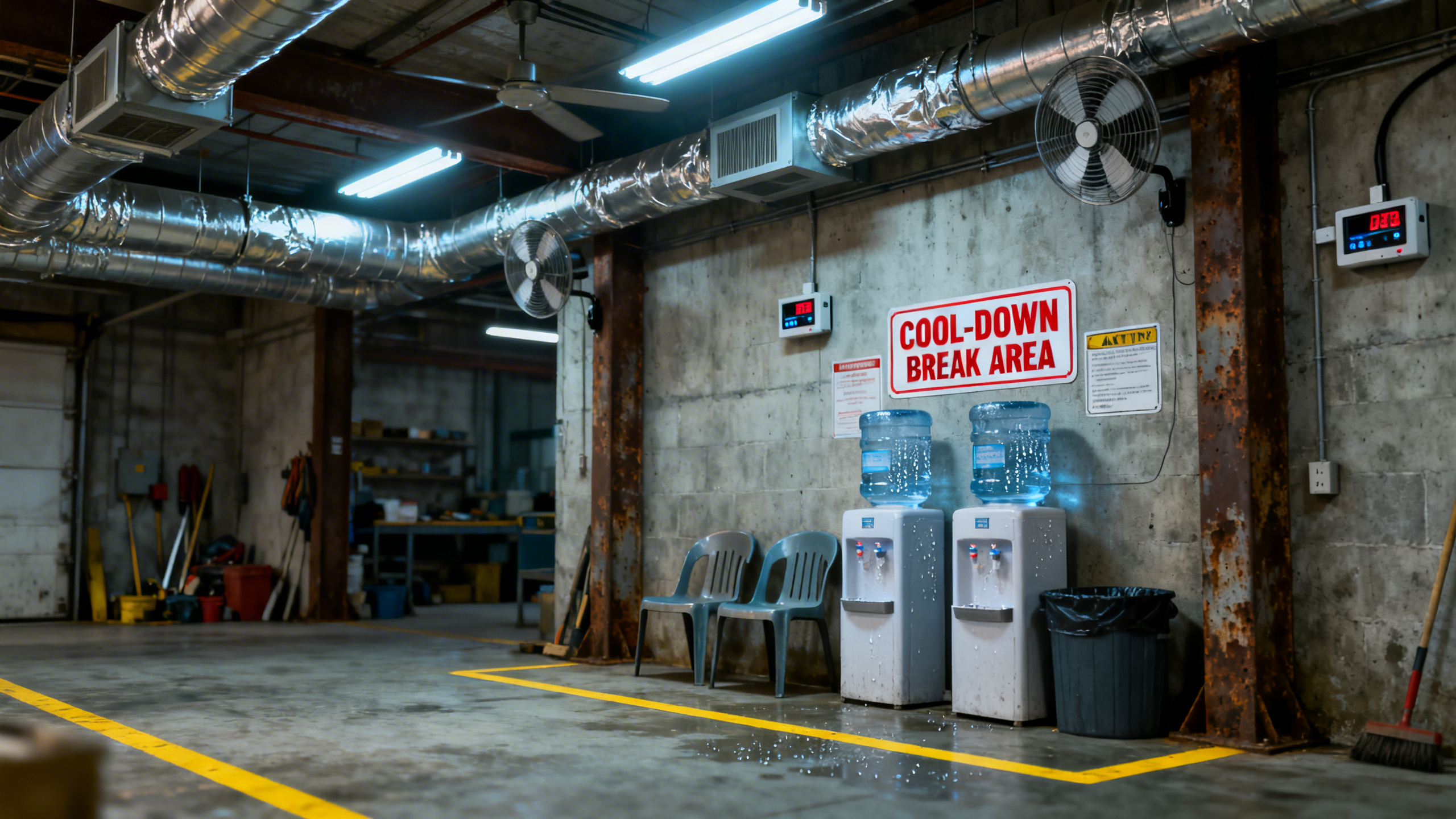
Cal/OSHA 8 CCR 3396 Indoor Heat Illness Prevention rule has applied since July 23, 2024, covering cannabis cultivation, extraction, and beverage facilities.
California's 2025 Title 24 energy code and 2025 Fire Code based on IFC 2024 are colliding for extraction labs, CO2 grow rooms, and indoor permits.
In 2025, retailers and marketplaces require GFSI-benchmarked SQF or BRCGS certification before stocking hemp-derived THC beverages from co-packers.
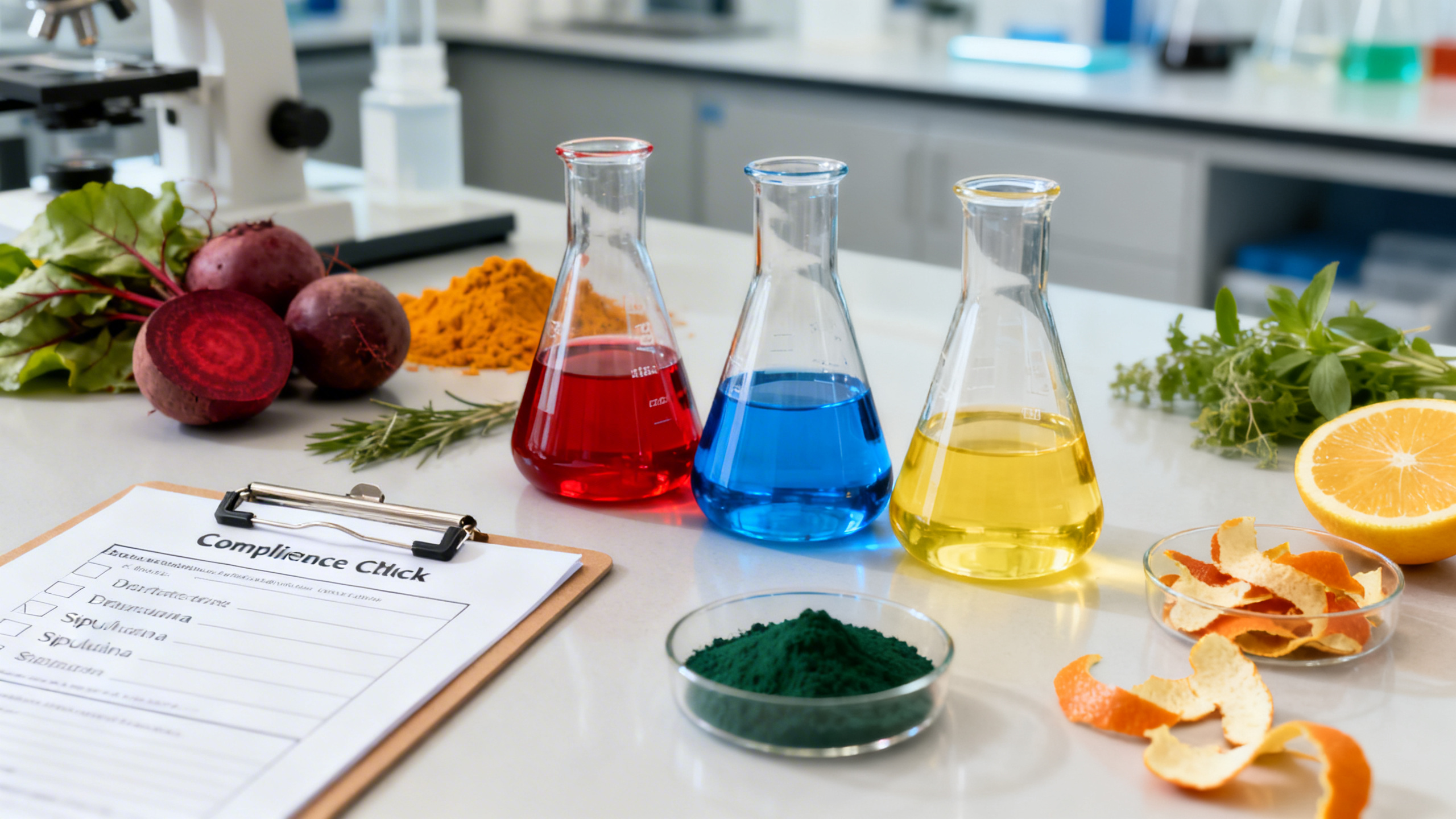
FDA's 2025 focus on naturally derived color additives raises label risk for THC and CBD beverages using spirulina, beet, or no-artificial-color claims.
Greece's 2025 push to expand medical cannabis exports hinges on EU-GMP readiness across GACP cultivation, EudraLex Volume 4 manufacturing, and release.
EPA's September 2025 Aquatic Life Benchmarks update indirectly raises wastewater, pretreatment, and pesticide risk for cannabis and hemp processing.
Colombia's Decree 1138 of October 27, 2025 recognizes dried medical cannabis flower as a finished product, opening pharmacy dispensing and exports.
Health Canada removed the 60-day Notice of New Cannabis Product for dried and fresh cannabis in 2025, speeding flower launches without easing testing.
Aluminum can liner migration and emulsion drift are emerging recall drivers for THC beverages in 2025, with California posting packaging-tied recalls.
Co-manufacturing hemp and state-regulated cannabis under one roof in 2025 demands documented segregation, GMP controls, and verifiable diversion safeguards.
THC beverage brands in 2025 face BPA-NI and PFAS-free can liner attestations, driven by EPA PFAS rules, state packaging bans, and retailer vendor specs.
Hemp-THC beverage operators must align FDA FSMA 204 Food Traceability Rule records with state Metrc track-and-trace before the January 20, 2026 deadline.
Kosher and halal certification for cannabinoid beverages in 2025 hinges on ingredient acceptability, audit readiness, and change-control at scaling co-packers.
Nanoemulsified cannabinoid beverages face heightened 2025 FSMA scrutiny under 21 CFR Part 117, requiring updated hazard analyses and shelf-life challenge plans.
California cannabis terpene emissions face 2025 to 2026 air-permitting scrutiny as VOCs under Clean Air Act ozone planning and SIP nonattainment pressure.
FDA's 2025 Human Foods Program signaled new natural color additive guidance, exposing THC beverages to color additive premarket review and misbranding risk.
USP republished draft General Chapter 1568 and the proposed CBD monograph in Pharmacopeial Forum 51(3) for September to October 2025 cannabis research review.
ASTM D37 voluntary cannabinoid labeling standards give U.S. retailers a defensible framework to reduce label-driven enforcement and litigation risk.
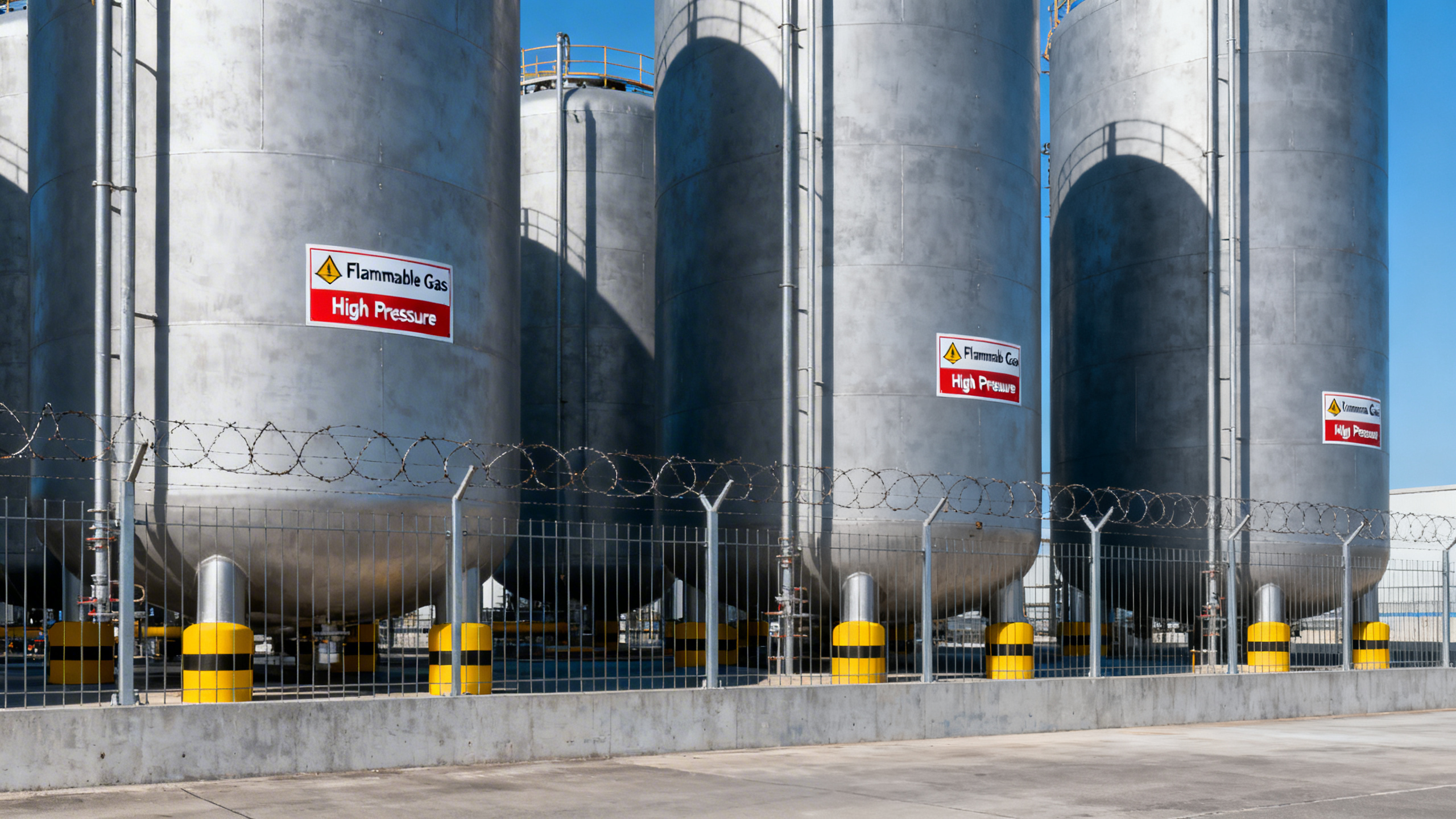
Cannabis extraction facilities storing bulk butane or propane may cross EPA Risk Management Program thresholds, triggering PHA and 2027 planning duties.
Bulk CO2 systems in hemp-derived THC beverage facilities trigger OSHA, NFPA 55, and local fire code obligations operators must address in 2025 and 2026.
Food-grade hemp ingredients must meet EPA pesticide tolerances under FFDCA while reconciling state cannabis residue lists and FSMA supply-chain rules.
Greece's 2025 Falsified Medicines Directive update adds new serialization and repackaging controls for cannabis-derived prescription medicines.
Morocco logged its first legal cannabis exports in 2025 with 67 ANRAC-approved products under Law 13-21, opening medical and industrial supply channels.
EPA's September 2025 request to the D.C. Circuit to vacate parts of its PFAS drinking water rule reshapes water testing duties for THC and CBD beverage plants.
India's FSSAI now recognizes hempseed, flour, oil, and protein as foods in 2025, opening exporter pathways with strict residual cannabinoid and labeling limits.
EPA pushed TSCA Section 8(a)(7) PFAS reporting to an April 13, 2026 start date, giving cannabis and hemp packaging supply chains time to inventory exposure.
EPA extended TSCA Section 8(a)(7) PFAS reporting to October 13, 2026, giving cannabis and CBD brands time to inventory packaging, coatings, and device exposure.
OSHA's GHS Revision 7 HazCom update took effect July 19, 2024, with 2025-2026 deadlines that reshape SDS, labels, and training for cannabis manufacturers.
California SB 253 and SB 261 climate disclosure laws are pushing 2025 Scope 3 packaging data requests down to THC beverage co-packers and aluminum suppliers.
Cannabis COA QR codes in 2025 must move beyond static PDF links toward GS1 Digital Link to survive batch-level recall checks and retailer marketplace audits.
Nano THC beverage brands in 2025 must back labeled milligram strength with full shelf-life stability data to satisfy state auditors and major retail chains.
EPA 2024 PFAS drinking water standards and expanded RCRA waste rules force 2025-2026 filter, washwater, and packaging controls on THC beverage manufacturers.
NIOSH's 2024-2025 cannabis worker safety updates push cultivation, extraction, and beverage facilities to refresh SOPs against IFC, NFPA, and OSHA standards.
California SB 253 and SB 261 climate disclosure obligations begin in 2026-2027, making 2025 the build year for cannabis THC drink supplier data systems.
THC and CBD beverage plants face 40 CFR Part 403 pretreatment scrutiny in 2025, with POTWs setting local limits for surfactants and cannabinoid residuals.
CBP's January 2025 proposed rule rewrites the Section 321 de minimis exemption, ending duty-free entry for low-value CBD and hemp-derived cannabinoid shipments.
Health Canada's July 2025 CTLS data integrity crackdown raises personnel and ownership reporting stakes for licensees while easing minor CAPA paperwork.
THC beverages in 2025 must use CPSC-tested child-resistant and reclosable closures under the Poison Prevention Packaging Act plus a patchwork of state mandates.
Rhode Island, Nevada, and other states in 2025 are forcing hemp-derived THC beverages, edibles, and concentrates into Metrc seed-to-sale and licensed cannabis.
California AB 8 in September 2025 would move intoxicating hemp products like delta-8 and THCa into the regulated cannabis system and ban synthetic cannabinoids.
The 2024 International Fire Code and 2023 NEC Article 512 reshape cannabis extraction hazardous-location compliance for permits renewing in 2025-2026.
NFPA 420, the first stand-alone fire and life-safety standard for cannabis grow, extraction, and beverage facilities, is slated for a 2027 first edition, with readiness steps for hazards and inspections.
Europe's ICS2 Release 3 requires house-level entry summary declarations and HS codes for CBD and hemp shipments, raising seizure risk for exporters.
NFPA 660 consolidates combustible dust standards in 2025, forcing cannabis and hemp processors to update SOPs before 2026 permit renewals and audits.
ASTM D37's new vape ingredient safety standard sets rules for terpenes and flavorants, raising retailer liability for non-conforming cannabis vapes.
USP reopened its draft CBD monograph in 2025 with public comment closing July 31, 2025, signaling new specs, impurity limits, and testing method shifts.
Portugal's INFARMED tightened 2025 import and export rules for medical cannabis, adding new documents, timelines, and compliance steps for licensees.
The FDA Human Foods Program 2025 guidance agenda signals tighter post-market scrutiny on CBD, CBN, and CBG and expanded adverse event reporting integration.
The FDA brominated vegetable oil ban forces THC and hemp beverage brands to reformulate emulsions, update labels, and document supply chain attestations.
North Dakota's 2025 medical cannabis edibles rollout introduces packaging, labeling, and dosing requirements that dispensaries and processors must meet.
Israel's 2025 medical cannabis rules expand specialist prescribing authority with a December go-live, adding steps for importers and pharmacies.
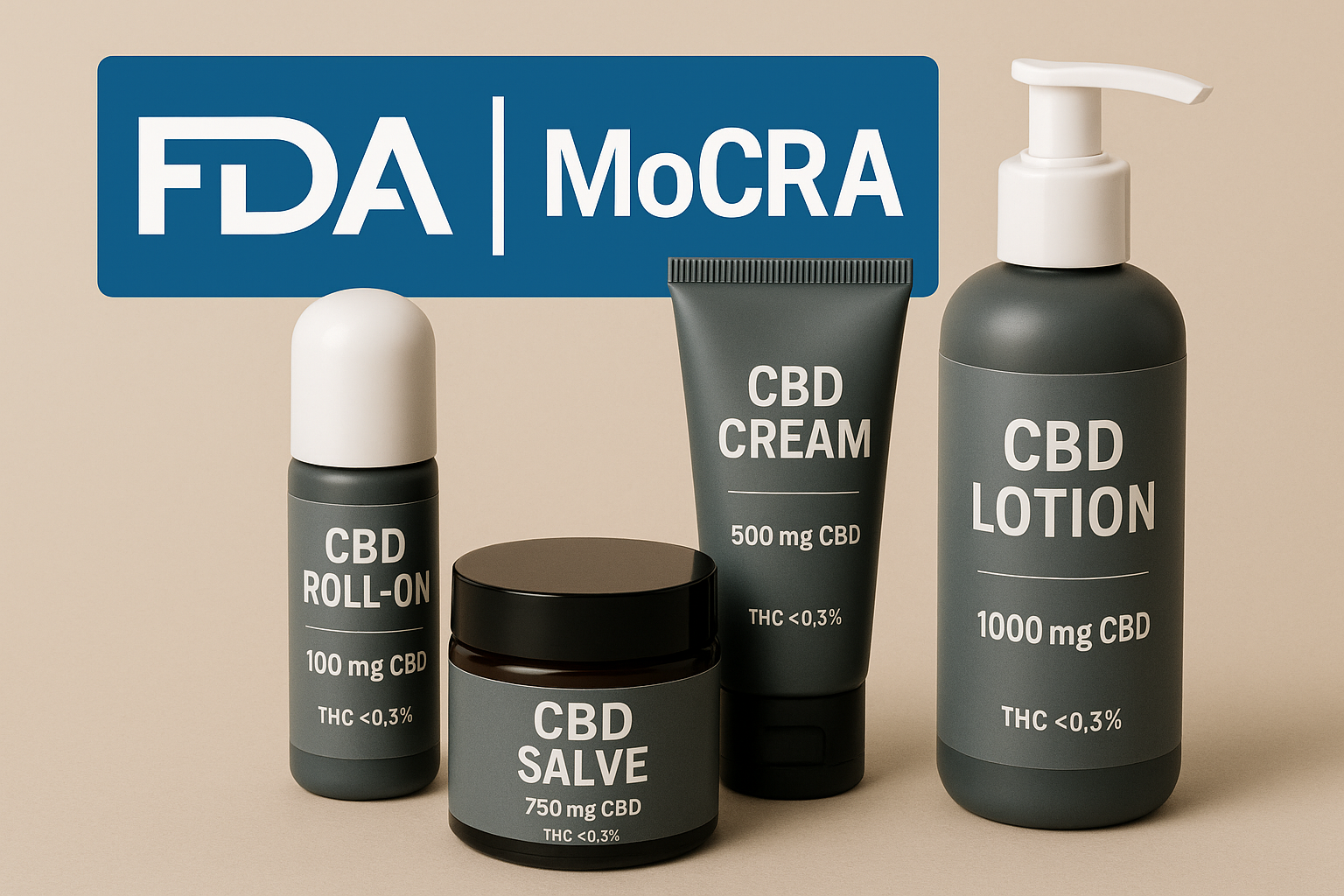
MoCRA covers CBD topicals in 2026 — FDA facility registration, product listing, safety substantiation, and 15-day adverse event reporting are required.
OSHA's upcoming heat illness standard will require indoor grow ops and processing facilities to add hydration, rest, acclimatization, and monitoring.
TTB rules bar hemp-derived THC from federally bonded brewery premises, pushing breweries toward alternating premises and separate entities for THC seltzers.
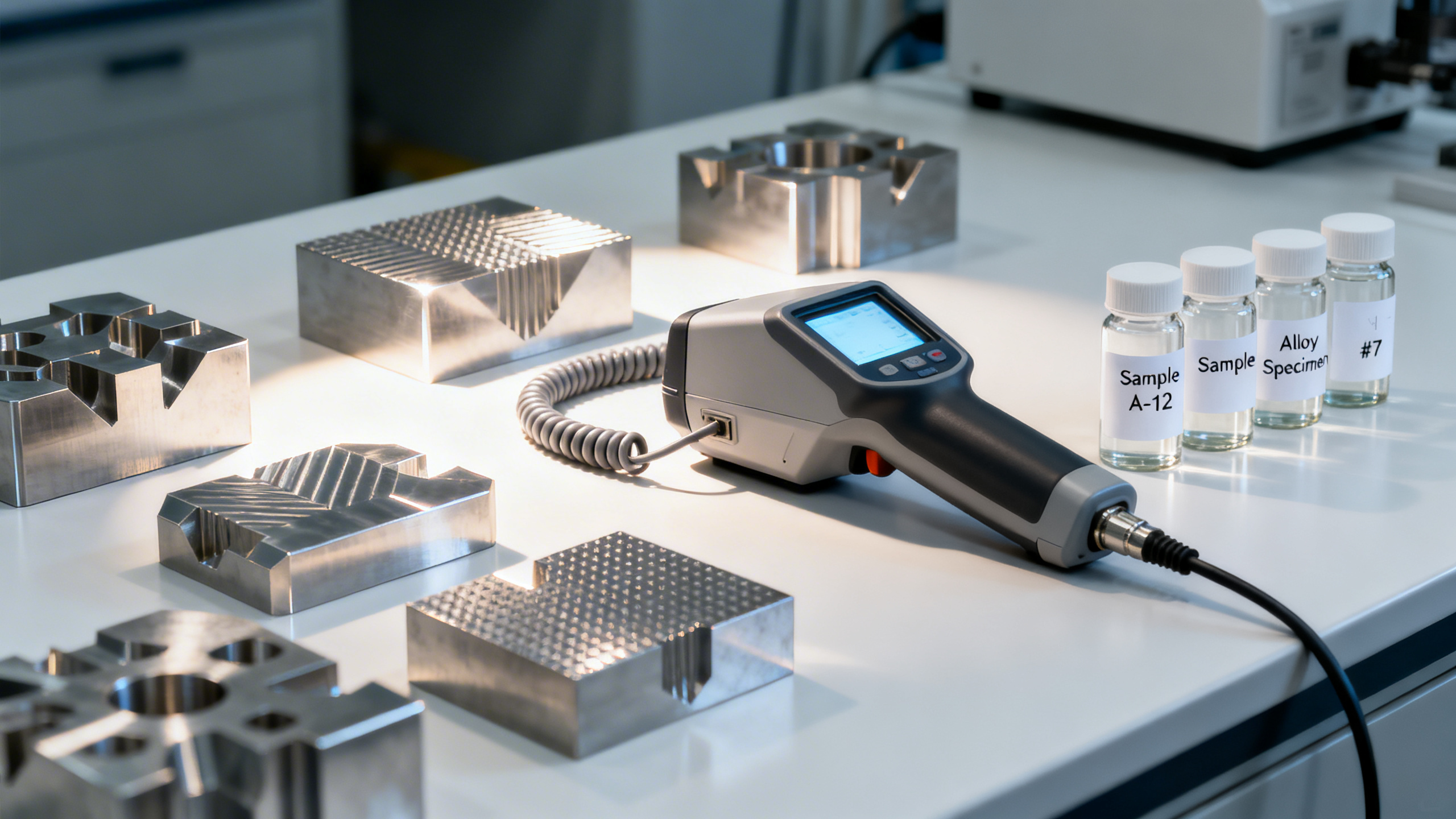
NIST's 2025 hemp reference material and AOAC's CASP program give cannabis and hemp labs a federal scientific baseline for total THC, CBD, and metals testing.
EPA's May 2025 PFAS drinking water revisions extend deadlines but keep 4 ppt limits, pressuring THC and CBD beverage producers to audit water and supply chains.
Oregon's Recycling Modernization Act 2025 EPR duties pull cannabis and hemp packaging into producer responsibility, adding registration, fees, reports.
South Dakota HB 1125 bans chemically modified hemp cannabinoids including delta-8 and delta-10, with 2025 seizures forcing retail inventory audits.
Health Canada's 2025 cannabis refresh allows peel-back labels and QR codes, cuts CAPA paperwork, and moves producers to annual adverse reaction reports.
New Mexico's Environment Department emergency rule effective September 1, 2025 bans synthetic and chemically converted hemp cannabinoids like delta-8.
Hawaii's Department of Health interim rules cap edible hemp at 1 mg THC per serving and 5 mg per package, with mandatory testing and child-resistant packaging.
Answer your real world compliance questions (limited time) and save thousands in legal fees and avoided fines.