


July 22, 2026


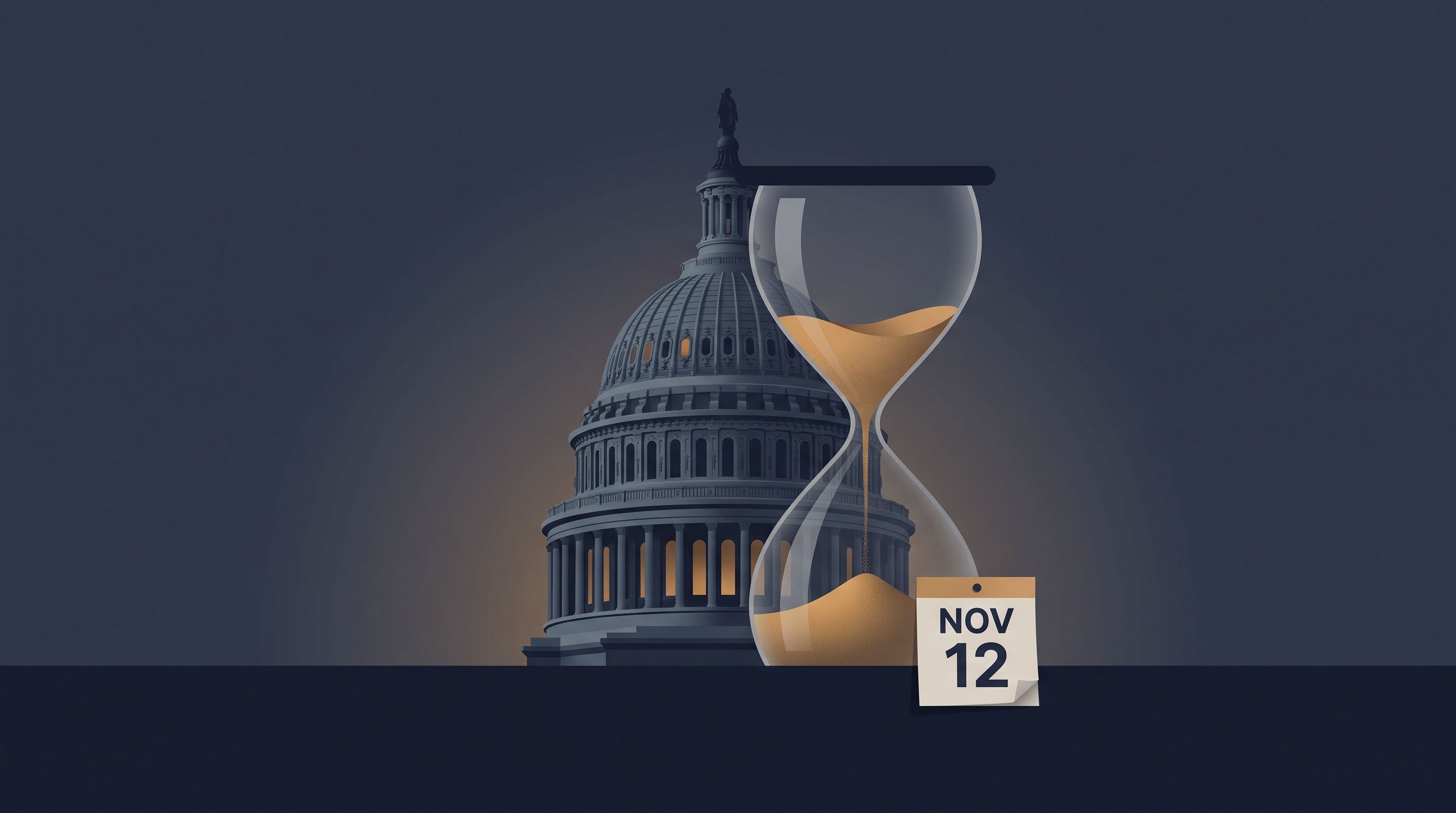
On November 12, 2026, the federal definition of hemp changes: a 0.4 mg total-THC-per-container cap that captures most intoxicating hemp products on the market today. Congress has four months to change course, and as of this week there are three live paths — a full legalization bill filed July 16, a bipartisan hemp fix taking shape in the Senate, and the perennial appropriations workaround. None is a safe bet. Here is where each stands.
The recriminalization was enacted in the December 2025 spending bill that ended the government shutdown, with a one-year transition. When it takes effect, legal hemp is redefined by total THC — capturing THCA — and finished products are capped at 0.4 mg total THC per container. Most delta-8 products, THCA flower, and hemp-derived THC beverages fail that test. Products above the line become Schedule I marijuana in federal terms, whatever state law says. The mechanics and the delay question are covered in our standing piece on the White House delay question.
Senators Booker, Schumer, and Wyden filed the Cannabis Administration and Opportunity Act on July 16 with 17 total sponsors. CAOA is the maximal vehicle: it would deschedule cannabis entirely, hand regulatory authority to FDA and TTB, and address the hemp problem by folding intoxicating hemp into a regulated cannabis framework rather than a criminal one — including a provision addressing the scheduled recriminalization directly.
The realistic odds are long. CAOA has been introduced in successive Congresses without a floor vote, its sponsor list is entirely Democratic, and this administration's posture is rescheduling, not descheduling. Treat it as the marker for what Senate Democrats want in any negotiation, not as the bill that passes.
The more interesting development is Republican. Sen. Tim Sheehy (R-MT) has said keeping hemp THC products legal "can unite lawmakers at a hyperpartisan time," and is working with Sen. Amy Klobuchar (D-MN) — with Rep. Andy Barr (R-KY) engaged on the House side — on legislation to replace the November recriminalization with a regulatory framework: age limits, testing, taxation. Bill text has not been released.
A Republican-led regulate-don't-ban bill changes the arithmetic, because the November cliff was built by Republican appropriators. If the party that wrote the ban produces the fix, the fix can move. What's known so far is direction, not detail — the operative questions (THC caps, product categories, state opt-outs) are all open until text drops.
The fallback is the same vehicle that created the problem: a rider in the fall appropriations cycle delaying the effective date, or administrative action slowing implementation. There is precedent for both in this space, and the White House has faced sustained pressure from hemp-state senators. But betting a product catalog on a rider that materializes in an October omnibus is not a compliance plan; it is a hope.
Two state deadlines land before November does. Virginia's August 15 cap — 2 mg total THC per package — is three weeks out. And North Carolina's HB 328, which would impose a 0.4 mg cap aligned with the federal standard on November 12, is scheduled for a House vote the week of July 27. Operators in those states hit their cliffs early, whatever Congress does.
The planning question is SKU-by-SKU: what survives a 0.4 mg total-THC container cap? Products under the cap — true non-intoxicating CBD, trace-THC formulations — clear every scenario and need no action. Products over the cap divide into three postures. If Congress passes a regulatory framework, expect testing, age-gating, and tax obligations, so the preparation is document readiness. If the deadline slips via rider, the market gets months, not years — same catalog triage, later. If nothing passes, above-cap inventory must be sold down, reformulated, or moved into licensed marijuana channels where they exist, and the wind-down math starts from shelf-life and sell-through today, not November 11. Talk to your counsel before making irreversible catalog decisions on any of the three.
What happens to hemp THC products on November 12, 2026?
Federal law redefines legal hemp with a 0.4 mg total-THC-per-container cap, effectively recriminalizing most intoxicating hemp products unless Congress acts first.
Would CAOA stop the hemp ban?
As filed July 16, CAOA addresses the scheduled recriminalization by moving cannabis — and above-limit hemp products — into a regulated federal framework. Its odds in this Congress are long.
Is there a bipartisan alternative?
Sen. Tim Sheehy (R-MT), working with Sen. Amy Klobuchar (D-MN) and Rep. Andy Barr (R-KY), says forthcoming bipartisan legislation can keep hemp THC products legal with regulation; text has not been released.
Which state deadlines hit before November?
Virginia's 2 mg per-package cap takes effect August 15, and North Carolina's HB 328 (0.4 mg cap November 12, if enacted) gets a House vote the week of July 27.
This article is for general information and is not legal advice. Consult qualified counsel about your specific situation.
On November 12, 2026, the federal definition of hemp changes: a 0.4 mg total-THC-per-container cap that captures most intoxicating hemp products on the market today. Congress has four months to change course, and as of this week there are three live paths — a full legalization bill filed July 16, a bipartisan hemp fix taking shape in the Senate, and the perennial appropriations workaround. None is a safe bet. Here is where each stands.
The recriminalization was enacted in the December 2025 spending bill that ended the government shutdown, with a one-year transition. When it takes effect, legal hemp is redefined by total THC — capturing THCA — and finished products are capped at 0.4 mg total THC per container. Most delta-8 products, THCA flower, and hemp-derived THC beverages fail that test. Products above the line become Schedule I marijuana in federal terms, whatever state law says. The mechanics and the delay question are covered in our standing piece on the White House delay question.
Senators Booker, Schumer, and Wyden filed the Cannabis Administration and Opportunity Act on July 16 with 17 total sponsors. CAOA is the maximal vehicle: it would deschedule cannabis entirely, hand regulatory authority to FDA and TTB, and address the hemp problem by folding intoxicating hemp into a regulated cannabis framework rather than a criminal one — including a provision addressing the scheduled recriminalization directly.
The realistic odds are long. CAOA has been introduced in successive Congresses without a floor vote, its sponsor list is entirely Democratic, and this administration's posture is rescheduling, not descheduling. Treat it as the marker for what Senate Democrats want in any negotiation, not as the bill that passes.
The more interesting development is Republican. Sen. Tim Sheehy (R-MT) has said keeping hemp THC products legal "can unite lawmakers at a hyperpartisan time," and is working with Sen. Amy Klobuchar (D-MN) — with Rep. Andy Barr (R-KY) engaged on the House side — on legislation to replace the November recriminalization with a regulatory framework: age limits, testing, taxation. Bill text has not been released.
A Republican-led regulate-don't-ban bill changes the arithmetic, because the November cliff was built by Republican appropriators. If the party that wrote the ban produces the fix, the fix can move. What's known so far is direction, not detail — the operative questions (THC caps, product categories, state opt-outs) are all open until text drops.
The fallback is the same vehicle that created the problem: a rider in the fall appropriations cycle delaying the effective date, or administrative action slowing implementation. There is precedent for both in this space, and the White House has faced sustained pressure from hemp-state senators. But betting a product catalog on a rider that materializes in an October omnibus is not a compliance plan; it is a hope.
Two state deadlines land before November does. Virginia's August 15 cap — 2 mg total THC per package — is three weeks out. And North Carolina's HB 328, which would impose a 0.4 mg cap aligned with the federal standard on November 12, is scheduled for a House vote the week of July 27. Operators in those states hit their cliffs early, whatever Congress does.
The planning question is SKU-by-SKU: what survives a 0.4 mg total-THC container cap? Products under the cap — true non-intoxicating CBD, trace-THC formulations — clear every scenario and need no action. Products over the cap divide into three postures. If Congress passes a regulatory framework, expect testing, age-gating, and tax obligations, so the preparation is document readiness. If the deadline slips via rider, the market gets months, not years — same catalog triage, later. If nothing passes, above-cap inventory must be sold down, reformulated, or moved into licensed marijuana channels where they exist, and the wind-down math starts from shelf-life and sell-through today, not November 11. Talk to your counsel before making irreversible catalog decisions on any of the three.
What happens to hemp THC products on November 12, 2026?
Federal law redefines legal hemp with a 0.4 mg total-THC-per-container cap, effectively recriminalizing most intoxicating hemp products unless Congress acts first.
Would CAOA stop the hemp ban?
As filed July 16, CAOA addresses the scheduled recriminalization by moving cannabis — and above-limit hemp products — into a regulated federal framework. Its odds in this Congress are long.
Is there a bipartisan alternative?
Sen. Tim Sheehy (R-MT), working with Sen. Amy Klobuchar (D-MN) and Rep. Andy Barr (R-KY), says forthcoming bipartisan legislation can keep hemp THC products legal with regulation; text has not been released.
Which state deadlines hit before November?
Virginia's 2 mg per-package cap takes effect August 15, and North Carolina's HB 328 (0.4 mg cap November 12, if enacted) gets a House vote the week of July 27.
This article is for general information and is not legal advice. Consult qualified counsel about your specific situation.
