
June 30, 2026


This is a sponsored guest post.
Two letters can change everything in the cannabinoid world. HHC and HHC-A sound nearly identical, share part of their name, and even share part of their chemical lineage. Yet legally, the gap between them is real and growing, because regulators are reacting to one compound that has existed in the market longer and one that has barely registered on their radar yet.
If you have seen both compounds in product listings and assumed they are basically the same thing with a different label, this is where that assumption breaks down.
HHC, or hexahydrocannabinol, is produced by hydrogenating THC, a process that adds hydrogen atoms to the THC molecule and saturates its double bonds. This is the same basic chemistry used industrially to turn vegetable oil into margarine, applied instead to a cannabinoid. The result is a compound that is structurally stable and more resistant to oxidation than Delta-9 THC.
HHC-A is a distinct molecule, not simply a renamed or repackaged version of HHC. The structural modification that produces HHC-A changes how the compound binds to the body's CB1 receptors, and early user reports consistently describe a different intensity curve: some describe it as stronger and slower to onset, others note a more body-focused effect compared to HHC's more even, balanced profile.
This distinction matters for three concrete reasons:
Cannabis and hemp legislation in the US was written around specific named substances, not a chemical category. This creates a structural lag: when a new compound appears that legislators did not anticipate, it exists in a regulatory vacuum until lawmakers specifically address it.
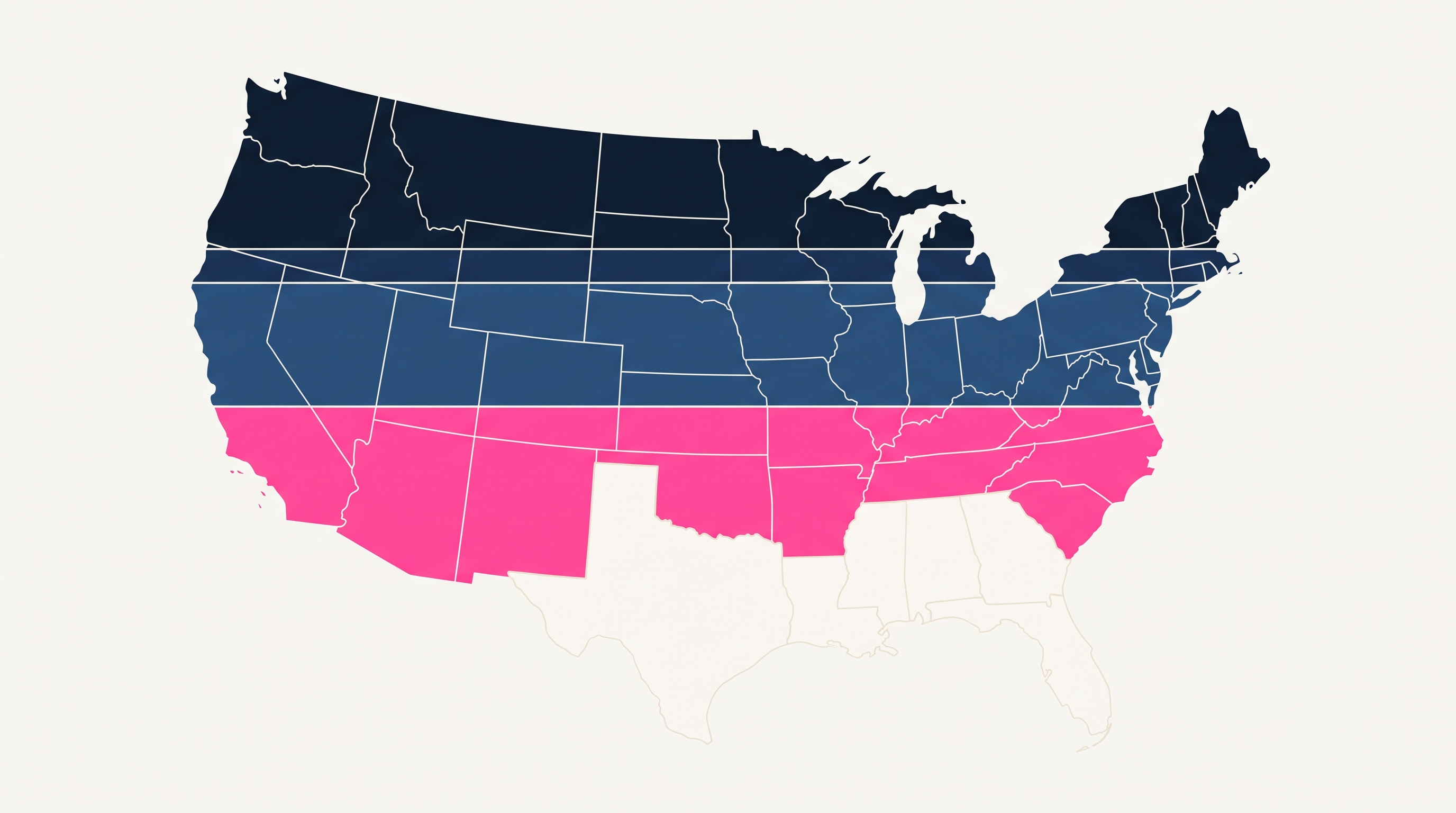
HHC has been commercially available long enough that a meaningful number of states have already taken a position on it, usually by explicitly adding it to a controlled substance schedule or by extending existing THC analogue laws to cover it. According to the Congressional Research Service's report on hemp-derived cannabinoid regulation, the legal status of hemp-derived cannabinoids in the United States remains contested at the federal level, with the 2018 Farm Bill's hemp definition creating ambiguity that individual states have resolved in starkly different ways.
HHC-A's shorter time in the consumer market means fewer states have explicitly evaluated it. This produces a specific and important asymmetry:
That difference, undefined versus actively prohibited, sounds like it favors HHC-A. It does not necessarily. An undefined legal status is not a safe harbor. It is a gap that closes the moment a state legislature notices the compound, and that can happen retroactively in terms of enforcement priorities even before a specific law is passed.
A few practical habits protect buyers from unknowingly purchasing something restricted in their state.
For consumers trying to understand the distinction between these two compounds in more depth, a detailed breakdown of What is HHC-A? covers the compound's effects, current legal status, and how it compares directly to standard HHC.
The practical consequence of this gap is that the same purchase can carry very different legal weight depending on where you live and which compound you bought.
This is the central point worth understanding: "not yet illegal" and "confirmed legal" are not the same status, even though they look identical from a shelf. Treating them as equivalent is the mistake that catches consumers out.
HHC and HHC-A differ chemically in ways that affect potency, onset, and how each interacts with the body, and those chemical differences are exactly why lawmakers have not treated them identically. HHC's longer market history means more states have made an explicit decision about it, for better or worse. HHC-A's relative novelty means its legal status is, in most places, genuinely undefined rather than approved.
For anyone buying either compound, checking your specific state's current statutes by name, rather than assuming either one carries a blanket legal status, is the only reliable way to know where you actually stand.
This is a sponsored guest post.
Two letters can change everything in the cannabinoid world. HHC and HHC-A sound nearly identical, share part of their name, and even share part of their chemical lineage. Yet legally, the gap between them is real and growing, because regulators are reacting to one compound that has existed in the market longer and one that has barely registered on their radar yet.
If you have seen both compounds in product listings and assumed they are basically the same thing with a different label, this is where that assumption breaks down.
HHC, or hexahydrocannabinol, is produced by hydrogenating THC, a process that adds hydrogen atoms to the THC molecule and saturates its double bonds. This is the same basic chemistry used industrially to turn vegetable oil into margarine, applied instead to a cannabinoid. The result is a compound that is structurally stable and more resistant to oxidation than Delta-9 THC.
HHC-A is a distinct molecule, not simply a renamed or repackaged version of HHC. The structural modification that produces HHC-A changes how the compound binds to the body's CB1 receptors, and early user reports consistently describe a different intensity curve: some describe it as stronger and slower to onset, others note a more body-focused effect compared to HHC's more even, balanced profile.
This distinction matters for three concrete reasons:
Cannabis and hemp legislation in the US was written around specific named substances, not a chemical category. This creates a structural lag: when a new compound appears that legislators did not anticipate, it exists in a regulatory vacuum until lawmakers specifically address it.
HHC has been commercially available long enough that a meaningful number of states have already taken a position on it, usually by explicitly adding it to a controlled substance schedule or by extending existing THC analogue laws to cover it. According to the Congressional Research Service's report on hemp-derived cannabinoid regulation, the legal status of hemp-derived cannabinoids in the United States remains contested at the federal level, with the 2018 Farm Bill's hemp definition creating ambiguity that individual states have resolved in starkly different ways.
HHC-A's shorter time in the consumer market means fewer states have explicitly evaluated it. This produces a specific and important asymmetry:
That difference, undefined versus actively prohibited, sounds like it favors HHC-A. It does not necessarily. An undefined legal status is not a safe harbor. It is a gap that closes the moment a state legislature notices the compound, and that can happen retroactively in terms of enforcement priorities even before a specific law is passed.
A few practical habits protect buyers from unknowingly purchasing something restricted in their state.
For consumers trying to understand the distinction between these two compounds in more depth, a detailed breakdown of What is HHC-A? covers the compound's effects, current legal status, and how it compares directly to standard HHC.
The practical consequence of this gap is that the same purchase can carry very different legal weight depending on where you live and which compound you bought.
This is the central point worth understanding: "not yet illegal" and "confirmed legal" are not the same status, even though they look identical from a shelf. Treating them as equivalent is the mistake that catches consumers out.
HHC and HHC-A differ chemically in ways that affect potency, onset, and how each interacts with the body, and those chemical differences are exactly why lawmakers have not treated them identically. HHC's longer market history means more states have made an explicit decision about it, for better or worse. HHC-A's relative novelty means its legal status is, in most places, genuinely undefined rather than approved.
For anyone buying either compound, checking your specific state's current statutes by name, rather than assuming either one carries a blanket legal status, is the only reliable way to know where you actually stand.
