August 13, 2026


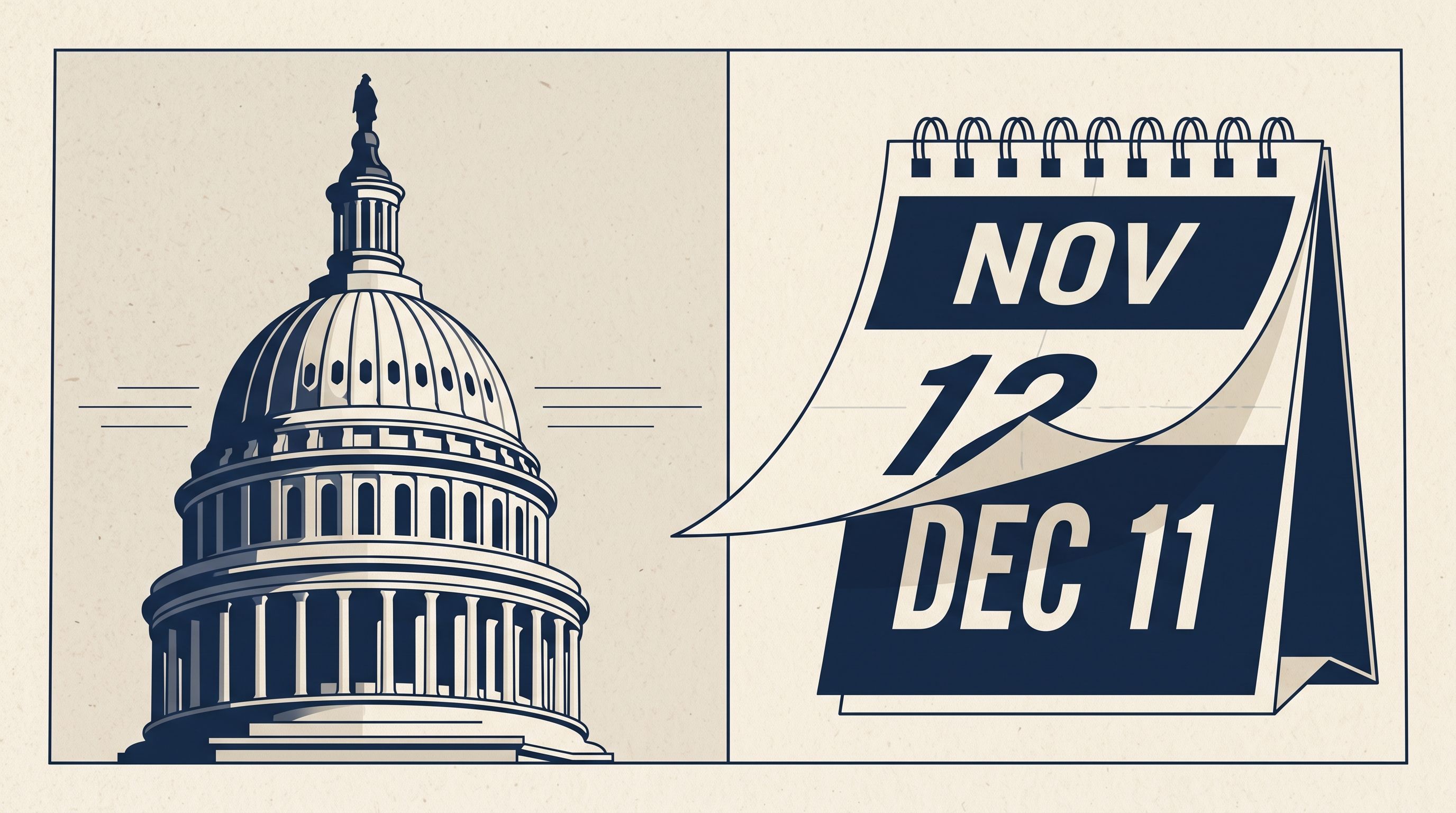
Update, September 9, 2026: The delay is law. The President signed H.R. 6500 on Wednesday, September 2, 2026 — the day it was presented — and it is now Public Law 119-103. Section 2019 is in force. For most of Section 781, the operative federal date is December 11, 2026; for products containing cannabinoids "not capable of being naturally produced by a Cannabis sativa L. plant," it remains November 12, 2026. The state and private deadlines that never depended on Congress did not move; they are mapped in our state-by-state guide to the hemp deadlines that did not move. The analysis below has been revised to the signed law.
The path to the signature ran through two lopsided votes. The Senate passed the Continuing Appropriations and Extensions Act, 2027 on August 8, 2026 by 90–6, after tabling Sen. Ted Budd's amendment to strip the hemp delay 61–32. The House agreed to the Senate amendments on September 1 by 370–48 (Roll no. 286). The bill funds the government through December 11 and, in a sixty-word section, moves most of the federal hemp redefinition to the same day.
For operators, the practical takeaway is narrower than the headline: one federal clock moved, one did not, and neither is the clock that hits first for most SKUs.
The November 12 date comes from the funding measure signed in late 2025, P.L. 119-37, whose Section 781 redefined hemp so that only finished hemp-derived cannabinoid products containing no more than 0.4 milligrams of total THC per container remain federally legal. Total THC counts THCA, delta-8, delta-10 and other isomers — not just delta-9 — which is what makes the threshold so much tighter than the 0.3 percent dry-weight standard operators have worked under since the 2018 Farm Bill. Section 781 and the original November 12 cliff is the background; the 0.4 mg per-container cap is the math.
Section 2019 of P.L. 119-103 provides that until December 11, 2026, the Section 781 amendments "shall only apply with respect to products described in paragraphs (1)(C)(ii)(I) and (1)(C)(iv)(I) of section 297A" — products containing cannabinoids "not capable of being naturally produced by a Cannabis sativa L. plant." Those keep the November 12 date. Everything else in Section 781 — the total-THC redefinition, the 0.4 mg cap, and the exclusion for cannabinoids the plant can produce but that were "synthesized or manufactured outside the plant" — now takes effect December 11.
So there are two dates, and which one applies to a given SKU depends on how a regulator characterizes the cannabinoid in it, not on the product category. THC-O acetate is the clear November 12 case. CBD-converted delta-8 is generally argued to sit in the synthesized-outside-the-plant paragraph, which moved to December 11. The statute does not classify compounds by name; plan to November 12 for anything you cannot show the plant produces. If you are unsure which side of that line a cannabinoid sits on, our comparisons of HHC vs THC and THCA vs THC walk through how each is classified, and DEA's natural-versus-manufactured line on 7-OH shows the same distinction being drawn by a federal agency in a different statute.
December 11 is also the day the continuing resolution's funding runs out. The hemp date therefore rides on the next funding vehicle, and Congress could move it again the same way it moved it this time. Marijuana Moment reports that White House legislative affairs director James Braid told Senate Republicans during a tense meeting that there would be no further extensions if this delay was enacted — a reported political commitment, not a statutory one, and the clearest signal available about what happens after December 11.
The delay was the White House's ask: the administration's July push for a delay preceded the Senate vote, and lawmakers in both parties have now turned to regulate-instead-of-ban bills — the bipartisan fix bills and Rep. Andy Barr's Lawful Hemp Protection Act among them. None has gained traction with congressional leaders. Those are the vehicles to watch for a durable answer.
The twenty-nine days matter less than the planning discipline they buy. Concrete steps:
Talk to your counsel before acting on any of this. Nothing here is legal advice.
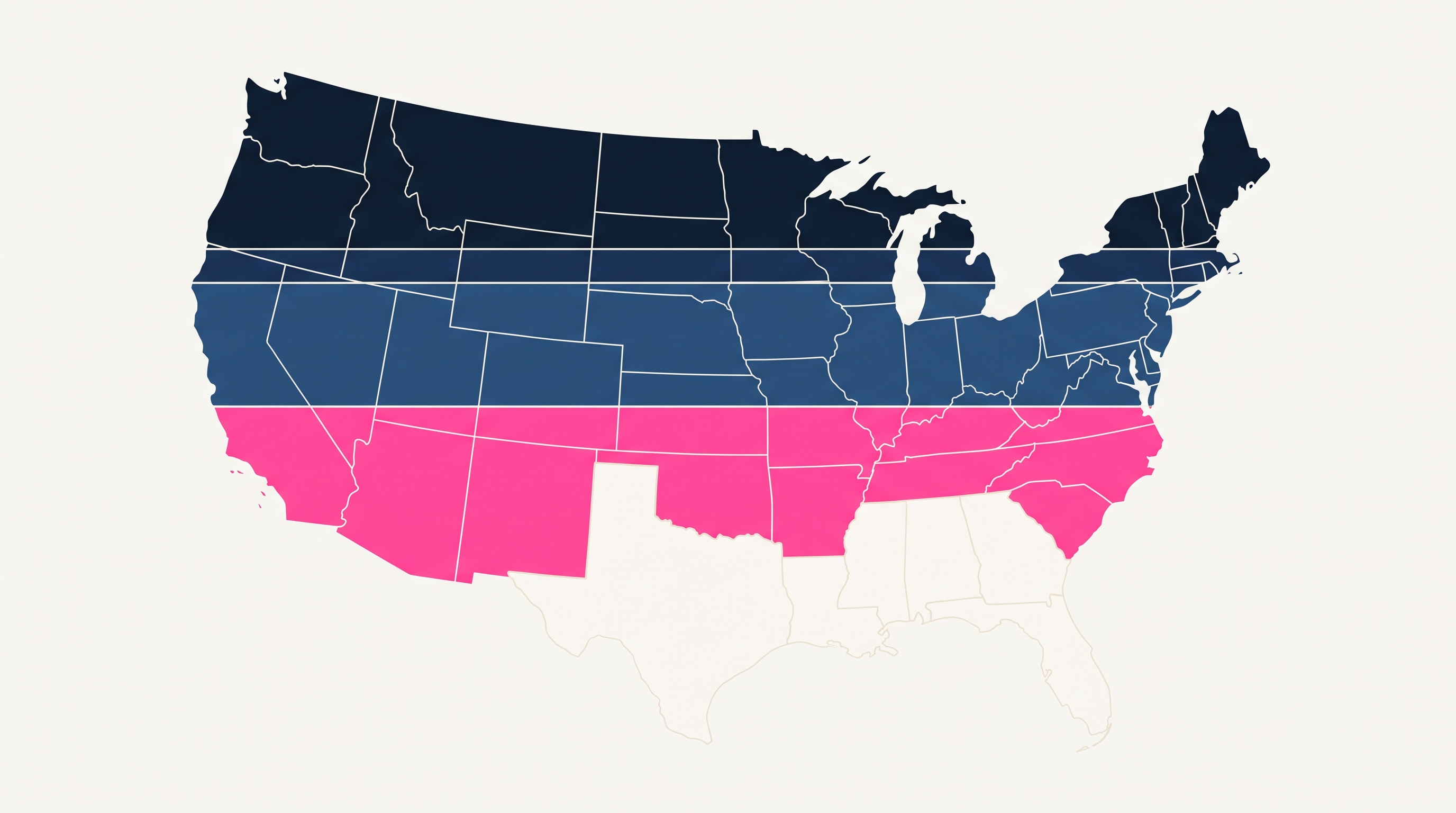
Federal timing does not suspend state law, and several states are already stricter than the coming federal floor. Texas ran this drill in July, when DSHS reinstated controlled-substance status for delta-8 and other non-delta-9 THC after the Supreme Court of Texas upheld the agency's authority. Virginia's 2 mg per-package cap has been in force since August 15, behind a dedicated state enforcement unit. Missouri fixed November 12 by statute and is defending it in federal court. Minnesota, by contrast, permits up to 5 mg per serving and 50 mg per package under a regulated framework.
Litigation is fragmenting the picture further. Ohio's hemp beverage ban was enjoined for exactly ten companies, producing a split market inside a single state, while Delaware has been writing a taxed-drinks playbook in the opposite direction.
The consequence is that a national operator will have several compliance floors running at once, and the federal date is only the one that applies everywhere. Our state-by-state THCA legality guide tracks the divergence, and the carrier and shipping rules for hemp THC cover the private-actor layer sitting on top of it.
Was the hemp ban delay signed into law? Yes. H.R. 6500 was signed September 2, 2026 and is Public Law 119-103. The Senate passed it 90–6 on August 8 and the House 370–48 on September 1.
What is the new federal hemp deadline? December 11, 2026 for most of Section 781, including the total-THC redefinition and the 0.4 mg per-container cap; November 12, 2026 for products containing cannabinoids not capable of being naturally produced by the plant.
What is the 0.4 mg total THC limit? The 2025 law redefines legal hemp products as those with no more than 0.4 milligrams of total THC per container, counting THCA, delta-8 and other THC isomers — not just delta-9. Under P.L. 119-103 that cap applies federally from December 11, 2026.
Could Congress extend the hemp date again? Only by passing another law. December 11 is also the next government-funding deadline; the White House has reportedly told Senate Republicans there will be no further extensions.
Does the delay apply to delta-8? It depends on which statutory paragraph the compound falls under. Plant-producible cannabinoids synthesized outside the plant move to December 11; cannabinoids the plant cannot produce stay on November 12. Classification is a factual question — talk to your counsel.
This is regulatory journalism, not legal advice — talk to your counsel.
Update, September 9, 2026: The delay is law. The President signed H.R. 6500 on Wednesday, September 2, 2026 — the day it was presented — and it is now Public Law 119-103. Section 2019 is in force. For most of Section 781, the operative federal date is December 11, 2026; for products containing cannabinoids "not capable of being naturally produced by a Cannabis sativa L. plant," it remains November 12, 2026. The state and private deadlines that never depended on Congress did not move; they are mapped in our state-by-state guide to the hemp deadlines that did not move. The analysis below has been revised to the signed law.
The path to the signature ran through two lopsided votes. The Senate passed the Continuing Appropriations and Extensions Act, 2027 on August 8, 2026 by 90–6, after tabling Sen. Ted Budd's amendment to strip the hemp delay 61–32. The House agreed to the Senate amendments on September 1 by 370–48 (Roll no. 286). The bill funds the government through December 11 and, in a sixty-word section, moves most of the federal hemp redefinition to the same day.
For operators, the practical takeaway is narrower than the headline: one federal clock moved, one did not, and neither is the clock that hits first for most SKUs.
The November 12 date comes from the funding measure signed in late 2025, P.L. 119-37, whose Section 781 redefined hemp so that only finished hemp-derived cannabinoid products containing no more than 0.4 milligrams of total THC per container remain federally legal. Total THC counts THCA, delta-8, delta-10 and other isomers — not just delta-9 — which is what makes the threshold so much tighter than the 0.3 percent dry-weight standard operators have worked under since the 2018 Farm Bill. Section 781 and the original November 12 cliff is the background; the 0.4 mg per-container cap is the math.
Section 2019 of P.L. 119-103 provides that until December 11, 2026, the Section 781 amendments "shall only apply with respect to products described in paragraphs (1)(C)(ii)(I) and (1)(C)(iv)(I) of section 297A" — products containing cannabinoids "not capable of being naturally produced by a Cannabis sativa L. plant." Those keep the November 12 date. Everything else in Section 781 — the total-THC redefinition, the 0.4 mg cap, and the exclusion for cannabinoids the plant can produce but that were "synthesized or manufactured outside the plant" — now takes effect December 11.
So there are two dates, and which one applies to a given SKU depends on how a regulator characterizes the cannabinoid in it, not on the product category. THC-O acetate is the clear November 12 case. CBD-converted delta-8 is generally argued to sit in the synthesized-outside-the-plant paragraph, which moved to December 11. The statute does not classify compounds by name; plan to November 12 for anything you cannot show the plant produces. If you are unsure which side of that line a cannabinoid sits on, our comparisons of HHC vs THC and THCA vs THC walk through how each is classified, and DEA's natural-versus-manufactured line on 7-OH shows the same distinction being drawn by a federal agency in a different statute.
December 11 is also the day the continuing resolution's funding runs out. The hemp date therefore rides on the next funding vehicle, and Congress could move it again the same way it moved it this time. Marijuana Moment reports that White House legislative affairs director James Braid told Senate Republicans during a tense meeting that there would be no further extensions if this delay was enacted — a reported political commitment, not a statutory one, and the clearest signal available about what happens after December 11.
The delay was the White House's ask: the administration's July push for a delay preceded the Senate vote, and lawmakers in both parties have now turned to regulate-instead-of-ban bills — the bipartisan fix bills and Rep. Andy Barr's Lawful Hemp Protection Act among them. None has gained traction with congressional leaders. Those are the vehicles to watch for a durable answer.
The twenty-nine days matter less than the planning discipline they buy. Concrete steps:
Talk to your counsel before acting on any of this. Nothing here is legal advice.
Federal timing does not suspend state law, and several states are already stricter than the coming federal floor. Texas ran this drill in July, when DSHS reinstated controlled-substance status for delta-8 and other non-delta-9 THC after the Supreme Court of Texas upheld the agency's authority. Virginia's 2 mg per-package cap has been in force since August 15, behind a dedicated state enforcement unit. Missouri fixed November 12 by statute and is defending it in federal court. Minnesota, by contrast, permits up to 5 mg per serving and 50 mg per package under a regulated framework.
Litigation is fragmenting the picture further. Ohio's hemp beverage ban was enjoined for exactly ten companies, producing a split market inside a single state, while Delaware has been writing a taxed-drinks playbook in the opposite direction.
The consequence is that a national operator will have several compliance floors running at once, and the federal date is only the one that applies everywhere. Our state-by-state THCA legality guide tracks the divergence, and the carrier and shipping rules for hemp THC cover the private-actor layer sitting on top of it.
Was the hemp ban delay signed into law? Yes. H.R. 6500 was signed September 2, 2026 and is Public Law 119-103. The Senate passed it 90–6 on August 8 and the House 370–48 on September 1.
What is the new federal hemp deadline? December 11, 2026 for most of Section 781, including the total-THC redefinition and the 0.4 mg per-container cap; November 12, 2026 for products containing cannabinoids not capable of being naturally produced by the plant.
What is the 0.4 mg total THC limit? The 2025 law redefines legal hemp products as those with no more than 0.4 milligrams of total THC per container, counting THCA, delta-8 and other THC isomers — not just delta-9. Under P.L. 119-103 that cap applies federally from December 11, 2026.
Could Congress extend the hemp date again? Only by passing another law. December 11 is also the next government-funding deadline; the White House has reportedly told Senate Republicans there will be no further extensions.
Does the delay apply to delta-8? It depends on which statutory paragraph the compound falls under. Plant-producible cannabinoids synthesized outside the plant move to December 11; cannabinoids the plant cannot produce stay on November 12. Classification is a factual question — talk to your counsel.
This is regulatory journalism, not legal advice — talk to your counsel.
