
News

Texas Delta-8 and THCA Ban: 10 Things to Know About the July 31 Recriminalization

The Texas Supreme Court cleared DSHS to enforce its 2021 schedule — and on July 31, most hemp THC products became Schedule I. Here are the ten facts that matter.
Compliance Carl
8
 Min Read
Published
August 3, 2026
Updated on:
August 3, 2026
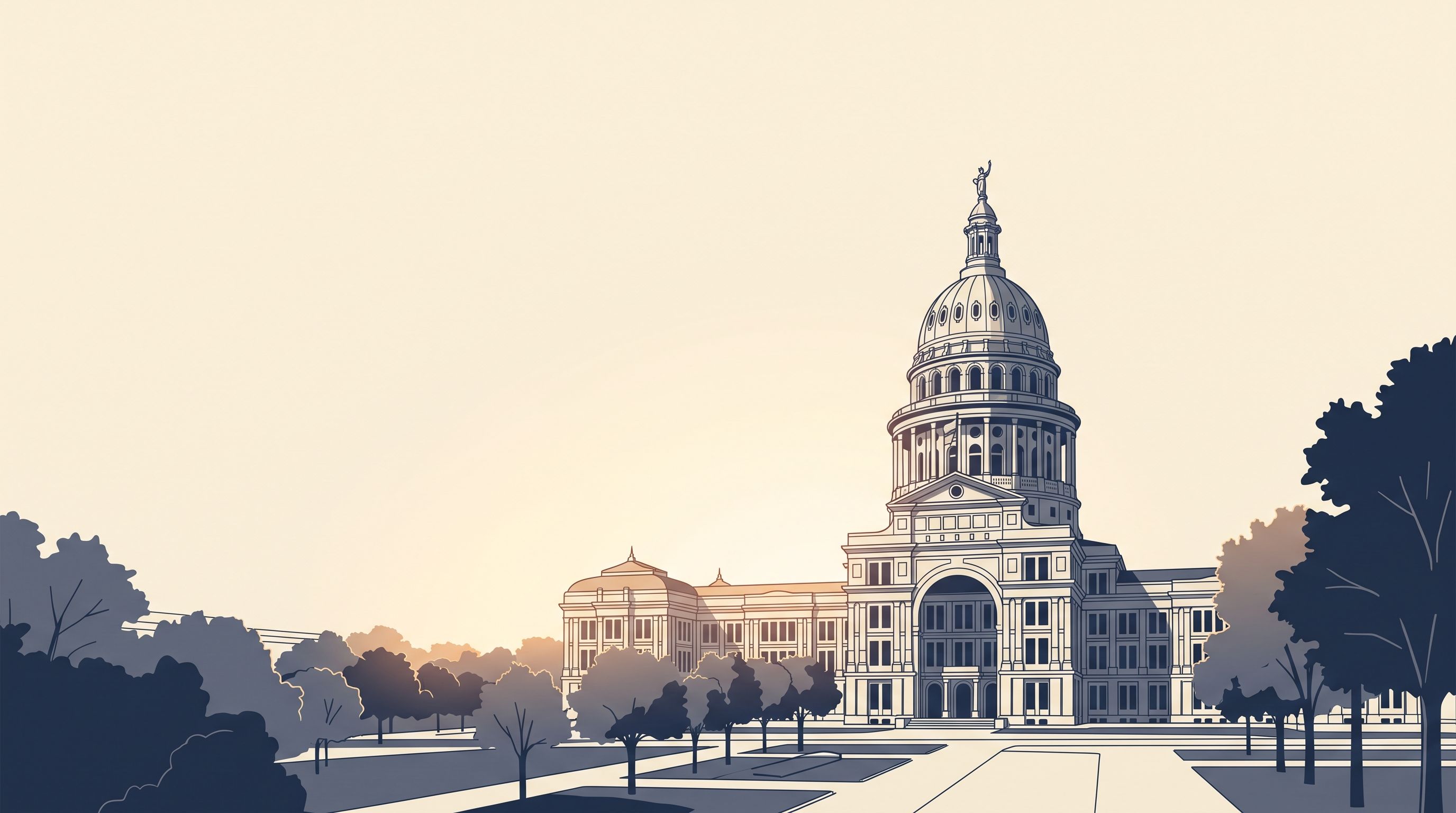
Texas capitol and hemp products leaving retail shelves after the July 31 recriminalization
Regulatory Topics
Regulation & Compliance Locations Covered in Post:
Cannabinoids & Compounds Covered in Post:
Relevant Readers:
explore all cannabis and hemp regulations

On July 31, 2026, the largest hemp retail market in the United States shrank overnight. The Texas Department of State Health Services (DSHS) began enforcing its 2021 controlled-substance schedule, reclassifying delta-8 THC, delta-10 THC, THCP, and THCA flower as Schedule I substances under Texas law. Only hemp-derived delta-9 THC at or below 0.3% on a dry-weight basis remains legal to sell and possess. For roughly 14,000 licensed consumable hemp retailers — and the customers who shopped there on Thursday and became potential felons on Friday — the ground rules changed completely.

This guide walks through what changed, what survives, the penalty structure, and the compliance moves Texas operators should make now. It is general information, not legal advice — talk to your counsel before making inventory or licensing decisions.

What changed on July 31, 2026

The change is not a new statute. It is a five-year-old DSHS rule that finally took effect. In 2021, DSHS classified synthetically derived THC isomers as Schedule I controlled substances. Austin retailer Hometown Hero and other hemp businesses sued, and a temporary injunction blocked enforcement — allowing the delta-8 market to grow across Texas for five years. In May 2026, the Texas Supreme Court reversed that injunction, clearing DSHS to enforce the 2021 schedule. DSHS reinstated the definitions with an effective date of July 31, 2026.

10 things to know about the Texas THC recriminalization

  1. Delta-8, delta-10, THCP, and THCA flower are now Schedule I in Texas. The DSHS classification treats these hemp-derived cannabinoids the same as marijuana under the state controlled-substance schedule, regardless of their federal status under the 2018 Farm Bill.
  2. Hemp delta-9 is the only THC left standing. Products containing no more than 0.3% delta-9 THC by dry weight — gummies, beverages, tinctures — remain legal, because the federal and Texas hemp definitions test only for delta-9.
  3. Possession is a state jail felony. Cannabis law experts put the exposure at 180 days to two years in a state jail facility and fines up to $10,000 for possession of newly banned products.
  4. Sellers face triple exposure. Businesses caught selling banned cannabinoids risk losing their consumable hemp license, fines of up to $10,000 per violation, and criminal charges for manufacturing or distributing a Schedule I substance.
  5. About 14,000 licensed retailers are affected. That is the number of stores registered under the DSHS Consumable Hemp Program — the largest state hemp retail footprint in the country.
  6. 60% to 90% of THC products are expected to leave shelves. Industry estimates reported by the Texas Tribune put the SKU impact at more than half of a typical store's THC inventory, and far higher for shops built around delta-8 and THCA.
  7. This was a court decision, not a legislative vote. No new ban passed in 2026. The Texas Supreme Court simply ended the injunction that had paused a 2021 administrative rule — a reminder that dormant rules can reactivate without warning.
  8. Delta-9 smokeable hemp survives, for now. A separate statewide ban on smokeable hemp sales was set for March 31 but remains paused by a different court ruling, so compliant delta-9 flower and pre-rolls are still sold — under a cloud of their own litigation.
  9. Legal challenges are coming. Hometown Hero says it will not challenge the Supreme Court decision, but two other businesses are reportedly preparing lawsuits. No filing was on a docket as of early August; details are still emerging.
  10. The November 12 federal deadline stacks on top. Even the delta-9 products that survived July 31 face the federal hemp redefinition taking effect November 12, 2026, which caps finished products at 0.4 mg total THC per container unless Congress intervenes.

What is still legal in Texas after July 31

  • Hemp-derived delta-9 THC edibles, gummies, and tinctures at ≤0.3% delta-9 by dry weight
  • Hemp-derived delta-9 THC beverages within the same limit
  • Delta-9 smokeable hemp (flower, pre-rolls) — legal only while the separate smokeable-hemp ban remains paused in court
  • Non-intoxicating cannabinoids such as CBD and CBG
  • Low-THC medical cannabis through the state's Compassionate Use Program

THC vape pens were already banned in a prior legislative session and remain illegal. For the current status of every cannabinoid in every state, see our state cannabis and hemp laws database.

How Texas got here: the five-year legal fight

  • 2019: Texas legalizes hemp under its state Farm Bill implementation, excluding hemp from the marijuana definition.
  • 2021: DSHS classifies delta-8 and other synthetic THC isomers as Schedule I; Hometown Hero sues and wins a temporary injunction.
  • 2021–2026: The injunction holds; delta-8, delta-10, THCA and THCP products expand across thousands of Texas stores.
  • May 2026: The Texas Supreme Court reverses the injunction in No. 23-0887, restoring DSHS's authority.
  • July 31, 2026: The 2021 schedule takes effect; DSHS confirms the definitions of tetrahydrocannabinols and marijuana extract are live.

The compliance checklist for Texas hemp retailers

  1. Run a full SKU audit by cannabinoid. Anything containing delta-8, delta-10, THCP, or THCA — including "THCA flower" marketed as hemp — must come off the sales floor.
  2. Re-verify COAs on everything you keep. Delta-9 products must show ≤0.3% delta-9 by dry weight on a current certificate of analysis; total-THC math will also matter after November 12.
  3. Document your inventory disposition. Record what was pulled, when, and where it went. Destruction or lawful transfer records are your best evidence of good faith in an inspection.
  4. Retrain staff on what they can say and sell. A clerk handing a customer a delta-8 cart is now potentially participating in distribution of a Schedule I substance.
  5. Watch the litigation, but do not plan around it. The reported challenges may produce plaintiff-specific relief at best, as Ohio's hemp litigation did. July 31 is the operative reality.
  6. Plan for November 12 at the same time. If Congress does not act, the federal total-THC standard will reach the delta-9 products that survived this ban. Our guide to the November hemp deadline maps every path Congress could take.

How this interacts with the November 12 federal ban

Texas just ran, at state scale, the drill the entire country faces in November. The federal appropriations law signed late last year redefines hemp to a total-THC standard — counting THCA and delta-8 — and caps finished products at 0.4 mg total THC per container effective November 12, 2026. Two rescue bills are circulating in the House: the Barr–Craig Lawful Hemp Protection Act and a new draft from Rep. James Comer. Neither has a committee date. Operators in every state should study the Texas cutover: SKU triage by cannabinoid, COA re-verification, and a compliant-product fallback plan are the same moves the federal deadline will demand nationally.

Frequently asked questions

Is delta-8 legal in Texas now?

No. As of July 31, 2026, delta-8 THC is a Schedule I controlled substance in Texas after the DSHS 2021 classification took effect following the Texas Supreme Court's May 2026 ruling.

What THC products are still legal in Texas?

Hemp-derived delta-9 products at or below 0.3% delta-9 THC by dry weight — edibles, beverages, and tinctures. Delta-9 smokeable hemp also remains available while a separate ban stays paused in court.

What is the penalty for possessing delta-8 in Texas?

Possession of newly banned THC variants is a state jail felony carrying 180 days to two years of confinement and fines up to $10,000, according to cannabis law experts.

Is THCA flower legal in Texas?

No. THCA flower is among the products classified as Schedule I under the DSHS rule that took effect July 31, 2026. See our Texas THCA legality guide for the full history.

Will the Texas ban be challenged in court?

Two businesses are reportedly preparing lawsuits, but no filing was on a docket as of early August 2026. Details are still emerging — talk to your counsel before making inventory decisions based on a possible court save.

Sources

Rules like this move weekly. The Regulator Brief tracks every federal, state, and international cannabis rule change in a four-minute Monday email — subscribe free here.

Compliance Carl
Senior Compliance Editor
Compliance Carl is the senior editor desk at CannabisRegulations.ai. Carl writes about federal scheduling, state enforcement, carrier policy, and the operational compliance questions cannabis and hemp businesses actually face.

Locations Cannabis / Hemp Legal FAQ's:

Featured Compliance Insights

August 3, 2026

Texas Delta-8 and THCA Ban: 10 Things to Know About the July 31 Recriminalization

Texas Delta-8 and THCA Ban: 10 Things to Know About the July 31 Recriminalization

On July 31, 2026, the largest hemp retail market in the United States shrank overnight. The Texas Department of State Health Services (DSHS) began enforcing its 2021 controlled-substance schedule, reclassifying delta-8 THC, delta-10 THC, THCP, and THCA flower as Schedule I substances under Texas law. Only hemp-derived delta-9 THC at or below 0.3% on a dry-weight basis remains legal to sell and possess. For roughly 14,000 licensed consumable hemp retailers — and the customers who shopped there on Thursday and became potential felons on Friday — the ground rules changed completely.

This guide walks through what changed, what survives, the penalty structure, and the compliance moves Texas operators should make now. It is general information, not legal advice — talk to your counsel before making inventory or licensing decisions.

What changed on July 31, 2026

The change is not a new statute. It is a five-year-old DSHS rule that finally took effect. In 2021, DSHS classified synthetically derived THC isomers as Schedule I controlled substances. Austin retailer Hometown Hero and other hemp businesses sued, and a temporary injunction blocked enforcement — allowing the delta-8 market to grow across Texas for five years. In May 2026, the Texas Supreme Court reversed that injunction, clearing DSHS to enforce the 2021 schedule. DSHS reinstated the definitions with an effective date of July 31, 2026.

10 things to know about the Texas THC recriminalization

  1. Delta-8, delta-10, THCP, and THCA flower are now Schedule I in Texas. The DSHS classification treats these hemp-derived cannabinoids the same as marijuana under the state controlled-substance schedule, regardless of their federal status under the 2018 Farm Bill.
  2. Hemp delta-9 is the only THC left standing. Products containing no more than 0.3% delta-9 THC by dry weight — gummies, beverages, tinctures — remain legal, because the federal and Texas hemp definitions test only for delta-9.
  3. Possession is a state jail felony. Cannabis law experts put the exposure at 180 days to two years in a state jail facility and fines up to $10,000 for possession of newly banned products.
  4. Sellers face triple exposure. Businesses caught selling banned cannabinoids risk losing their consumable hemp license, fines of up to $10,000 per violation, and criminal charges for manufacturing or distributing a Schedule I substance.
  5. About 14,000 licensed retailers are affected. That is the number of stores registered under the DSHS Consumable Hemp Program — the largest state hemp retail footprint in the country.
  6. 60% to 90% of THC products are expected to leave shelves. Industry estimates reported by the Texas Tribune put the SKU impact at more than half of a typical store's THC inventory, and far higher for shops built around delta-8 and THCA.
  7. This was a court decision, not a legislative vote. No new ban passed in 2026. The Texas Supreme Court simply ended the injunction that had paused a 2021 administrative rule — a reminder that dormant rules can reactivate without warning.
  8. Delta-9 smokeable hemp survives, for now. A separate statewide ban on smokeable hemp sales was set for March 31 but remains paused by a different court ruling, so compliant delta-9 flower and pre-rolls are still sold — under a cloud of their own litigation.
  9. Legal challenges are coming. Hometown Hero says it will not challenge the Supreme Court decision, but two other businesses are reportedly preparing lawsuits. No filing was on a docket as of early August; details are still emerging.
  10. The November 12 federal deadline stacks on top. Even the delta-9 products that survived July 31 face the federal hemp redefinition taking effect November 12, 2026, which caps finished products at 0.4 mg total THC per container unless Congress intervenes.

What is still legal in Texas after July 31

  • Hemp-derived delta-9 THC edibles, gummies, and tinctures at ≤0.3% delta-9 by dry weight
  • Hemp-derived delta-9 THC beverages within the same limit
  • Delta-9 smokeable hemp (flower, pre-rolls) — legal only while the separate smokeable-hemp ban remains paused in court
  • Non-intoxicating cannabinoids such as CBD and CBG
  • Low-THC medical cannabis through the state's Compassionate Use Program

THC vape pens were already banned in a prior legislative session and remain illegal. For the current status of every cannabinoid in every state, see our state cannabis and hemp laws database.

How Texas got here: the five-year legal fight

  • 2019: Texas legalizes hemp under its state Farm Bill implementation, excluding hemp from the marijuana definition.
  • 2021: DSHS classifies delta-8 and other synthetic THC isomers as Schedule I; Hometown Hero sues and wins a temporary injunction.
  • 2021–2026: The injunction holds; delta-8, delta-10, THCA and THCP products expand across thousands of Texas stores.
  • May 2026: The Texas Supreme Court reverses the injunction in No. 23-0887, restoring DSHS's authority.
  • July 31, 2026: The 2021 schedule takes effect; DSHS confirms the definitions of tetrahydrocannabinols and marijuana extract are live.

The compliance checklist for Texas hemp retailers

  1. Run a full SKU audit by cannabinoid. Anything containing delta-8, delta-10, THCP, or THCA — including "THCA flower" marketed as hemp — must come off the sales floor.
  2. Re-verify COAs on everything you keep. Delta-9 products must show ≤0.3% delta-9 by dry weight on a current certificate of analysis; total-THC math will also matter after November 12.
  3. Document your inventory disposition. Record what was pulled, when, and where it went. Destruction or lawful transfer records are your best evidence of good faith in an inspection.
  4. Retrain staff on what they can say and sell. A clerk handing a customer a delta-8 cart is now potentially participating in distribution of a Schedule I substance.
  5. Watch the litigation, but do not plan around it. The reported challenges may produce plaintiff-specific relief at best, as Ohio's hemp litigation did. July 31 is the operative reality.
  6. Plan for November 12 at the same time. If Congress does not act, the federal total-THC standard will reach the delta-9 products that survived this ban. Our guide to the November hemp deadline maps every path Congress could take.

How this interacts with the November 12 federal ban

Texas just ran, at state scale, the drill the entire country faces in November. The federal appropriations law signed late last year redefines hemp to a total-THC standard — counting THCA and delta-8 — and caps finished products at 0.4 mg total THC per container effective November 12, 2026. Two rescue bills are circulating in the House: the Barr–Craig Lawful Hemp Protection Act and a new draft from Rep. James Comer. Neither has a committee date. Operators in every state should study the Texas cutover: SKU triage by cannabinoid, COA re-verification, and a compliant-product fallback plan are the same moves the federal deadline will demand nationally.

Frequently asked questions

Is delta-8 legal in Texas now?

No. As of July 31, 2026, delta-8 THC is a Schedule I controlled substance in Texas after the DSHS 2021 classification took effect following the Texas Supreme Court's May 2026 ruling.

What THC products are still legal in Texas?

Hemp-derived delta-9 products at or below 0.3% delta-9 THC by dry weight — edibles, beverages, and tinctures. Delta-9 smokeable hemp also remains available while a separate ban stays paused in court.

What is the penalty for possessing delta-8 in Texas?

Possession of newly banned THC variants is a state jail felony carrying 180 days to two years of confinement and fines up to $10,000, according to cannabis law experts.

Is THCA flower legal in Texas?

No. THCA flower is among the products classified as Schedule I under the DSHS rule that took effect July 31, 2026. See our Texas THCA legality guide for the full history.

Will the Texas ban be challenged in court?

Two businesses are reportedly preparing lawsuits, but no filing was on a docket as of early August 2026. Details are still emerging — talk to your counsel before making inventory decisions based on a possible court save.

Sources

Rules like this move weekly. The Regulator Brief tracks every federal, state, and international cannabis rule change in a four-minute Monday email — subscribe free here.