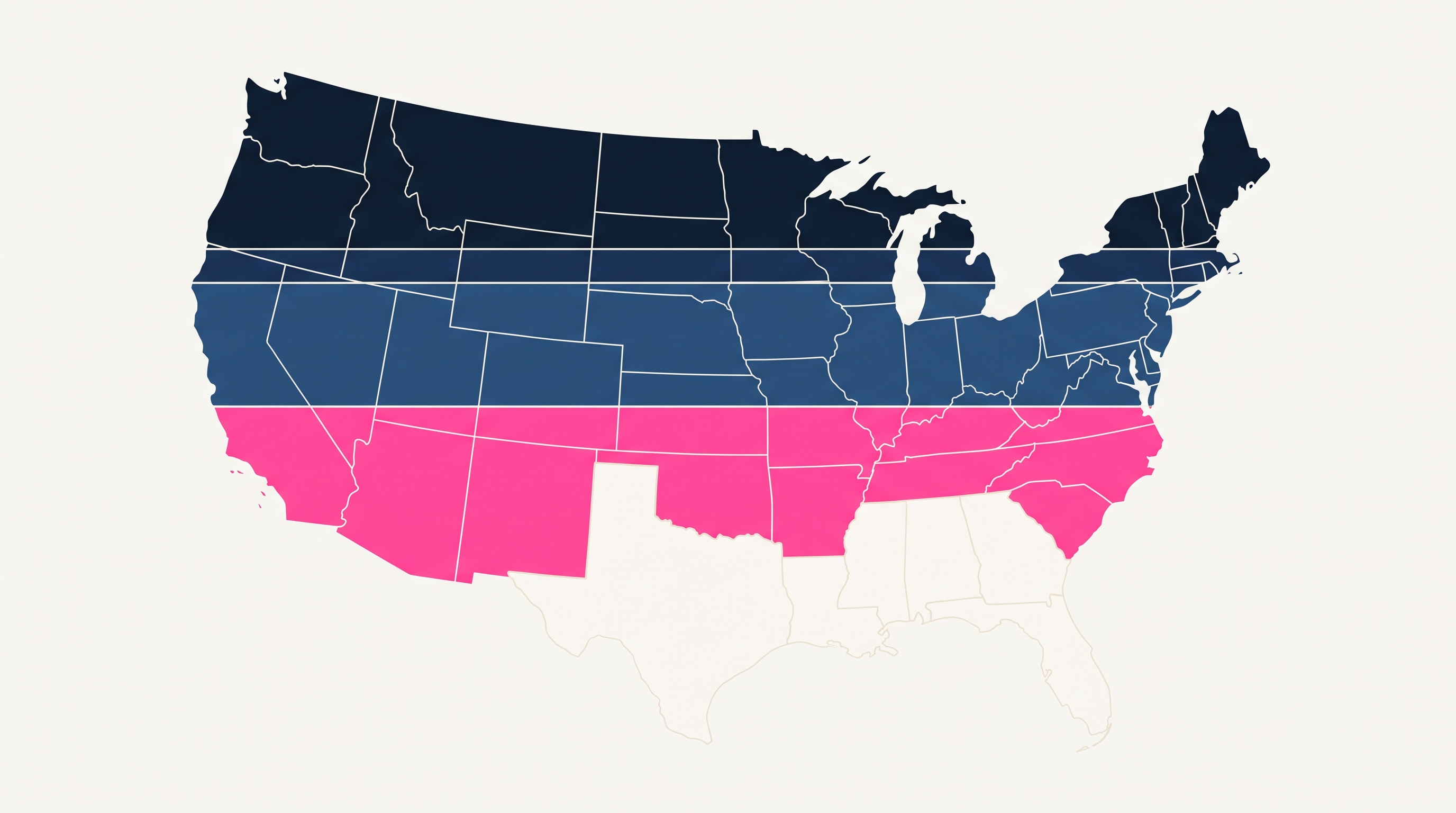
A state-by-state table of delta-8 legality in 2026 — plus the November 12 federal date, and why roughly half the states on the map may not follow it.
Hemp CBD is legal in Texas under chapter 443, but the answer narrows on two dates: Texas already counts THCA toward total THC, and federal law counts total THC per container from December 11. Which SKUs are exposed.
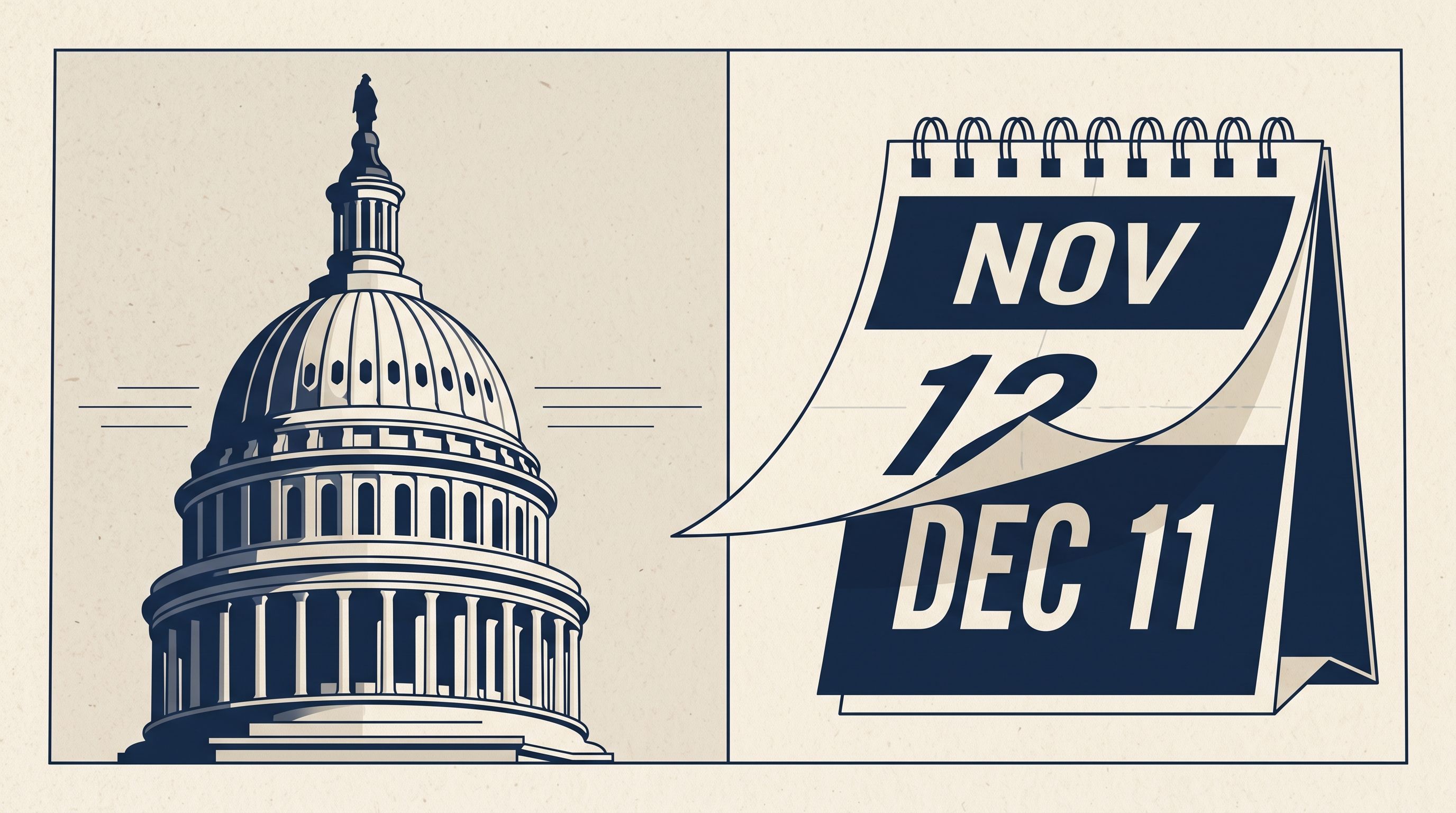
P.L. 119-103 moved most of the federal hemp redefinition to December 11 — but Missouri and Illinois still hit November 12, Virginia, Ohio and Texas already bind harder, and Square's October 15 date is the earliest of all.
Edibles legality turns on three variables — adult-use status, hemp-THC rules and milligram caps — and the per-serving cap usually binds before the legality question does. The state-by-state map operators actually need.
A temporary order puts three concentrated 7-hydroxymitragynine-related compounds in Schedule I through August 2028. Leaf kratom stays out — and the natural-versus-manufactured line DEA drew is the same one the federal hemp law uses, on a different clock.
The more intoxicating cannabinoid has carried the lighter legal exposure. November 12 ends that — here is the comparison table operators actually need.
IDFPR posted the form. Any adult-use dispensary in good standing can add medical sales at the medical tax rate — if it can produce a floor plan and a zoning letter.
Van Duyne and Landsman would tax and regulate THC drinks like alcohol. The endorsement that matters came from the alcohol lobby itself.
A federal judge declined to pause Virginia's 2 mg THC cap, and the strictest hemp limit in the country is now in force. The operator playbook, updated.
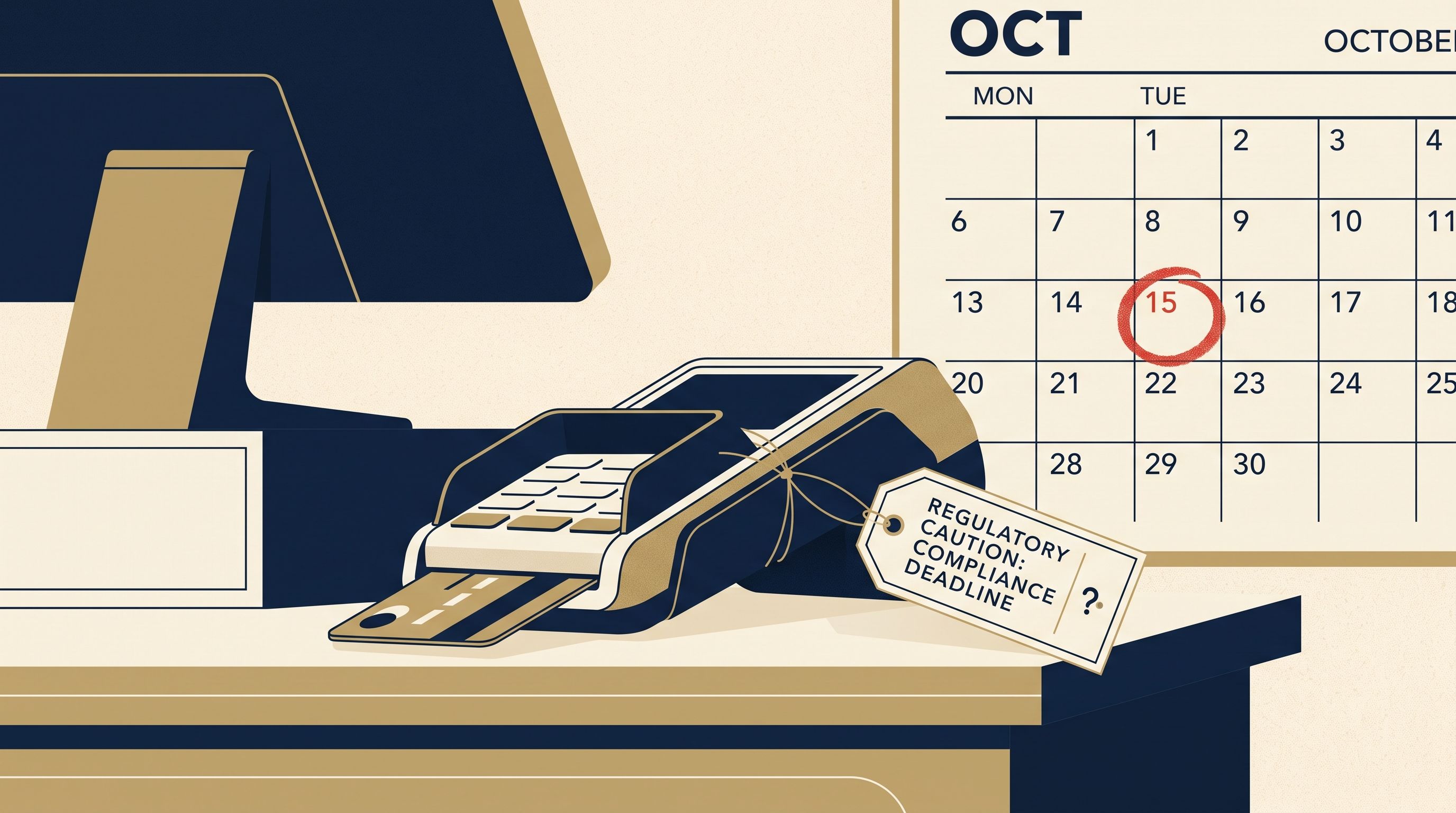
Square told merchants to pull CBD and hemp items by October 15 — a private deadline that lands before the federal ban, delay or not.
Signed the day it was presented, P.L. 119-103 moves the total-THC redefinition and the 0.4 mg cap to December 11 — and leaves non-naturally-producible cannabinoids on November 12.
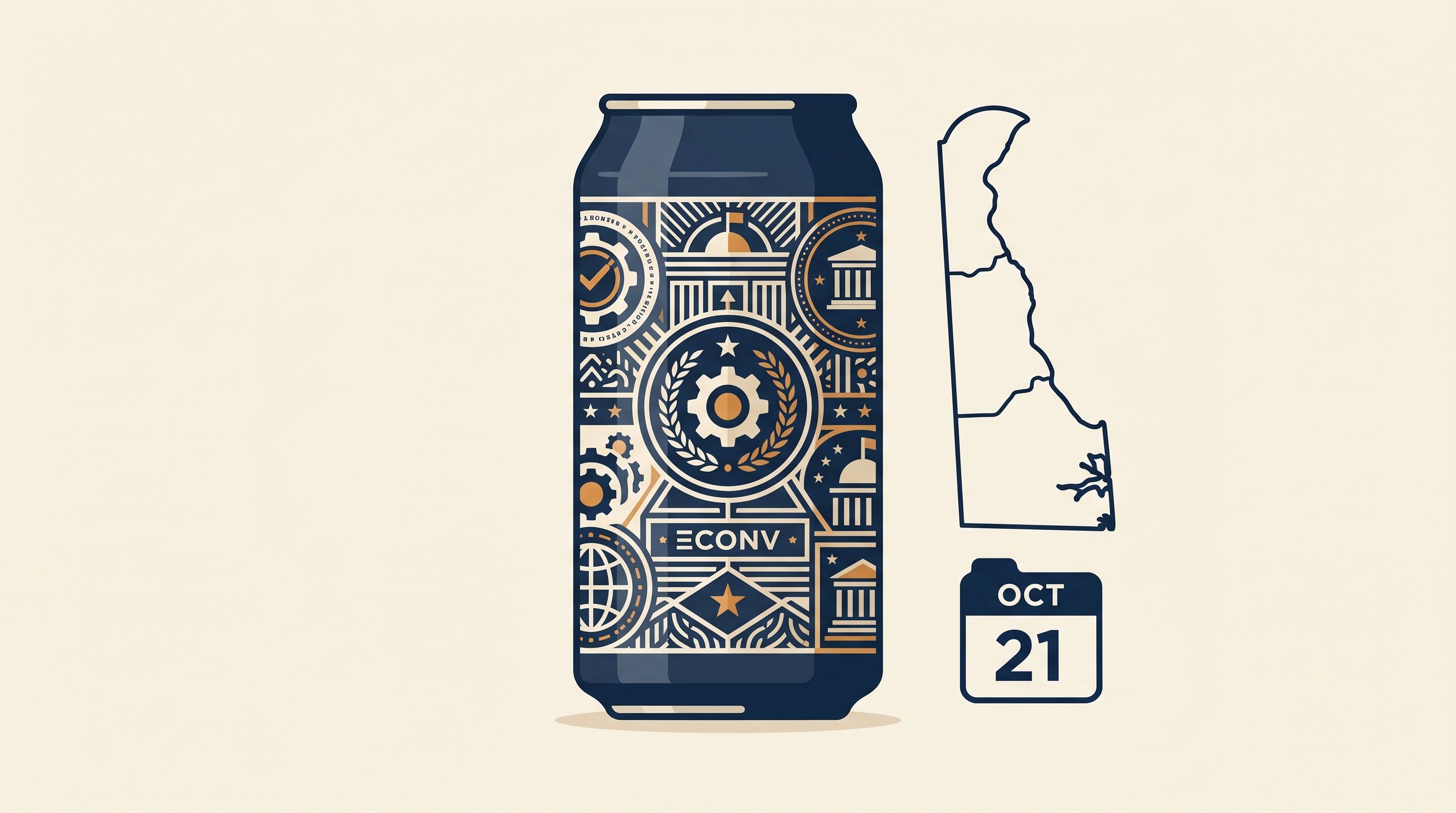
Gov. Meyer signed a dual-channel THC drinks law: dispensaries and liquor stores both sell, with state packaging, testing and advertising rules attached.
A new AG enforcement unit, a federal lawsuit, and a 2 mg cap all land in the same month. Virginia hemp retail is about to be the most-watched market in the country.
Texas went Schedule I on most hemp THC, Virginia stood up an enforcement unit before its 2 mg cap, and Delaware wrote the East Coast THC-drinks playbook.
Three weeks before Virginia's 2 mg cap bites, hemp businesses say they'll ask a court to stop it — borrowing the playbook that half-worked in Ohio.
Barr and Craig filed the first real vehicle to avert November 12 — with a 1% total THC standard and alcohol-style rules for THC drinks. THCA flower is left out.
CAOA was filed July 16 with a hemp-recriminalization block. Sen. Sheehy says a bipartisan fix can pass. Four months out, here are the realistic paths.
Judge Helmick's preliminary injunction lets 10 hemp-beverage plaintiffs keep selling while SB 56 binds everyone else. The AG wants a stay.
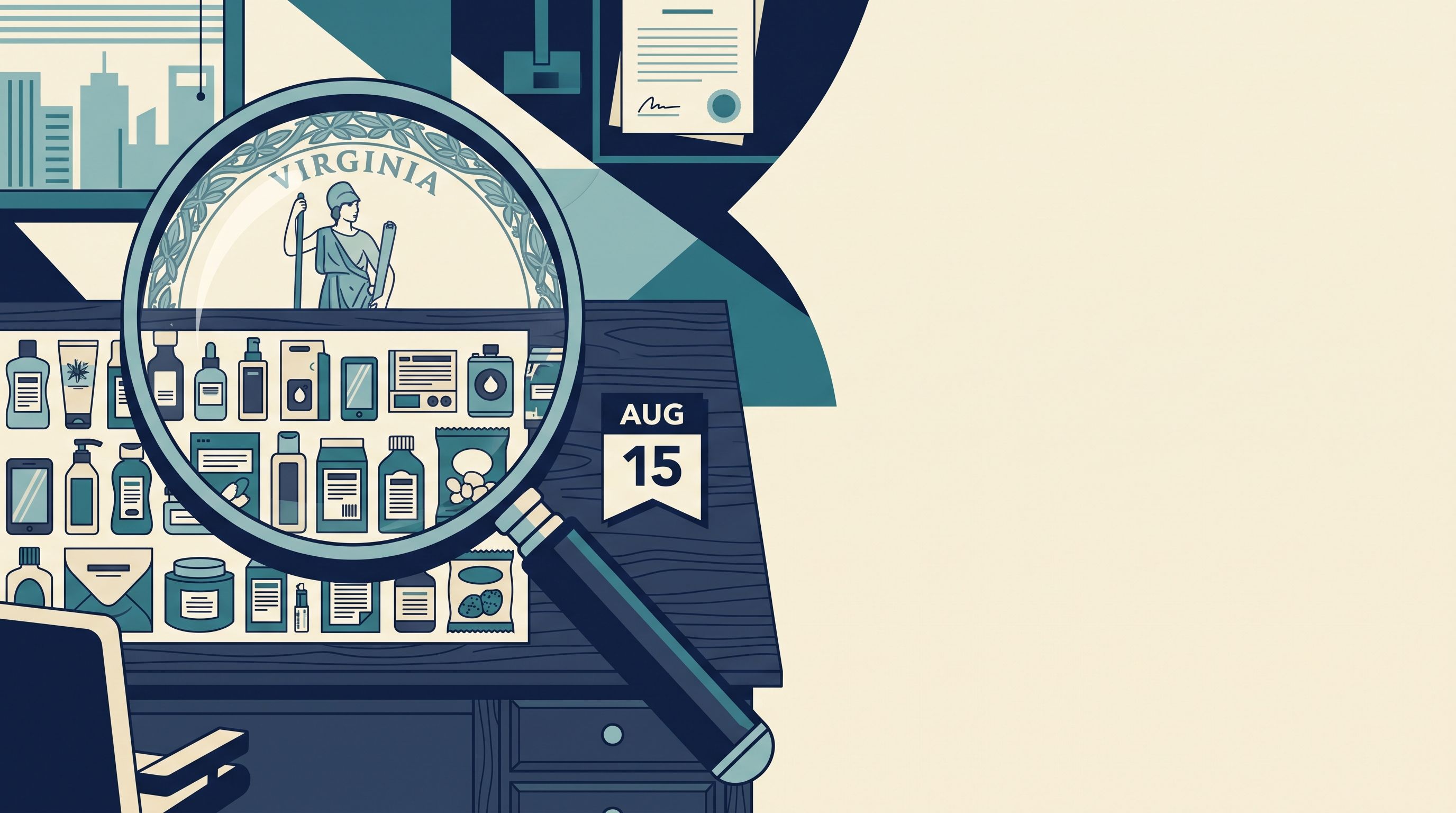
A 2 mg THC cap hits Virginia hemp products August 15, regulators shifted, and lawmakers may have accidentally repealed penalties. A compliance rundown.
Gov. Pritzker signed an omnibus that doubles possession limits and squeezes hemp THC products. A compliance rundown for Illinois operators and hemp brands.
Though HHC and HHC-A share a chemical lineage, they are distinct compounds with different potency levels and legal statuses. Understanding the gap between "not yet illegal" and "confirmed legal" is essential for any consumer navigating today's complex cannabinoid market.
A 2026 guide to Delta-9 legality in Texas: hemp-derived vs. marijuana, THC limits, and compliance steps for retailers and brands.
The executive branch urged Congress to soften the November hemp cliff — the strongest signal yet that the redefinition could move.
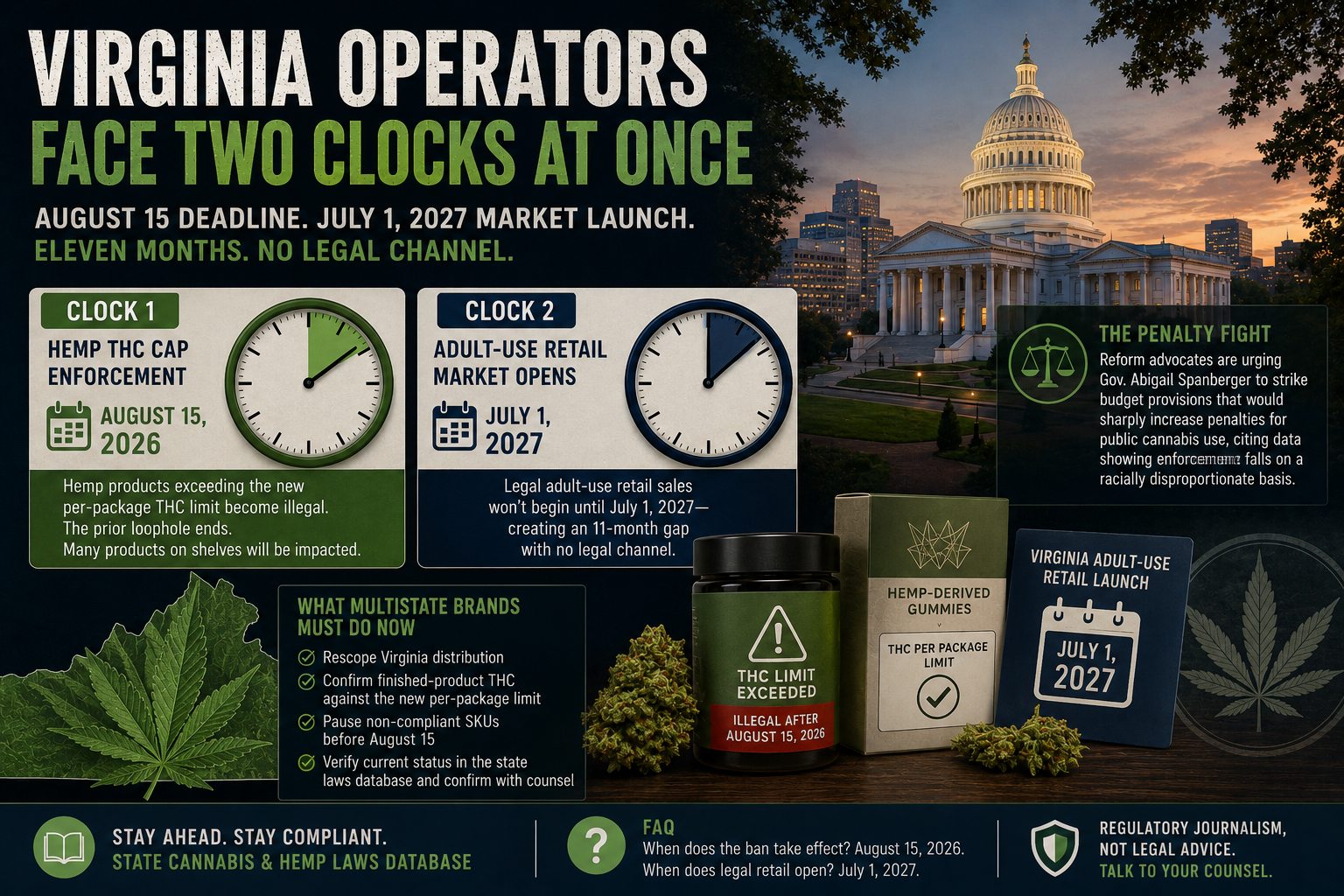
Virginia's August 15 hemp cutoff arrives 11 months before legal retail. What operators and multistate brands must do before the deadline.
A federal judge granted 10 hemp companies a temporary restraining order on June 15, pausing Ohio's SB 56 hemp-drink ban while a dormant Commerce Clause challenge proceeds.
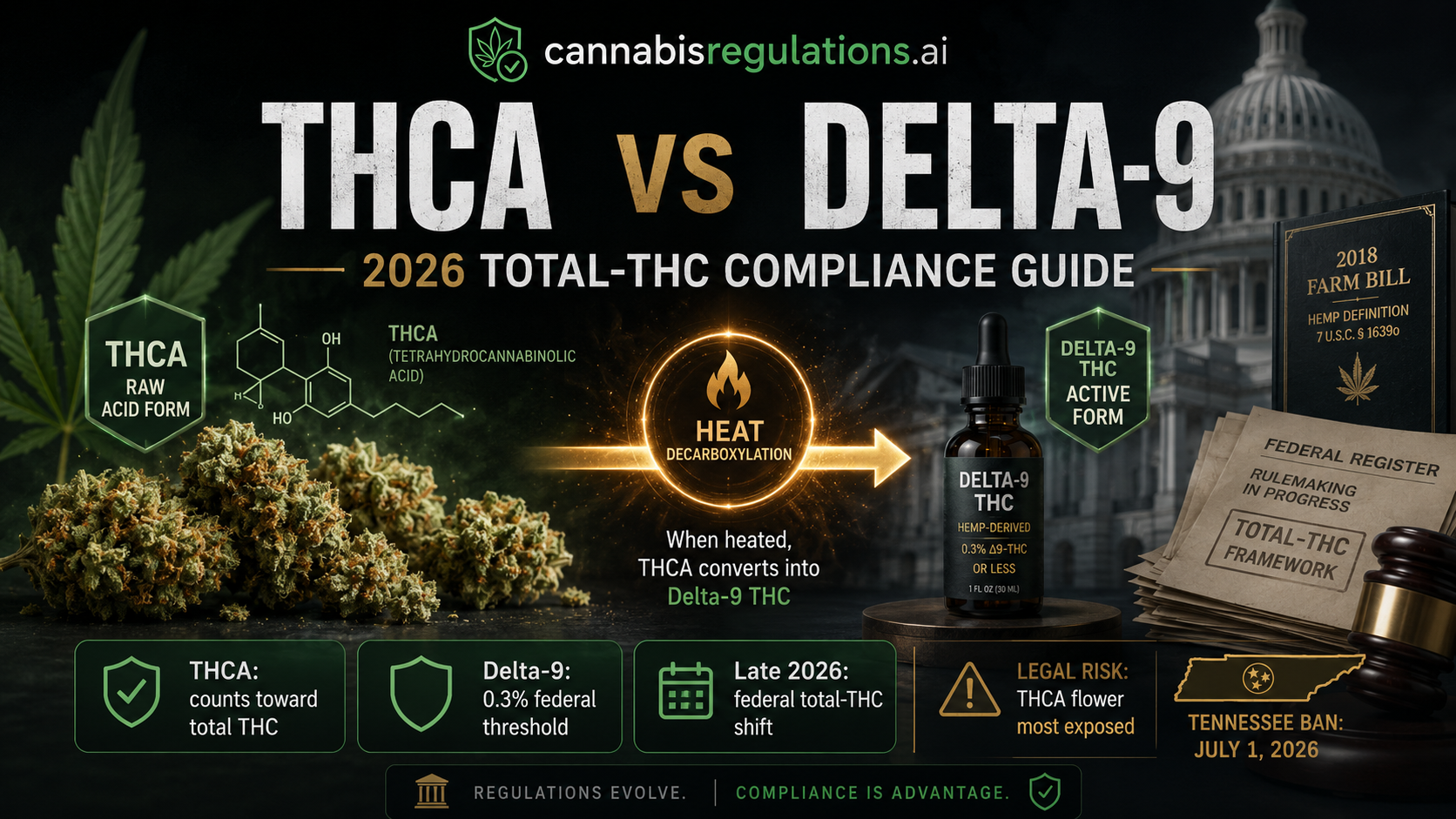
THCA converts to delta-9 THC when heated. Here's how the law treats each and why the 2026 total-THC standard reshapes the THCA flower market.
Consumer-facing hemp shipping in 2026: what's mailable through USPS, UPS, and FedEx, which destination states refuse delivery, what the November 12 federal hemp redefinition removes from the mailable category, and what happens if a package is seized.
Wyoming's SF0032 (2024) bans delta-8 in all product formats with no beverage exception; the Tenth Circuit upheld the ban in October 2025 and THCA flower is high-risk.
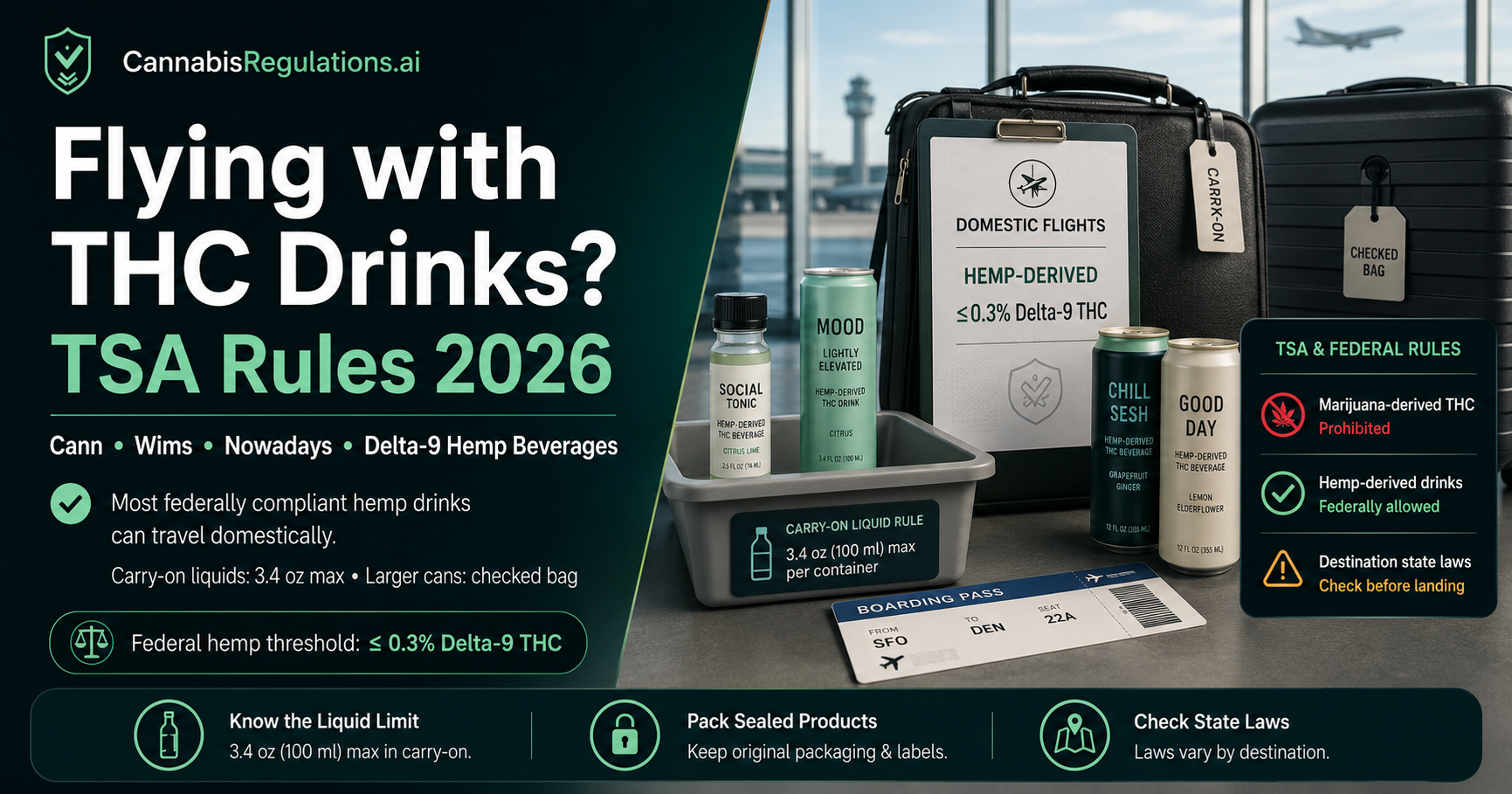
Most hemp-derived delta 9 beverages like Cann, Wims, and Nowadays comply with federal TSA rules, though state laws and airline policies vary at the gate.
Connecticut introduced a 173-page bill in February 2026 rewriting marijuana and hemp licensing, THC limits, and infused beverage rules in the state code.
THC beverage distributor agreements need defined indemnity events, recall cost allocation, and communication control to manage product holds and withdrawals.
Cannabis recall insurance underwriters in 2026 require documented product risk profiles, supplier controls, traceability evidence, and response readiness.
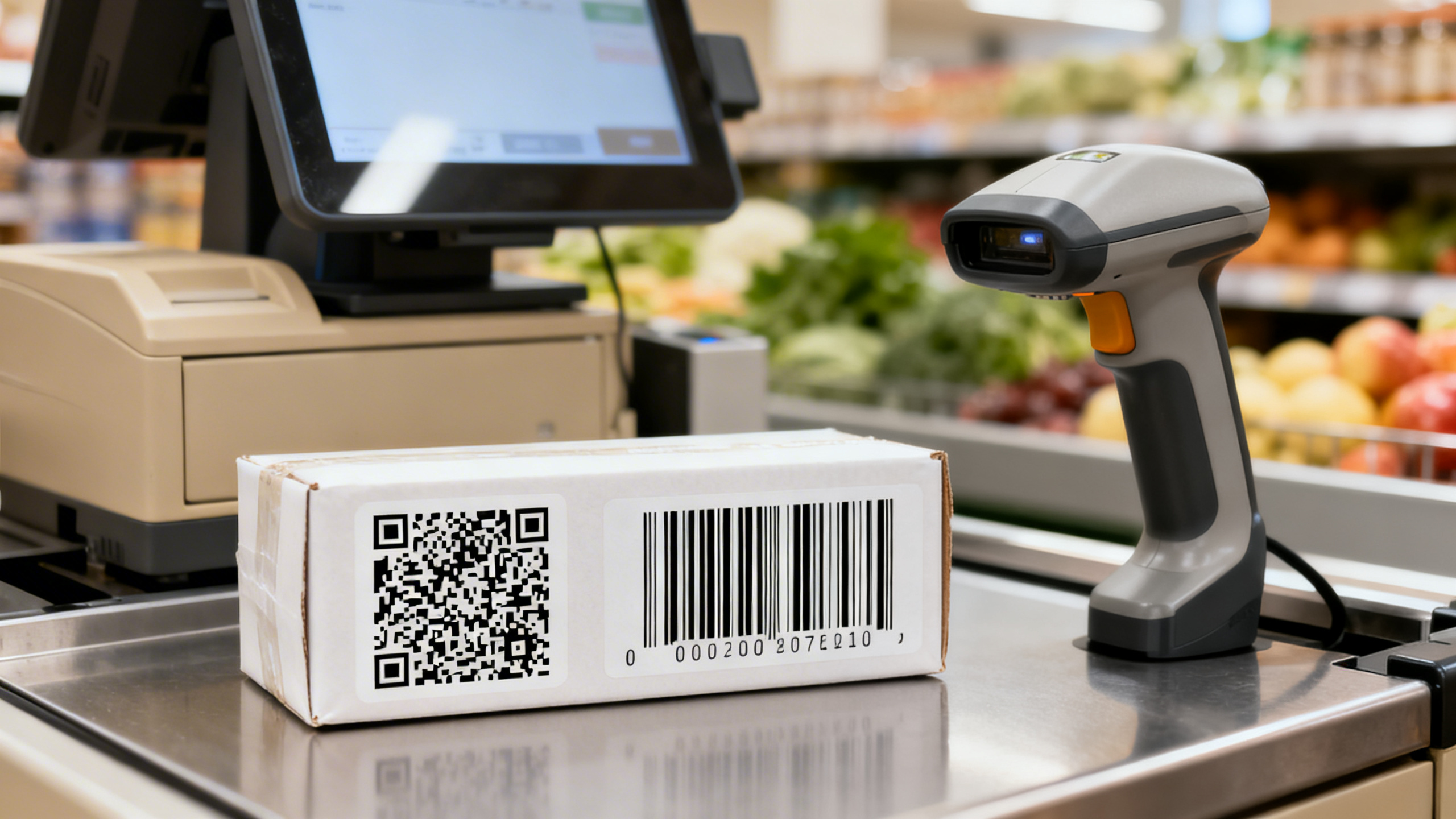
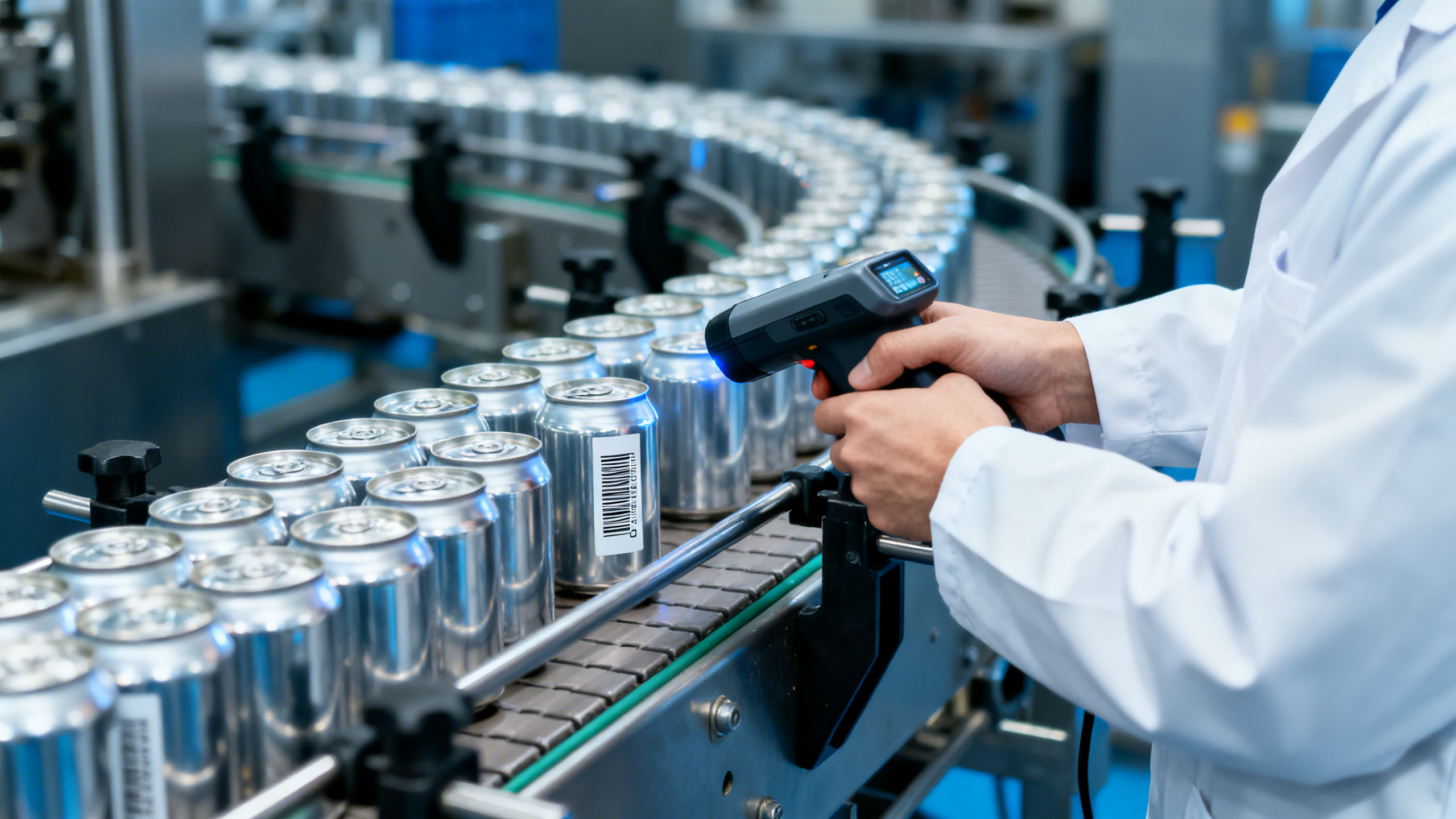
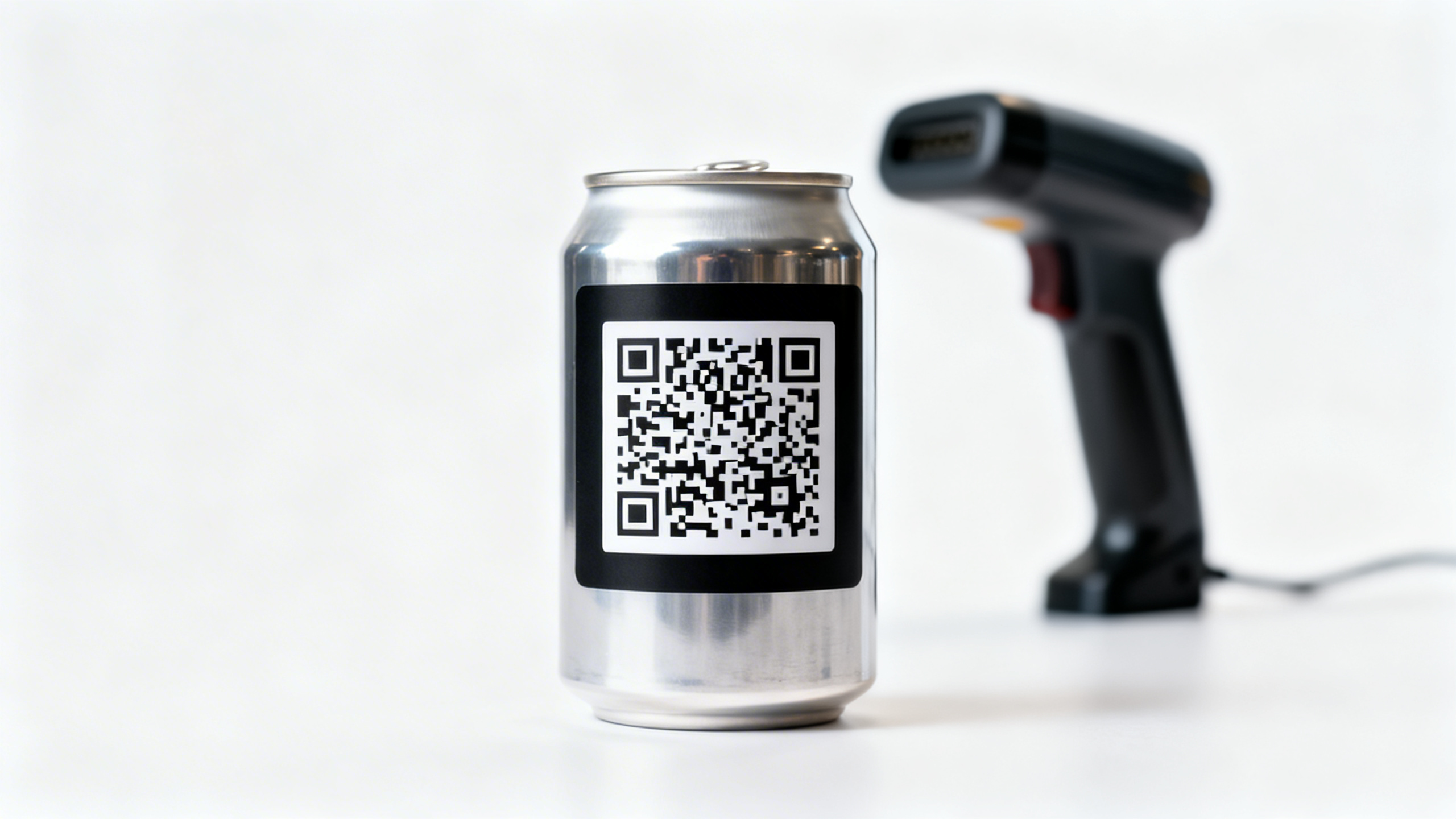
GS1 US Sunrise 2027 pushes cannabinoid and hemp brands to adopt 2D barcodes and Digital Link QR codes for POS scanning, COA delivery, and recall readiness.
Canada signaled a shift from 13 province-specific cannabis excise stamps toward a unified national stamp, with packaging and co-pack implications for beverages.
A GAO report urging FDA to strengthen its Food Contact Substances program raises packaging migration and audit risk for THC and CBD beverage brands.
Massachusetts CCC social consumption regulations took effect in early 2026, setting dual-track planning for on-premise adult-use service and hemp THC drinks.
Canada signaled 2025-2026 cannabis excise reform on the dollar-per-gram or 10 percent minimum duty and a move toward a single national excise stamp.
Ontario Blue Box EPR transition under O. Reg. 391/21 is adding 2025 cost pressure and labeling scrutiny for THC and CBD beverage producers in the province.
Quebec Bill 96 became fully operational on 1 June 2025, requiring French-predominant labels and trademark translation review for THC drinks and vape products.
British Columbia LDB cannabis wholesale faced a BCGEU overtime ban from 12 September 2025 and a temporary closure on 22 September 2025, disrupting dispatch.
Massachusetts CCC approved final social consumption rules December 11, 2025 and the Secretary promulgated them January 2, 2026, shaping THC beverage events.
UK Plastic Packaging Tax rose to 223.69 GBP per tonne on 1 April 2025 and indexes to 228.82 GBP per tonne on 1 April 2026 for under-30-percent recycled plastic.
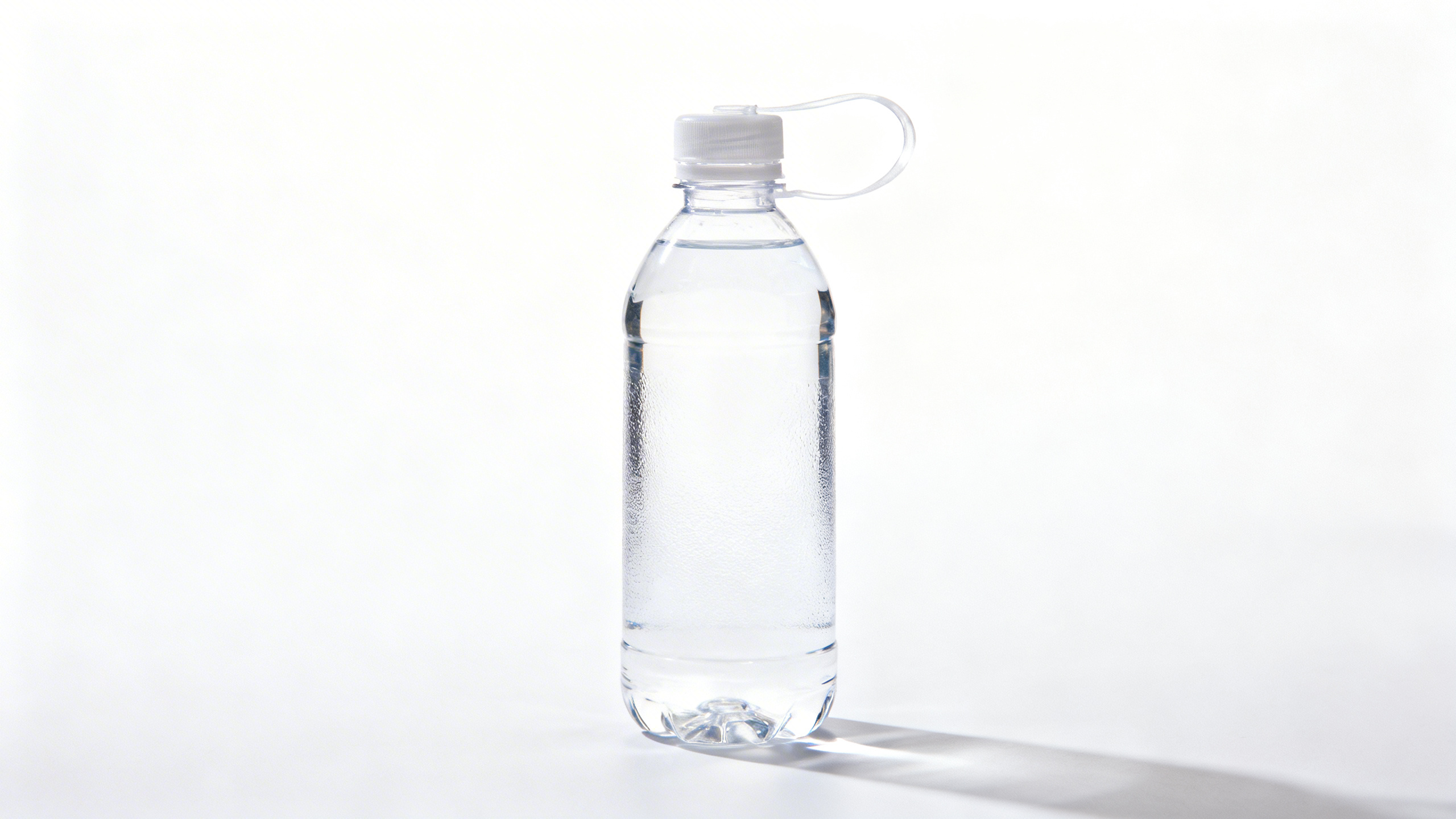
EU SUPD requires tethered caps on plastic beverage bottles since July 2024 and 25% recycled PET content by 2025. Compliance guide for THC/CBD drink exporters.
EU Regulation 2023/1115 (EUDR) requires 2025 due diligence on paper and paperboard cartons used for CBD and THC products shipped into the European Union.
EU CBAM enters its definitive phase January 1, 2026, creating aluminum can supply-chain reporting obligations for U.S. THC beverage brands selling in Europe.
Massachusetts, New Hampshire, and Maine handle intoxicating hemp and low-dose THC drinks under different 2025-2026 frameworks, forcing ship-block routing rules.
Massachusetts is weighing a $4.05 per gallon excise on hemp beverages and CCC oversight; this models price impact and retailer pass-through scenarios.
Massachusetts CCC final social consumption rules took effect January 2, 2026, opening lounge, host, and event pathways with strict age and venting gates.
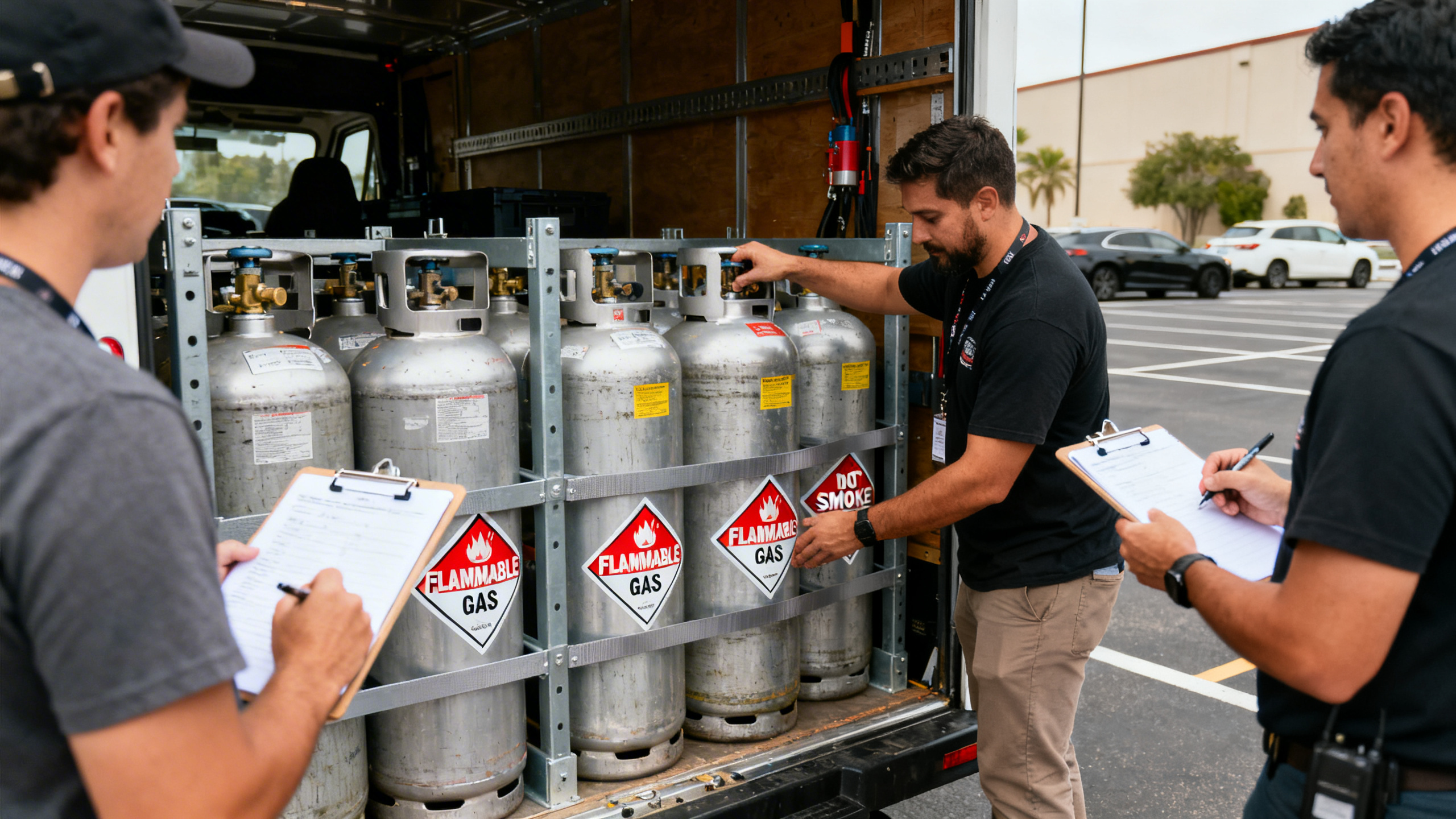
U.S. DOT hazmat rules in 49 CFR 171-180 reach CO2 cylinders used at THC-drink pop-ups, requiring training, shipping papers, and qualified cylinders.
In 2025, retailers and marketplaces require GFSI-benchmarked SQF or BRCGS certification before stocking hemp-derived THC beverages from co-packers.
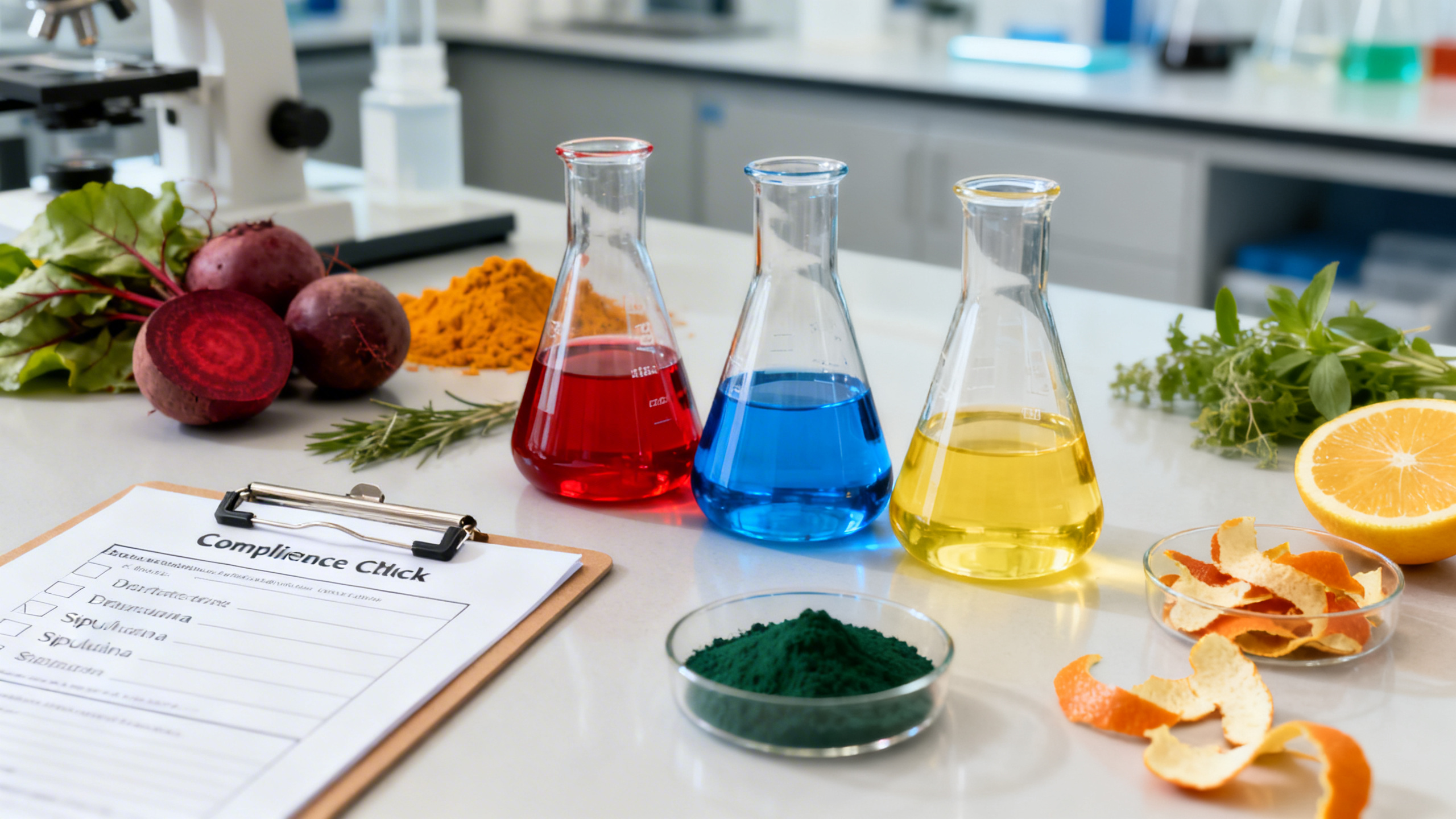
FDA's 2025 focus on naturally derived color additives raises label risk for THC and CBD beverages using spirulina, beet, or no-artificial-color claims.
Pennsylvania's cannabis legalization momentum stalled in September 2025 after the Governor urged a pause on new bills, leaving hemp THC drinks in limbo.
Alabama, Tennessee, and Kentucky are moving hemp-derived THC beverages to ABC three-tier distribution, age-21 gating, and alcohol-style excise in 2025.
Aluminum can liner migration and emulsion drift are emerging recall drivers for THC beverages in 2025, with California posting packaging-tied recalls.
Draft hemp-derived THC beverages on tap face conflicting state frameworks in 2025, lost label warnings at point of service, and food-contact keg rules.
A new Pennsylvania hemp trade group launched late 2025 is pushing age-21 access, potency caps, and a clear line between CBD wellness and delta-8 products.
THC beverage brands in 2025 face BPA-NI and PFAS-free can liner attestations, driven by EPA PFAS rules, state packaging bans, and retailer vendor specs.
THC beverage brands in 2025 face FDA food-label scrutiny on major allergen disclosure, fortification rules, and vegan or natural claims at wider retail.
On-premise hemp THC drink service in 2025 splits states into allow, ban, and unclear buckets, with 21+ controls and serving caps driving license risk.
Hemp-THC beverage operators must align FDA FSMA 204 Food Traceability Rule records with state Metrc track-and-trace before the January 20, 2026 deadline.
After 2025 state hemp-THC beverage bans, brands must choose destroy, divert, or donate while reconciling the 2018 Farm Bill, CSA, and product-format limits.
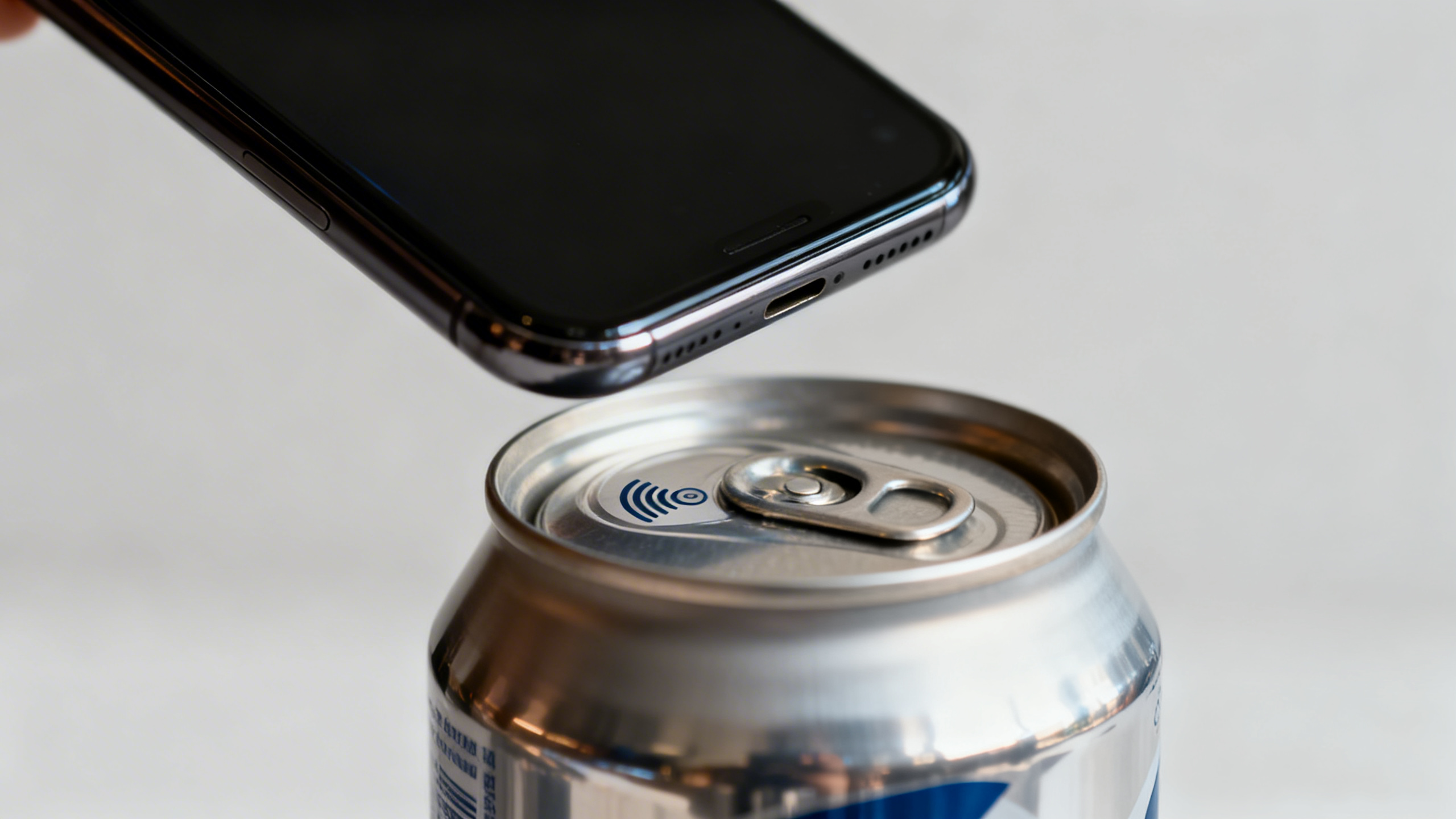
NFC age-gated packaging for hemp-THC beverages in 2025 to 2026 must reconcile tap-to-verify flows with state privacy laws and Global Privacy Control.
All-natural and sugar-free claims on THC drinks in 2025 carry NAD challenge and class-action risk under FDA labeling rules and FTC substantiation.
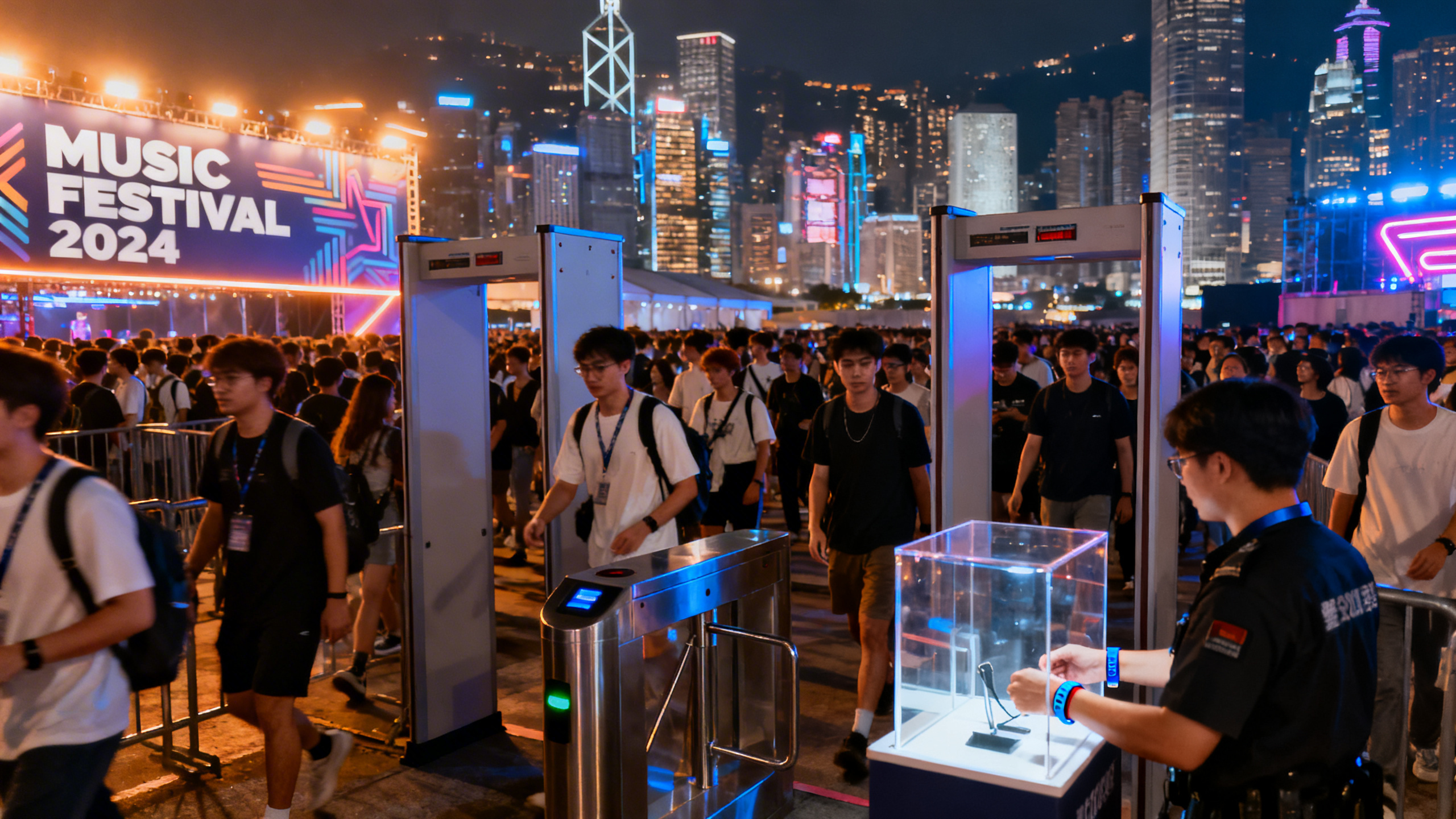
California ABC's 2025 enforcement against on-premise hemp drinks at festivals and stadiums follows CDPH emergency hemp rules and targets temporary bars.
USPTO's lawful-use-in-commerce rule still drives refusals of CBD and hemp-THC beverage marks in 2025 to 2026, shaping Madrid Protocol filings and specimens.
Kosher and halal certification for cannabinoid beverages in 2025 hinges on ingredient acceptability, audit readiness, and change-control at scaling co-packers.
Expired THC drinks trigger RCRA hazardous waste determinations and Clean Water Act pretreatment risks, making sewer disposal a frequent federal pitfall.
Nanoemulsified cannabinoid beverages face heightened 2025 FSMA scrutiny under 21 CFR Part 117, requiring updated hazard analyses and shelf-life challenge plans.
Chain restaurants serving THC mocktails must reconcile FDA menu labeling under 21 CFR 101.11, federal allergen rules, and state intoxicant warnings on dosing.
THC beverage co-packer contracts in 2025 must allocate recall authority, insurance limits, and intellectual property ownership to survive retailer QA audits.
FDA's September 9, 2025 deceptive drug advertising push and roughly 100 cease-and-desist letters raise the claim-substantiation bar for CBD and THC drinks.
FDA's 2025 Human Foods Program signaled new natural color additive guidance, exposing THC beverages to color additive premarket review and misbranding risk.
Fermented kombucha above 0.5% ABV triggers TTB jurisdiction, and adding hemp cannabinoids layers state ABC, age-gate, and retail venue restrictions on top.
Bulk CO2 systems in hemp-derived THC beverage facilities trigger OSHA, NFPA 55, and local fire code obligations operators must address in 2025 and 2026.
Compliant THC beverage returns in 2025 require navigating carrier restrictions, state inventory controls, adult-signature pickups, and chargeback standards.
Hemp edible retailers face Food Code permitting, TCS controls, and hot-fill or acidified validation requirements at the point of sale across U.S. jurisdictions.
Regulators treat caffeine plus intoxicating cannabinoid drinks as a higher-risk category in 2025, raising ingredient ban, warning, and youth-appeal exposure.
Chicago Ordinance O2025-0018771 would set age-21 hemp and kratom sales, retailer permits, and a possible city tax on THC drinks under new Chapter 4-65.
Pennsylvania faces three competing models for hemp-THC beverages: PLCB alcohol oversight, Department of Agriculture food rules, or dispensary-only channels.
A September 2025 Missouri initiative would replace the constitutional cannabis program with an alcohol-model framework covering THC and hemp beverages.
EPA's September 2025 request to the D.C. Circuit to vacate parts of its PFAS drinking water rule reshapes water testing duties for THC and CBD beverage plants.
Pennsylvania's 2025 legislative push to regulate hemp-derived THC beverages debates age-21 sales, potency caps, and which retail channels can lawfully sell.
THC beverage tastings in 2025 sit at the intersection of state ABC rules, food regulator oversight, and 21-plus controls, with treatment varying by state.
GS1 US 2D Barcode Sunrise 2027 expects retailers to scan QR or DataMatrix at POS, requiring hemp-THC beverage brands to plan GS1 Digital Link migration in 2025.
FDA's 2025 import posture enforces 21 CFR Part 1 Subpart L FSVP duties on hemp-derived ingredients, citing importers even before resolving CBD-in-food legality.
California's DPH-24-005 makes no-detectable THC the permanent hemp baseline, putting lab method choice, LOQ versus LOD, and COA appeals center stage.
THC beverage subscription compliance in 2025-2026 must align SMS, ACH, and click-to-cancel rules with carrier, payment-network, and federal consumer standards.
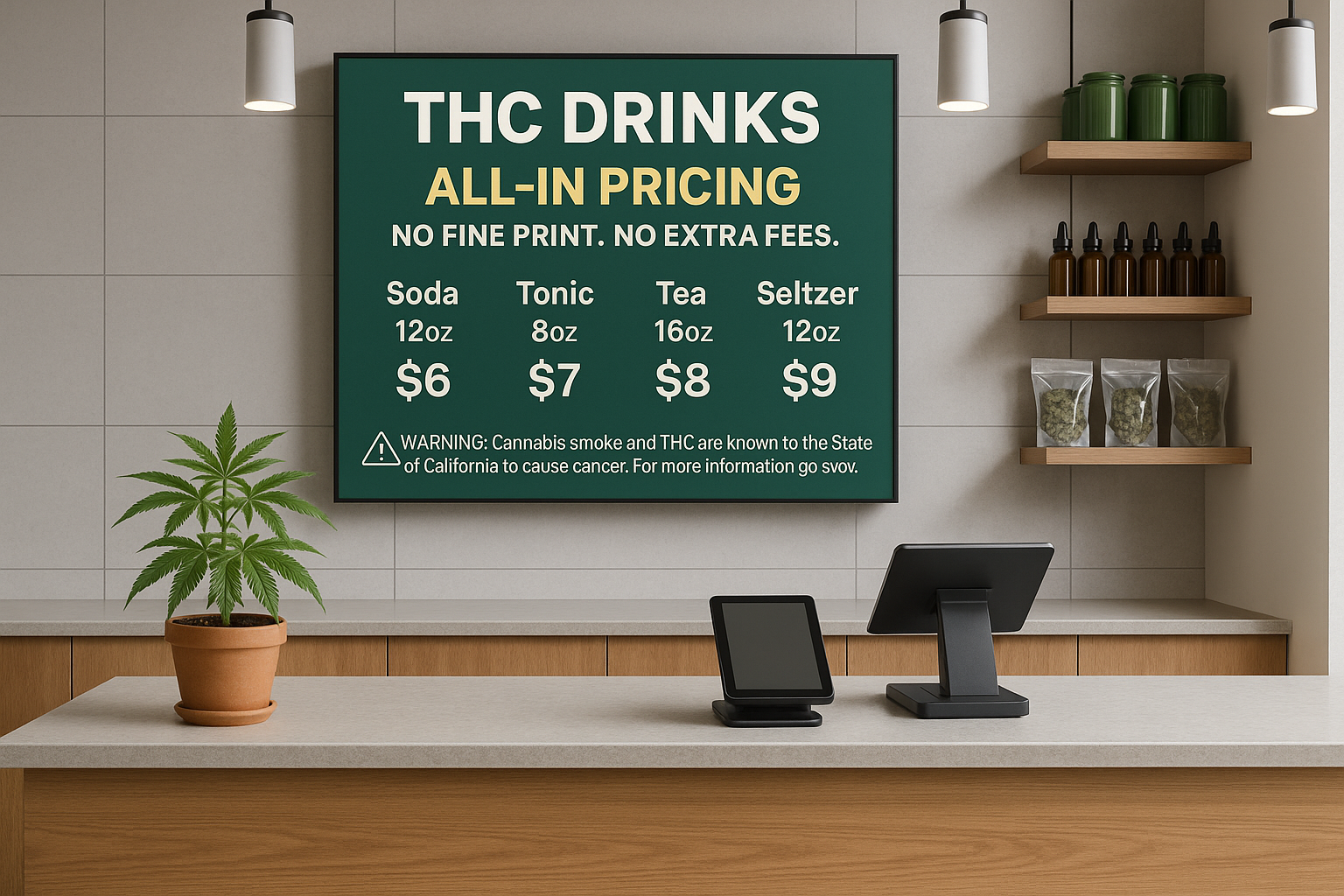
California SB 478, the Honest Pricing Law enforceable since July 1, 2024, requires THC beverage operators to show all-in pricing online and on-premise.
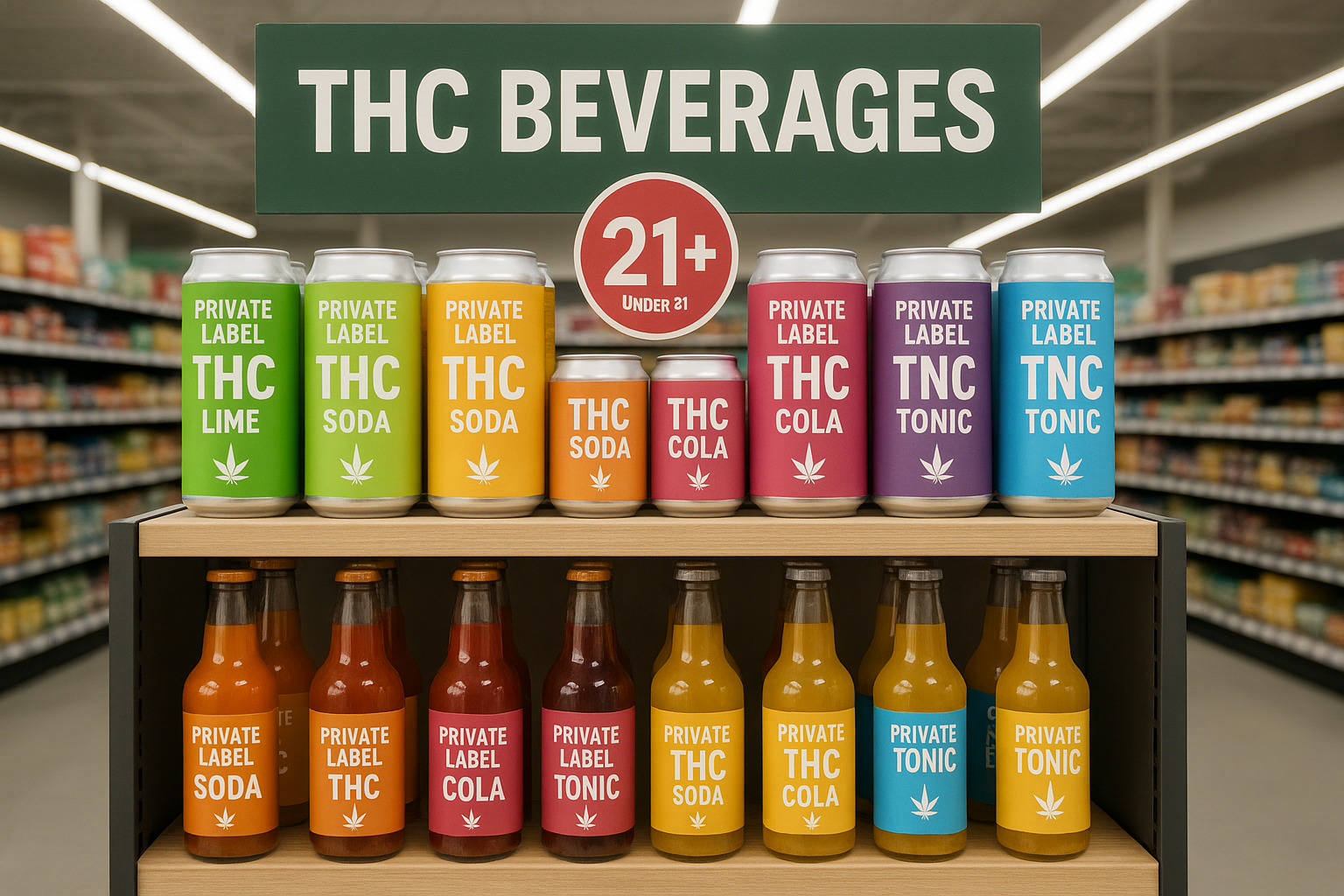
Grocers and convenience chains launching private-label hemp THC beverages in 2025 become the responsible person for labeling, traceability, recalls, and excise.
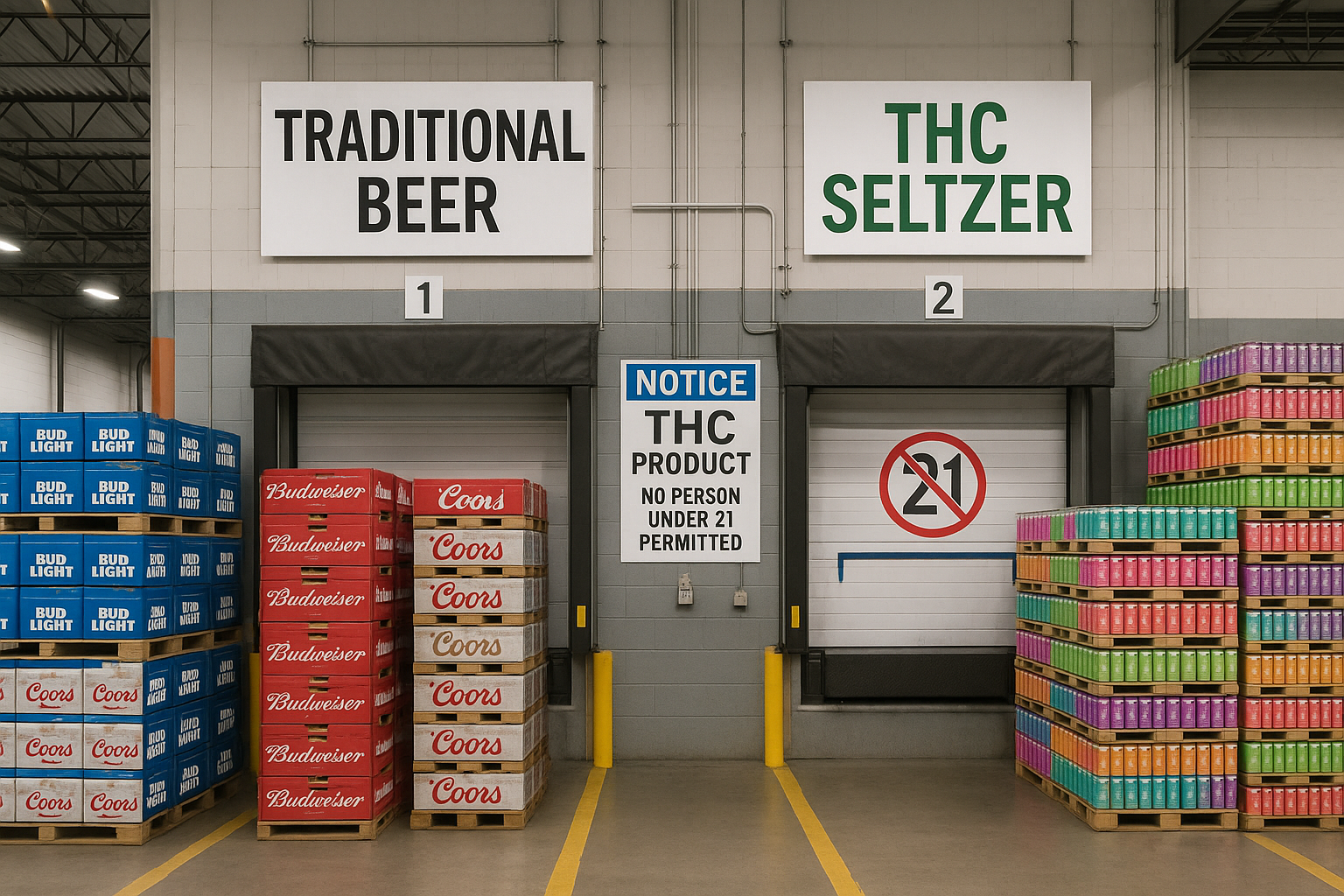
Beer distributors carrying hemp THC seltzers in late 2025 face antitrust and three-tier exposure as TTB, state ABCs, and DOJ test alcohol-style structures.
California SB 253 and SB 261 climate disclosure laws are pushing 2025 Scope 3 packaging data requests down to THC beverage co-packers and aluminum suppliers.
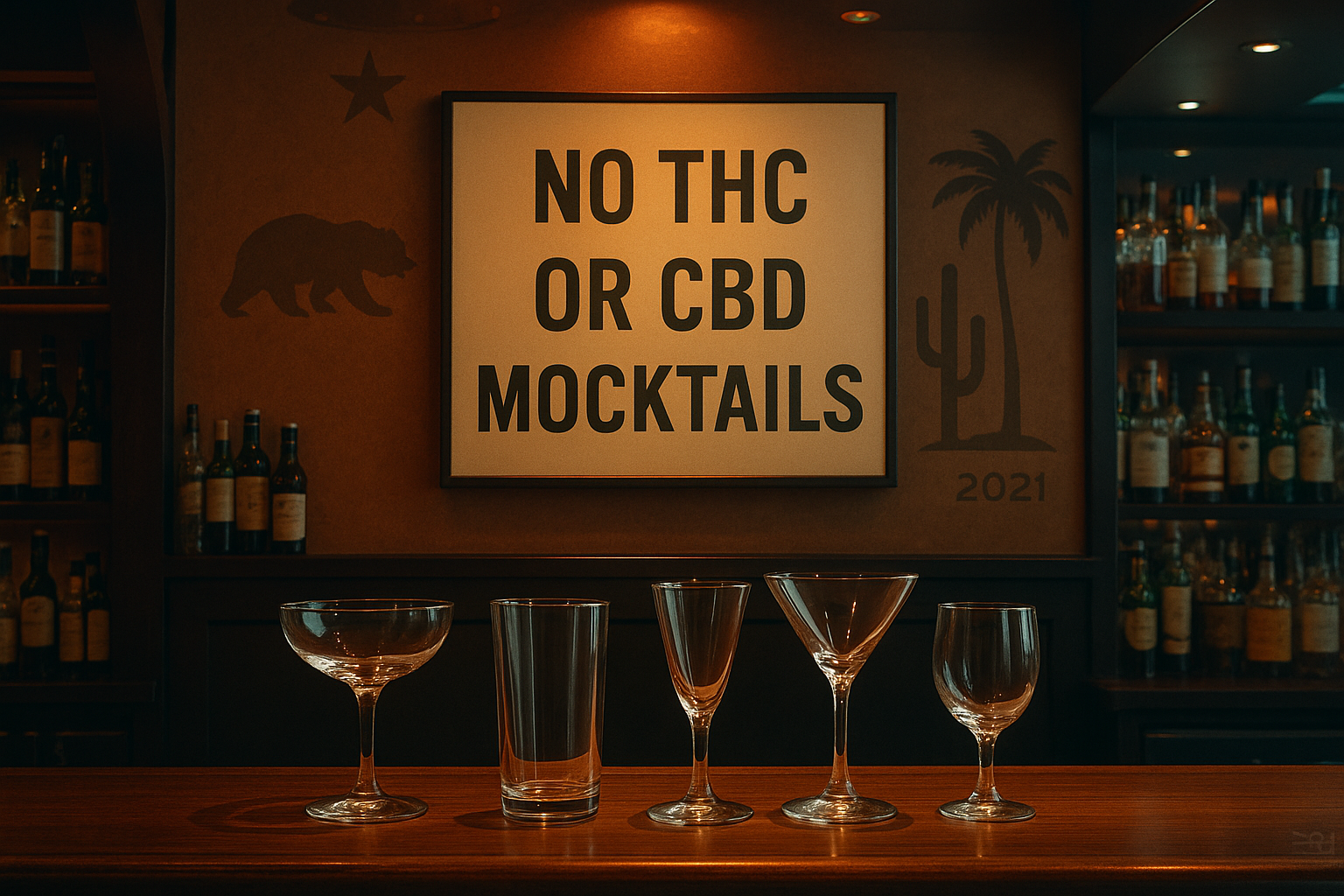
California AB 8 and CDPH emergency rules in 2025 bar intoxicating hemp THC mocktails at ABC-licensed bars and restaurants, tightening venue compliance.
Nano THC beverage brands in 2025 must back labeled milligram strength with full shelf-life stability data to satisfy state auditors and major retail chains.
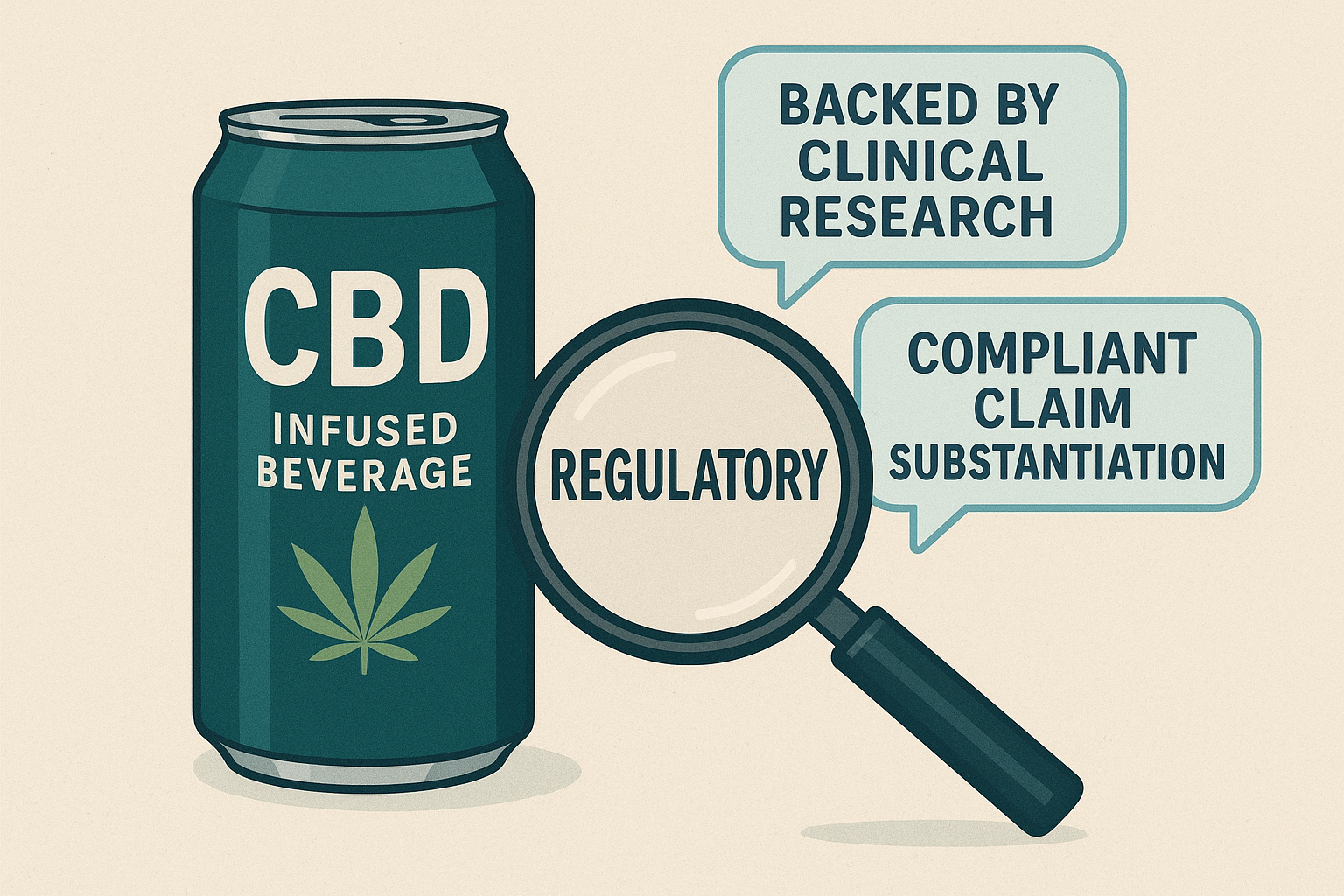
NAD's 2025 enforcement against unsubstantiated health claims sets a tighter substantiation bar for CBD, CBG, and cannabinoid beverage advertising.
The FTC's 2025 Negative Option Rule reaches full enforcement in mid-July, covering CBD and hemp THC subscription clubs across both B2C and B2B programs.
EPA 2024 PFAS drinking water standards and expanded RCRA waste rules force 2025-2026 filter, washwater, and packaging controls on THC beverage manufacturers.
CPSC and the PPPA do not require child-resistant closures on THC beverages, leaving 2025 brands to navigate a state-by-state patchwork of CR and warning rules.
California SB 253 and SB 261 climate disclosure obligations begin in 2026-2027, making 2025 the build year for cannabis THC drink supplier data systems.
THC and CBD beverage plants face 40 CFR Part 403 pretreatment scrutiny in 2025, with POTWs setting local limits for surfactants and cannabinoid residuals.
California SB 478 bans hidden dispensary and THC beverage fees, requiring all-in pricing online and in-store with CLRA and Attorney General enforcement risk.
Answer your real world compliance questions (limited time) and save thousands in legal fees and avoided fines.