

July 30, 2026


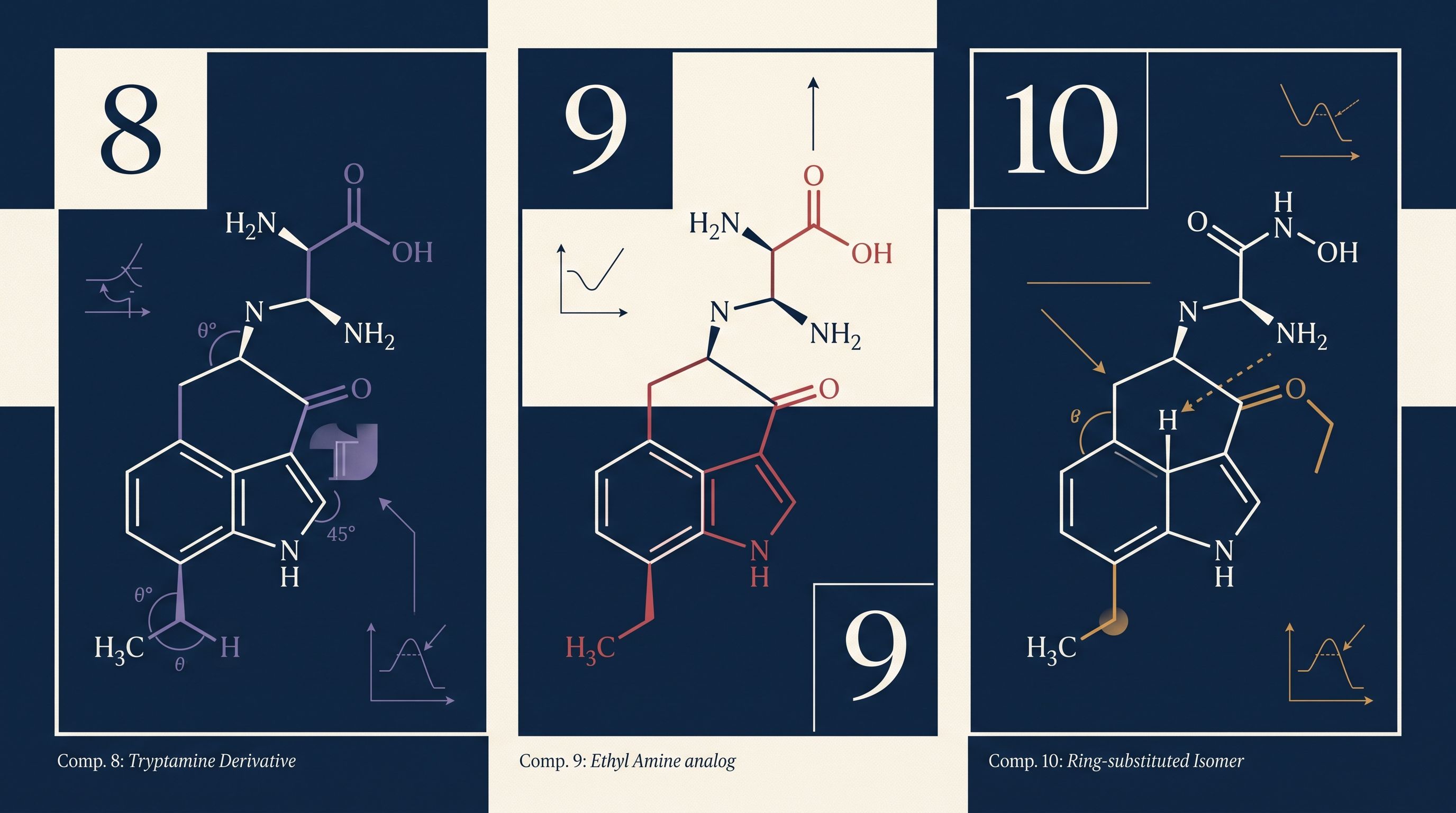
Delta-8, delta-9, and delta-10 are three forms of THC that differ in potency, how they're made, and — most consequentially for anyone selling or buying them — how the law treats them. Delta-9 is the most potent and the most regulated; delta-8 is roughly half as strong and built the hemp-derived market; delta-10 is the mildest and rides along under the same legal theories as delta-8. All three face the same federal deadline this November. Here is the three-way comparison for 2026.
| Delta-9 THC | Delta-8 THC | Delta-10 THC | |
|---|---|---|---|
| Potency | Benchmark (strongest) | ~50–70% of delta-9 | Mildest of the three |
| Natural abundance | High in marijuana | Trace — usually converted from CBD | Trace — converted from CBD |
| Federal status | Schedule I above 0.3% dry weight; hemp-derived below that | Legal by hemp definition today; contested | Same theory as delta-8 |
| State status | Legal in adult-use/medical states | Banned or restricted in 20+ states | Typically banned wherever delta-8 is |
| Drug tests | Detected | Detected | Detected |
| November 12, 2026 | Hemp-derived products captured | Captured | Captured |
Delta-9 THC is the primary intoxicating cannabinoid in cannabis and the reference point every other THC isomer is measured against. Legally, it lives a double life. Marijuana-derived delta-9 is federally Schedule I and legal only inside state-licensed marijuana programs. Hemp-derived delta-9 — the loophole behind THC seltzers and low-dose gummies — is federally lawful today when the product stays at or below 0.3 percent delta-9 THC by dry weight, a threshold generous enough that a heavy gummy or a 12-ounce beverage can carry 5–10 mg and still qualify. That asymmetry, more than anything else, is what Congress moved to close last year.
Delta-8 THC occurs naturally only in trace amounts; virtually everything sold is made by chemically converting hemp-derived CBD. Its effects are commonly reported as milder than delta-9 at comparable doses — roughly half to two-thirds the potency is the range most product formulators use. Because it is "derived from hemp," delta-8 products have been sold under the 2018 Farm Bill's definition in states that haven't acted. Many have acted: more than 20 states now ban or restrict delta-8, some by scheduling the molecule, others by regulating converted or synthetic cannabinoids as a class. For the deeper legal treatment, see our pillar comparison, Delta-8 vs Delta-9 in depth, and the adjacent THCA vs Delta-8 analysis.
Delta-10 THC is another CBD-conversion product, chemically a positional isomer of delta-9 with the double bond moved to the tenth carbon. Users and formulators consistently describe it as the weakest of the three — mildly stimulating rather than sedating is the common marketing claim, though controlled research on delta-10 specifically is thin, and buyers should treat potency claims as marketing until COAs and dosing studies say otherwise.
Legally, delta-10 rarely gets its own statute. States that ban delta-8 as a converted or synthetic cannabinoid almost always capture delta-10 in the same language, and states that leave delta-8 alone generally leave delta-10 alone too. The practical rule for retailers: check the state's definition — if it regulates "THC isomers" or "converted cannabinoids" as a class, delta-10 is in scope. State-by-state grids, including the state legality guide, are the fastest way to check a specific market.
All three isomers metabolize into THC metabolites that standard immunoassay screens detect. A delta-8 or delta-10 product marketed as "legal THC" will still produce a positive drug test, and confirmatory testing may not distinguish the source. For employees in tested industries, the legal status of the product and the employment consequence of the test are entirely separate questions.
The federal hemp redefinition scheduled for November 12, 2026 replaces the 0.3 percent delta-9 dry-weight standard with a total-THC limit of 0.4 mg per container for consumable hemp products — a threshold that captures essentially every intoxicating delta-8, hemp-derived delta-9, and delta-10 product on the market. Unless Congress enacts a replacement (the Barr–Craig Lawful Hemp Protection Act is the current vehicle), the delta-8 and delta-10 categories lose their federal foundation on that date, and hemp-derived delta-9 beverages and edibles go with them. Operators should be modeling November inventory now, not after a markup.
Which is strongest: Delta-8, Delta-9 or Delta-10? Delta-9 is the most potent; delta-8 is roughly half as strong at comparable doses; delta-10 is generally the mildest of the three.
Is Delta-10 legal? It varies by state — many states that ban delta-8 as a converted cannabinoid ban delta-10 the same way. Check the state grid pages for current status.
Do Delta-8 and Delta-10 show up on drug tests? Yes. Standard screens detect THC metabolites, which all three isomers produce.
What does the November 12 federal change do to these products? The scheduled 0.4 mg total-THC-per-container standard would capture most delta-8, hemp-derived delta-9, and delta-10 products unless Congress intervenes.
Which delta is legal in the most states? Delta-9 from hemp (under 0.3% dry weight) is lawful in the most states today, because it fits the current federal hemp definition that state laws reference. Delta-8 and delta-10 are banned or restricted in 20+ states.
Delta-8, delta-9, and delta-10 are three forms of THC that differ in potency, how they're made, and — most consequentially for anyone selling or buying them — how the law treats them. Delta-9 is the most potent and the most regulated; delta-8 is roughly half as strong and built the hemp-derived market; delta-10 is the mildest and rides along under the same legal theories as delta-8. All three face the same federal deadline this November. Here is the three-way comparison for 2026.
| Delta-9 THC | Delta-8 THC | Delta-10 THC | |
|---|---|---|---|
| Potency | Benchmark (strongest) | ~50–70% of delta-9 | Mildest of the three |
| Natural abundance | High in marijuana | Trace — usually converted from CBD | Trace — converted from CBD |
| Federal status | Schedule I above 0.3% dry weight; hemp-derived below that | Legal by hemp definition today; contested | Same theory as delta-8 |
| State status | Legal in adult-use/medical states | Banned or restricted in 20+ states | Typically banned wherever delta-8 is |
| Drug tests | Detected | Detected | Detected |
| November 12, 2026 | Hemp-derived products captured | Captured | Captured |
Delta-9 THC is the primary intoxicating cannabinoid in cannabis and the reference point every other THC isomer is measured against. Legally, it lives a double life. Marijuana-derived delta-9 is federally Schedule I and legal only inside state-licensed marijuana programs. Hemp-derived delta-9 — the loophole behind THC seltzers and low-dose gummies — is federally lawful today when the product stays at or below 0.3 percent delta-9 THC by dry weight, a threshold generous enough that a heavy gummy or a 12-ounce beverage can carry 5–10 mg and still qualify. That asymmetry, more than anything else, is what Congress moved to close last year.
Delta-8 THC occurs naturally only in trace amounts; virtually everything sold is made by chemically converting hemp-derived CBD. Its effects are commonly reported as milder than delta-9 at comparable doses — roughly half to two-thirds the potency is the range most product formulators use. Because it is "derived from hemp," delta-8 products have been sold under the 2018 Farm Bill's definition in states that haven't acted. Many have acted: more than 20 states now ban or restrict delta-8, some by scheduling the molecule, others by regulating converted or synthetic cannabinoids as a class. For the deeper legal treatment, see our pillar comparison, Delta-8 vs Delta-9 in depth, and the adjacent THCA vs Delta-8 analysis.
Delta-10 THC is another CBD-conversion product, chemically a positional isomer of delta-9 with the double bond moved to the tenth carbon. Users and formulators consistently describe it as the weakest of the three — mildly stimulating rather than sedating is the common marketing claim, though controlled research on delta-10 specifically is thin, and buyers should treat potency claims as marketing until COAs and dosing studies say otherwise.
Legally, delta-10 rarely gets its own statute. States that ban delta-8 as a converted or synthetic cannabinoid almost always capture delta-10 in the same language, and states that leave delta-8 alone generally leave delta-10 alone too. The practical rule for retailers: check the state's definition — if it regulates "THC isomers" or "converted cannabinoids" as a class, delta-10 is in scope. State-by-state grids, including the state legality guide, are the fastest way to check a specific market.
All three isomers metabolize into THC metabolites that standard immunoassay screens detect. A delta-8 or delta-10 product marketed as "legal THC" will still produce a positive drug test, and confirmatory testing may not distinguish the source. For employees in tested industries, the legal status of the product and the employment consequence of the test are entirely separate questions.
The federal hemp redefinition scheduled for November 12, 2026 replaces the 0.3 percent delta-9 dry-weight standard with a total-THC limit of 0.4 mg per container for consumable hemp products — a threshold that captures essentially every intoxicating delta-8, hemp-derived delta-9, and delta-10 product on the market. Unless Congress enacts a replacement (the Barr–Craig Lawful Hemp Protection Act is the current vehicle), the delta-8 and delta-10 categories lose their federal foundation on that date, and hemp-derived delta-9 beverages and edibles go with them. Operators should be modeling November inventory now, not after a markup.
Which is strongest: Delta-8, Delta-9 or Delta-10? Delta-9 is the most potent; delta-8 is roughly half as strong at comparable doses; delta-10 is generally the mildest of the three.
Is Delta-10 legal? It varies by state — many states that ban delta-8 as a converted cannabinoid ban delta-10 the same way. Check the state grid pages for current status.
Do Delta-8 and Delta-10 show up on drug tests? Yes. Standard screens detect THC metabolites, which all three isomers produce.
What does the November 12 federal change do to these products? The scheduled 0.4 mg total-THC-per-container standard would capture most delta-8, hemp-derived delta-9, and delta-10 products unless Congress intervenes.
Which delta is legal in the most states? Delta-9 from hemp (under 0.3% dry weight) is lawful in the most states today, because it fits the current federal hemp definition that state laws reference. Delta-8 and delta-10 are banned or restricted in 20+ states.
