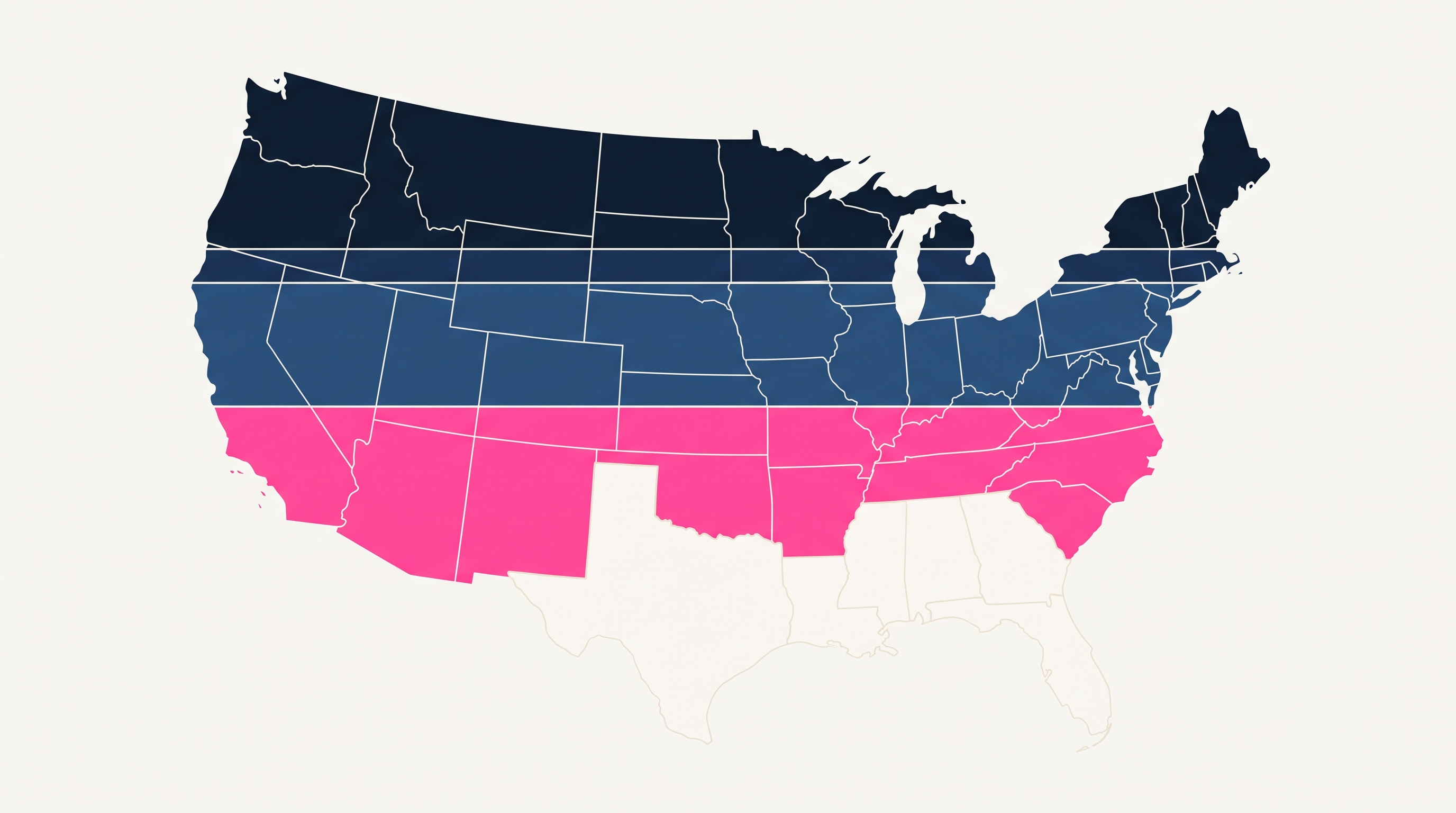
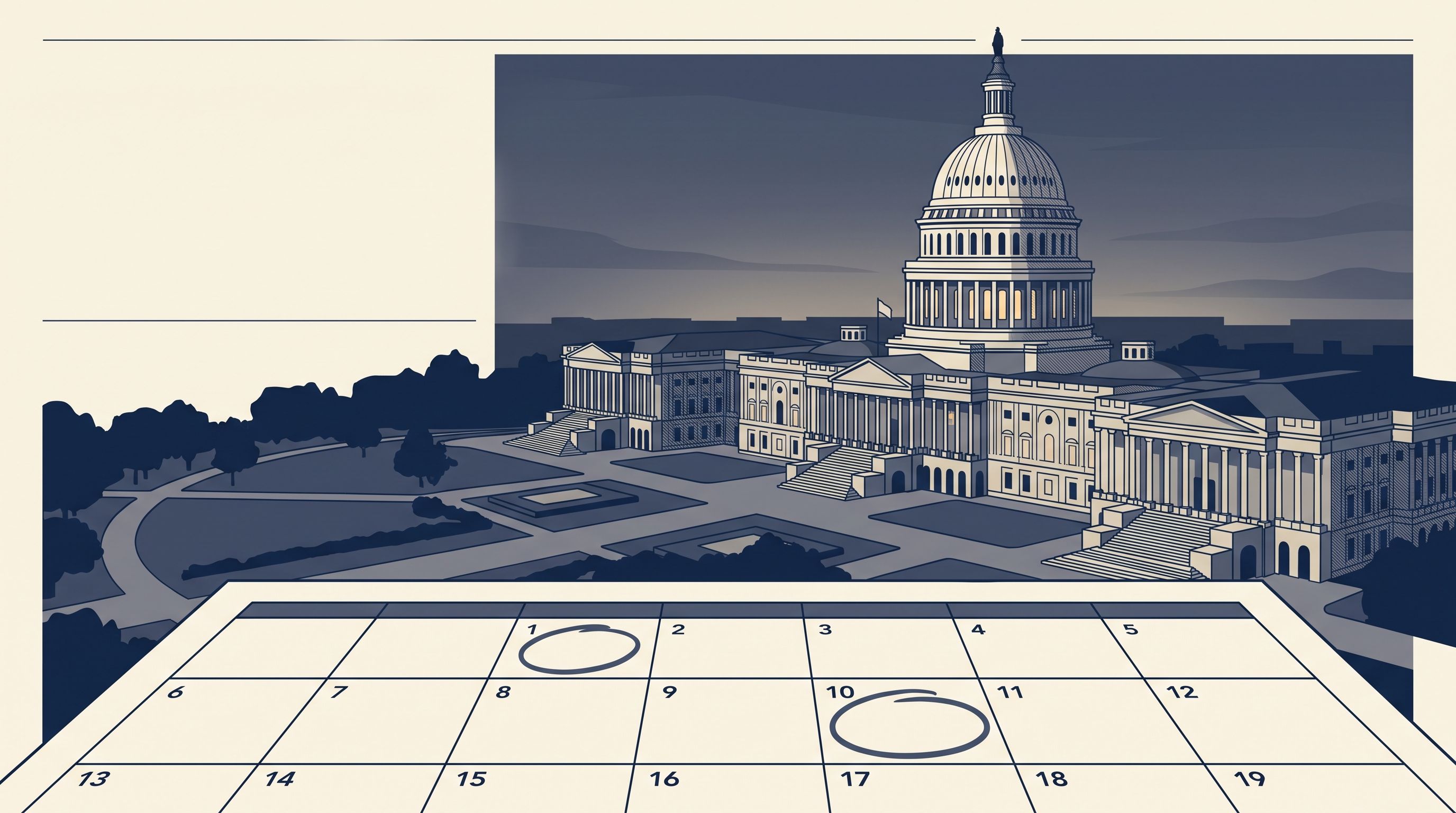
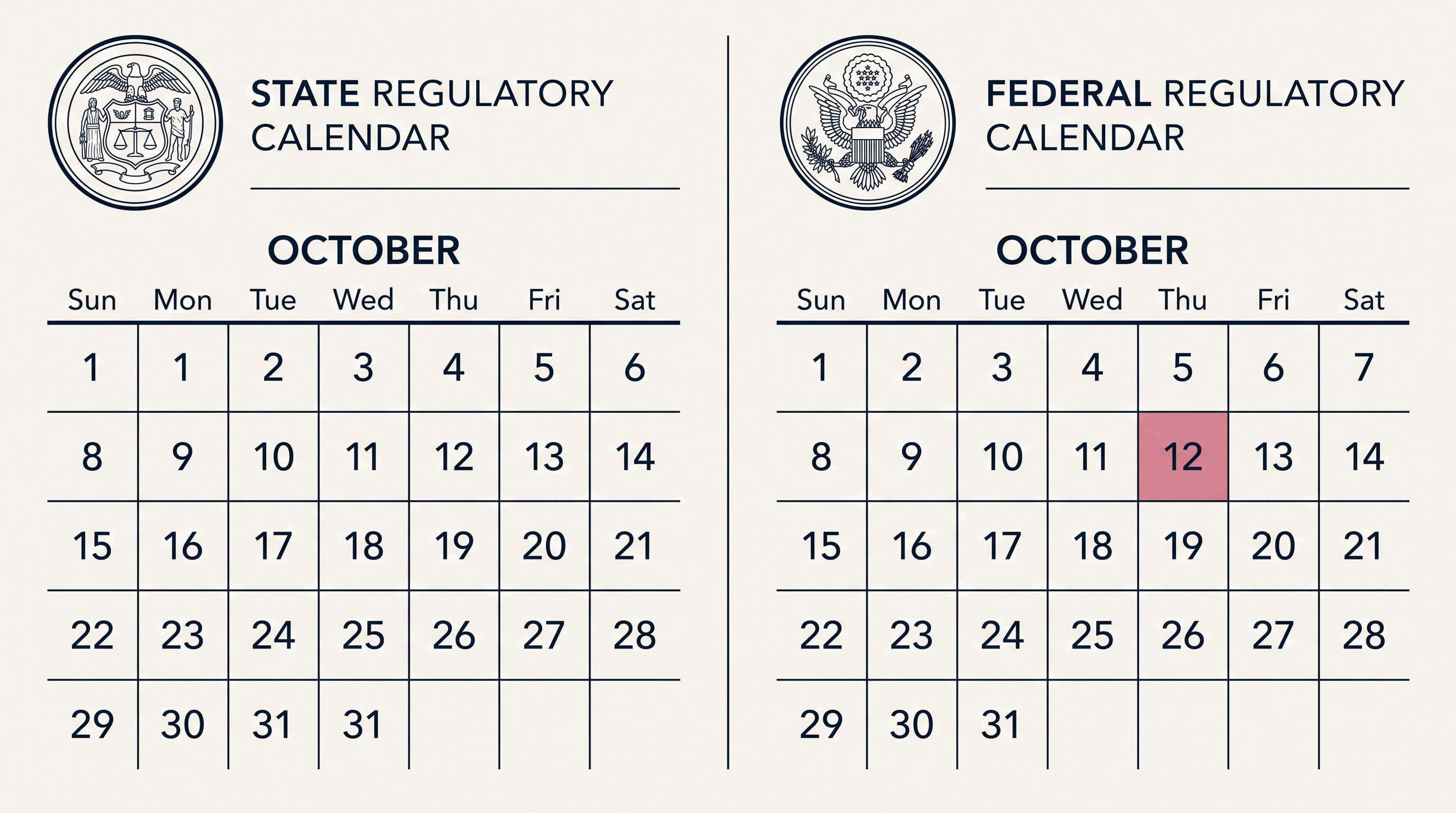
A state-by-state table of delta-8 legality in 2026 — plus the November 12 federal date, and why roughly half the states on the map may not follow it.
A camera pointed at a wall cost a Michigan processor two licences and $2 million. In Pennsylvania, the gas-station THC channel is now a corrupt-organizations case.
Two live obligations in one state — packaging rules already in force, and a draft that turns a missed MCA email into a lost conditional license. Comment closes September 30.
THC-P occurs naturally in trace amounts and is sold as a CBD-derived synthetic — and that combination puts it in a different federal bucket than most 'synthetics.' Here is how it compares with delta-9 THC on chemistry, law and testing.
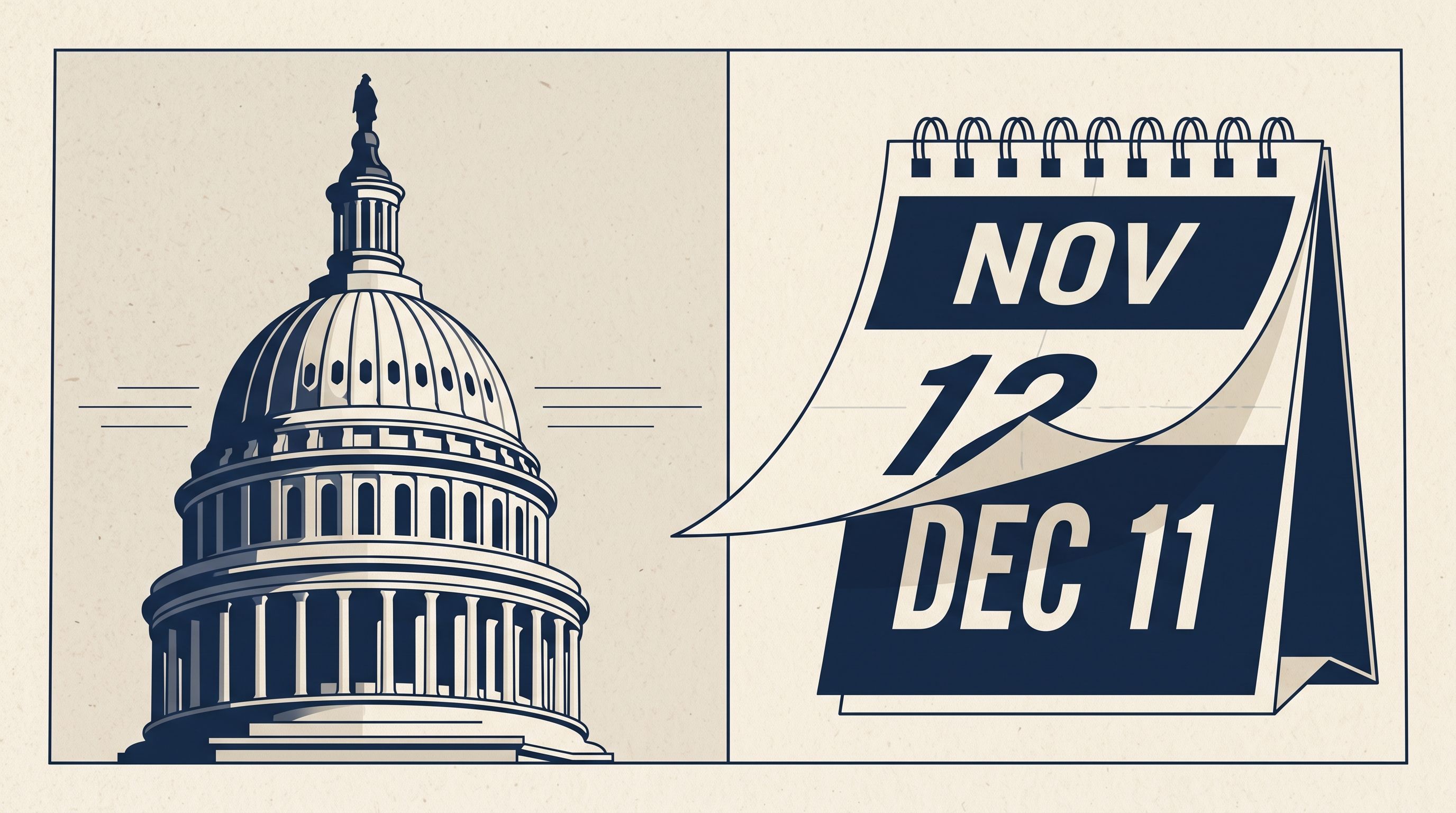
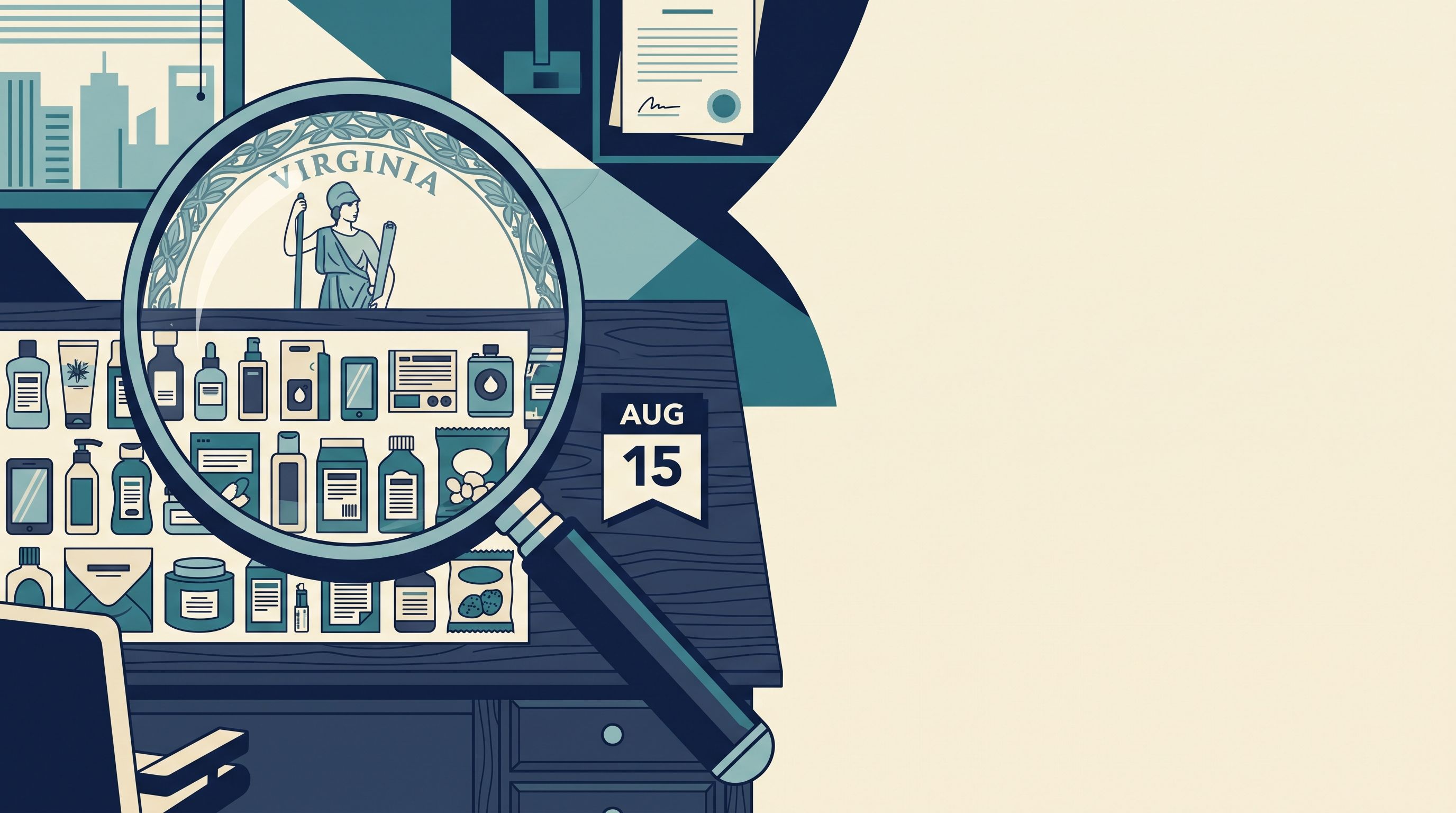
P.L. 119-103 moved most of the federal hemp redefinition to December 11 — but Missouri and Illinois still hit November 12, Virginia, Ohio and Texas already bind harder, and Square's October 15 date is the earliest of all.
AB 2249 is law. It writes an eight-part definition of "attractive to children" into the Business and Professions Code, operative January 1, 2028 — and the compliance tools it promises have no deadline. AB 2250's CBN-isolate carve-out still awaits a signature.
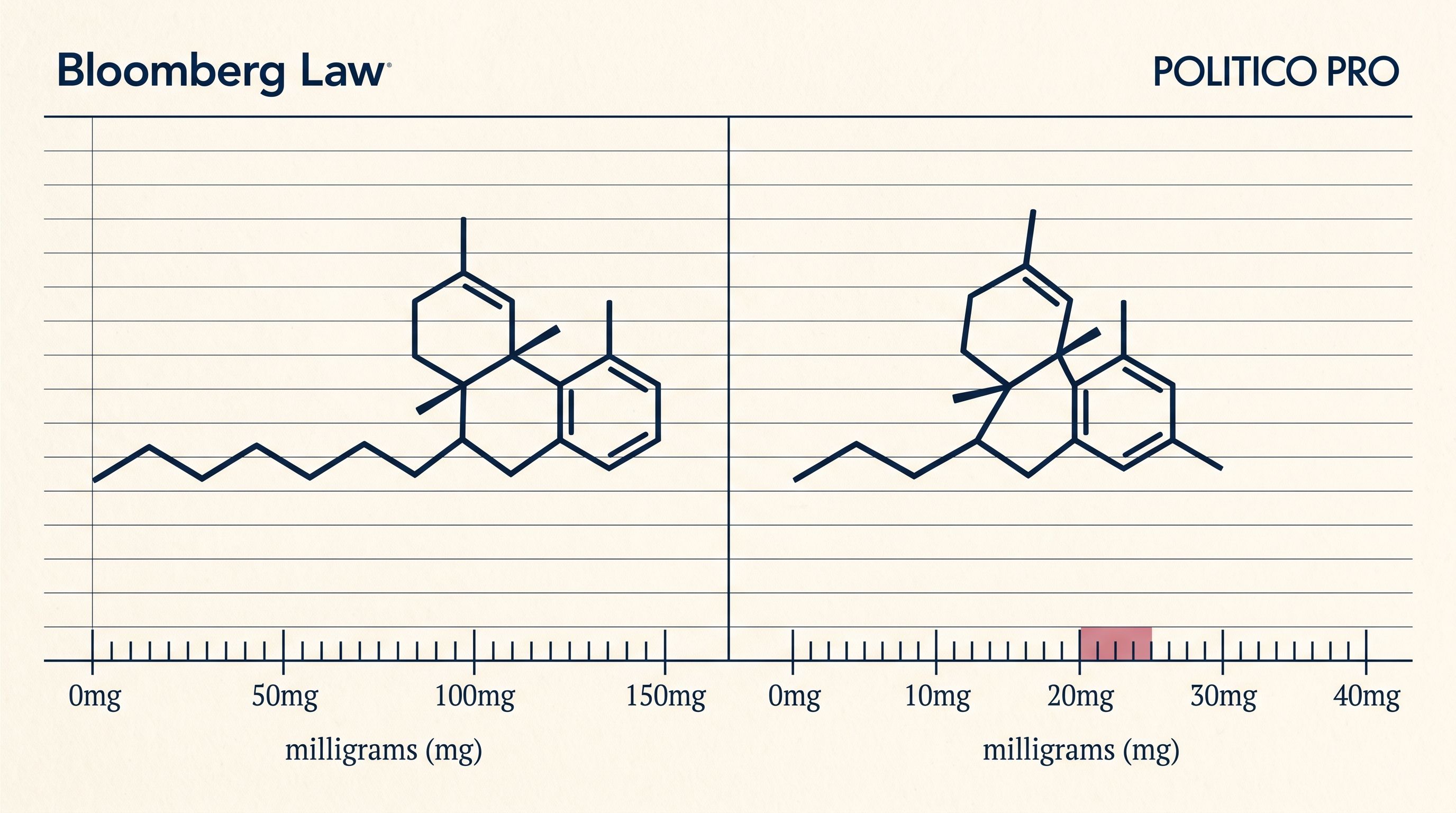
The 0.4 mg per-container cap is smaller than a single Delta-8 gummy. Seven trends operators should be tracking before the federal definition changes.
The more intoxicating cannabinoid has carried the lighter legal exposure. November 12 ends that — here is the comparison table operators actually need.
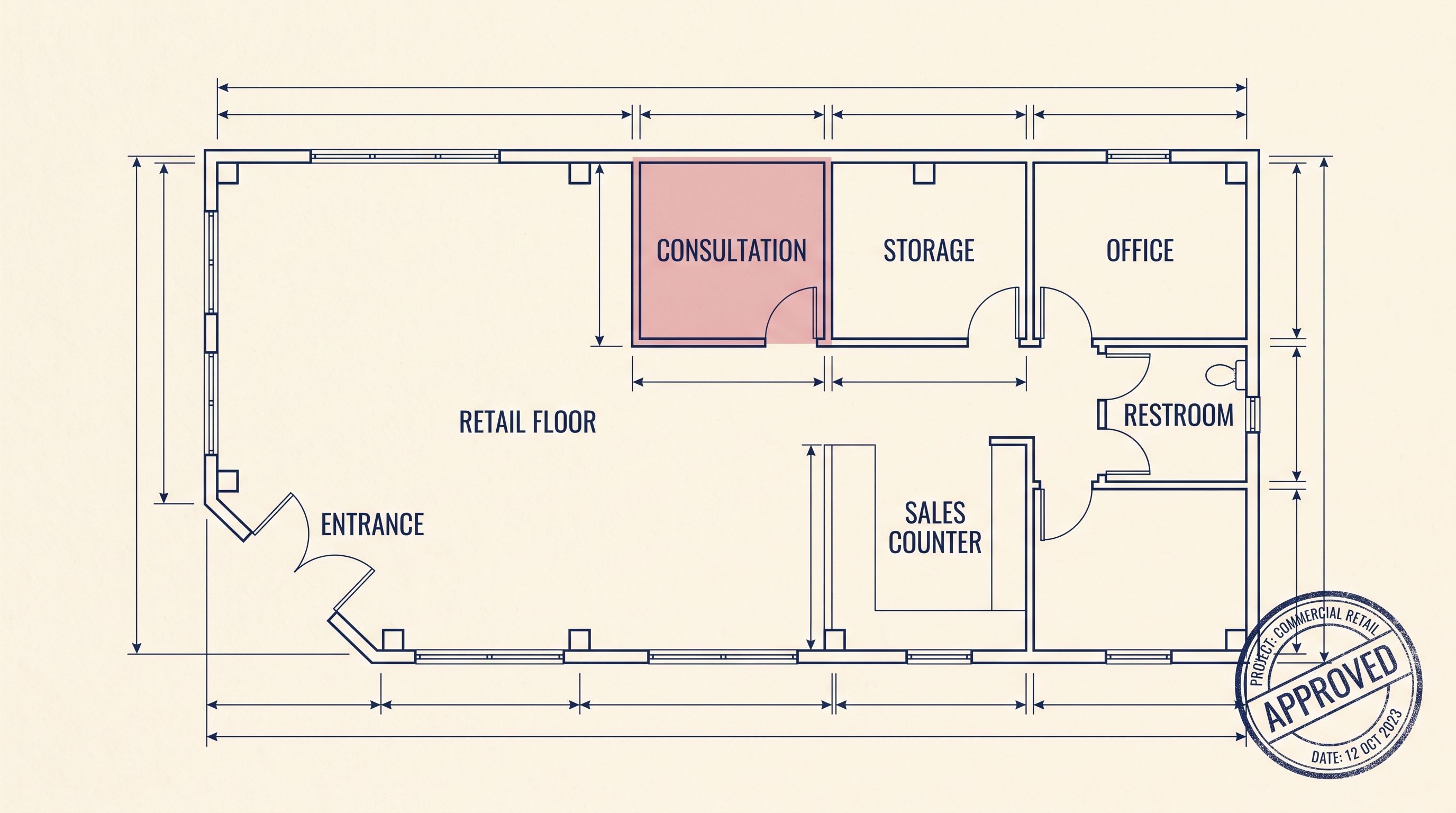
IDFPR posted the form. Any adult-use dispensary in good standing can add medical sales at the medical tax rate — if it can produce a floor plan and a zoning letter.
A third legal front opened in Travis County — this one aimed at how DSHS enforces, not just what the rules say. Plus the fee claim nobody is covering.
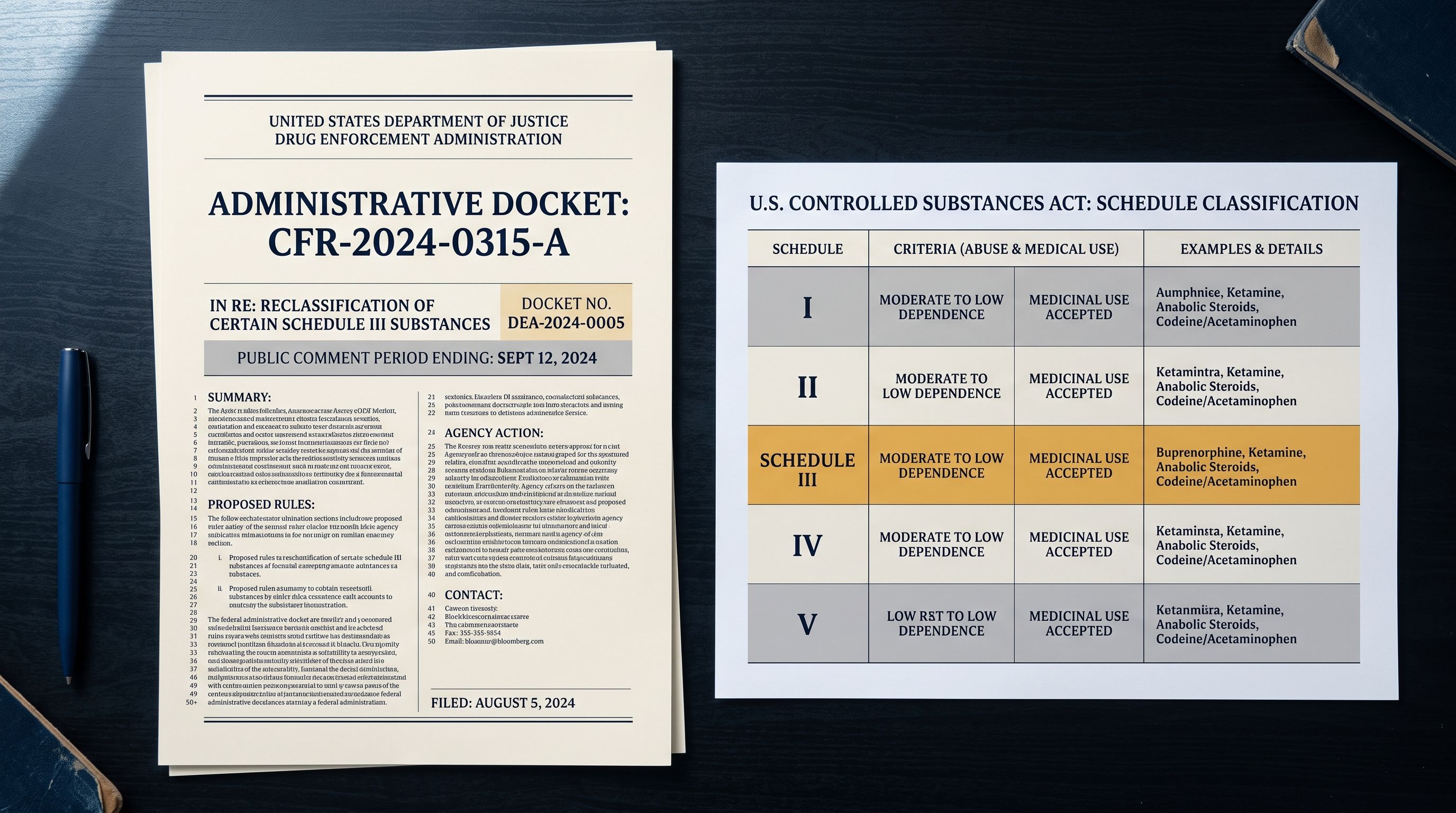
The agency that fought rescheduling for decades filed a brief asking its administrative law judge to recommend Schedule III. The recommendation is not the decision.
A federal judge declined to pause Virginia's 2 mg THC cap, and the strictest hemp limit in the country is now in force. The operator playbook, updated.
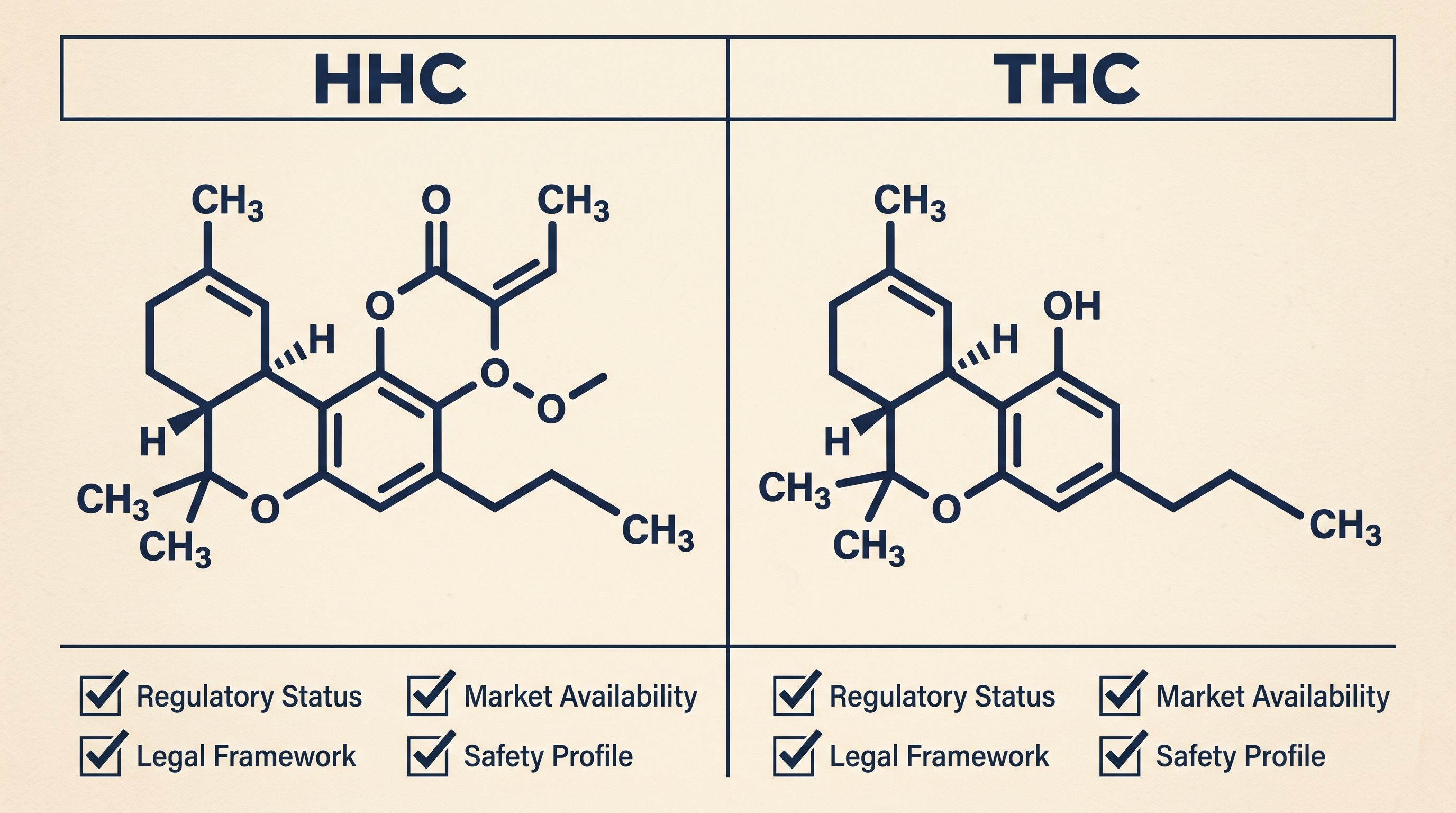
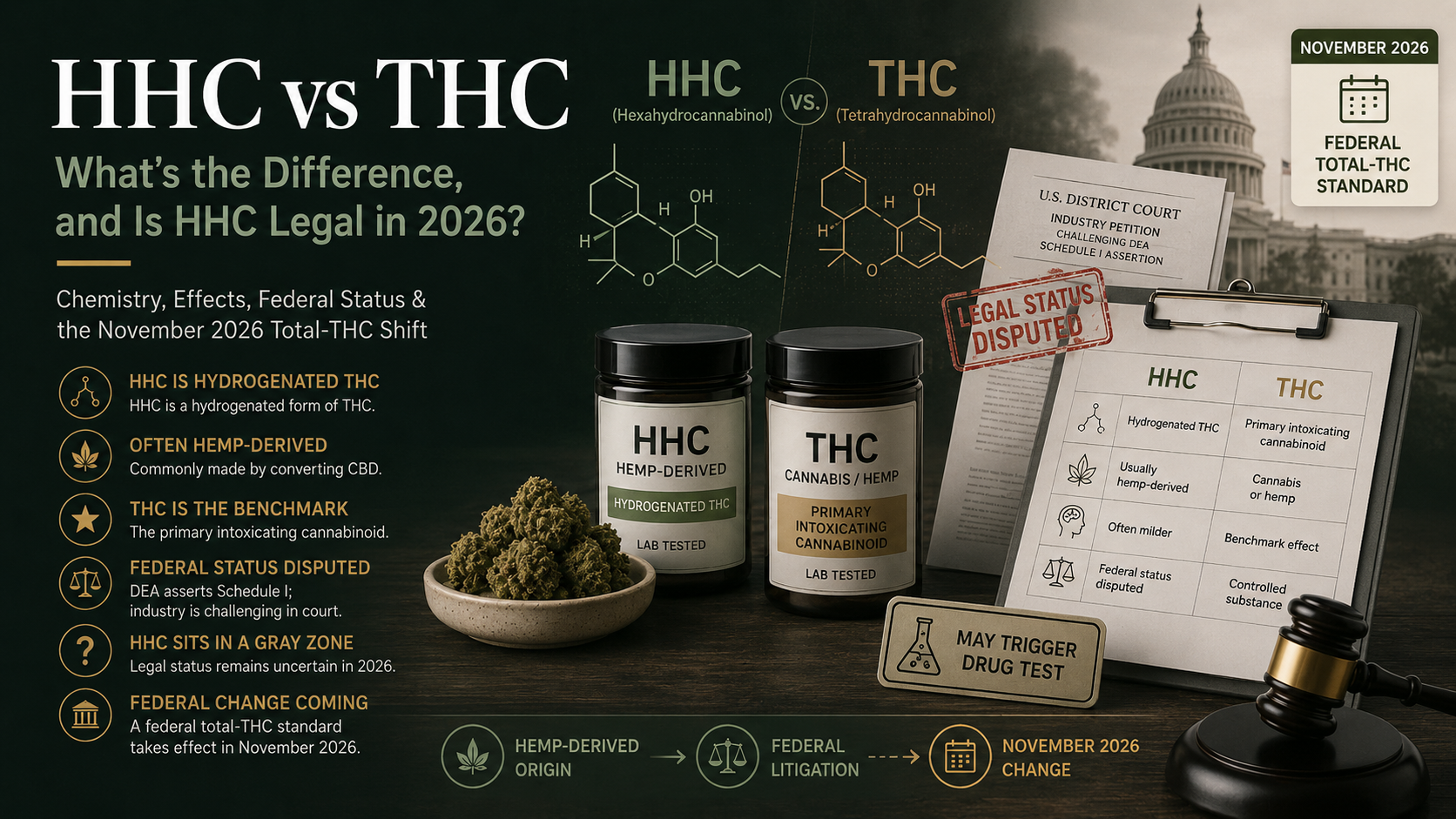
HHC and THC differ by one chemical step — and a widening legal gap. What the 2026 federal changes mean for each, state by state.
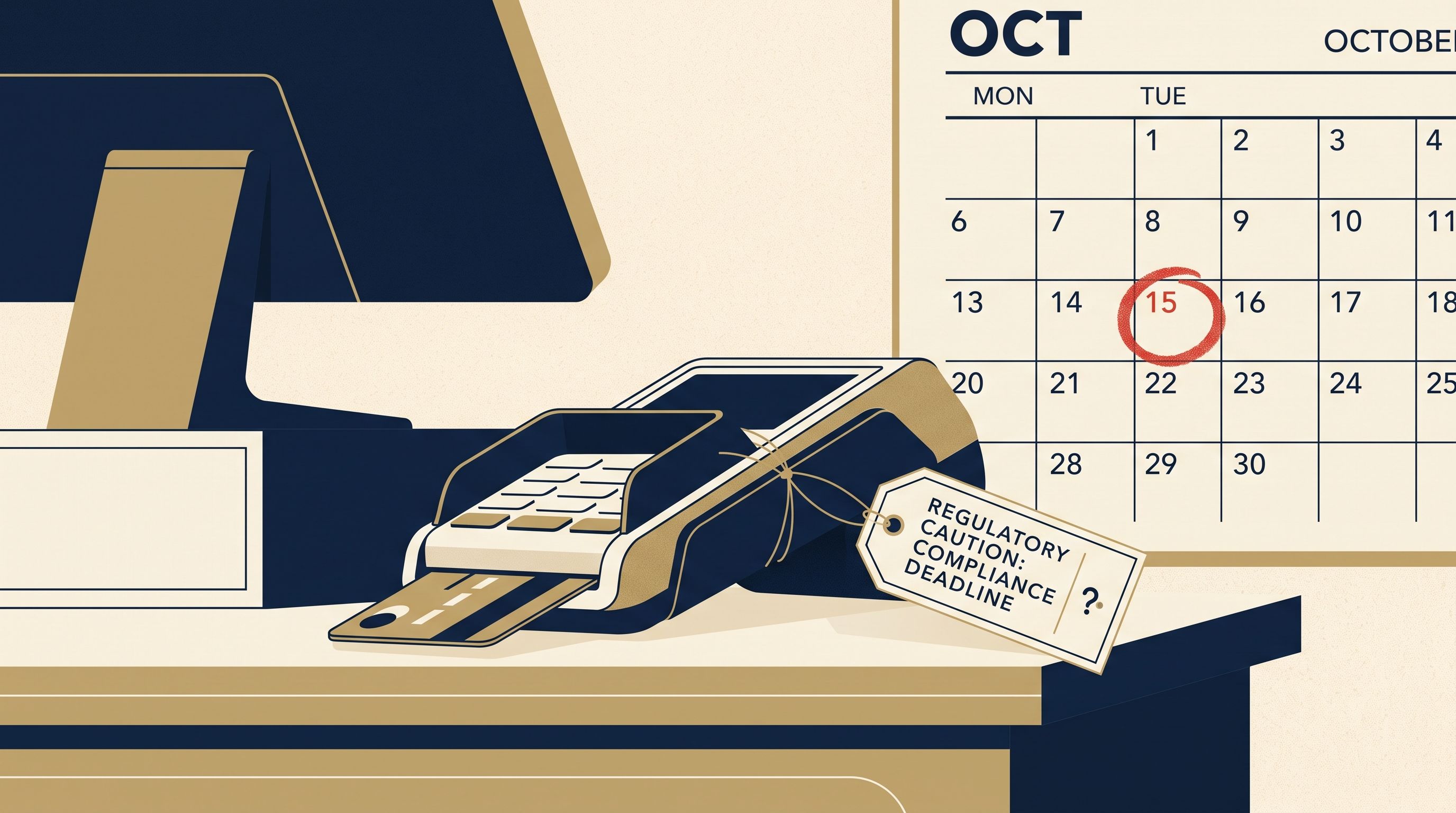
Square told merchants to pull CBD and hemp items by October 15 — a private deadline that lands before the federal ban, delay or not.
Signed the day it was presented, P.L. 119-103 moves the total-THC redefinition and the 0.4 mg cap to December 11 — and leaves non-naturally-producible cannabinoids on November 12.
A new AG enforcement unit, a federal lawsuit, and a 2 mg cap all land in the same month. Virginia hemp retail is about to be the most-watched market in the country.
The Texas Supreme Court cleared DSHS to enforce its 2021 schedule — and on July 31, most hemp THC products became Schedule I. Here are the ten facts that matter.
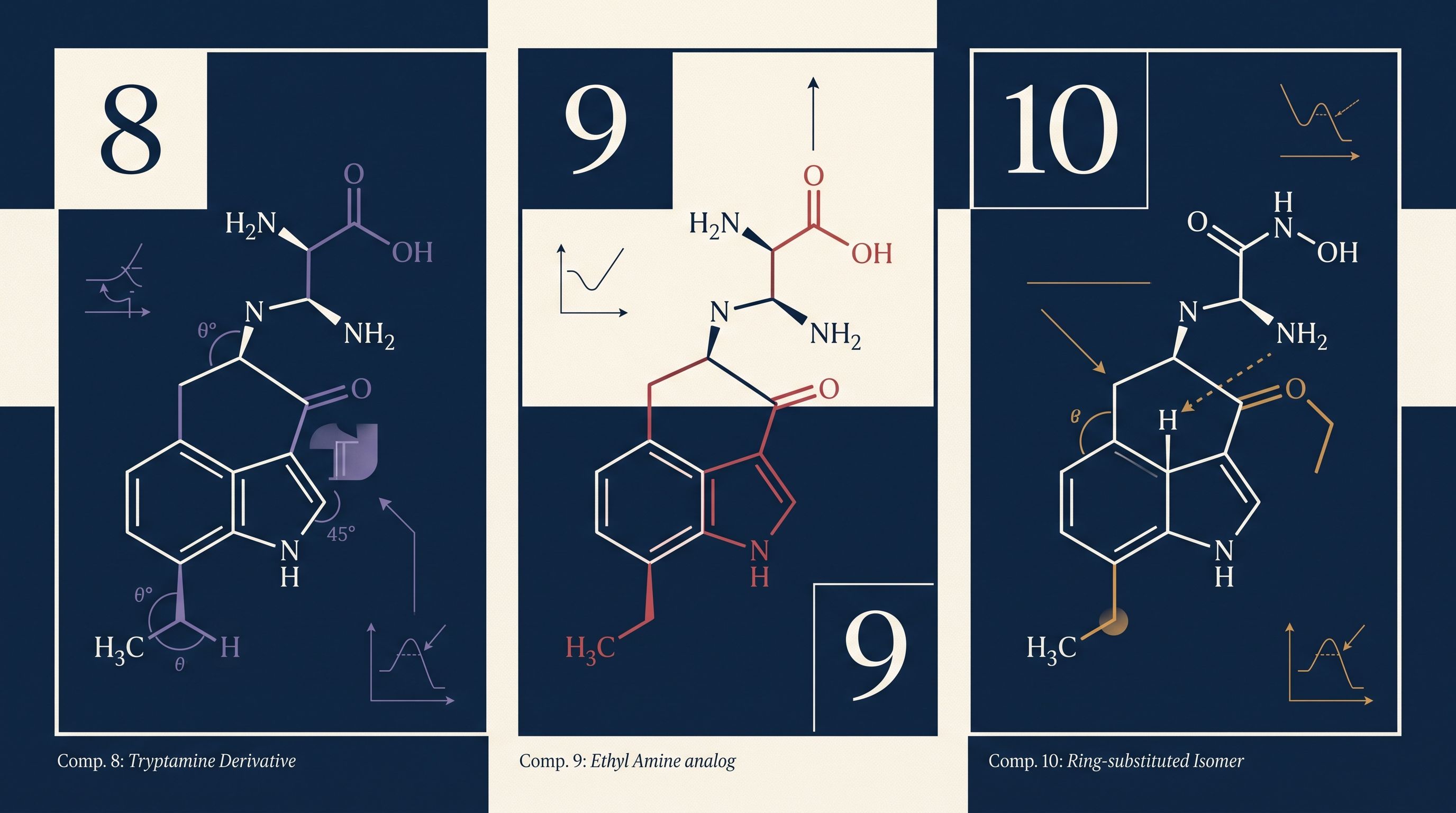
Three THC isomers, three legal stories. Which is strongest, which states ban which, and what November 12 changes for all of them.
Three weeks before Virginia's 2 mg cap bites, hemp businesses say they'll ask a court to stop it — borrowing the playbook that half-worked in Ohio.
Barr and Craig filed the first real vehicle to avert November 12 — with a 1% total THC standard and alcohol-style rules for THC drinks. THCA flower is left out.
CAOA was filed July 16 with a hemp-recriminalization block. Sen. Sheehy says a bipartisan fix can pass. Four months out, here are the realistic paths.
HHC and Delta-8 look similar on a shelf but sit in different legal worlds. How federal scheduling and state law treat each cannabinoid in 2026.
Though HHC and HHC-A share a chemical lineage, they are distinct compounds with different potency levels and legal statuses. Understanding the gap between "not yet illegal" and "confirmed legal" is essential for any consumer navigating today's complex cannabinoid market.
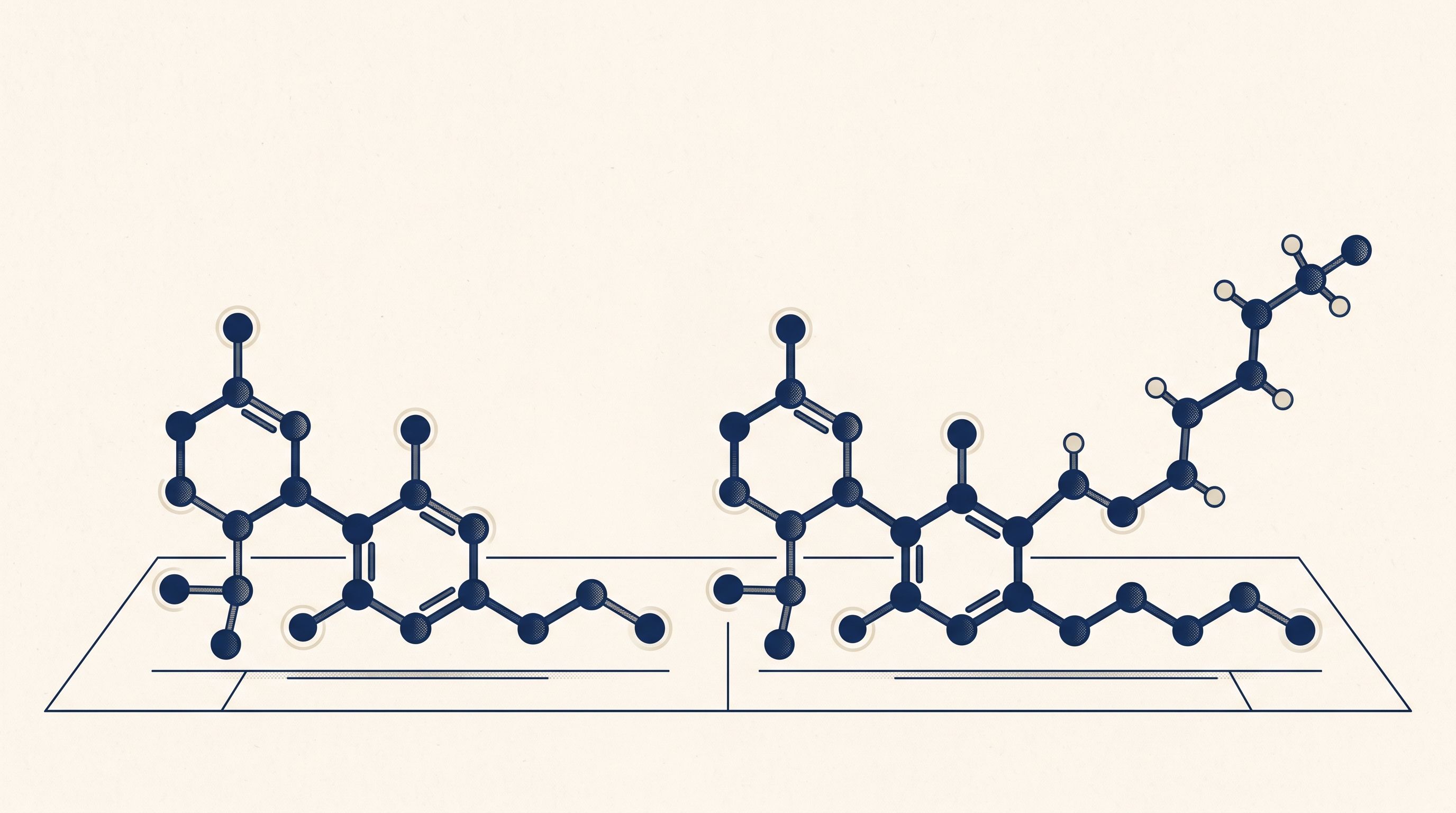
A regulatory-first comparison of Delta-8 and Delta-9 THC: legality, potency, sourcing, and compliance differences in 2026.
DEA says the company challenging its HHC rule has no standing, and that HHC stays Schedule I either way. The delay fight does not change that.
A regulatory guide to HHC vs THC: what HHC is, how it compares with delta-9 THC, and where its contested legal status stands in 2026.
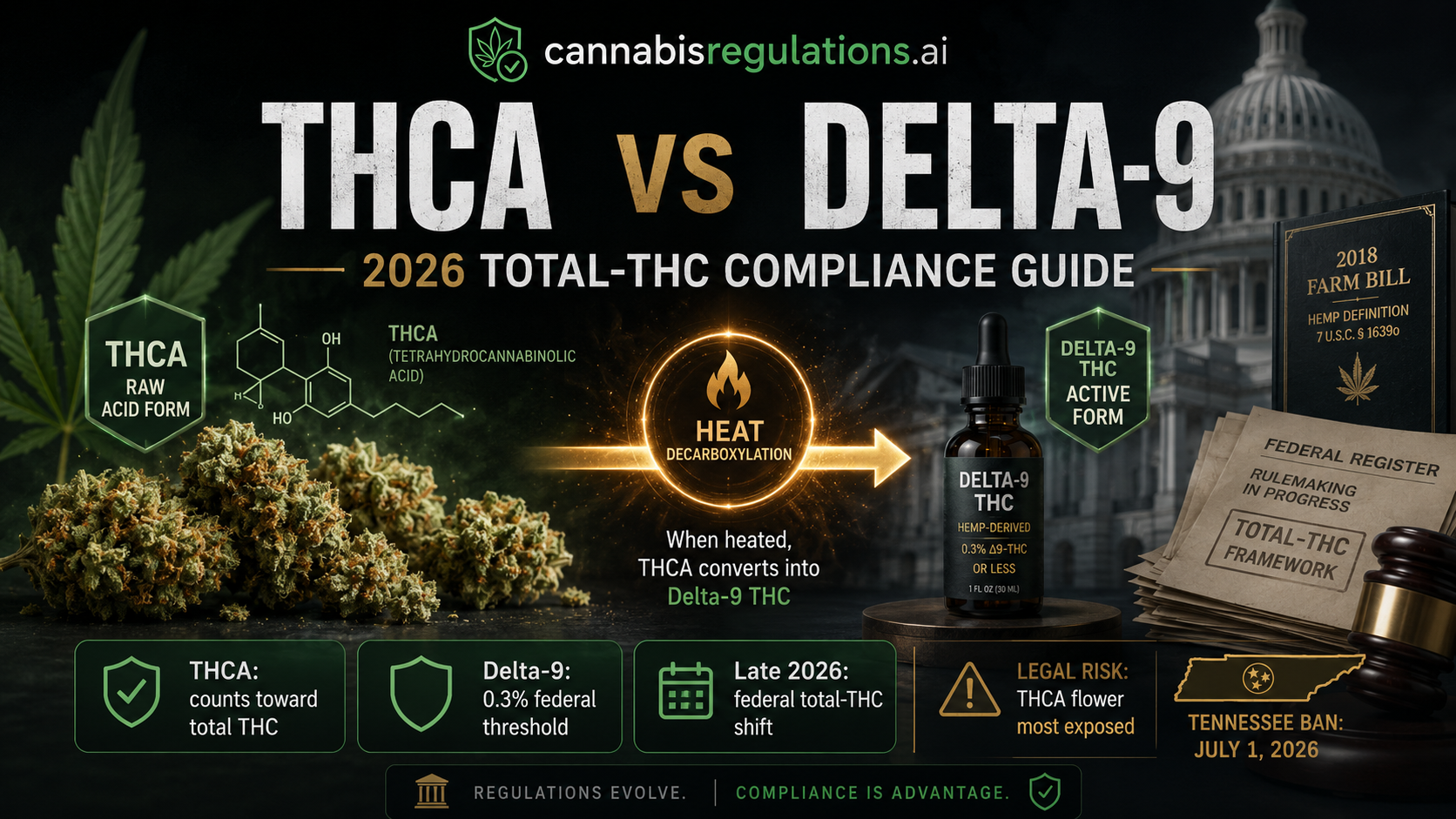
THCA converts to delta-9 THC when heated. Here's how the law treats each and why the 2026 total-THC standard reshapes the THCA flower market.
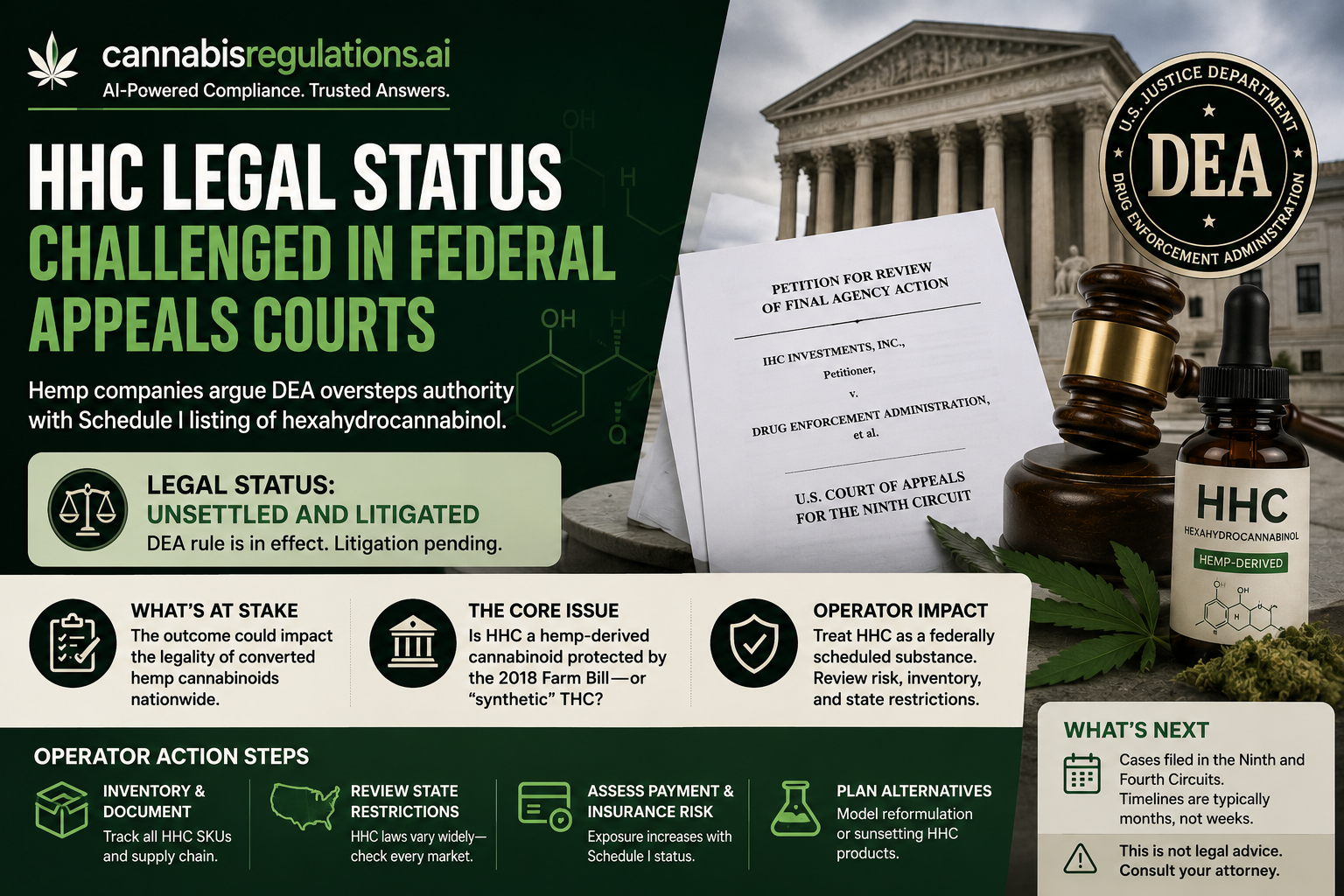
Hemp companies have petitioned the Ninth and Fourth Circuits to overturn the DEA's Schedule I listing of HHC. Here's what HHC operators should do now.
Consumer-facing hemp shipping in 2026: what's mailable through USPS, UPS, and FedEx, which destination states refuse delivery, what the November 12 federal hemp redefinition removes from the mailable category, and what happens if a package is seized.
North Carolina's crackdown slipped past the election. The federal hemp definition did not. What NC retailers can sell now and which date changes first.
Flavored ban, disposable rules, hemp vs. cannabis vapes — the 2026 California vape law picture in one guide. Updated August 2026.
Texas hemp operators face TABC rule finalization, a March 31 smokable product ban, and HB 46 medical cannabis expansion reshaping the 2026 market.
Vape hardware sourcing now requires conflict minerals diligence on smelters, refiners, battery components, and contract manufacturers across global electronics.
New Jersey's S4509, signed January 2026, ends the intoxicating-hemp grey market with a licensing regime, age gates, and a fundamental compliance reset.
Canada 2025 Extended Producer Responsibility rules pull battery-powered cannabis vape devices into PRO enrollment, take-back, and SKU-level battery reporting.
Wisconsin gave hemp vape devices a directory carveout delaying the sell prohibition to July 1, 2026 and dollar-per-day forfeitures to September 1, 2026.
Quebec Bill 96 became fully operational on 1 June 2025, requiring French-predominant labels and trademark translation review for THC drinks and vape products.
Quebec SQDC launched cannabis vape sales on 26 November 2025 under a 30 percent THC concentration cap and a framework allowing only cannabis terpenes.
California Proposition 65 exposure on vape hardware in 2025 demands a procurement-led lead-free program with wetted-part controls and lot-level verification.
EU General Product Safety Regulation 2023/988 has applied since 13 December 2024, imposing product-page disclosures and EU economic operator coverage.
EU Regulation 2023/1542 brings producer responsibility, labeling, and forthcoming battery passport duties to vape device brands selling into Member States.
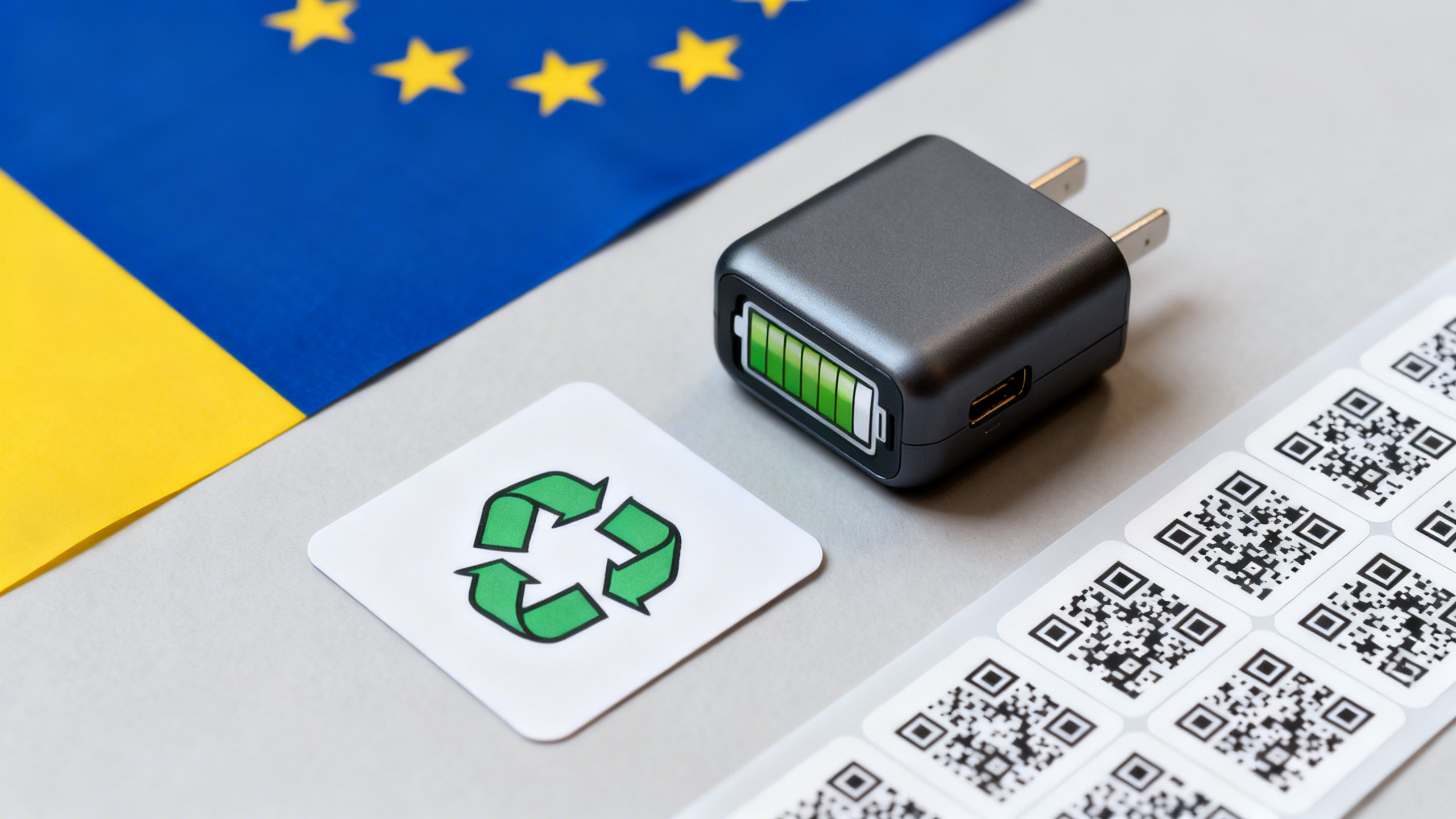
EU Regulation 2023/1542 brings producer EPR registration, QR labeling, and take-back duties to rechargeable vape devices on EU markets in 2025 and 2026.
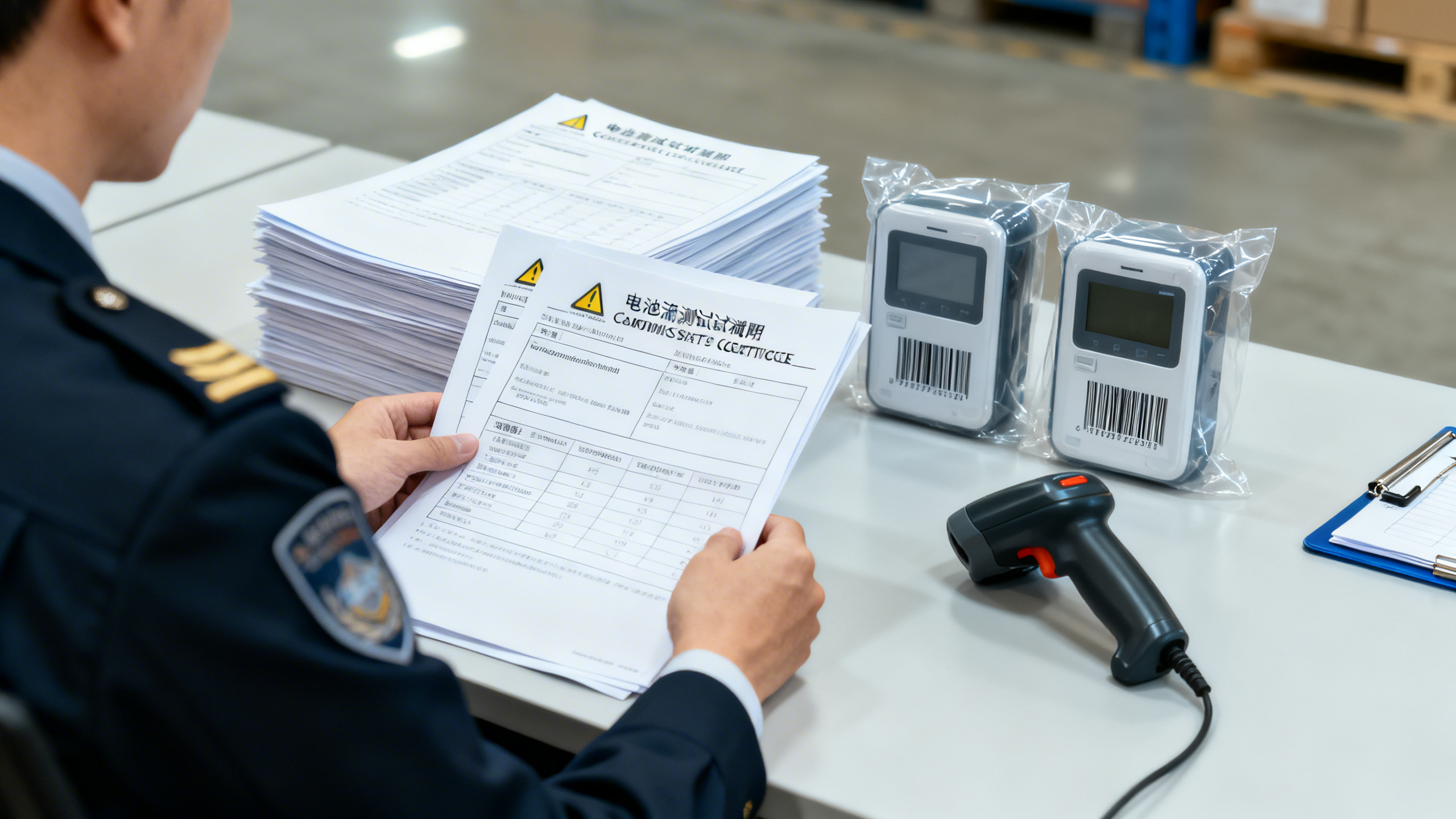
Cannabis and hemp vape retailers in 2025 face tighter due diligence demanding UL 8139 device certification, IEC 62133-2 cells, and UN 38.3 transport.
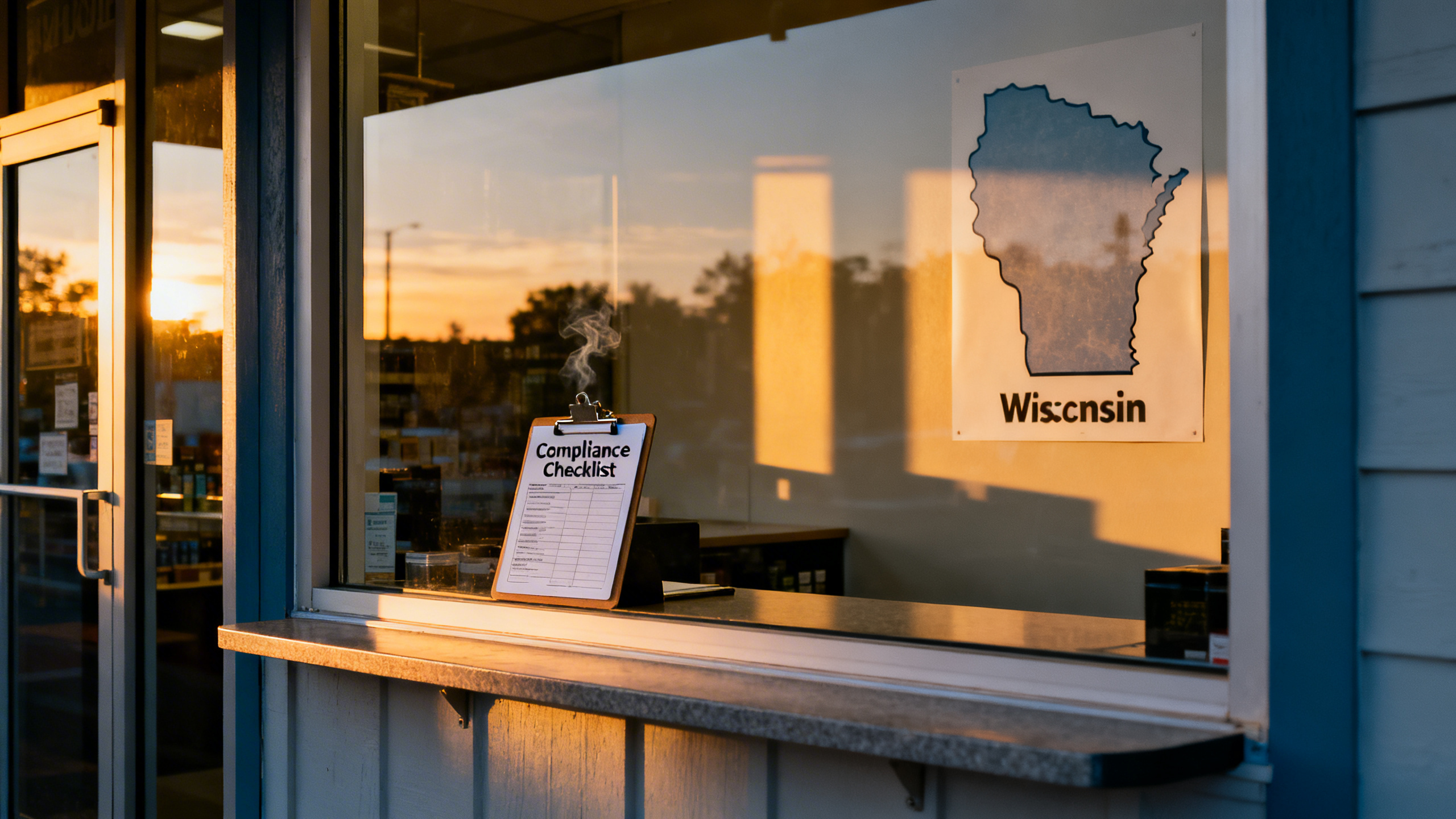
Wisconsin's hemp Electronic Vaping Device Directory takes effect July 1, 2026 with $1,000 per device per day forfeitures starting September 1, 2026.
UL 8139, IEC 62133-2, and UN 38.3 form the 2025 procurement spec retailers should demand from THC vape suppliers to survive carrier and hazmat rules.
PHMSA's July 1, 2025 package of 17 lithium battery NPRMs reshapes vape device reverse logistics, hazmat training, and 3PL returns workflows through 2026.
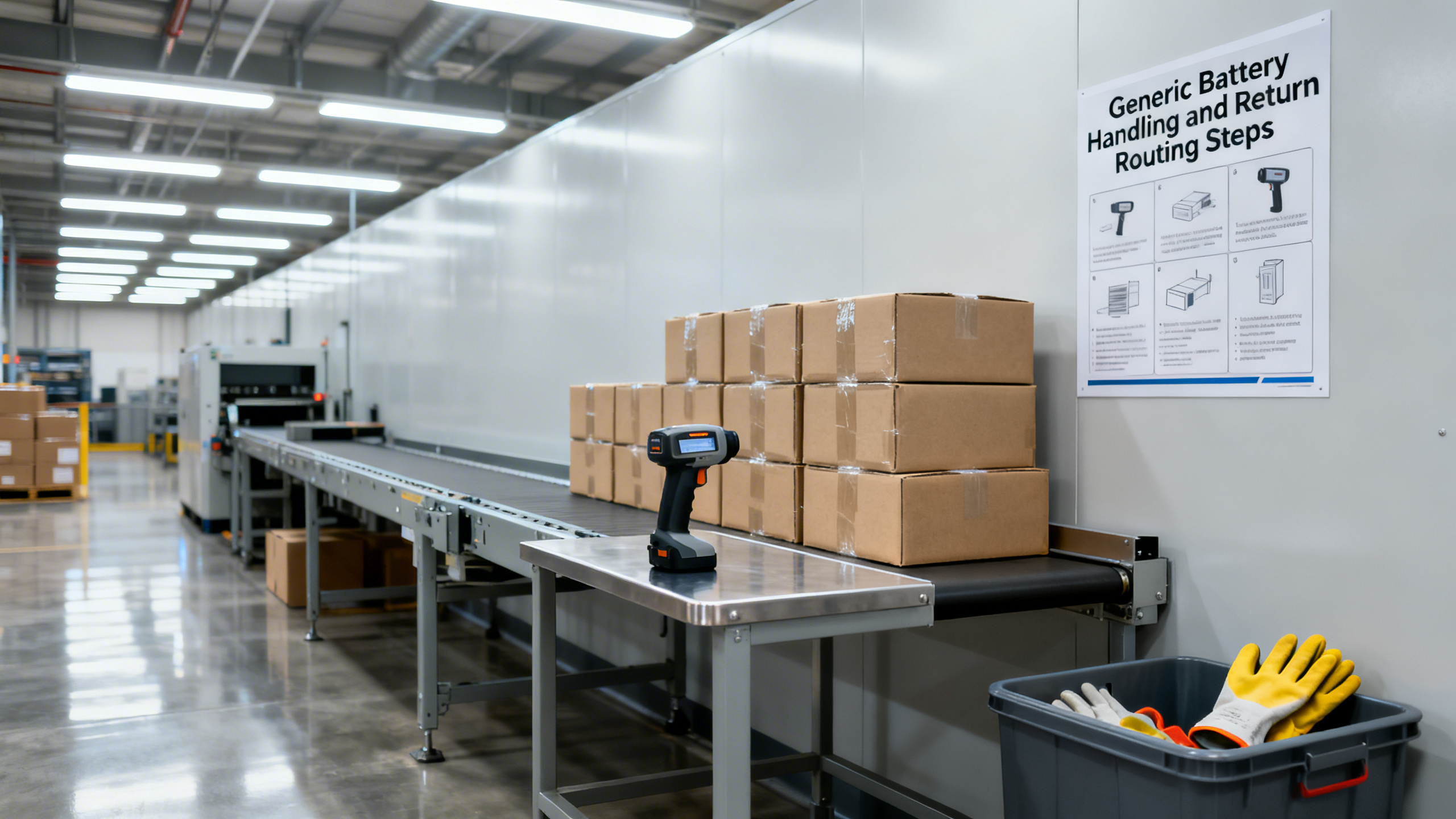
Hemp retailers in 2025 face a reverse-logistics squeeze as parcel carriers refuse universal-waste vape returns and federal lithium battery rules tighten.
CBP, FDA, and USPS intensified 2025 de minimis enforcement against vape device imports, raising new compliance and seizure risk for hemp hardware buyers.
California AB 2440 phases in battery EPR fees and collection duties for vape devices from 2025 to 2027, repealing the prior Rechargeable Battery Recycling Act.
TSA updated its medical-marijuana page on April 27, 2026, one day before Schedule III took effect for state-licensed medical. Here is what changed for hemp, CBD, and medical-cannabis travelers — and the November 12 hemp cliff that resets everything.
Texas Executive Order GA-56 in September 2025 bans hemp-derived THC sales to minors, mandates ID checks, and adds DSHS and TABC enforcement on consumable hemp.
PHMSA's lithium battery rulemaking and FAA guidance reshape how THC and CBD vape shipments must be packaged, labeled, and manifested in 2025-2026.
ASTM D37's new vape ingredient safety standard sets rules for terpenes and flavorants, raising retailer liability for non-conforming cannabis vapes.
USPS revoked B2B vape shipping privileges for non-compliant distributors in August 2025. What hemp THC operators must do to avoid seizures and account loss.
USPS Pub 52 § 453.37 allows hemp mailing in 2026 with self-certification. IMmb labels mandatory since Jan 2025. Vape devices banned under PACT Act.
No — THCA is illegal outside Michigan's licensed cannabis system in 2026. CRA treats it as marijuana, not hemp. Retailer & consumer rules inside.
No — THCA smokables are a Class C felony in Alabama under HB 445 (July 2025). Edibles allowed under 10mg/serving, 40mg/package. ABC Board license required.
No — DTC hemp vape shipping is banned in 2026 under the PACT Act. USPS, UPS, FedEx, and DHL all refuse. B2B is allowed with ATF registration & tax reporting.
South Carolina HB 3935, HB 3924, and HB 4004 introduce 2025 licensing, on-premise bans, and age-21 sales rules for hemp-derived edibles, beverages, and vapes.
Missouri SB 518 would let low-dose hemp-derived THC beverages stay in retail while restricting intoxicating edibles and vapes to licensed dispensaries.
Texas's September 2025 THC vape ban covers delta-8 and other hemp cannabinoids, and pending delta-8 litigation forces retailers to overhaul compliance plans.
Conservative U.S. states are tightening hemp laws in 2025, restricting intoxicating cannabinoids and raising compliance bars for operators and investors.
Answer your real world compliance questions (limited time) and save thousands in legal fees and avoided fines.