

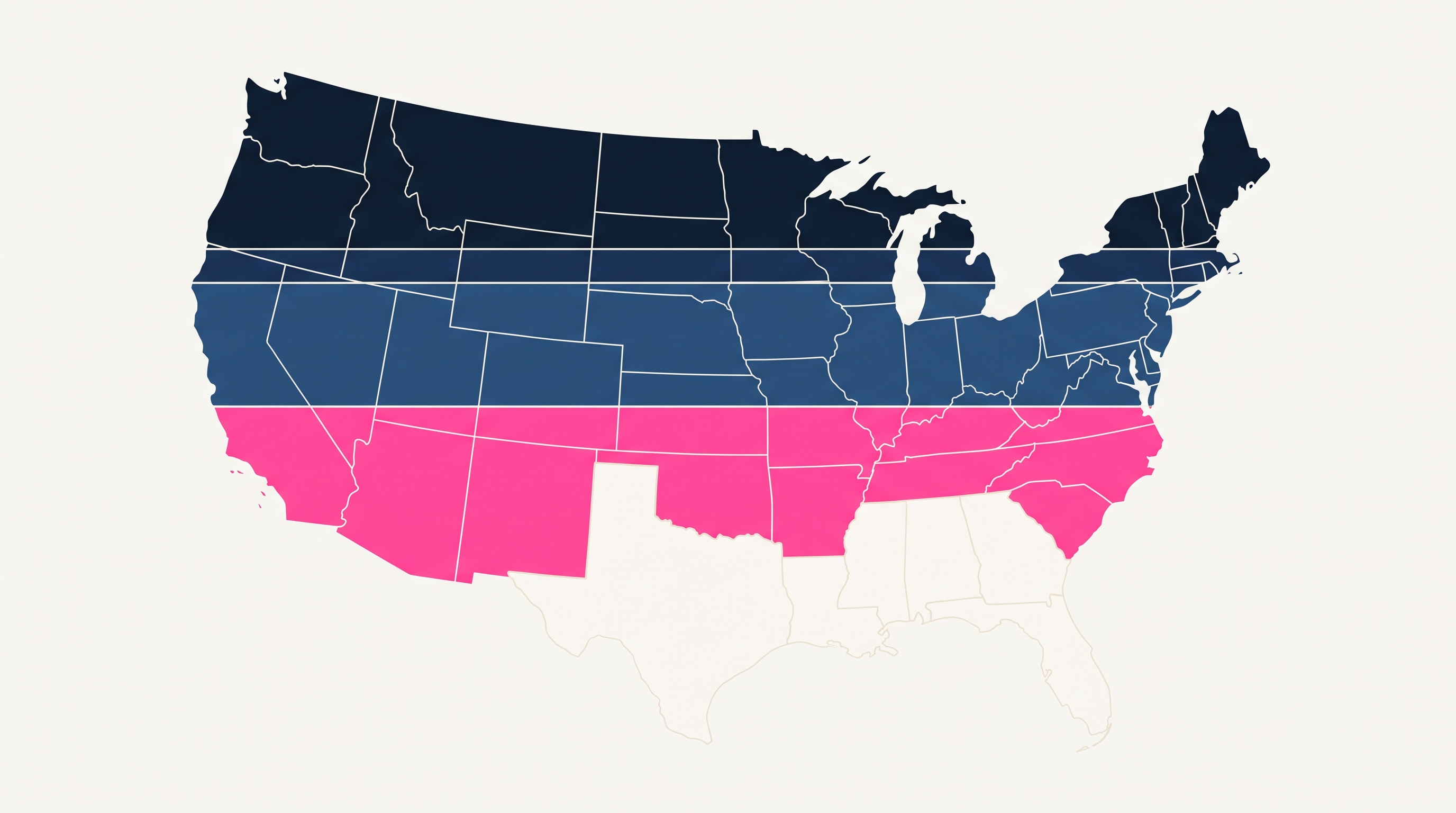
August 26, 2026

Thank you! Your submission has been received!
Oops! Something went wrong while submitting the form.

The Illinois Department of Financial and Professional Regulation has posted the application that lets any adult-use dispensary add medical sales, and the filing window opens September 10, 2026. The authority comes from Public Act 104-0463, the enacted form of SB 3222, which Governor JB Pritzker signed on June 12, 2026. Any adult-use dispensary holding an active license in good standing may opt in for a Medical Cannabis Dispensing Organization license — known around the industry as the "15-37 license," after the section of the bill that created it.
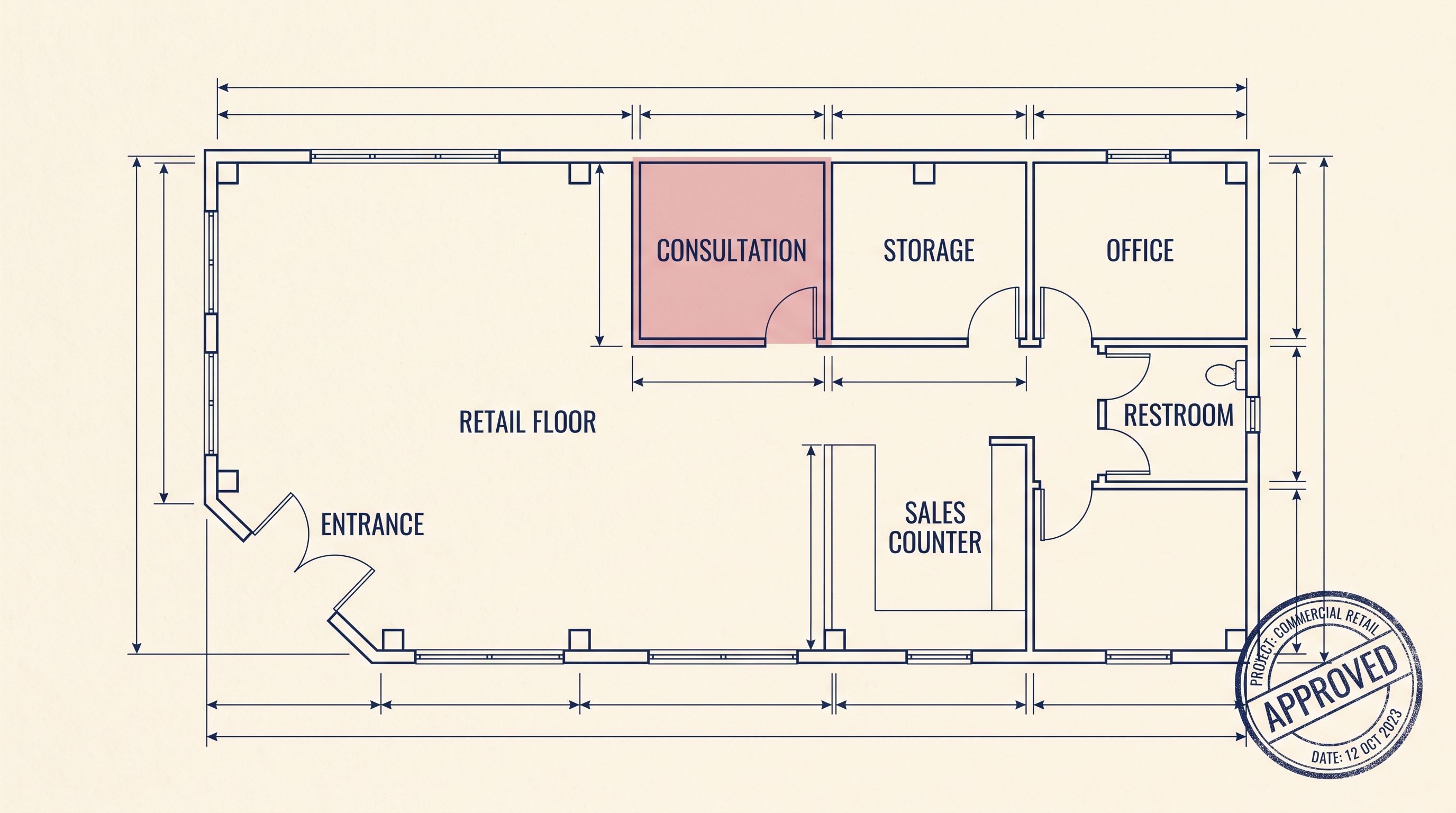
The five-page form asks for four things beyond the basics: a floor plan showing a dedicated medical consultation area, zoning documentation, a patient-prioritization plan, and compliance attestations. The fee is $5,000. Applications must be submitted at least 30 days before the dispensary's planned implementation date.
What the license buys is a tax rate. An opted-in dispensary may sell to registered medical patients at the medical tax rate rather than the adult-use rate, up to each patient's allotment. The agency is IDFPR — the Illinois Department of Financial and Professional Regulation. It is not IDPH, which administers the patient registry, and it is not a cannabis control commission; Illinois does not have one. Applications filed to the wrong agency will not be redirected for you.
The statute is enacted and the form is published. Nothing about the legal framework is in dispute. What is unsettled is entirely operational: no dispensary has opted in yet, because the window has not opened, so there is no worked example of how IDFPR reviews a floor plan or what documentation satisfies the zoning requirement. The first cohort of applicants will establish that in practice.
This sits inside a much larger rewrite. Illinois's broader cannabis and hemp overhaul changed possession limits, retail formats and hemp rules in the same session, and the medical opt-in is one provision among many.
Read the requirements in order of who controls them. The fee is yours. The patient-prioritization plan is yours. The floor plan is yours, subject to a build. The zoning documentation is not yours at all — it is issued by a municipality on the municipality's schedule.
Stack that against the 30-day pre-implementation filing rule and the real sequence emerges: municipal zoning letter, then build or reallocate the consultation area, then file, then wait 30 days, then sell. An operator treating September 10 as the deadline has the calendar backwards. September 10 is the earliest date the state will accept paperwork it cannot produce for you. The clock that governs started whenever your municipality's planning department last answered the phone, and for most operators that clock should already be running.
This is not legal advice, and zoning in particular is intensely local. Talk to your counsel.
Illinois is bolting a medical channel onto an adult-use license. California went the other direction: the Department of Cannabis Control opened an expedited path to split adult-use and medical designations on an existing license. California's A/M license split is worth reading as the mirror image — separating what Illinois is merging, and running into the same question of which physical space serves which customer.
New Jersey supplies the other precedent. The Cannabis Regulatory Commission's consumption-lounge rollout is the closest recent analogue to a floor-plan-dependent license add-on, and how New Jersey's lounge permitting actually played out is the best available estimate of how long municipal sign-off takes when a state agency and a local planning board both have to say yes. Illinois operators sizing the build should budget from that experience rather than from IDFPR's calendar.
| Feature | Adult-use only | Opted-in dual license |
|---|---|---|
| Tax rate applied | Adult-use rate on all sales | Medical rate for registered patients; adult-use rate for everyone else |
| Customer eligibility | Any adult purchaser | Adds registered medical patients at the medical rate |
| Purchase limits | Adult-use possession limits | Patient purchases capped at the patient's allotment |
| Physical requirement | None beyond existing retail build | Dedicated medical consultation area shown on a floor plan |
| Cost and lead time to add | n/a | $5,000 application fee, zoning documentation, and filing at least 30 days before implementation |
Illinois has been adjusting cannabis tax treatment on more than one front; the state's THC beverage tax under SB 1766 is the other recent change worth checking against your product mix.
When can Illinois dispensaries apply for a medical license?
Applications open September 10, 2026. IDFPR posted the five-page "15-37" application form in late August 2026.
How much does the Illinois medical dispensing organization application cost?
The application fee is $5,000, separate from any build-out cost for the required medical consultation area.
Which Illinois dispensaries are eligible?
Any adult-use dispensary holding an active license in good standing may opt in under Public Act 104-0463 (SB 3222), signed June 12, 2026.
What does the Illinois medical opt-in application require?
A floor plan showing a dedicated medical consultation area, zoning documentation, a patient-prioritization plan, compliance attestations, and the $5,000 fee. It must be filed at least 30 days before the planned implementation date.
Do Illinois medical patients pay a lower tax rate?
Yes. Registered patients purchase at the medical tax rate rather than the adult-use rate, up to each patient's allotment.
Which agency handles the Illinois medical dispensary opt-in?
The Illinois Department of Financial and Professional Regulation. IDPH administers the patient registry separately, and Illinois has no cannabis control commission.
This is regulatory journalism, not legal advice — talk to your counsel.
The Illinois Department of Financial and Professional Regulation has posted the application that lets any adult-use dispensary add medical sales, and the filing window opens September 10, 2026. The authority comes from Public Act 104-0463, the enacted form of SB 3222, which Governor JB Pritzker signed on June 12, 2026. Any adult-use dispensary holding an active license in good standing may opt in for a Medical Cannabis Dispensing Organization license — known around the industry as the "15-37 license," after the section of the bill that created it.
The five-page form asks for four things beyond the basics: a floor plan showing a dedicated medical consultation area, zoning documentation, a patient-prioritization plan, and compliance attestations. The fee is $5,000. Applications must be submitted at least 30 days before the dispensary's planned implementation date.
What the license buys is a tax rate. An opted-in dispensary may sell to registered medical patients at the medical tax rate rather than the adult-use rate, up to each patient's allotment. The agency is IDFPR — the Illinois Department of Financial and Professional Regulation. It is not IDPH, which administers the patient registry, and it is not a cannabis control commission; Illinois does not have one. Applications filed to the wrong agency will not be redirected for you.
The statute is enacted and the form is published. Nothing about the legal framework is in dispute. What is unsettled is entirely operational: no dispensary has opted in yet, because the window has not opened, so there is no worked example of how IDFPR reviews a floor plan or what documentation satisfies the zoning requirement. The first cohort of applicants will establish that in practice.
This sits inside a much larger rewrite. Illinois's broader cannabis and hemp overhaul changed possession limits, retail formats and hemp rules in the same session, and the medical opt-in is one provision among many.
Read the requirements in order of who controls them. The fee is yours. The patient-prioritization plan is yours. The floor plan is yours, subject to a build. The zoning documentation is not yours at all — it is issued by a municipality on the municipality's schedule.
Stack that against the 30-day pre-implementation filing rule and the real sequence emerges: municipal zoning letter, then build or reallocate the consultation area, then file, then wait 30 days, then sell. An operator treating September 10 as the deadline has the calendar backwards. September 10 is the earliest date the state will accept paperwork it cannot produce for you. The clock that governs started whenever your municipality's planning department last answered the phone, and for most operators that clock should already be running.
This is not legal advice, and zoning in particular is intensely local. Talk to your counsel.
Illinois is bolting a medical channel onto an adult-use license. California went the other direction: the Department of Cannabis Control opened an expedited path to split adult-use and medical designations on an existing license. California's A/M license split is worth reading as the mirror image — separating what Illinois is merging, and running into the same question of which physical space serves which customer.
New Jersey supplies the other precedent. The Cannabis Regulatory Commission's consumption-lounge rollout is the closest recent analogue to a floor-plan-dependent license add-on, and how New Jersey's lounge permitting actually played out is the best available estimate of how long municipal sign-off takes when a state agency and a local planning board both have to say yes. Illinois operators sizing the build should budget from that experience rather than from IDFPR's calendar.
| Feature | Adult-use only | Opted-in dual license |
|---|---|---|
| Tax rate applied | Adult-use rate on all sales | Medical rate for registered patients; adult-use rate for everyone else |
| Customer eligibility | Any adult purchaser | Adds registered medical patients at the medical rate |
| Purchase limits | Adult-use possession limits | Patient purchases capped at the patient's allotment |
| Physical requirement | None beyond existing retail build | Dedicated medical consultation area shown on a floor plan |
| Cost and lead time to add | n/a | $5,000 application fee, zoning documentation, and filing at least 30 days before implementation |
Illinois has been adjusting cannabis tax treatment on more than one front; the state's THC beverage tax under SB 1766 is the other recent change worth checking against your product mix.
When can Illinois dispensaries apply for a medical license?
Applications open September 10, 2026. IDFPR posted the five-page "15-37" application form in late August 2026.
How much does the Illinois medical dispensing organization application cost?
The application fee is $5,000, separate from any build-out cost for the required medical consultation area.
Which Illinois dispensaries are eligible?
Any adult-use dispensary holding an active license in good standing may opt in under Public Act 104-0463 (SB 3222), signed June 12, 2026.
What does the Illinois medical opt-in application require?
A floor plan showing a dedicated medical consultation area, zoning documentation, a patient-prioritization plan, compliance attestations, and the $5,000 fee. It must be filed at least 30 days before the planned implementation date.
Do Illinois medical patients pay a lower tax rate?
Yes. Registered patients purchase at the medical tax rate rather than the adult-use rate, up to each patient's allotment.
Which agency handles the Illinois medical dispensary opt-in?
The Illinois Department of Financial and Professional Regulation. IDPH administers the patient registry separately, and Illinois has no cannabis control commission.
This is regulatory journalism, not legal advice — talk to your counsel.