August 19, 2026

Thank you! Your submission has been received!
Oops! Something went wrong while submitting the form.

A federal judge refused to pause Virginia's new hemp limit, and it took effect at midnight on Saturday, August 15, 2026. U.S. District Judge Robert S. Ballou denied both a temporary restraining order and a preliminary injunction on Thursday, August 14, in an 18-page memorandum opinion in Northern Virginia Hemp & Agriculture LLC v. Spanberger, No. 7:26-cv-00615 (W.D. Va.). Consumable hemp products sold in the commonwealth may now contain no more than 2 milligrams of total THC per package.
Two limits now apply together. A retail hemp product must carry no more than 2 milligrams of total THC per package, and it must stay at or under 0.3 percent total THC by concentration. A product has to satisfy both. The exception that previously rescued higher-THC products carrying at least 25 times as much CBD — the 25-to-1 ratio — is gone.
The change did not arrive as a standalone hemp bill. It rode in as a provision of HB 30, Virginia's biennial budget, signed June 29, 2026. That procedural detail matters more than it sounds. Budget provisions move on the budget's calendar rather than a policy bill's, which is how the redefinition of an entire retail category ended up with roughly six weeks between enactment and enforcement.
That compression is the plaintiffs' central factual claim: formal notice on July 6, an August 15 effective date, and in between the need to reformulate products, redesign packaging, renegotiate manufacturing agreements and dispose of inventory. We covered the case when the seven businesses filed it in late July.
Ballou held that the plaintiffs had shown neither a likelihood of success on the merits nor irreparable injury — the two findings a preliminary injunction requires. His reasoning rested on deference: Virginia's legislature acted under its police power to legislate for the health and welfare of the commonwealth's residents, and it is not a federal court's role to displace that judgment on an emergency motion.
Read carefully, that is a narrow ruling with a wide practical effect. The court did not hold that the takings, due process and equal protection claims fail. It held that the plaintiffs had not carried the heavy burden emergency relief demands. Those constitutional claims continue, and counsel Chap Petersen has said the plaintiffs retain a residual claim for monetary damages. As of this writing no appeal to the Fourth Circuit is on the record, and Petersen has declined to confirm whether one is coming.
The distinction operators routinely get wrong: a denied injunction is not a merits loss. It is a scheduling event. It decides who bears the cost of uncertainty while the case is litigated — and here, that is the businesses.
None of this is legal advice. Before you destroy inventory or restructure a supply agreement, talk to your counsel.
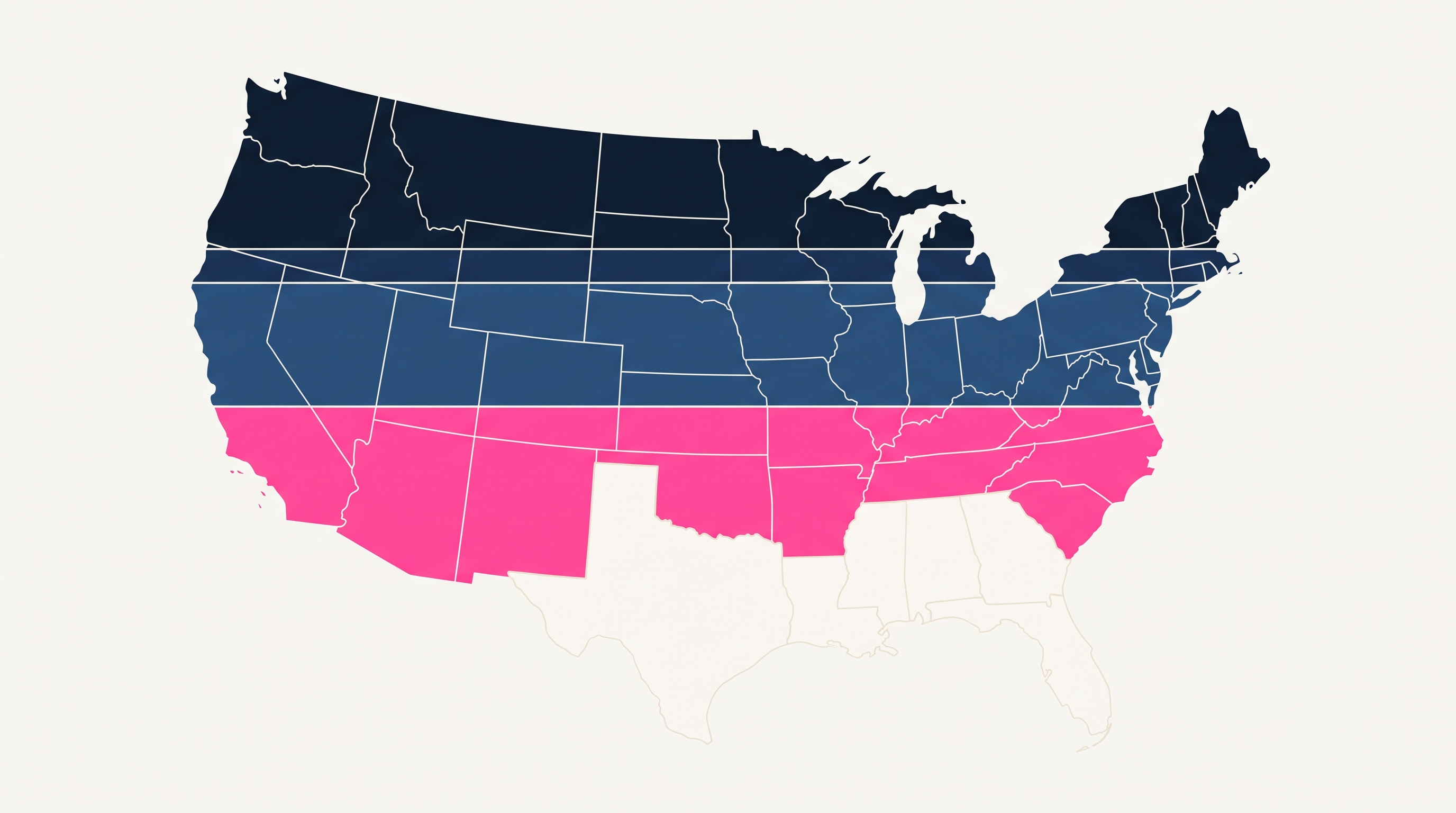
Virginia has landed between two very different neighbors. Texas ran its cutover on July 31 by scheduling delta-8 and other converted isomers outright, which puts criminal exposure rather than a milligram limit at the center. North Carolina went the other way, with the House shelving its hemp restriction bill until November. Virginia chose prohibition-by-threshold, which keeps a legal category alive but shrinks it to products most of the market does not currently make.
Here is the part that gets missed. Much of the industry is watching the federal calendar — the total-THC standard arriving November 12, or December 11 if the Senate's delay is enacted. For a Virginia operator, that fight is background noise. The federal standard is 0.4 mg of total THC per container. Virginia's is 2 mg per package. Compare them naively and Virginia looks looser. In practice the state rule binds first, because it is already in force, and the two measure the same thing at different scopes: a multi-serving package that clears Virginia's 2 mg ceiling will still fail a 0.4 mg per-container federal test. Reformulating to survive August does not solve for November.
| Jurisdiction | Limit | Basis | Status |
|---|---|---|---|
| Virginia | 2 mg total THC | Per package | In effect Aug 15, 2026 |
| Federal (2025 law) | 0.4 mg total THC | Per container | Nov 12, 2026 (Dec 11 if delay enacted) |
| Texas | Converted isomers scheduled | Substance-based | In effect July 31, 2026 |
| North Carolina | None yet | — | House vote deferred to November 2026 |
Litigation can also split a market rather than settle it. Ohio's hemp beverage ban was enjoined for a specific set of plaintiffs and left in force for everyone else — the outcome Virginia's plaintiffs sought and did not get. For where the underlying products remain sellable, see our state-by-state THCA legality guide, and for the federal timetable this now runs ahead of, the December 11 delay fight.
Did the court block Virginia's hemp law?
No. On August 14, 2026, U.S. District Judge Robert S. Ballou denied the temporary restraining order and preliminary injunction, and the 2 mg cap took effect August 15. The underlying constitutional case continues.
What is illegal in Virginia now?
Retail hemp products carrying more than 2 milligrams of total THC per package. The former 25-to-1 CBD-to-THC ratio exception no longer exists, and the separate 0.3 percent total THC concentration limit still applies.
Is delta-8 still legal in Virginia?
Only in products at or under 2 mg of total THC per package — a threshold most conventional delta-8 products exceed. The cap is measured on total THC, not delta-9 alone.
Is the lawsuit over?
No. Only emergency relief was denied. The Fifth and Fourteenth Amendment claims proceed, and plaintiffs' counsel has said a residual damages claim remains. No appeal has been filed as of this writing.
How does Virginia's cap compare to the federal hemp standard?
Virginia limits 2 mg of total THC per package and is already in force. The federal standard limits 0.4 mg of total THC per container and arrives November 12, 2026, or December 11 if the pending delay is enacted. Clearing Virginia does not mean clearing the federal test.
This is regulatory journalism, not legal advice — talk to your counsel.
A federal judge refused to pause Virginia's new hemp limit, and it took effect at midnight on Saturday, August 15, 2026. U.S. District Judge Robert S. Ballou denied both a temporary restraining order and a preliminary injunction on Thursday, August 14, in an 18-page memorandum opinion in Northern Virginia Hemp & Agriculture LLC v. Spanberger, No. 7:26-cv-00615 (W.D. Va.). Consumable hemp products sold in the commonwealth may now contain no more than 2 milligrams of total THC per package.
Two limits now apply together. A retail hemp product must carry no more than 2 milligrams of total THC per package, and it must stay at or under 0.3 percent total THC by concentration. A product has to satisfy both. The exception that previously rescued higher-THC products carrying at least 25 times as much CBD — the 25-to-1 ratio — is gone.
The change did not arrive as a standalone hemp bill. It rode in as a provision of HB 30, Virginia's biennial budget, signed June 29, 2026. That procedural detail matters more than it sounds. Budget provisions move on the budget's calendar rather than a policy bill's, which is how the redefinition of an entire retail category ended up with roughly six weeks between enactment and enforcement.
That compression is the plaintiffs' central factual claim: formal notice on July 6, an August 15 effective date, and in between the need to reformulate products, redesign packaging, renegotiate manufacturing agreements and dispose of inventory. We covered the case when the seven businesses filed it in late July.
Ballou held that the plaintiffs had shown neither a likelihood of success on the merits nor irreparable injury — the two findings a preliminary injunction requires. His reasoning rested on deference: Virginia's legislature acted under its police power to legislate for the health and welfare of the commonwealth's residents, and it is not a federal court's role to displace that judgment on an emergency motion.
Read carefully, that is a narrow ruling with a wide practical effect. The court did not hold that the takings, due process and equal protection claims fail. It held that the plaintiffs had not carried the heavy burden emergency relief demands. Those constitutional claims continue, and counsel Chap Petersen has said the plaintiffs retain a residual claim for monetary damages. As of this writing no appeal to the Fourth Circuit is on the record, and Petersen has declined to confirm whether one is coming.
The distinction operators routinely get wrong: a denied injunction is not a merits loss. It is a scheduling event. It decides who bears the cost of uncertainty while the case is litigated — and here, that is the businesses.
None of this is legal advice. Before you destroy inventory or restructure a supply agreement, talk to your counsel.
Virginia has landed between two very different neighbors. Texas ran its cutover on July 31 by scheduling delta-8 and other converted isomers outright, which puts criminal exposure rather than a milligram limit at the center. North Carolina went the other way, with the House shelving its hemp restriction bill until November. Virginia chose prohibition-by-threshold, which keeps a legal category alive but shrinks it to products most of the market does not currently make.
Here is the part that gets missed. Much of the industry is watching the federal calendar — the total-THC standard arriving November 12, or December 11 if the Senate's delay is enacted. For a Virginia operator, that fight is background noise. The federal standard is 0.4 mg of total THC per container. Virginia's is 2 mg per package. Compare them naively and Virginia looks looser. In practice the state rule binds first, because it is already in force, and the two measure the same thing at different scopes: a multi-serving package that clears Virginia's 2 mg ceiling will still fail a 0.4 mg per-container federal test. Reformulating to survive August does not solve for November.
| Jurisdiction | Limit | Basis | Status |
|---|---|---|---|
| Virginia | 2 mg total THC | Per package | In effect Aug 15, 2026 |
| Federal (2025 law) | 0.4 mg total THC | Per container | Nov 12, 2026 (Dec 11 if delay enacted) |
| Texas | Converted isomers scheduled | Substance-based | In effect July 31, 2026 |
| North Carolina | None yet | — | House vote deferred to November 2026 |
Litigation can also split a market rather than settle it. Ohio's hemp beverage ban was enjoined for a specific set of plaintiffs and left in force for everyone else — the outcome Virginia's plaintiffs sought and did not get. For where the underlying products remain sellable, see our state-by-state THCA legality guide, and for the federal timetable this now runs ahead of, the December 11 delay fight.
Did the court block Virginia's hemp law?
No. On August 14, 2026, U.S. District Judge Robert S. Ballou denied the temporary restraining order and preliminary injunction, and the 2 mg cap took effect August 15. The underlying constitutional case continues.
What is illegal in Virginia now?
Retail hemp products carrying more than 2 milligrams of total THC per package. The former 25-to-1 CBD-to-THC ratio exception no longer exists, and the separate 0.3 percent total THC concentration limit still applies.
Is delta-8 still legal in Virginia?
Only in products at or under 2 mg of total THC per package — a threshold most conventional delta-8 products exceed. The cap is measured on total THC, not delta-9 alone.
Is the lawsuit over?
No. Only emergency relief was denied. The Fifth and Fourteenth Amendment claims proceed, and plaintiffs' counsel has said a residual damages claim remains. No appeal has been filed as of this writing.
How does Virginia's cap compare to the federal hemp standard?
Virginia limits 2 mg of total THC per package and is already in force. The federal standard limits 0.4 mg of total THC per container and arrives November 12, 2026, or December 11 if the pending delay is enacted. Clearing Virginia does not mean clearing the federal test.
This is regulatory journalism, not legal advice — talk to your counsel.