
Sign Up
Ready to replace complexity with clarity?
Answer your real world compliance questions (limited time) and save thousands in legal fees and avoided fines.
Automate Compliance Today

Collaborative content disclosure: This article is a paid guest post from a third-party advertiser, published under our advertising program. Publication does not constitute an endorsement of any product, service, or company mentioned.
Editor's note: On December 11, 2026, the federal definition of hemp switches from a delta-9 THC limit to a total-THC limit that counts THCA. Bulk THCA kief is sold for its THCA content, which is exactly what the new test measures. Our compliance note at the end of this article walks through the dates and the math.
THCA kief is the fine, sparkly layer of trichomes that separates from dried cannabis flower. Buying it by the half-pound or pound gets you more of the same material, not a different product. What changes with quantity is how much the details matter. Strain, chemical profile, storage and testing all carry more weight when one purchase has to last.
Here are five facts that explain what THCA kief is and what to check before buying it in bulk.
Kief is made of trichomes, the crystal-like resin glands on the surface of cannabis flower. Trichomes are where the plant concentrates its cannabinoids and terpenes, which is why kief carries so much of the aroma and flavor of the flower it came from.
A THCA kief bulk product contains the same trichome-rich material in a larger quantity. The texture is fine and loose, and the color usually runs from blonde to golden-green. That look sets it apart from whole flower or ordinary ground flower.
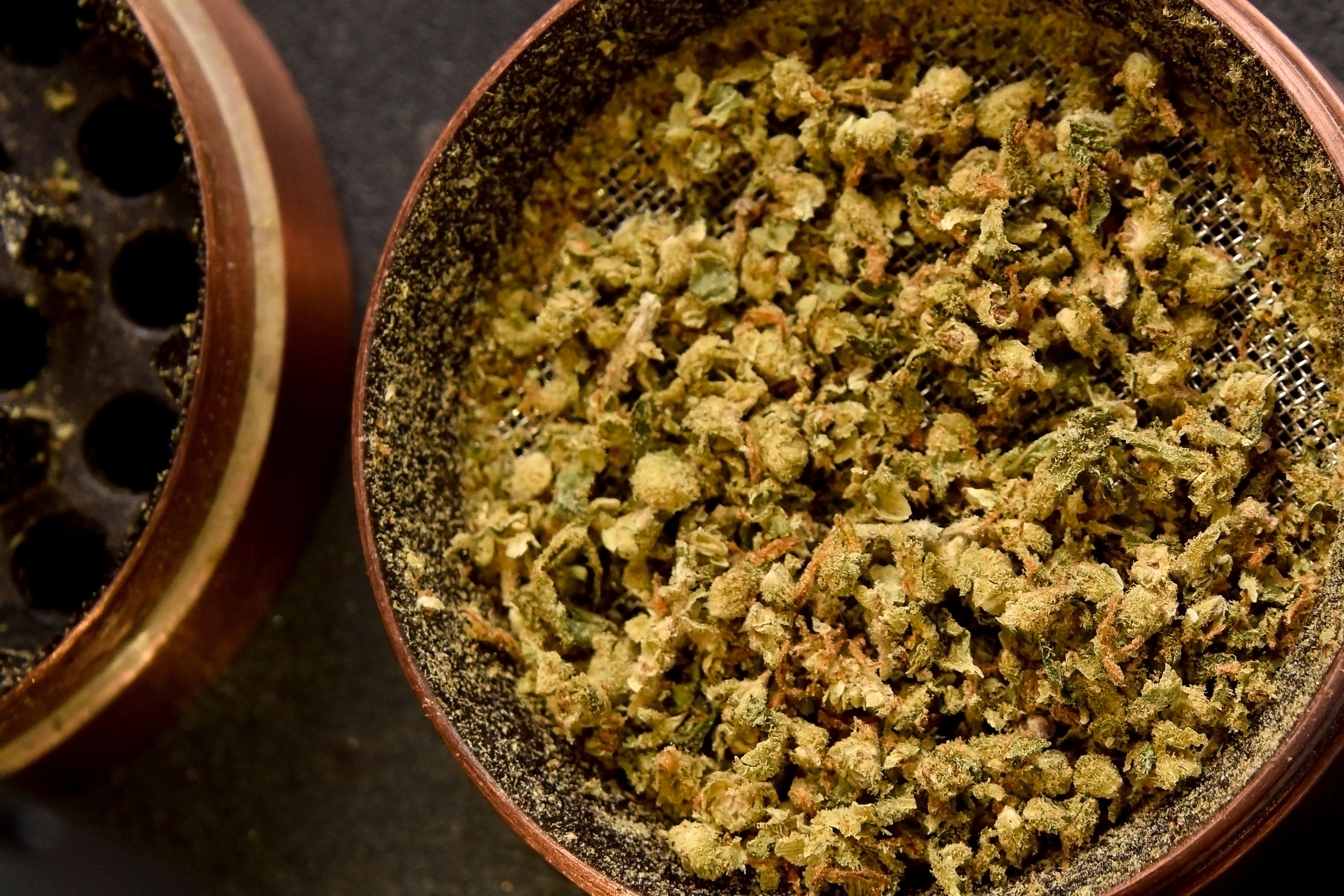
Trichomes are separated from dried flower by gentle agitation or by sifting through fine screens, the same principle as the kief chamber in a three-piece grinder. The aim is to collect the resin glands and leave the plant material behind. Whatever leaf and stem passes through the screen shows up in the finished product: more plant material generally means a greener, coarser kief.
Kief is the trichomes of a specific plant, so it inherits that plant's sensory profile. Terpenes play a central role in scent and flavor, and strains differ in which terpenes they produce and in what amounts.
A citrus-forward strain tends to give kief bright citrus notes. Another may lean earthy or gassy. Intensity also varies between products, so treat the strain name as a starting point rather than a promise.
Two bulk kief products sold under the same strain name can have different cannabinoid and terpene profiles. Indica, sativa and hybrid labels give general background. A chemical profile tells you which compounds were actually detected in the material, and how much of each.
THCA is the main cannabinoid in THCA kief, but the material can contain other cannabinoids too, along with the terpenes behind its aroma and flavor. Amounts and ratios shift between strains, harvests and batches. That is why the lab report, not the label, is the better guide to what you are buying.
Kief is fine and loose, so it blends easily with other cannabis products. The most common use is crowning: sprinkling kief over a packed bowl or a rolled joint to add trichome-rich material to the flower.
Kief can also be pressed into hash. Pressing binds the loose trichomes into a denser form, giving a different texture from the same starting material.
Some people infuse kief into butter or oil. THCA has to be heated before it converts to delta-9 THC, so infusion recipes include a decarboxylation step. Whether a given use is lawful depends on federal law and the law of your state.
A larger quantity makes sense mainly for repeated use or several preparations. How much you need depends on how you plan to use it.
Bulk THCA kief is commonly sold in half-pound and one-pound packages. More material means more to store and more time for its condition to change.
Storage. Keep kief in an airtight container away from heat, light and moisture. Fine kief clings to surfaces and picks up humidity, so use a container you can open briefly, take what you need from, and reseal. That protects the rest of the supply from repeated exposure. Heat matters chemically as well: THCA slowly converts to delta-9 THC over time, and warmth speeds that up. A lab report describes the batch on the day it was tested, not the day you open the last portion.
Consistency. Ask whether a large order comes from a single lot. One lot means one lab report covers the whole package. Mixed lots can vary in color, aroma and potency from one bag to the next.
Testing. A Certificate of Analysis (COA) gives you the lab results for the tested material. For a bulk purchase, check that:
THCA kief is concentrated trichome resin. The collection method gives it its loose texture, the parent strain and its terpenes shape the aroma and flavor, and the COA tells you what is actually in the package. Buying in bulk means more of the same material, which makes storage, lot consistency and testing worth checking before you commit to a large order.
This section was written by the CannabisRegulations.ai editorial team, not the sponsor.
Short answer: from December 11, 2026, THCA kief does not fit the federal definition of hemp. The definition stops measuring only delta-9 THC and starts counting THCA, and THCA is what kief is sold for.
Until December 11, the federal definition in 7 U.S.C. §1639o caps hemp at a delta-9 THC concentration of not more than 0.3 percent on a dry weight basis. THCA kief is sold as hemp on the reading that only delta-9 THC counts. That reading has always been contested. USDA's hemp production rules require crops to pass a pre-harvest test for total THC, which converts THCA (7 CFR §990.1). In a June 2023 letter, DEA said the delta-9 limit "must account for any delta-9-THCA in a substance." Hemp attorneys such as Rod Kight read that as applying to the growing crop, not to harvested material. Several states have already moved against THCA products under their own law, including Texas, Michigan and New Jersey.
Section 781 of Division B of Public Law 119-37, signed November 12, 2025, rewrites the definition. Hemp becomes material whose total THC concentration, expressly including THCA, is not more than 0.3 percent on a dry weight basis. The same section excludes final hemp-derived cannabinoid products containing more than 0.4 milligrams of total THC per container (CRS IF13136).
The change was originally set for November 12, 2026. H.R. 6500, signed September 2, 2026 as Public Law 119-103, moved most of it to December 11, 2026. Only products containing cannabinoids that the plant cannot naturally produce keep the November 12 date. Kief is mechanically separated from the plant, not synthesized, so December 11 is the date that applies. Our breakdown of the December 11 delay covers the two clocks in detail.
USDA's formula converts THCA into its delta-9 equivalent: Total THC = (0.877 × THCA) + delta-9 THC (7 CFR §990.1). Divide 0.3 by 0.877 and you get the ceiling. Material with more than about 0.34 percent THCA fails the limit on THCA alone, before any delta-9 THC is counted.
Kief is concentrated trichome resin, and the trichomes are where the THCA is. Take a hypothetical COA showing 40 percent THCA and 0.5 percent delta-9 THC:
The material fails the definition before the 0.4 mg per-container cap ever comes into play. For why THCA and delta-9 THC end up classified together, see our THCA vs THC explainer.
Cannabis material outside the hemp definition is marijuana under the Controlled Substances Act. A DEA final rule published April 28, 2026 moved marijuana in FDA-approved drug products and marijuana handled under a state medical license to Schedule III. All other marijuana remains in Schedule I while broader rescheduling works through a DEA hearing that ran from June 29 to July 15, 2026 (Morgan Lewis). Kief bought from a hemp seller does not fall in the Schedule III category.
What is THCA kief? The fine, loose trichome resin that separates from dried cannabis flower. It is sold for its THCA content, the acid form of THC that converts to delta-9 THC when heated.
Is THCA kief federally legal? Until December 11, 2026, sellers treat it as hemp because the 2018 definition limits only delta-9 THC, a reading DEA has disputed. From December 11, 2026, the federal definition counts THCA toward the 0.3 percent limit, and THCA kief does not qualify as hemp. Your state may already prohibit it.
How do I calculate total THC from a kief COA? Total THC = (0.877 × THCA) + delta-9 THC, per 7 CFR §990.1. Material above about 0.34 percent THCA fails the 0.3 percent limit on THCA alone.
Does buying kief in bulk change its legal status? No. A pound of kief is the same material as a gram. Quantity changes your exposure, your shipping options and how state possession limits apply, not the classification.
Has Congress delayed the hemp change past December 11? Not as of October 19, 2026. Bills to push the date to 2028 were still in committee.
This is a paid guest post. The five facts above are the views of the sponsoring contributor and do not necessarily reflect the views of CannabisRegulations.ai; the compliance note is ours. Nothing in this article is legal advice. Cannabis and hemp laws change frequently, so verify the current rules in your jurisdiction before acting. Interested in publishing a guest post? Visit our advertising page.